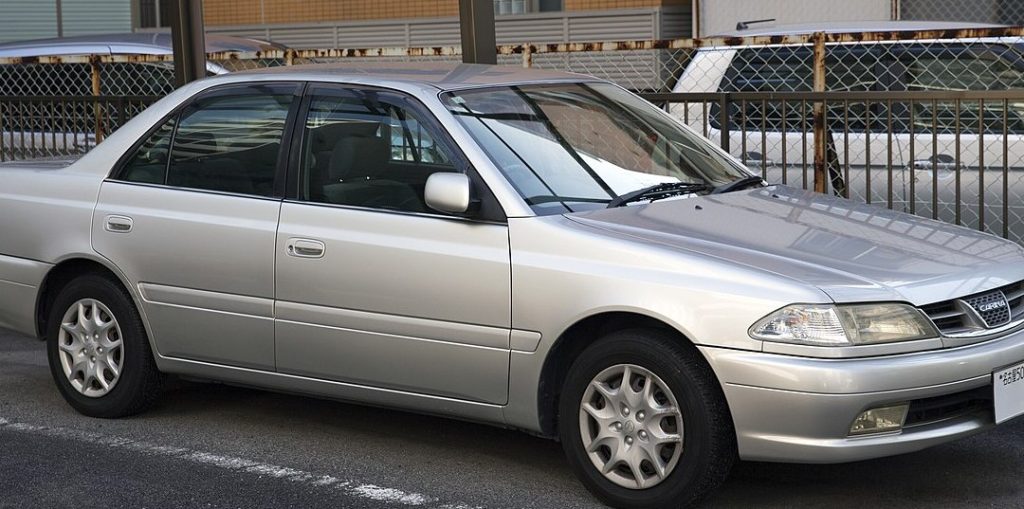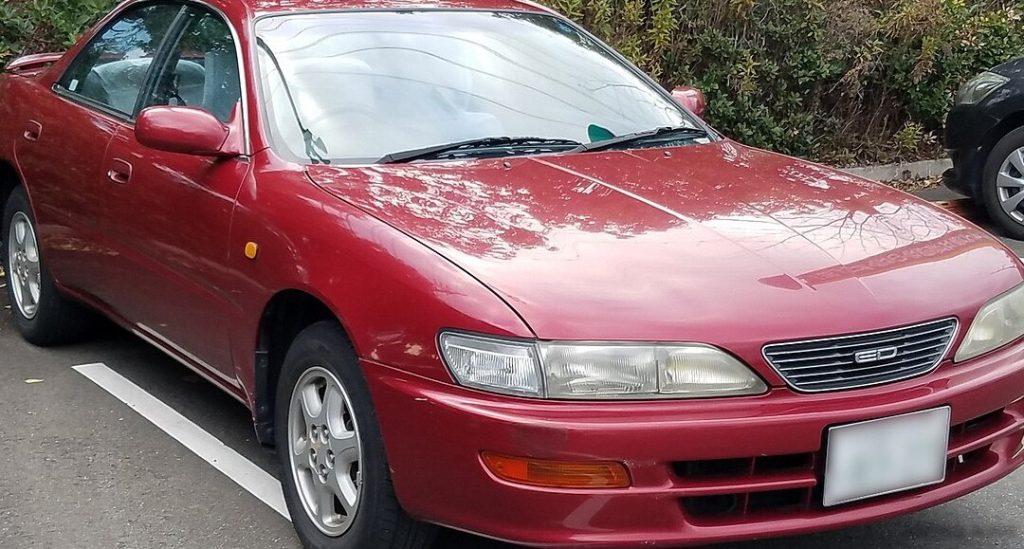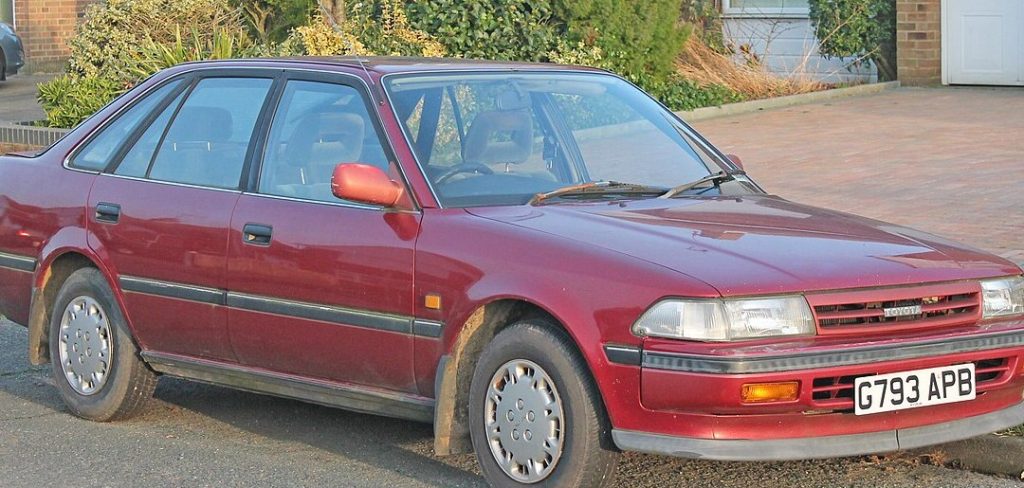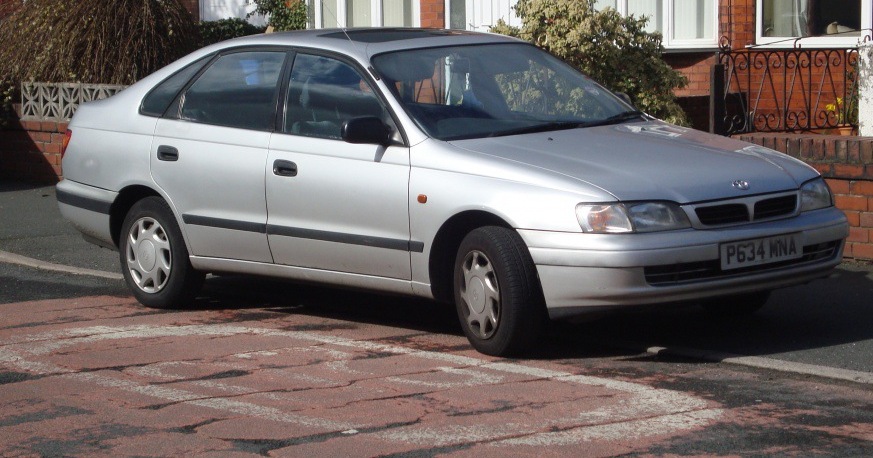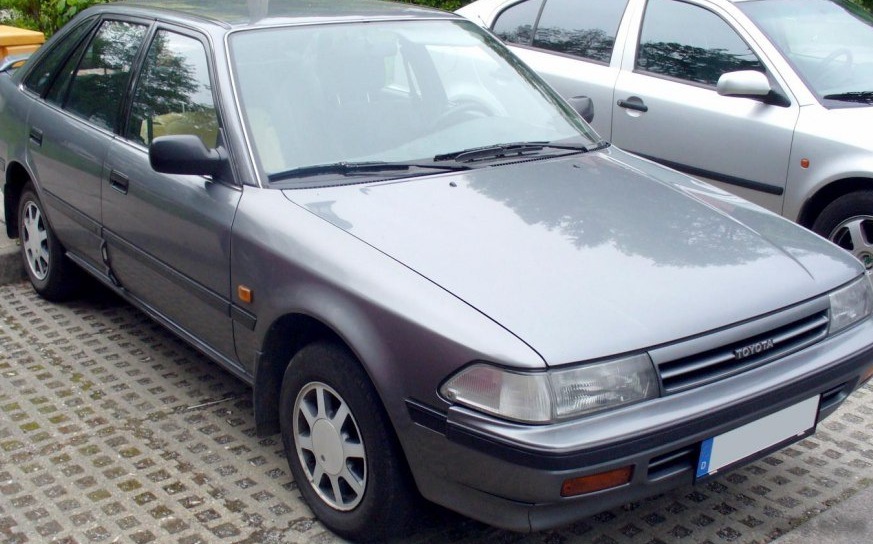
The Toyota Carina Hatch (T17), specifically the 1.6-liter (AT171) variant producing 98 horsepower, was a compact hatchback produced between 1987 and 1992. Positioned as an affordable and practical family car, it represented Toyota’s entry into the increasingly popular European-style hatchback market. The T17 generation Carina Hatch aimed to provide a balance of fuel efficiency, reliability, and reasonable performance, appealing to buyers seeking a no-frills, dependable vehicle. It sat below the larger Carina sedan in Toyota’s lineup, offering a more accessible price point and a focus on practicality.
Technical Specifications
| Brand | Toyota |
| Model | Carina |
| Generation | Carina Hatch (T17) |
| Type (Engine) | 1.6 (AT171) (98 Hp) |
| Start of production | 1987 |
| End of production | 1992 |
| Powertrain Architecture | Internal Combustion engine |
| Body type | Hatchback |
| Seats | 5 |
| Doors | 5 |
| Fuel Type | Petrol (Gasoline) |
| Power | 98 Hp |
| Engine aspiration | Naturally aspirated engine |
| Engine oil capacity | 3.2 l (3.38 US qt | 2.82 UK qt) |
| Coolant capacity | 5.2 l (5.49 US qt | 4.58 UK qt) |
Powertrain & Engine Architecture
The heart of the AT171 Carina Hatch was the 4A-FE 1.6-liter inline-four cylinder engine. This engine was a staple in Toyota’s lineup during the late 1980s and early 1990s, known for its durability and relatively simple design. It featured a single overhead camshaft (SOHC) valvetrain with two valves per cylinder. Fuel delivery was managed by Toyota’s electronically controlled fuel injection system, contributing to improved fuel efficiency and reduced emissions compared to earlier carbureted engines. The 4A-FE engine produced 98 horsepower at approximately 5,600 rpm and 99 lb-ft of torque at 3,600 rpm.
Paired with this engine was a four-speed automatic transmission. This transmission was chosen for its ease of use and suitability for drivers prioritizing comfort over sporty performance. The automatic transmission featured typical torque converter technology, providing smooth shifts but at the expense of some power delivery efficiency. The gear ratios were geared towards fuel economy and everyday drivability rather than rapid acceleration.
Driving Characteristics
The 1.6-liter automatic Carina Hatch offered a comfortable, if not particularly exciting, driving experience. Acceleration was adequate for typical urban and highway driving, but it wasn’t a vehicle designed for spirited performance. The automatic transmission, while smooth, did contribute to a noticeable delay in response compared to the available five-speed manual transmission. The 0-60 mph time was estimated to be around 12-13 seconds, placing it firmly in the economy car category.
The gear ratios were optimized for fuel efficiency, meaning the engine often operated at lower RPMs during cruising. This contributed to a quiet cabin experience but could sometimes feel strained when attempting to overtake or climb hills. Compared to the more powerful 1.8-liter versions of the Carina, the 1.6-liter felt noticeably less responsive. The manual transmission variants offered a more engaging driving experience and slightly improved fuel economy.
Equipment & Trim Levels
The AT171 Carina Hatch 1.6 was generally offered in a relatively basic trim level, reflecting its position as an entry-level model. Standard features typically included cloth upholstery, a basic AM/FM radio, and manual windows and door locks. Power steering was often included, but air conditioning was frequently an optional extra. The dashboard layout was functional and straightforward, prioritizing usability over aesthetics.
Optional extras could include upgraded audio systems, alloy wheels, and a sunroof. Higher trim levels, if available in certain markets, might have featured more luxurious interior appointments and additional convenience features. However, the core appeal of the 1.6-liter model was its affordability and practicality, so many examples were sold with minimal options.
Chassis & Braking
The Carina Hatch utilized a front-engine, front-wheel-drive layout. The suspension consisted of MacPherson struts at the front and a torsion beam axle at the rear. This suspension setup provided a comfortable ride quality, although it wasn’t particularly sporty. The torsion beam rear suspension was a cost-effective solution commonly used in compact cars of the era.
Braking was typically accomplished with disc brakes at the front and drum brakes at the rear. This configuration was standard for vehicles in this price range during the late 1980s and early 1990s. Anti-lock brakes (ABS) were not typically standard equipment on the 1.6-liter model, although they may have been available as an option in some markets. The braking performance was adequate for everyday driving, but it lacked the stopping power of more advanced braking systems.
Market Reception & Comparison
The Toyota Carina Hatch 1.6 (AT171) was generally well-received by automotive critics as a reliable and practical family car. It was praised for its fuel efficiency, comfortable ride, and Toyota’s reputation for build quality. However, it was often criticized for its lack of performance and somewhat bland styling.
Compared to other compact hatchbacks of the era, such as the Volkswagen Golf or Ford Escort, the Carina Hatch offered a competitive level of reliability and fuel economy. However, it often lacked the sporty handling and refined interior of some of its European rivals. The 1.8-liter Carina Hatch offered a noticeable performance improvement, but at a higher price point. The 1.6-liter model appealed to buyers prioritizing affordability and dependability over driving excitement.
Legacy
The Toyota Carina Hatch (T17) 1.6 (AT171) has proven to be a remarkably durable vehicle. Many examples are still on the road today, a testament to Toyota’s engineering and build quality. The 4A-FE engine is known for its longevity and relatively low maintenance requirements.
In the used car market, these Carina Hatchbacks are often sought after by buyers looking for an affordable and reliable transportation option. While they may not offer the latest technology or features, they provide a simple, dependable, and economical way to get from point A to point B. Parts availability is generally good, and the relatively straightforward mechanical design makes them relatively easy to maintain and repair. The automatic transmission, while not the most efficient, has also proven to be quite durable over the long term.