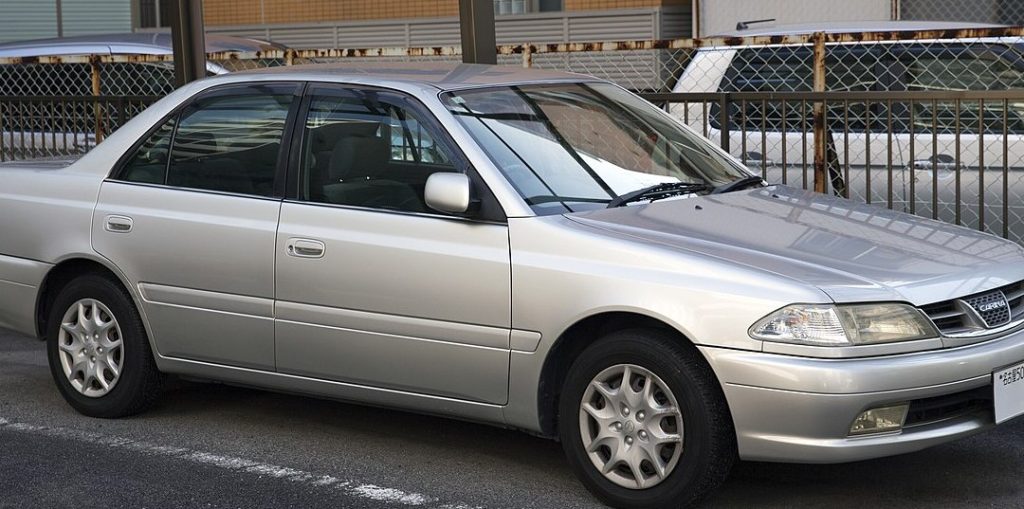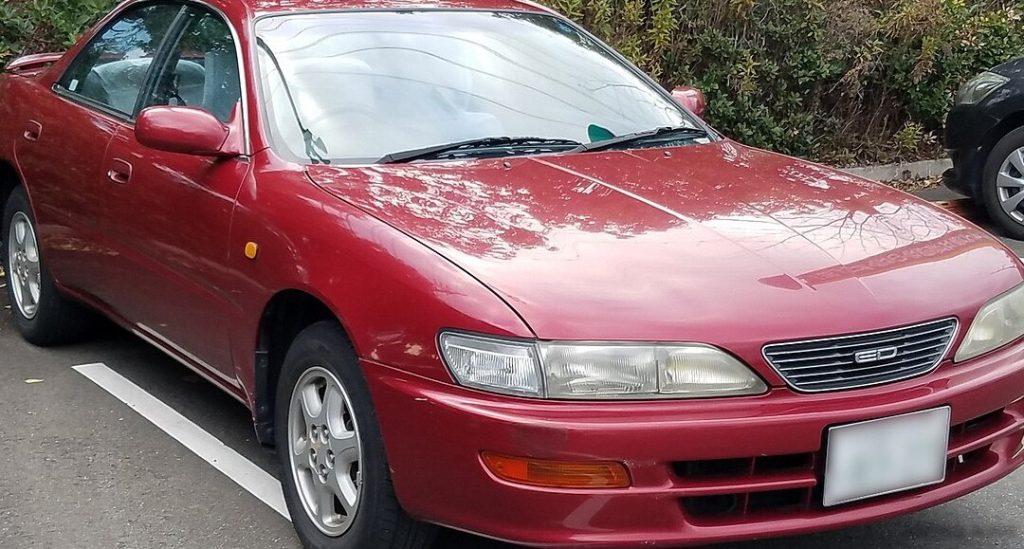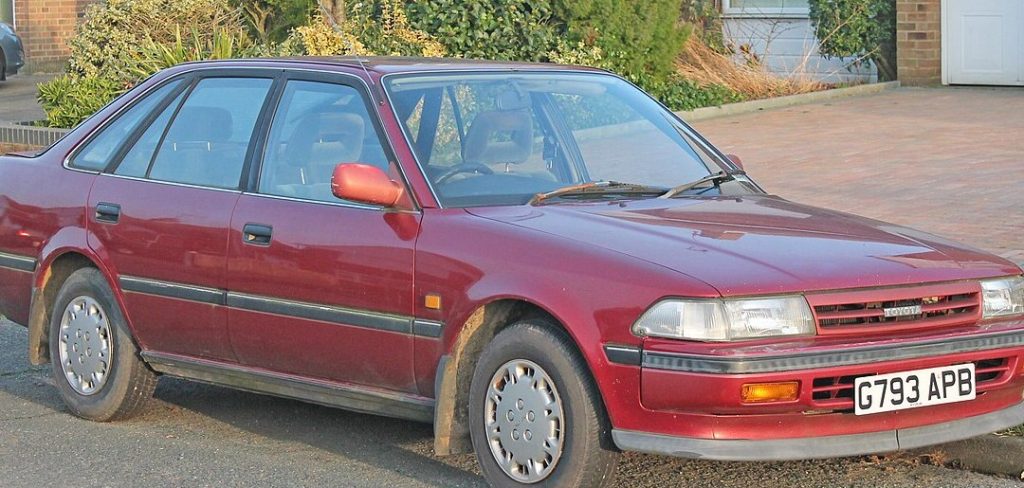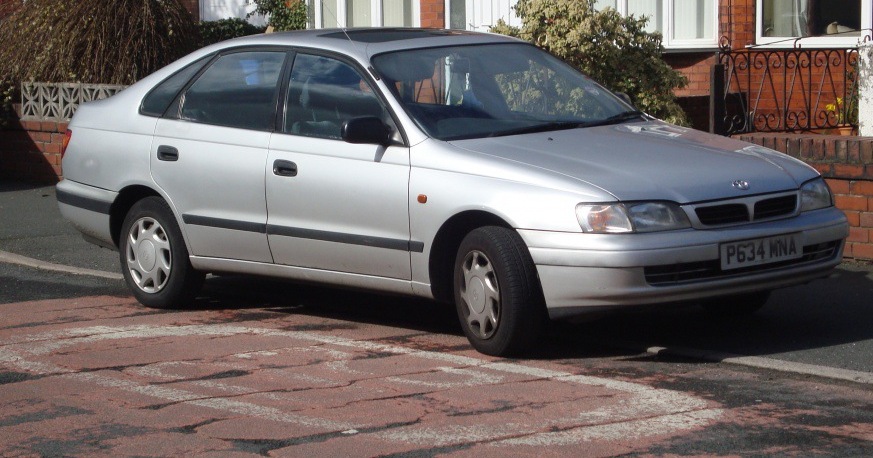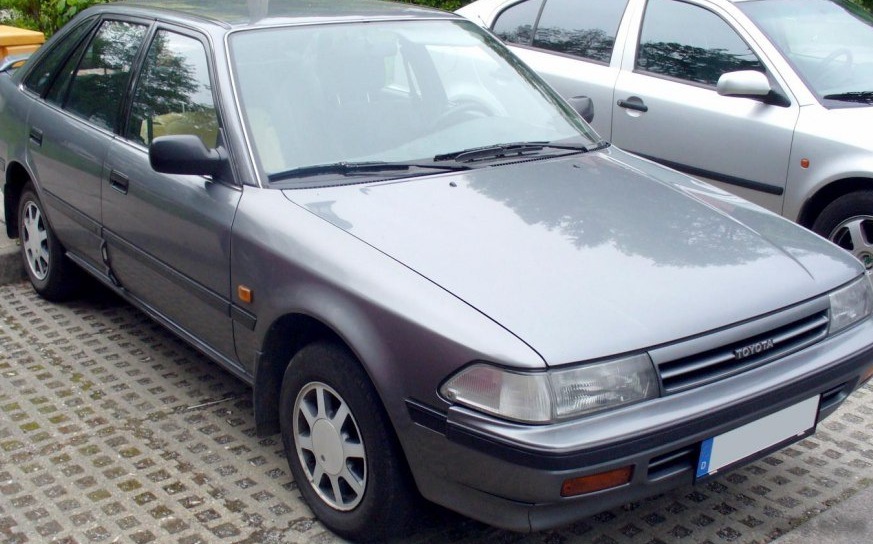
The Toyota Carina Hatch (T17) 2.0 D, produced between 1988 and 1992, represented a practical and economical offering within the broader Carina range. Positioned as a mainstream, family-oriented hatchback, it served as a key model for Toyota in several European and Asian markets. The T17 generation Carina, while not officially sold in the United States, was a significant vehicle for Toyota, showcasing their commitment to building reliable and fuel-efficient transportation. This 2.0-liter diesel variant, producing 73 horsepower, was aimed at buyers prioritizing fuel economy and durability over outright performance. It occupied the lower to mid-range of the Carina Hatchback lineup, offering a more affordable entry point compared to gasoline-powered models or higher-trim diesel options.
Technical Specifications
| Brand | Toyota |
| Model | Carina |
| Generation | Carina Hatch (T17) |
| Type (Engine) | 2.0 D (73 Hp) |
| Start of production | 1988 |
| End of production | 1992 |
| Powertrain Architecture | Internal Combustion engine |
| Body type | Hatchback |
| Seats | 5 |
| Doors | 5 |
| Fuel Type | Diesel |
| Power | 73 Hp |
| Engine Model/Code | 2C-L |
| Engine aspiration | Naturally aspirated engine |
| Engine oil capacity | 5.3 l (5.6 US qt | 4.66 UK qt) |
| Coolant capacity | 7.3 l (7.71 US qt | 6.42 UK qt) |
Powertrain & Engine Architecture
The heart of the Carina Hatch 2.0 D was the 2C-L diesel engine. This 1998cc, naturally aspirated inline-four cylinder engine was a mainstay of Toyota’s diesel offerings during the late 1980s and early 1990s. The 2C-L featured indirect injection, utilizing a pre-combustion chamber design. This system, while not as efficient as direct injection, offered quieter operation and improved cold-starting characteristics – important considerations for European climates. The engine employed a single overhead camshaft (SOHC) valvetrain, operating two valves per cylinder. The 2C-L was known for its robust construction and relatively simple design, contributing to its reputation for reliability. The engine was typically paired with a four or five-speed manual transmission, but a three-speed automatic transmission was also available, though less common. The automatic transmission was designed for smooth, comfortable operation rather than sporty performance, prioritizing fuel efficiency and ease of driving.
Driving Characteristics
The 73 horsepower output of the 2.0 D engine translated to modest, but adequate, performance. Acceleration was not a strong point, with 0-60 mph times estimated to be around 14-16 seconds. The focus was firmly on providing sufficient power for everyday driving, including highway cruising and carrying a full load of passengers. The automatic transmission, while offering convenience, further reduced acceleration potential due to its relatively wide gear ratios. The engine produced a respectable amount of torque for its displacement, peaking around 125 lb-ft, which made it reasonably capable of handling inclines and overtaking maneuvers, albeit requiring careful planning. Compared to the gasoline-powered Carina models, the 2.0 D offered significantly better fuel economy, a key selling point for many buyers. The manual transmission versions provided a more engaging driving experience and slightly improved performance, but the automatic was favored by those seeking a more relaxed driving style.
Equipment & Trim Levels
The Carina Hatch 2.0 D typically came equipped with a fairly basic level of standard features, reflecting its position as a value-oriented model. Standard equipment generally included power steering, central locking, and a basic stereo system. Interior upholstery was typically cloth, with a durable and practical design. Dashboard configuration was straightforward and functional, prioritizing ease of use over aesthetic flair. Optional extras included power windows, electric mirrors, and an upgraded stereo system. Higher trim levels, often denoted by “GL” or “XL” badges, added features such as alloy wheels, upgraded interior trim, and a sunroof. The 2.0 D trim often served as a base for these upgrades, allowing buyers to customize their vehicle to a certain extent.
Chassis & Braking
The Carina Hatch (T17) utilized a relatively conventional chassis design, featuring independent front suspension with MacPherson struts and a torsion beam rear suspension. This setup provided a comfortable ride quality, suitable for everyday driving. The front brakes were typically disc brakes, while the rear brakes were often drum brakes, particularly on lower-trim models. Stabilizer bars were fitted to both the front and rear axles to reduce body roll during cornering. The steering was rack-and-pinion, providing reasonably precise handling. The suspension was tuned for comfort rather than sporty handling, prioritizing a smooth and stable ride over sharp responsiveness. The braking system, while adequate for normal driving conditions, was not particularly powerful, reflecting the car’s modest performance capabilities.
Market Reception & Comparison
The Toyota Carina Hatch 2.0 D was generally well-received by automotive critics as a practical and reliable family car. Its fuel economy was a major selling point, particularly in Europe where diesel fuel was often cheaper than gasoline. However, its performance was often criticized as being somewhat lackluster, especially when equipped with the automatic transmission. Compared to other diesel hatchbacks of the time, such as the Volkswagen Golf or Ford Escort, the Carina offered a similar level of practicality and fuel economy, but often at a slightly higher price point. The Carina’s reputation for reliability and durability, however, often justified the higher cost for many buyers. The gasoline-powered Carina models offered more spirited performance, but at the expense of fuel economy. The 1.6L gasoline engine was a popular alternative for those prioritizing performance, while the 2.0L gasoline engine offered a balance of power and efficiency.
Legacy
The Toyota Carina Hatch (T17) 2.0 D has proven to be a remarkably durable vehicle, with many examples still on the road today. The 2C-L diesel engine is renowned for its longevity and ability to withstand high mileage. While finding parts can sometimes be a challenge due to the car’s age and limited US market presence, the engine’s simplicity and robust construction make it relatively easy to maintain. In the used car market, the Carina Hatch 2.0 D is often sought after by those looking for a reliable and economical vehicle. Its reputation for dependability and low running costs continues to make it a popular choice for budget-conscious buyers. The Carina Hatch, while not a performance icon, remains a testament to Toyota’s commitment to building practical, reliable, and long-lasting automobiles.