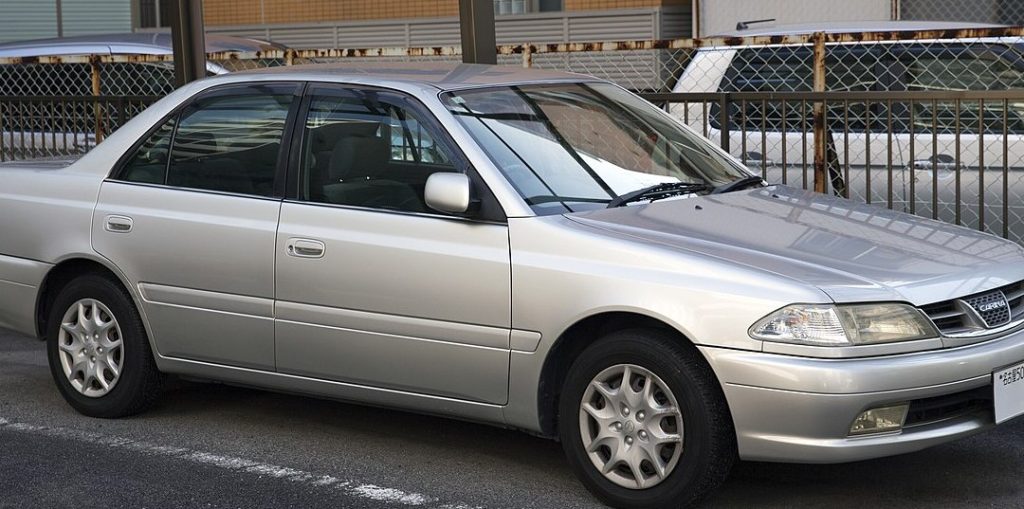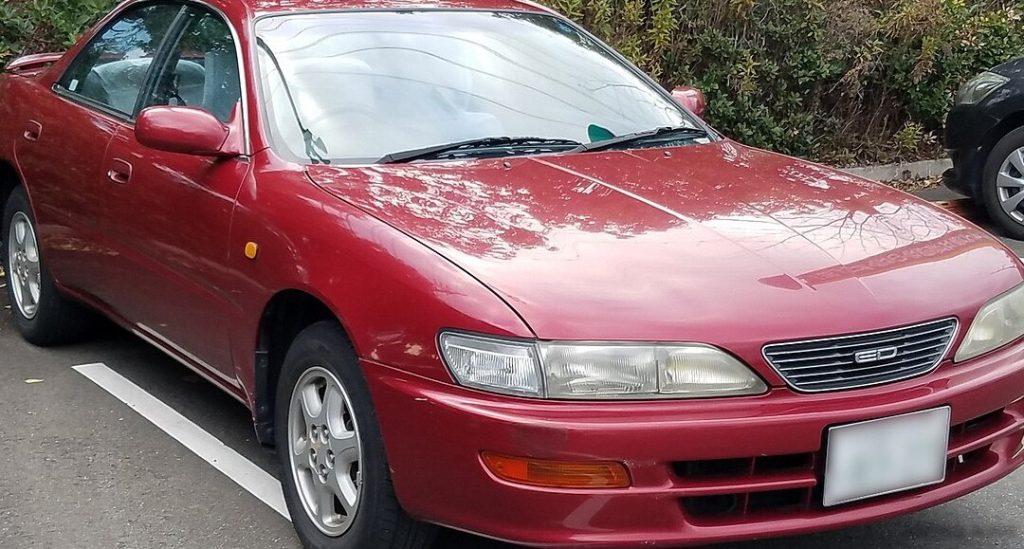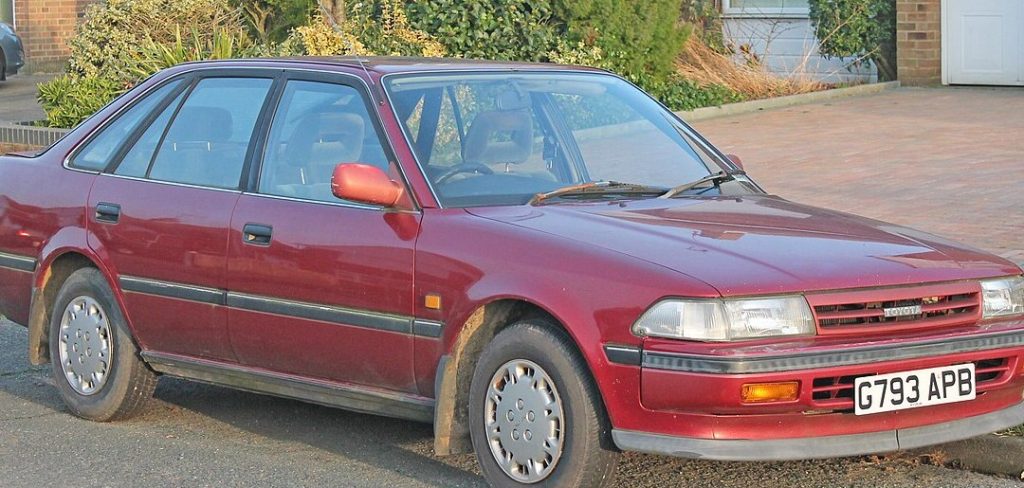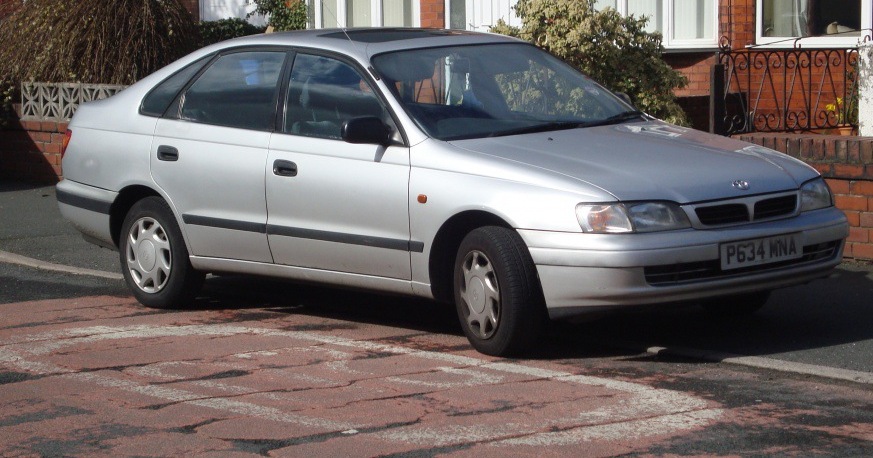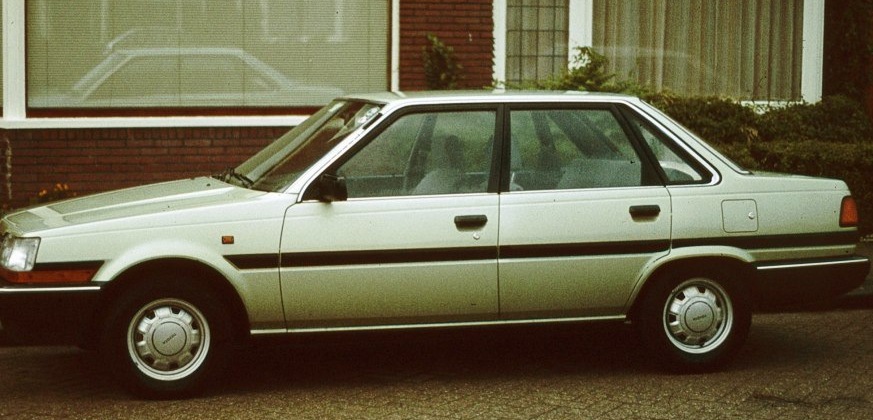
The Toyota Carina (T15) 1.6 (AT151), producing 86 horsepower, was a variant of the T15 generation Carina produced between 1986 and 1987. Positioned as an entry-level offering within the T15 lineup, it aimed to provide comfortable and reliable transportation for families and commuters. The T15 Carina represented Toyota’s continued refinement of the mid-size sedan, building upon the success of previous Carina generations. It was primarily sold in Japan and select export markets, competing with other Japanese sedans like the Honda Accord and Nissan Bluebird.
Technical Specifications
| Brand | Toyota |
| Model | Carina |
| Generation | Carina (T15) |
| Type (Engine) | 1.6 (AT151) (86 Hp) |
| Start of production | 1986 |
| End of production | 1987 |
| Powertrain Architecture | Internal Combustion engine |
| Body type | Sedan |
| Seats | 5 |
| Doors | 4 |
| Fuel Type | Petrol (Gasoline) |
| Power | 86 Hp |
| Engine Model/Code | 4A |
| Engine aspiration | Naturally aspirated engine |
| Engine oil capacity | 3.3 l (3.49 US qt | 2.9 UK qt) |
| Coolant capacity | 5 l (5.28 US qt | 4.4 UK qt) |
Powertrain & Engine Architecture
The AT151 Carina 1.6 was powered by the Toyota 4A engine, a 1.6-liter (1587 cc) inline-four cylinder gasoline engine. This engine was a staple in Toyota’s lineup during the 1980s, known for its reliability and relatively simple design. The 4A featured a single overhead camshaft (SOHC) valvetrain with eight valves (two per cylinder). Fuel delivery was managed by a carburetor, a common feature for this class of vehicle at the time, though some later iterations of the 4A would adopt fuel injection. The engine produced 86 horsepower at approximately 6,000 rpm and 134 Nm (99 lb-ft) of torque at 4,000 rpm. The transmission paired with this engine was a four-speed automatic, designed for smooth and comfortable operation. This automatic transmission was not particularly sporty, prioritizing fuel efficiency and ease of use over rapid acceleration.
Driving Characteristics
The driving experience in the AT151 Carina 1.6 was characterized by its comfort and predictability. The 86 horsepower engine, coupled with the four-speed automatic transmission, provided adequate, but not exhilarating, performance. Acceleration was modest, and overtaking required careful planning. The automatic transmission featured relatively tall gear ratios, contributing to fuel economy but also limiting responsiveness. Compared to the manual transmission versions of the Carina, or those equipped with larger engines (like the 1.8 or 2.0-liter options), the 1.6 automatic felt noticeably slower. However, it offered a smoother and more relaxed driving experience, particularly in urban traffic. The suspension was tuned for comfort, absorbing bumps and imperfections in the road reasonably well. Steering was light and easy, making it maneuverable in tight spaces.
Equipment & Trim Levels
The AT151 Carina 1.6 typically came with a fairly basic level of equipment, reflecting its position as the entry-level model. Standard features generally included cloth upholstery, a basic AM/FM radio, and manual windows and door locks. Air conditioning was often an optional extra. The dashboard layout was functional and straightforward, with clearly labeled controls. Interior trim was typically a muted color scheme, prioritizing durability over luxury. Higher trim levels of the T15 Carina offered features like power windows, central locking, upgraded audio systems, and more comfortable seating. However, the 1.6 AT151 was generally offered with a more spartan equipment list to keep the price competitive.
Chassis & Braking
The Carina T15 utilized a front-engine, rear-wheel-drive layout. The suspension consisted of MacPherson struts at the front and a semi-trailing arm suspension at the rear. The braking system on the AT151 1.6 typically featured disc brakes at the front and drum brakes at the rear. This configuration was common for vehicles in this price range during the 1980s. Power steering was often included, but anti-lock brakes (ABS) were not typically available on the base 1.6 model. The chassis was designed to provide a balance between comfort and handling, prioritizing ride quality over sporty performance. Stabilizer bars were present, but were relatively thin compared to those found on higher-performance Carina variants.
Market Reception & Comparison
The Toyota Carina T15 1.6 (AT151) was generally well-received as a reliable and practical family sedan. Critics praised its build quality and fuel efficiency, but noted its lack of outright performance. Compared to other trims in the Carina lineup, the 1.6 automatic was the least powerful and least engaging to drive. However, it was also the most affordable, making it an attractive option for budget-conscious buyers. Against competitors like the Honda Accord and Nissan Bluebird, the Carina 1.6 offered a comparable level of reliability and comfort, but often lacked the sporty driving dynamics of some of its rivals. Fuel economy was a strong point, typically achieving around 28-32 mpg in mixed driving conditions.
Legacy
The Toyota Carina T15 1.6 (AT151) has proven to be a remarkably durable vehicle. Many examples are still on the road today, a testament to Toyota’s engineering and build quality. The 4A engine is known for its longevity and relatively simple maintenance requirements. While parts availability may be becoming more challenging as the car ages, many components are still readily available through aftermarket suppliers. In the used car market, the AT151 Carina 1.6 is often valued for its affordability and reliability. It represents a classic example of 1980s Japanese automotive engineering, offering a comfortable and dependable driving experience at a reasonable price. It’s often sought after by enthusiasts looking for a simple, reliable, and easily maintained classic car.