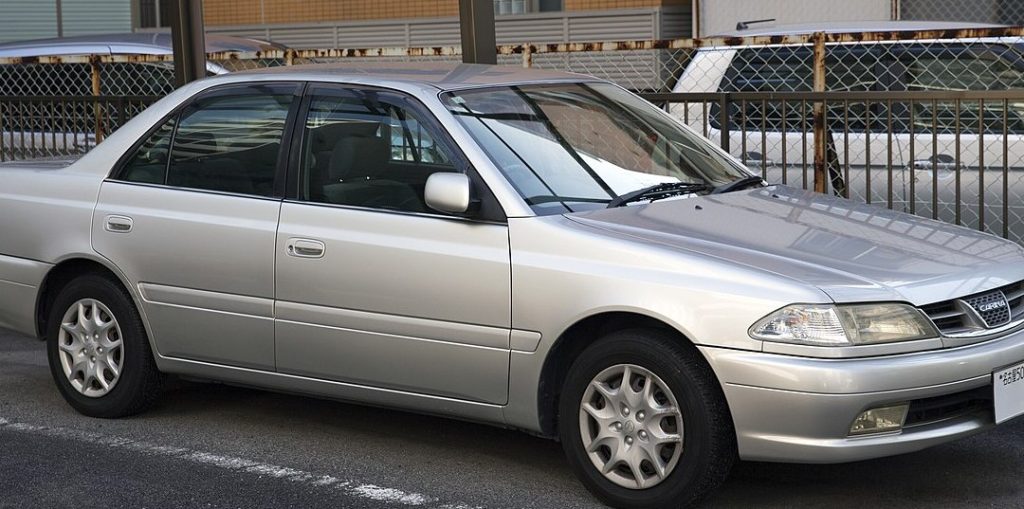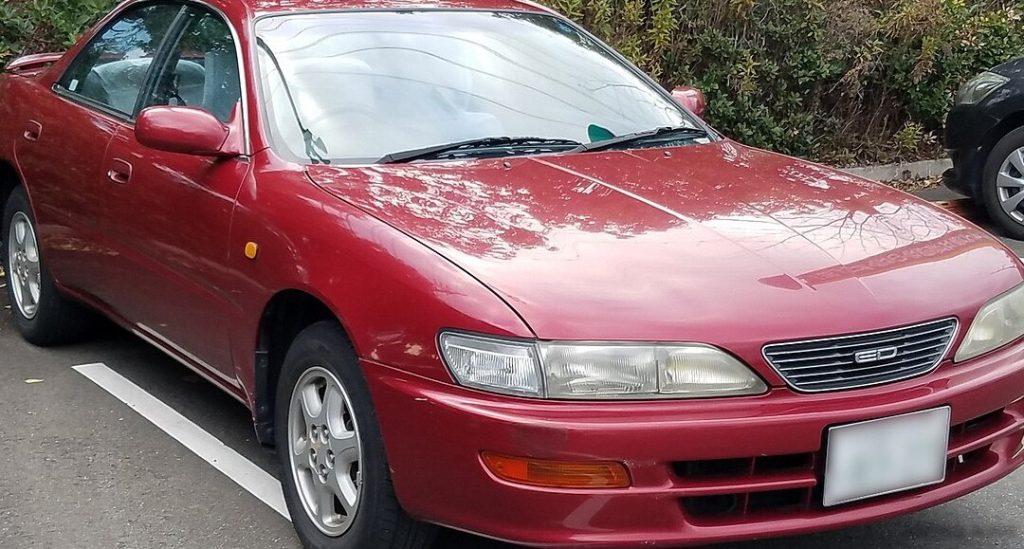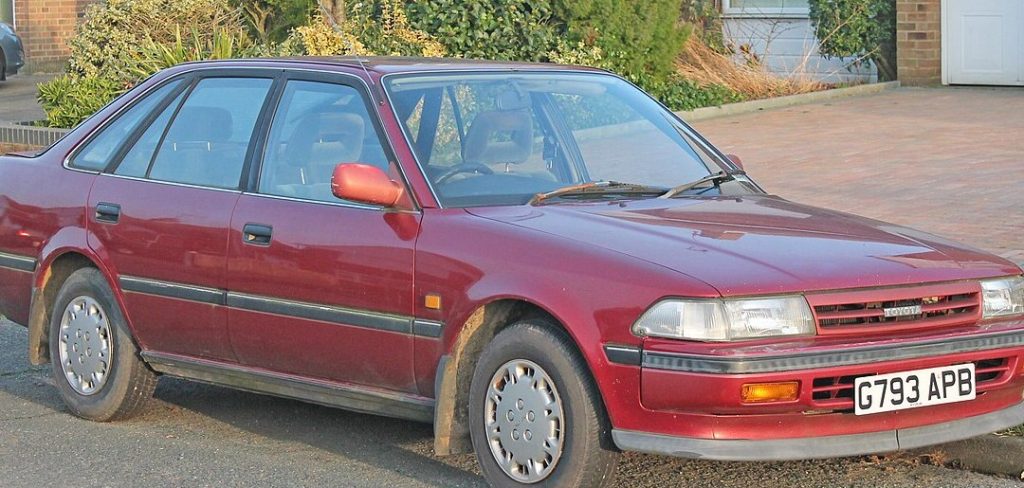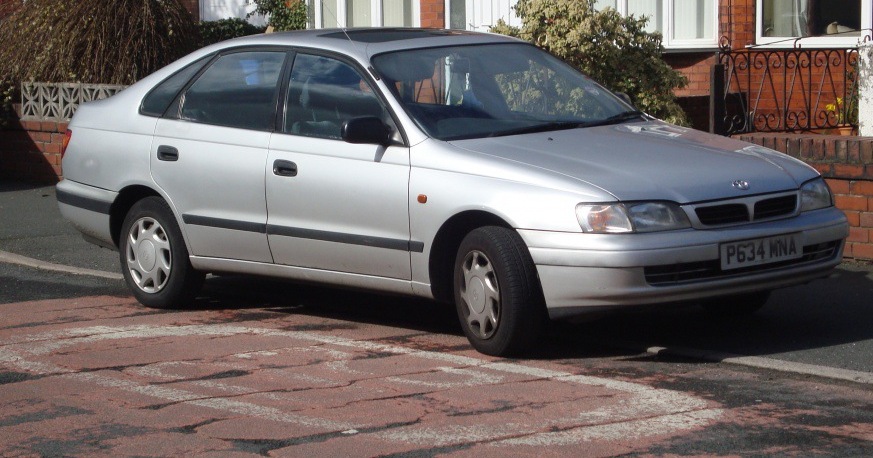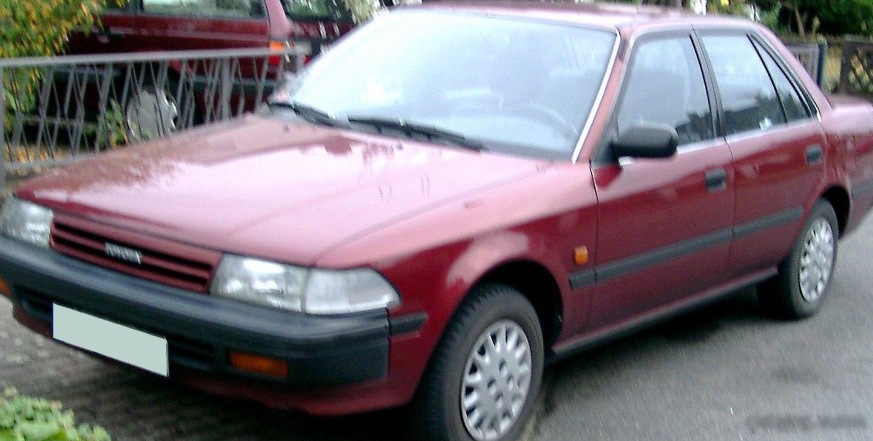
The Toyota Carina (T17), produced between 1987 and 1992, represented a significant step forward for Toyota’s mid-size sedan offering. The AT171 designation specifically denotes the 1.6-liter variant, powered by the 4A-FE engine and typically equipped with an automatic transmission. This model occupied a crucial position within the T17 lineup, serving as a more accessible entry point compared to the higher-specification 2.0-liter and 2.2-liter models. The T17 Carina was primarily aimed at the Japanese domestic market (JDM) and select export markets, offering a blend of comfort, reliability, and reasonable performance. It built upon the success of previous Carina generations, focusing on improved refinement and a more modern aesthetic.
Technical Specifications
| Brand | Toyota |
| Model | Carina |
| Generation | Carina (T17) |
| Type (Engine) | 1.6 (AT171) (102 Hp) |
| Start of production | 1987 |
| End of production | 1992 |
| Powertrain Architecture | Internal Combustion engine |
| Body type | Sedan |
| Seats | 5 |
| Doors | 4 |
| Fuel Type | Petrol (Gasoline) |
| Power | 102 Hp |
| Engine Model/Code | 4A-FE |
| Engine aspiration | Naturally aspirated engine |
| Engine oil capacity | 3.2 l (3.38 US qt | 2.82 UK qt) |
| Coolant capacity | 5.2 l (5.49 US qt | 4.58 UK qt) |
Powertrain & Engine Architecture
The heart of the AT171 Carina is the 4A-FE 1.6-liter inline-four engine. This engine is a member of Toyota’s A-series family, known for its durability and relatively simple design. The 4A-FE features a single overhead camshaft (SOHC) valvetrain with two valves per cylinder. Fuel delivery is managed by a multi-point fuel injection system, contributing to improved fuel efficiency and smoother operation compared to earlier carbureted engines. The engine produces 102 horsepower and approximately 100 lb-ft of torque. The automatic transmission paired with this engine is typically a four-speed unit, designed for comfortable and convenient driving. While not particularly sporty, the transmission provides smooth shifts and adequate performance for everyday use. The 4A-FE engine is known for its reliability and relatively low maintenance requirements, a hallmark of Toyota engineering during this period.
Driving Characteristics
The 1.6-liter Carina Automatic offered a comfortable and predictable driving experience. Acceleration was adequate for typical commuting and highway cruising, but it wasn’t designed for spirited driving. The four-speed automatic transmission, while smooth, did contribute to a slight reduction in responsiveness compared to the available five-speed manual transmission. Gear ratios were optimized for fuel economy and ease of use, rather than outright performance. Compared to the 2.0-liter (3S-FE) and 2.2-liter (5S-FE) Carina models, the 1.6-liter version felt noticeably less powerful, especially when fully loaded with passengers or cargo. However, the lighter engine weight did contribute to slightly improved handling and fuel efficiency. The suspension, tuned for comfort, absorbed bumps and road imperfections well, providing a pleasant ride quality.
Equipment & Trim Levels
The AT171 Carina 1.6 typically came with a reasonable level of standard equipment. Base models generally included features such as power steering, cloth upholstery, an AM/FM radio, and basic instrumentation. Higher trim levels, often denoted by suffixes like “LX” or “G,” added features like power windows, power door locks, upgraded audio systems, and alloy wheels. Interior upholstery was typically a durable cloth material in shades of gray or blue. The dashboard layout was functional and straightforward, with easy-to-read gauges and logically placed controls. Optional extras included air conditioning, a sunroof, and upgraded sound systems. The overall interior ambiance was one of practicality and durability, rather than luxury.
Chassis & Braking
The T17 Carina utilized a front-engine, front-wheel-drive layout. The suspension consisted of MacPherson struts at the front and a torsion beam axle at the rear. This setup provided a good balance between ride comfort and handling. Braking systems varied depending on the trim level. Base models typically featured drum brakes on the rear wheels, while higher-specification models were equipped with disc brakes all around. Front brakes were typically ventilated discs. Steering was rack-and-pinion, providing precise and responsive control. Stabilizer bars were included on both the front and rear axles to reduce body roll during cornering. The chassis was designed to provide a stable and predictable driving experience, prioritizing safety and comfort.
Market Reception & Comparison
The Toyota Carina (T17) 1.6 Automatic was generally well-received in its target markets. Critics praised its reliability, fuel efficiency, and comfortable ride. However, some reviewers noted that the 1.6-liter engine lacked the power and refinement of the larger-displacement engines available in the Carina lineup. Compared to competitors like the Honda Accord and Nissan Bluebird, the Carina offered a similar level of features and performance, with Toyota’s reputation for reliability being a key selling point. Fuel economy was competitive for the time, typically ranging from 28-32 mpg in mixed driving conditions. The automatic transmission, while convenient, did slightly impact fuel economy compared to the manual transmission. Maintenance costs were generally low, thanks to the engine’s robust design and the availability of spare parts.
Legacy
The Toyota Carina (T17) 1.6 Automatic has proven to be a remarkably durable and reliable vehicle. Many examples are still on the road today, a testament to Toyota’s engineering quality. The 4A-FE engine is particularly well-regarded for its longevity and relatively simple maintenance requirements. In the used car market, these Carinas are often sought after by buyers looking for an affordable, dependable, and fuel-efficient sedan. While not a particularly collectible model, the T17 Carina represents a significant chapter in Toyota’s history, showcasing the company’s commitment to building high-quality, long-lasting vehicles. Parts availability remains reasonably good, making it a viable option for those seeking a classic Japanese sedan.