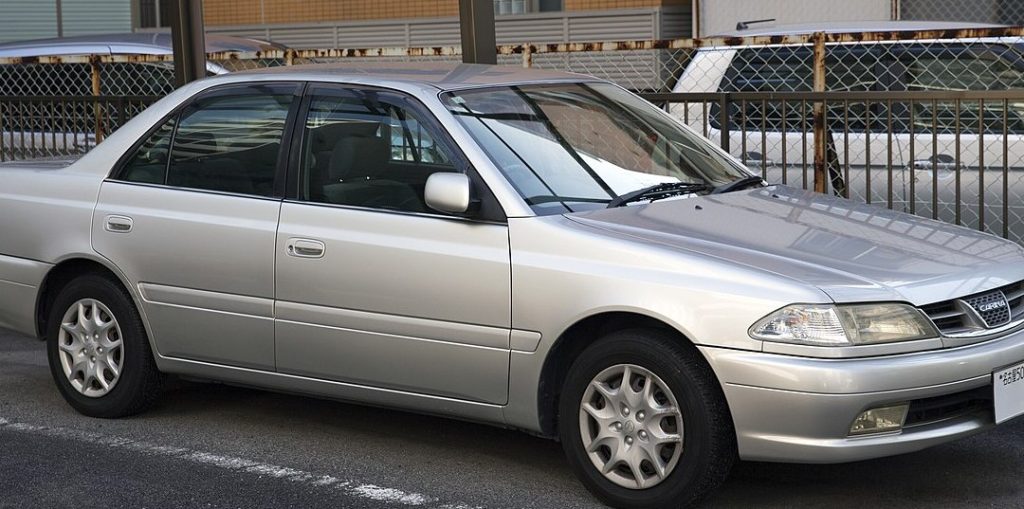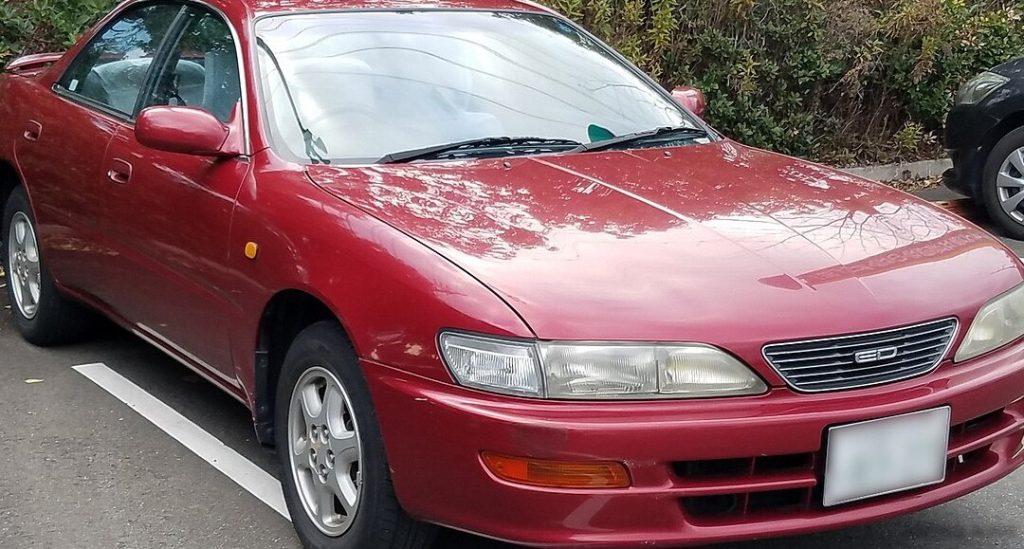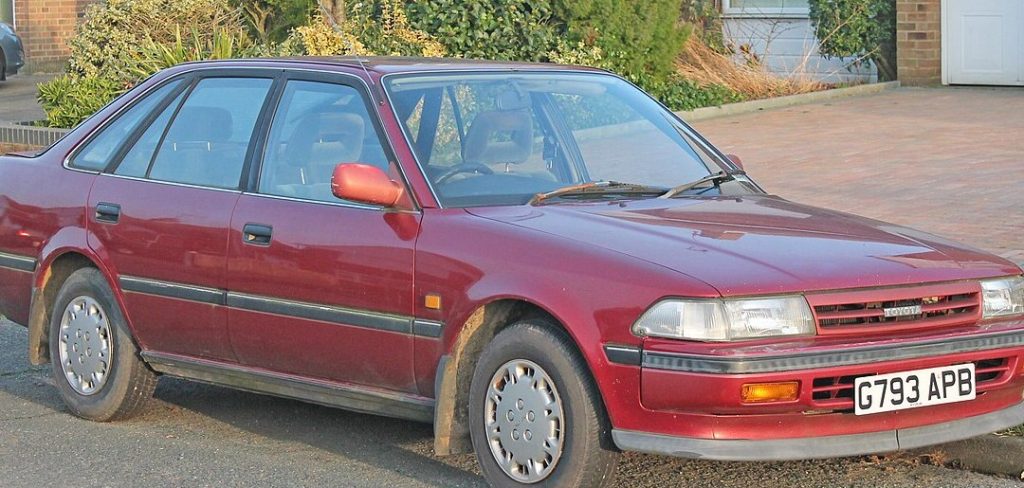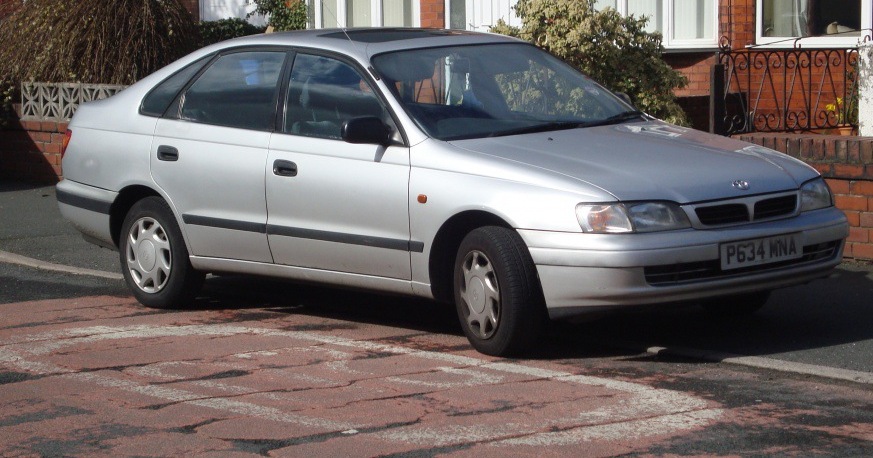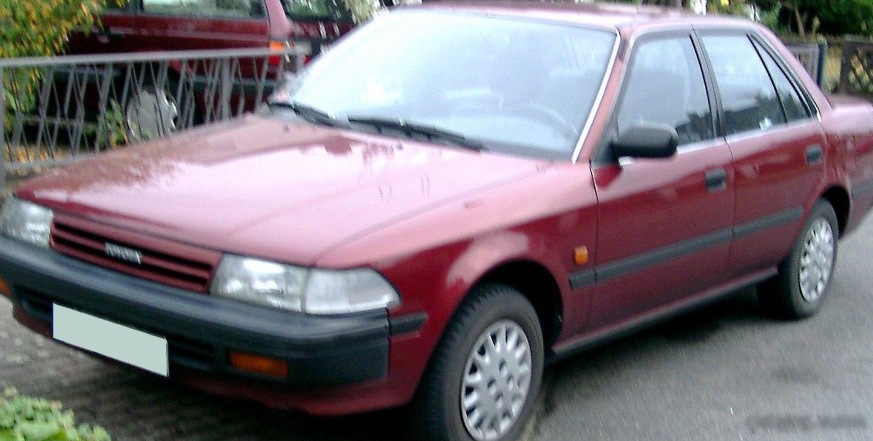
The Toyota Carina (T17), produced between 1987 and 1989, represented a significant step forward for Toyota’s mid-size sedan offering. The AT171 designation specifically denotes the 1.6-liter variant, equipped with a 90 horsepower engine and an automatic transmission. This model occupied a crucial position within the T17 lineup, serving as the entry-level option for buyers seeking a comfortable and reliable family car. It was part of the broader T17 generation, which aimed to provide a more refined and modern alternative to the Cressida, while remaining accessible to a wider customer base. The Carina T17 was primarily marketed in Japan, Australia, and parts of Europe, offering a blend of practicality, fuel efficiency, and Toyota’s renowned build quality.
Technical Specifications
| Brand | Toyota |
| Model | Carina |
| Generation | Carina (T17) |
| Type (Engine) | 1.6 (AT171) (90 Hp) |
| Start of production | 1987 |
| End of production | 1989 |
| Powertrain Architecture | Internal Combustion engine |
| Body type | Sedan |
| Seats | 5 |
| Doors | 4 |
| Fuel Type | Petrol (Gasoline) |
| Power | 90 Hp |
| Engine layout | Front, Transverse |
| Engine Model/Code | 4A-F |
| Engine configuration | Inline |
| Fuel injection system | Multi-port manifold injection |
| Engine aspiration | Naturally aspirated engine |
| Engine oil capacity | 3.2 l (3.38 US qt | 2.82 UK qt) |
| Coolant capacity | 5.2 l (5.49 US qt | 4.58 UK qt) |
Powertrain & Engine Architecture
The heart of the AT171 Carina was the 4A-F engine, a 1.6-liter inline-four cylinder gasoline engine. This engine was a staple in Toyota’s lineup during the late 1980s, known for its reliability and relatively simple design. The 4A-F featured a single overhead camshaft (SOHC) valvetrain with eight valves (two per cylinder). It utilized a multi-port fuel injection system, which improved fuel efficiency and throttle response compared to earlier carburetor-equipped engines. The engine’s block was cast iron, providing durability, while the cylinder head was aluminum, contributing to weight reduction. The 90 horsepower output was achieved at 6,000 rpm, with a torque figure of approximately 103 lb-ft at 4,000 rpm. Paired with the 4A-F was a four-speed automatic transmission. This transmission was designed for smooth and comfortable shifting, prioritizing ease of use over outright performance. It featured electronic control for improved shift quality and efficiency.
Driving Characteristics
The 1.6-liter automatic Carina offered a comfortable, if not particularly sporty, driving experience. The automatic transmission, while smooth, did detract from the engine’s available power. Acceleration was adequate for everyday driving, but overtaking maneuvers required careful planning. The gear ratios were optimized for fuel economy and cruising comfort, rather than rapid acceleration. Compared to the manual transmission versions of the Carina, the automatic model felt noticeably slower. Higher-spec Carinas equipped with larger engines, such as the 1.8 or 2.0-liter variants, offered significantly more performance. The suspension was tuned for a comfortable ride, absorbing bumps and imperfections in the road well. However, this comfort came at the expense of handling precision; the Carina wasn’t designed for spirited cornering.
Equipment & Trim Levels
The AT171 Carina, as the entry-level trim, typically came equipped with a reasonable level of standard features. These included power steering, a basic audio system (often a cassette player), cloth upholstery, and manual windows. Air conditioning was often an optional extra. Interior trim was generally functional and durable, with a focus on practicality rather than luxury. Higher trim levels offered features such as power windows, central locking, upgraded audio systems, and more comfortable seating. The dashboard layout was straightforward and easy to use, with clearly labeled controls. Optional extras included alloy wheels, a sunroof, and upgraded interior trim materials.
Chassis & Braking
The Carina T17 utilized a front-engine, front-wheel-drive layout. The suspension consisted of MacPherson struts at the front and a torsion beam axle at the rear. This setup provided a good balance between ride comfort and handling. Braking on the AT171 typically consisted of disc brakes at the front and drum brakes at the rear. This configuration was common for vehicles in this class during the late 1980s. Power-assisted steering was standard, making maneuvering at low speeds easier. Stabilizer bars were fitted to both the front and rear axles to reduce body roll during cornering, although their effectiveness was limited by the car’s overall weight and suspension setup.
Market Reception & Comparison
The Toyota Carina T17 1.6 Automatic was generally well-received by critics as a practical and reliable family car. It was praised for its fuel efficiency, comfortable ride, and Toyota’s reputation for build quality. However, it was often criticized for its lack of performance, particularly when equipped with the automatic transmission. Compared to other vehicles in its class, such as the Ford Escort or Nissan Sunny, the Carina offered a more refined and comfortable driving experience, but at a slightly higher price point. Fuel economy was a strong point, averaging around 28-32 mpg in mixed driving conditions. Reliability was also excellent, with few reported issues with the engine or transmission.
Legacy
The Toyota Carina T17 1.6 Automatic has proven to be a remarkably durable vehicle. Many examples are still on the road today, testament to Toyota’s engineering and build quality. The 4A-F engine is known for its longevity and relatively low maintenance costs. In the used car market, these Carinas are often sought after by buyers looking for a reliable and affordable classic car. While not a particularly collectible model, they represent a significant piece of Toyota’s history and offer a glimpse into the automotive landscape of the late 1980s. Parts availability is generally good, as many components were shared with other Toyota models of the era. The combination of reliability, affordability, and ease of maintenance ensures that the Carina T17 1.6 Automatic will continue to be a viable transportation option for years to come.