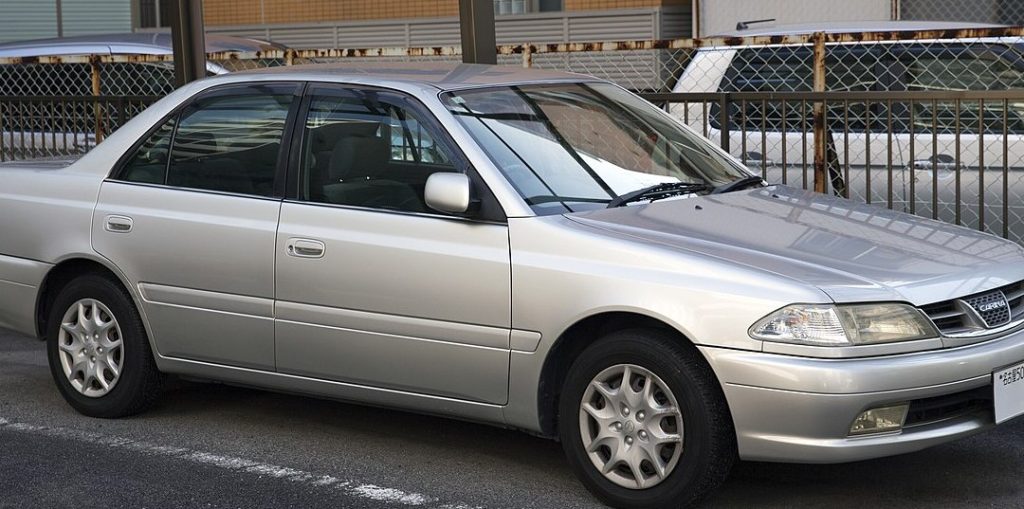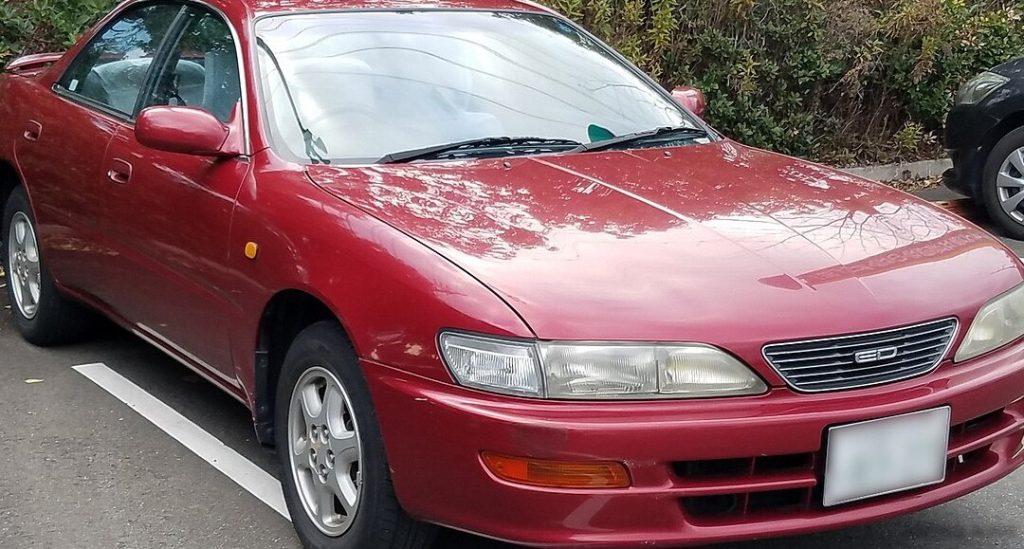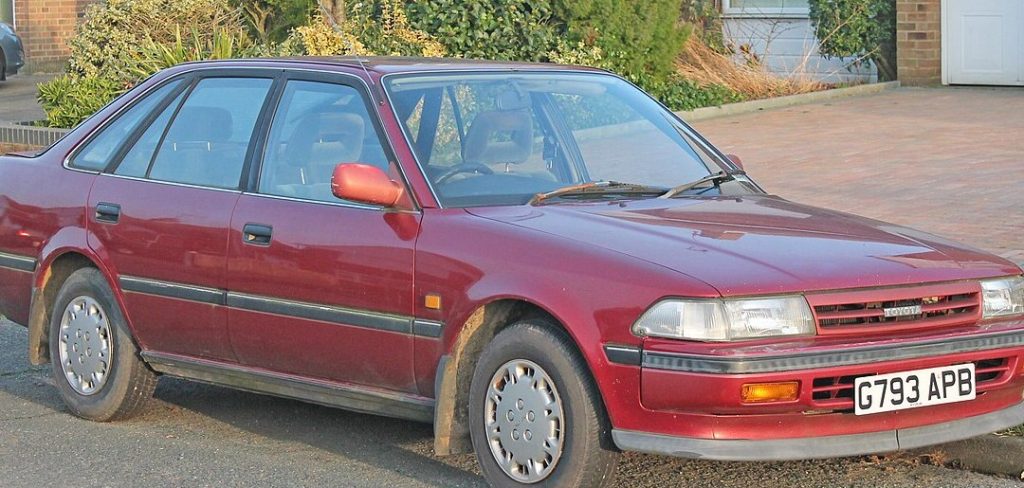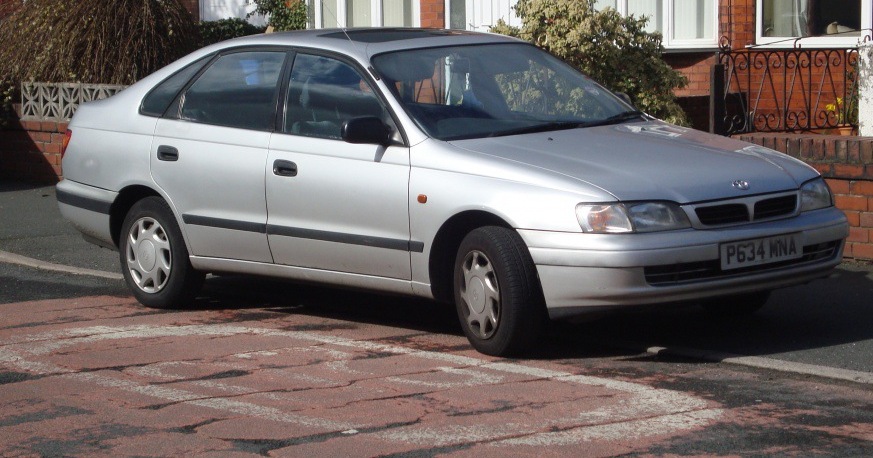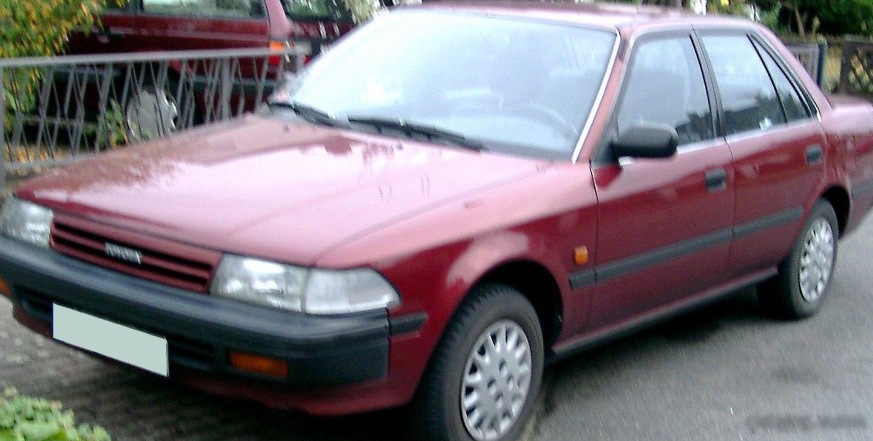
The Toyota Carina (T17), produced between 1988 and 1992, represented a significant evolution in Toyota’s mid-size sedan offerings. Positioned above the Corolla and below the larger Camry, the T17 Carina aimed to provide a comfortable and reliable family vehicle with a touch of sophistication. The 2.0 D variant, powered by the 2C-L diesel engine producing 73 horsepower, was a key offering, particularly in European and Asian markets where diesel engines were favored for their fuel efficiency and durability. This model occupied a specific niche within the T17 lineup, appealing to buyers prioritizing economy and longevity over outright performance. It was often seen as a more practical alternative to the gasoline-powered versions.
Technical Specifications
| Brand | Toyota |
| Model | Carina |
| Generation | Carina (T17) |
| Type (Engine) | 2.0 D (73 Hp) |
| Start of Production | 1988 |
| End of Production | 1992 |
| Powertrain Architecture | Internal Combustion Engine |
| Body Type | Sedan |
| Seats | 5 |
| Doors | 4 |
| Fuel Type | Diesel |
| Power | 73 Hp |
| Engine Model/Code | 2C-L |
| Engine Aspiration | Naturally Aspirated |
| Engine Oil Capacity | 5.3 l (5.6 US qt | 4.66 UK qt) |
| Coolant Capacity | 7.3 l (7.71 US qt | 6.42 UK qt) |
Powertrain & Engine Architecture
The heart of the Carina 2.0 D was the 2C-L diesel engine, a 1998cc inline-four cylinder unit. This engine was part of Toyota’s ‘C’ series of diesel engines, known for their robustness and relatively simple design. The 2C-L featured indirect injection, utilizing a pre-combustion chamber design to improve combustion efficiency and reduce noise – a common characteristic of diesels of that era. It employed a single overhead camshaft (SOHC) valvetrain operating two valves per cylinder. While not a high-performance engine, the 2C-L was designed for reliability and fuel economy. The engine’s relatively low compression ratio (typically around 23:1) contributed to its longevity. The Carina 2.0 D was typically paired with a four-speed automatic transmission, although a five-speed manual was also available in some markets. The automatic transmission was a conventional hydraulic control unit, prioritizing smooth shifts over sporty responsiveness.
Driving Characteristics
The 2.0 D automatic Carina offered a decidedly relaxed driving experience. With only 73 horsepower on tap, acceleration was modest, and overtaking required careful planning. The four-speed automatic transmission, while smooth, didn’t offer particularly quick gear changes, and the relatively tall gear ratios were geared towards maximizing fuel efficiency rather than performance. The engine produced a respectable 127 lb-ft of torque, which provided adequate pulling power for everyday driving and cruising on highways. Compared to the gasoline-powered Carina variants (particularly the 1.6L and 2.0L models), the diesel version felt significantly slower. However, the diesel’s superior torque delivery made it more capable of handling loads and driving in hilly terrain. The manual transmission version, while offering more driver control, still couldn’t overcome the inherent limitations of the engine’s power output.
Equipment & Trim Levels
The Carina 2.0 D typically came with a reasonable level of standard equipment, reflecting its positioning as a mid-range family sedan. Standard features generally included power steering, central locking, and electric windows. Interior upholstery was typically cloth, with a relatively simple dashboard layout. Higher trim levels, often denoted by suffixes like ‘DX’ or ‘LX’, added features such as alloy wheels, a more sophisticated audio system, and upgraded interior trim. Optional extras could include air conditioning, a sunroof, and power mirrors. The overall interior design was functional and durable, prioritizing practicality over luxury. The instrument cluster featured a speedometer, tachometer, fuel gauge, and temperature gauge, along with warning lights for essential vehicle systems.
Chassis & Braking
The T17 Carina utilized a conventional front-engine, front-wheel-drive layout. The suspension consisted of MacPherson struts at the front and a torsion beam axle at the rear. This setup provided a comfortable ride quality, although it wasn’t particularly sporty. The 2.0 D variant, being a diesel, was slightly heavier than its gasoline counterparts, which necessitated a slightly firmer suspension tuning to maintain stability. Braking was typically accomplished with disc brakes at the front and drum brakes at the rear. The braking system was adequate for normal driving conditions, but lacked the stopping power of more modern vehicles. Anti-lock brakes (ABS) were available as an option on some trim levels, enhancing safety in emergency braking situations. Stabilizer bars were fitted to both the front and rear axles to reduce body roll during cornering.
Market Reception & Comparison
The Carina 2.0 D was well-received in markets where diesel engines were popular, such as Europe and parts of Asia. Critics praised its fuel efficiency, reliability, and comfortable ride. However, the engine’s lack of power was a common criticism. Compared to the gasoline-powered Carina variants, the 2.0 D offered significantly better fuel economy – typically around 45-50 mpg – but at the expense of performance. The 1.6L gasoline engine offered a more lively driving experience, while the 2.0L gasoline engine provided a better balance of performance and economy. The 2.0 D was often seen as a more sensible choice for high-mileage drivers and those prioritizing long-term reliability over outright speed. Its simplicity also meant lower maintenance costs compared to the more complex gasoline engines.
Legacy
The Toyota Carina T17 2.0 D has proven to be a remarkably durable vehicle. The 2C-L diesel engine, when properly maintained, is capable of exceeding 200,000 miles (320,000 kilometers) without major issues. Today, these cars are relatively rare, but those that remain are often well-maintained and sought after by enthusiasts who appreciate their simplicity and reliability. Parts availability can be a challenge, but many components are still available through specialist suppliers or can be sourced from other Toyota models that used the same engine and components. The Carina 2.0 D represents a bygone era of automotive engineering, where durability and fuel efficiency were prioritized over performance and technological sophistication. It remains a testament to Toyota’s commitment to building reliable and long-lasting vehicles.