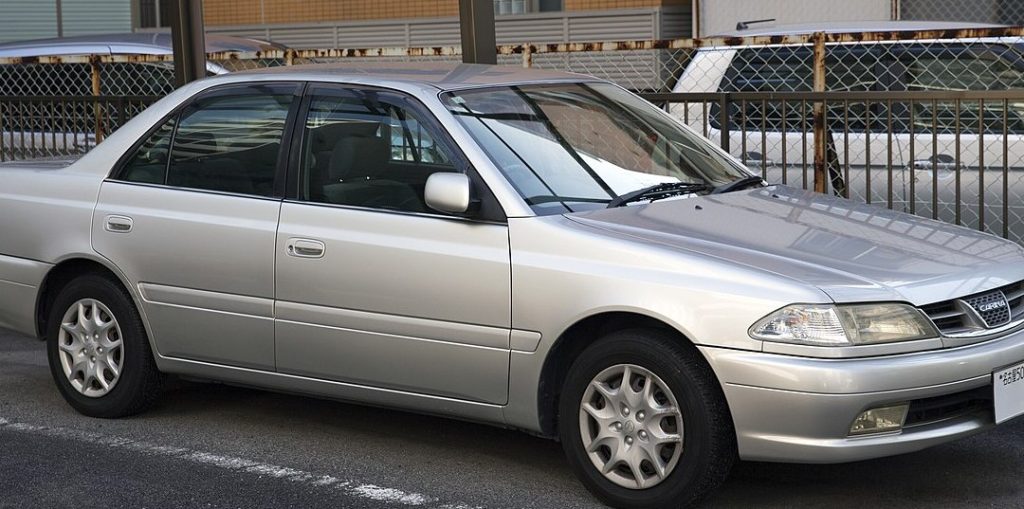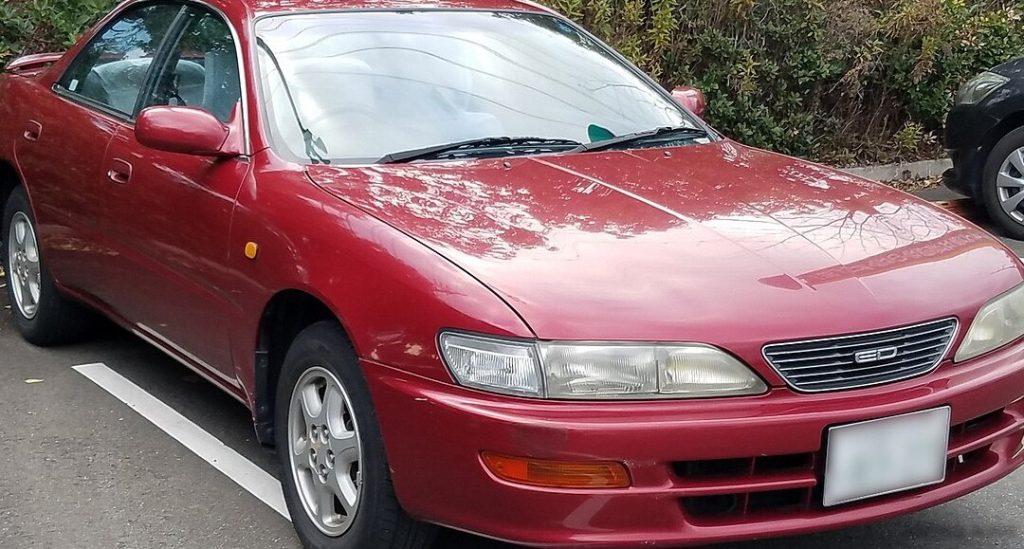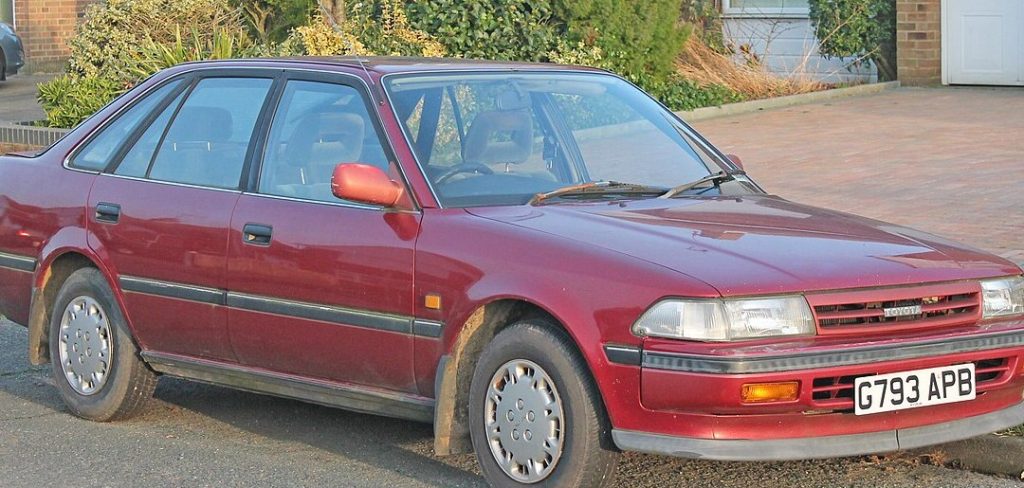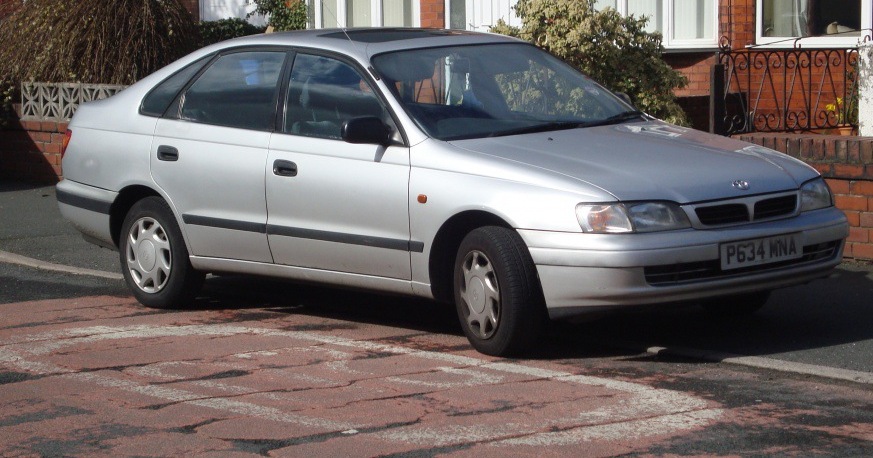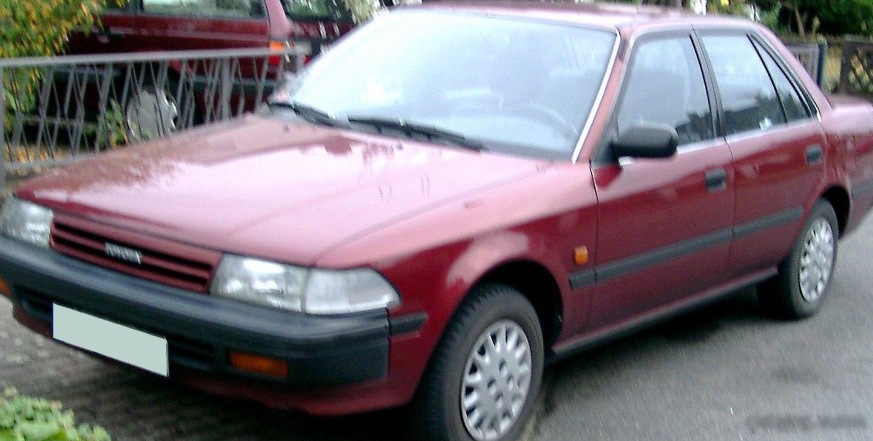
The Toyota Carina (T17), produced between 1987 and 1992, represented a significant step forward for Toyota’s mid-size sedan offering. The T17 generation, specifically the 2.0 GLI (ST171) variant with its 3S-FE engine producing 121 horsepower, occupied a sweet spot in the lineup, offering a balance of performance, comfort, and features aimed at the family car market. Positioned above the base models but below the more luxurious trims, the 2.0 GLI was a popular choice for buyers seeking a reliable and reasonably well-equipped sedan. It was primarily sold in Japan, Australia, and parts of Europe, competing with vehicles like the Ford Mondeo, Opel Vectra, and Nissan Bluebird.
Technical Specifications
| Brand | Toyota |
| Model | Carina |
| Generation | Carina (T17) |
| Type (Engine) | 2.0 GLI (ST171) (121 Hp) |
| Start of production | 1987 |
| End of production | 1992 |
| Powertrain Architecture | Internal Combustion engine |
| Body type | Sedan |
| Seats | 5 |
| Doors | 4 |
| Fuel Type | Petrol (Gasoline) |
| Power | 121 Hp |
| Engine Model/Code | 3S-FE |
| Engine aspiration | Naturally aspirated engine |
| Engine oil capacity | 4.1 l (4.33 US qt | 3.61 UK qt) |
| Coolant capacity | 6.5 l (6.87 US qt | 5.72 UK qt) |
Powertrain & Engine Architecture
The heart of the Carina 2.0 GLI (ST171) was the 3S-FE 2.0-liter inline-four cylinder engine. This engine was a key component of Toyota’s ‘S’ series, known for its reliability and relatively smooth operation. The 3S-FE featured a cast iron block with an aluminum cylinder head, utilizing a single overhead camshaft (SOHC) design with two valves per cylinder. Fuel delivery was managed by Toyota’s electronically controlled fuel injection system, contributing to improved fuel efficiency and reduced emissions compared to earlier carbureted engines. The engine produced 121 horsepower at 5,600 rpm and 130 lb-ft of torque at 3,600 rpm. The engine was known for its durability and relatively simple maintenance requirements. The transmission paired with the 3S-FE in the 2.0 GLI was typically a four-speed automatic, designed for smooth and comfortable shifting. While a five-speed manual transmission was available on some Carina models, the automatic was the more common choice for this trim level, catering to buyers prioritizing ease of use.
Driving Characteristics
The Carina 2.0 GLI (ST171) with the automatic transmission offered a comfortable and predictable driving experience. Acceleration was adequate for everyday driving, with the 121 horsepower engine providing sufficient power for highway merging and overtaking. However, it wasn’t a particularly sporty vehicle; the automatic transmission, while smooth, did sap some of the engine’s potential. Compared to the five-speed manual versions, the automatic felt noticeably slower, particularly during acceleration. The gear ratios were tuned for fuel economy and comfort rather than outright performance. The steering was light and precise, making it easy to maneuver in urban environments. The suspension, tuned for ride comfort, absorbed bumps and imperfections in the road well, providing a stable and composed ride. It wasn’t designed for aggressive cornering, but it offered a secure and predictable feel within its limits.
Equipment & Trim Levels
The 2.0 GLI trim level offered a good level of standard equipment for its time. Typically, it included features such as power windows, power steering, central locking, and an AM/FM stereo. Upholstery was usually cloth, available in a range of colors, with a focus on durability and comfort. The dashboard layout was functional and straightforward, with easy-to-read gauges and logically placed controls. Optional extras available for the 2.0 GLI included air conditioning, a sunroof, and upgraded audio systems. Higher trim levels, such as the GXi, added features like alloy wheels, a more sophisticated audio system, and upgraded interior trim.
Chassis & Braking
The Carina T17 utilized a front-engine, front-wheel-drive layout. The suspension consisted of MacPherson struts at the front and a semi-independent torsion beam at the rear. This setup provided a good balance of ride comfort and handling. Braking on the 2.0 GLI typically consisted of disc brakes at the front and drum brakes at the rear. While adequate for normal driving conditions, the rear drum brakes were a point of criticism compared to the all-disc setups found on some competing models. The braking system was not particularly powerful, and fade could occur under heavy or repeated use. Stabilizer bars were fitted to both the front and rear axles to reduce body roll during cornering.
Market Reception & Comparison
The Toyota Carina 2.0 GLI (ST171) was generally well-received by automotive critics. It was praised for its reliability, comfortable ride, and fuel efficiency. However, some critics noted that its styling was somewhat conservative and that its performance was not particularly exciting. Compared to other trims in the Carina lineup, the 2.0 GLI offered a good balance of features and price. The 1.6-liter models were more affordable but lacked the power of the 2.0-liter engine. The higher-spec GXi models offered more luxury and performance but came at a higher cost. In terms of fuel economy, the 2.0 GLI achieved around 25-30 mpg in mixed driving conditions, which was competitive for its class at the time. Reliability was a major strength, with the 3S-FE engine proving to be exceptionally durable.
Legacy
The Toyota Carina T17, and specifically the 2.0 GLI (ST171) variant, has developed a reputation for long-term reliability. Many examples are still on the road today, a testament to Toyota’s engineering and build quality. The 3S-FE engine is known for its ability to withstand high mileage with proper maintenance. In the used car market, the Carina T17 is often sought after by buyers looking for an affordable and dependable sedan. Parts availability can be a challenge in some regions, but many components are still available through aftermarket suppliers. While it may not be a collector’s item, the Carina T17 remains a respected and appreciated vehicle among enthusiasts and those seeking a practical and reliable mode of transportation.