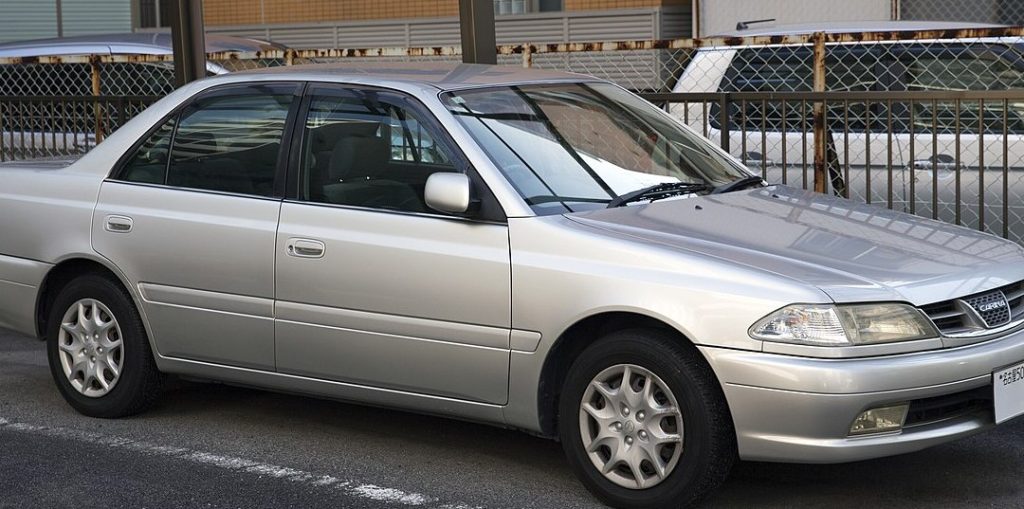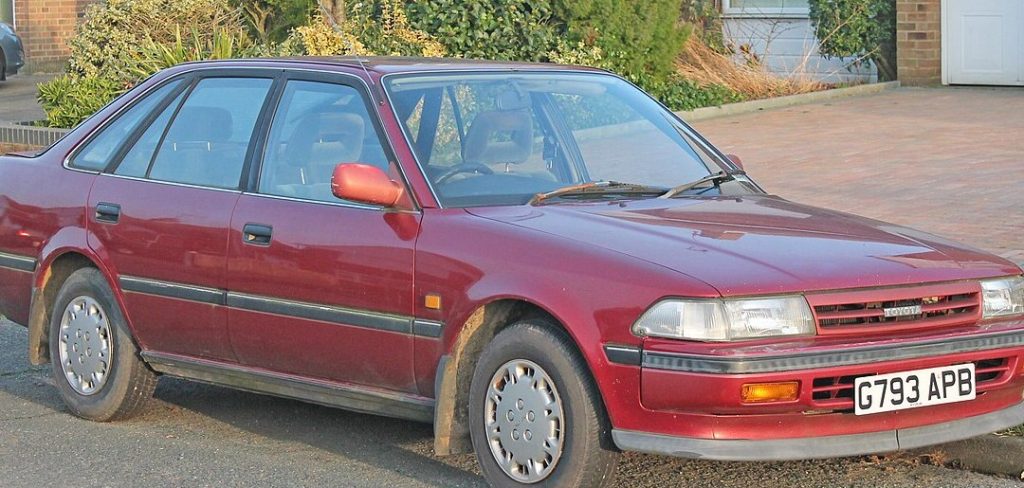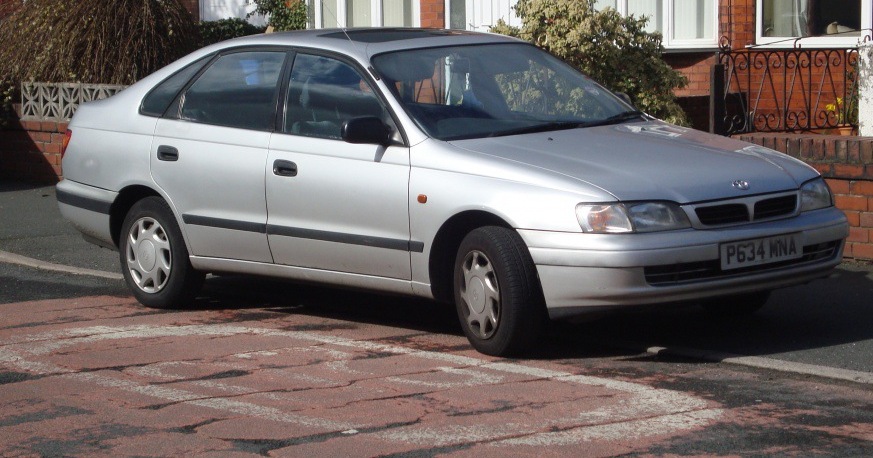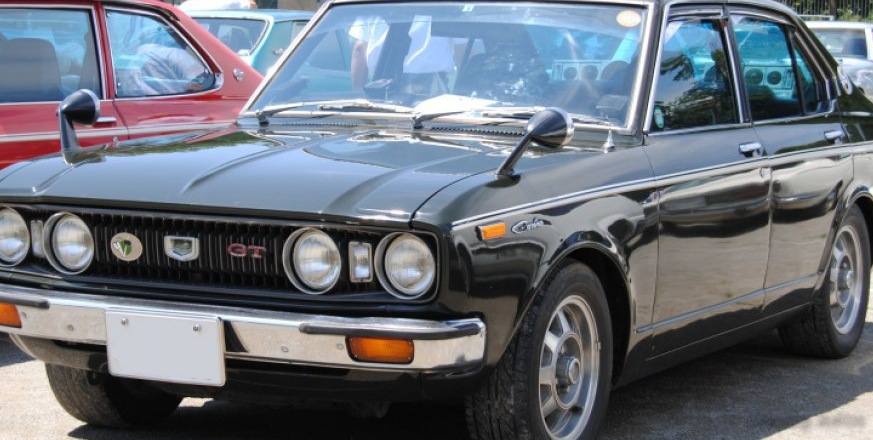
The Toyota Carina TA12, equipped with the 1.6-liter 2T engine producing 79 horsepower, represents an important entry point into the first generation of Toyota’s Carina line. Produced between 1974 and 1977, the TA1 series was Toyota’s attempt to move upmarket from the Corolla, offering a larger, more comfortable, and refined vehicle aimed at a growing middle-class market, primarily in Japan and Australia. The TA12 specifically, with its 1.6-liter engine, served as a core model within the range, balancing affordability with acceptable performance for everyday driving. It was positioned as a practical and reliable family sedan.
Technical Specifications
| Brand | Toyota |
| Model | Carina |
| Generation | Carina (TA1) |
| Type (Engine) | 1.6 (TA12) (79 Hp) |
| Start of production | 1974 |
| End of production | 1977 |
| Powertrain Architecture | Internal Combustion engine |
| Body type | Sedan |
| Seats | 5 |
| Doors | 4 |
| Fuel Type | Petrol (Gasoline) |
| Power | 79 Hp |
| Engine Model/Code | 2T |
| Engine aspiration | Naturally aspirated engine |
| Engine oil capacity | 3.7 l (3.91 US qt | 3.26 UK qt) |
| Coolant capacity | 7.6 l (8.03 US qt | 6.69 UK qt) |
Powertrain & Engine Architecture
The heart of the Carina TA12 was the 2T engine, a 1.6-liter (1588 cc) inline-four cylinder gasoline engine. This engine was a relatively simple design, featuring a single overhead camshaft (SOHC) and a two-barrel carburetor. The 2T engine was known for its durability and ease of maintenance, characteristics highly valued by Toyota at the time. It produced 79 horsepower at 6,000 rpm and approximately 99 lb-ft of torque at 3,600 rpm. The engine utilized a cast iron block and cylinder head, contributing to its robustness. The fuel system was a conventional carburetor setup, typical for the mid-1970s. While not particularly powerful by modern standards, the 2T provided adequate performance for the Carina’s intended purpose. The transmission offered with the TA12 1.6 was typically a four-speed manual, but a three-speed automatic transmission was also available, though less common. The automatic transmission was a traditional hydraulic unit, offering smooth but not particularly quick shifts.
Driving Characteristics
The Carina TA12 1.6, particularly when equipped with the automatic transmission, offered a comfortable and relaxed driving experience. Acceleration was modest, with a 0-60 mph time estimated to be around 14-16 seconds. The automatic transmission’s gear ratios were geared towards fuel economy and smooth cruising rather than spirited performance. The manual transmission version offered slightly quicker acceleration and more driver engagement. Handling was typical for a sedan of its era – soft and comfortable, prioritizing ride quality over sharp cornering. The steering was not power-assisted in most models, requiring a reasonable amount of effort at low speeds. Compared to other Carina variants, such as those equipped with larger engines (though larger engines weren’t common in the TA1 generation), the 1.6-liter version felt noticeably less powerful, especially when fully loaded with passengers and luggage. However, it offered a better fuel economy and lower running costs.
Equipment & Trim Levels
The Carina TA12 1.6 was generally equipped with basic but functional features. Standard equipment typically included cloth upholstery, a basic AM radio, and simple instrumentation consisting of a speedometer, fuel gauge, and temperature gauge. Trim levels were relatively limited. The base model offered minimal frills, while higher trims (often denoted by different model codes within the TA1 range) might include features like a vinyl roof, upgraded interior trim, and a more comprehensive instrument cluster. Optional extras included a factory-installed air conditioning system, which was a relatively rare option at the time, and upgraded audio systems. The interior design was functional and straightforward, with a focus on durability rather than luxury.
Chassis & Braking
The Carina TA12 featured a conventional body-on-frame construction, which was common for sedans of that era. The suspension consisted of independent front suspension with coil springs and a solid rear axle with leaf springs. This setup provided a comfortable ride but wasn’t particularly sophisticated in terms of handling. Braking was typically accomplished with drum brakes on all four wheels, although some higher-spec models may have featured front disc brakes. The braking system was adequate for normal driving conditions but lacked the stopping power of more modern systems. Stabilizer bars were not standard equipment on all models, and their presence varied depending on the trim level.
Market Reception & Comparison
The Toyota Carina TA12 1.6 was generally well-received in its target markets. Critics praised its reliability, fuel efficiency, and comfortable ride. However, it was often criticized for its lack of power and somewhat bland styling. Compared to its main competitors, such as the Nissan Bluebird and the Mazda 929, the Carina offered a good balance of features and price. The 1.6-liter engine provided reasonable fuel economy, making it an attractive option for budget-conscious buyers. The automatic transmission, while convenient, was often seen as detracting from the car’s performance. The manual transmission version was favored by drivers who prioritized responsiveness and fuel efficiency. Reliability was a key selling point, and the Carina quickly gained a reputation for being a dependable and long-lasting vehicle.
Legacy
The Toyota Carina TA12 1.6, while not a particularly groundbreaking vehicle, played a significant role in establishing Toyota as a major player in the mid-size sedan market. The 2T engine proved to be remarkably durable, and many examples are still on the road today, albeit often in restored condition. In the used car market, the TA12 1.6 is considered a classic by enthusiasts, particularly those interested in vintage Japanese automobiles. Parts availability can be challenging, but a dedicated community of owners and restorers exists to support the preservation of these vehicles. The Carina’s legacy lies in its reliability, affordability, and its contribution to Toyota’s reputation for building high-quality, long-lasting cars. It represents a pivotal moment in Toyota’s history, marking its transition from a primarily domestic manufacturer to a global automotive force.