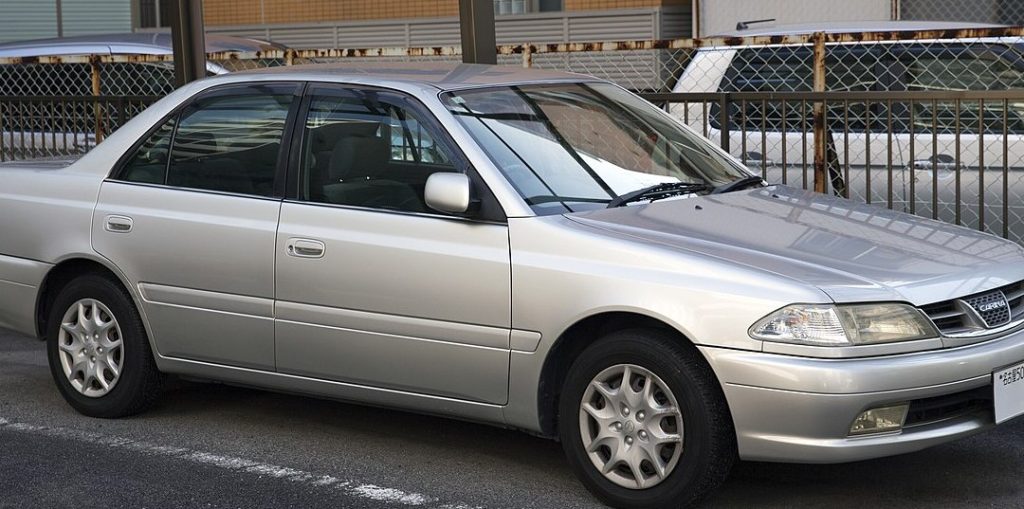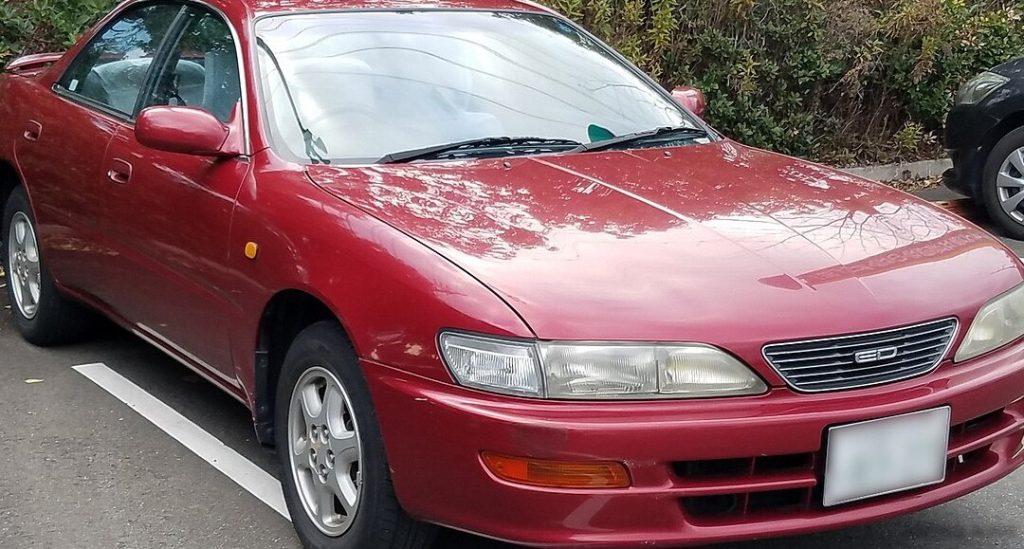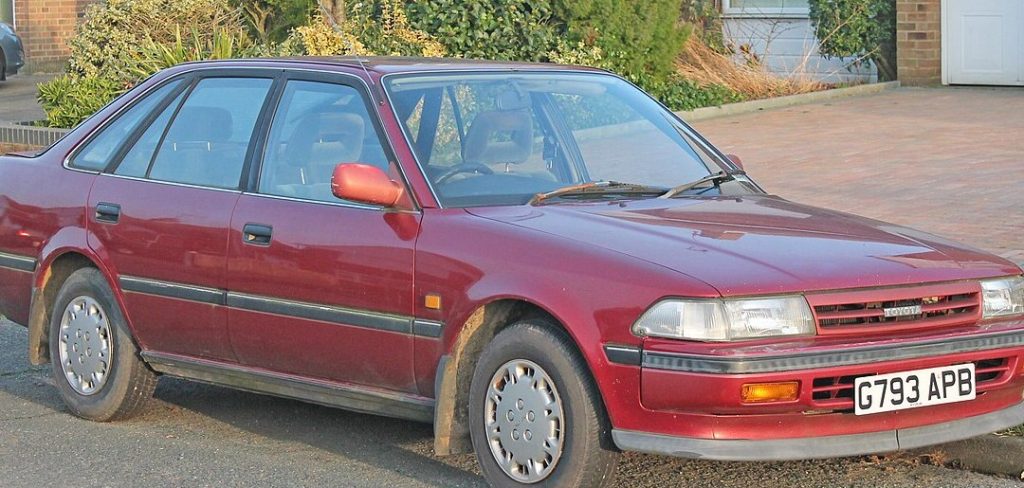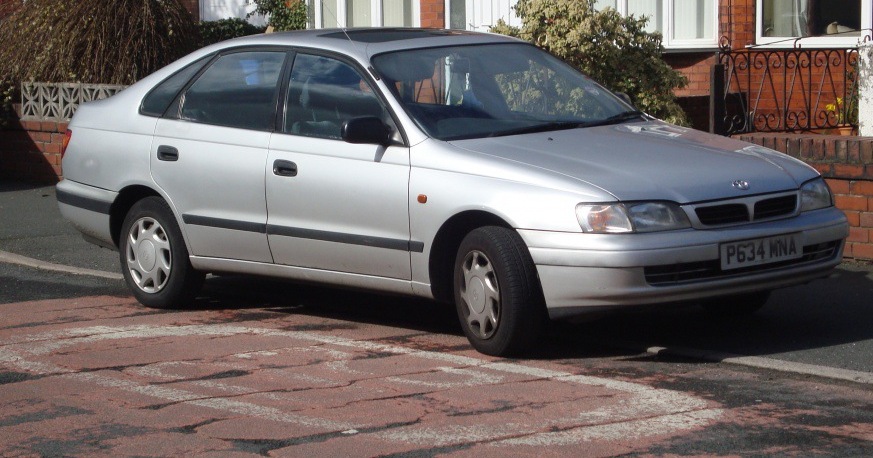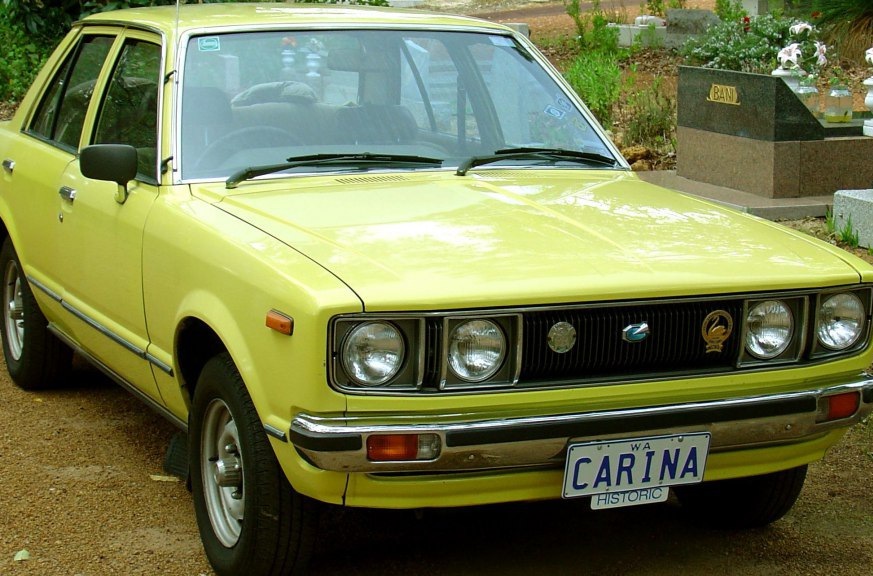
The Toyota Carina, specifically the TA4L variant powered by the 1.6-liter 2T engine producing 75 horsepower, was a compact sedan produced between 1978 and 1982. This model represented a significant step for Toyota, aiming to provide a comfortable and reliable family car in a growing market segment. The TA4L, along with the closely related TA6L, formed the core of the second-generation Carina lineup, positioned as a more affordable and practical alternative to larger sedans like the Toyota Corona. It was primarily sold in Japan, Australia, and select European markets, offering a blend of fuel efficiency and dependability that resonated with buyers seeking a sensible transportation solution.
Technical Specifications
| Brand | Toyota |
| Model | Carina |
| Generation | Carina (TA4L, TA6L) |
| Type (Engine) | 1.6 (TA4L) (75 Hp) |
| Start of Production | 1978 |
| End of Production | 1982 |
| Powertrain Architecture | Internal Combustion Engine |
| Body Type | Sedan |
| Seats | 5 |
| Doors | 4 |
| Fuel Type | Petrol (Gasoline) |
| Power | 75 Hp |
| Engine Model/Code | 2T |
| Engine Aspiration | Naturally Aspirated |
| Engine Oil Capacity | 4.2 l (4.44 US qt | 3.7 UK qt) |
| Coolant Capacity | 7.9 l (8.35 US qt | 6.95 UK qt) |
Powertrain & Engine Architecture
The heart of the TA4L Carina was the 2T engine, a 1.6-liter inline-four cylinder gasoline engine. This engine was a relatively simple design, utilizing a single overhead camshaft (SOHC) valvetrain and a two-barrel carburetor for fuel delivery. The 2T engine was known for its durability and ease of maintenance, characteristics highly valued in the target markets. While not a powerhouse, the 75 horsepower output was considered adequate for the Carina’s weight and intended use. The engine featured a cast iron block and aluminum cylinder head, a common configuration for the era. The transmission offered was typically a three- or four-speed automatic, although a five-speed manual transmission was also available. The automatic transmission, while providing convenience, did impact acceleration and fuel economy compared to the manual option. The 2T engine’s design prioritized reliability over outright performance, making it a workhorse for everyday driving.
Driving Characteristics
The 1.6-liter, 75 hp Carina TA4L with an automatic transmission offered a comfortable, if not particularly exciting, driving experience. Acceleration was modest, with 0-60 mph times estimated to be around 14-16 seconds. The automatic transmission featured relatively widely spaced gear ratios, prioritizing fuel efficiency over quick shifts. In real-world conditions, the car felt most at home cruising at highway speeds, where the engine operated smoothly and quietly. Compared to the manual transmission version, the automatic noticeably reduced responsiveness, especially when overtaking. The suspension, while tuned for comfort, provided adequate handling for typical driving situations. The car wasn’t designed for spirited driving, but it offered a stable and predictable ride.
Equipment & Trim Levels
The TA4L Carina was generally offered in a single, fairly well-equipped trim level. Standard features typically included cloth upholstery, a basic AM/FM radio, and manual windows and locks. Optional extras included a more advanced radio with cassette player, air conditioning, and upgraded interior trim. The interior design was functional and straightforward, prioritizing practicality over luxury. Dashboard layout was simple and easy to understand, with clearly marked gauges and controls. The Carina aimed to provide a comfortable and convenient interior without excessive frills. Exterior features generally included basic chrome trim and steel wheels with hubcaps. Higher trim levels, available in some markets, might have included features like upgraded wheels and additional exterior brightwork.
Chassis & Braking
The Carina TA4L utilized a conventional body-on-frame construction, which was common for sedans of that era. The suspension consisted of independent front suspension with MacPherson struts and a live rear axle with leaf springs. This setup provided a comfortable ride, but wasn’t particularly sporty. Braking was typically accomplished with front disc brakes and rear drum brakes. The braking system was adequate for normal driving conditions, but lacked the stopping power of more modern systems. Steering was typically unassisted, requiring a bit more effort at low speeds. The chassis was designed to provide a balance of comfort, durability, and affordability. Stabilizer bars were not standard equipment on all models, and their presence could affect handling characteristics.
Market Reception & Comparison
The Toyota Carina TA4L was generally well-received by critics and consumers alike. It was praised for its reliability, fuel efficiency, and comfortable ride. However, its performance was often criticized as being somewhat lackluster, especially when equipped with the automatic transmission. Compared to other cars in its class, such as the Nissan Sunny and the Honda Accord, the Carina offered a competitive package, particularly in terms of build quality and long-term dependability. The 1.6-liter engine provided reasonable fuel economy, making it an attractive option for budget-conscious buyers. The automatic transmission, while convenient, did detract from the overall driving experience compared to the manual version. The Carina’s reputation for reliability helped it maintain strong resale values.
Legacy
The Toyota Carina TA4L, and the 2T engine it featured, has proven to be remarkably durable over the years. Many examples are still on the road today, a testament to Toyota’s engineering and build quality. The 2T engine is known for its longevity and relatively simple maintenance requirements. In the used car market, the TA4L Carina is often sought after by enthusiasts looking for a classic Japanese sedan that is both reliable and affordable. Parts availability can be a challenge, but many components are still available through aftermarket suppliers. The Carina TA4L represents a significant chapter in Toyota’s history, demonstrating the company’s commitment to producing high-quality, dependable vehicles. While not a performance icon, it remains a fondly remembered and respected car among those who appreciate classic Japanese automobiles.