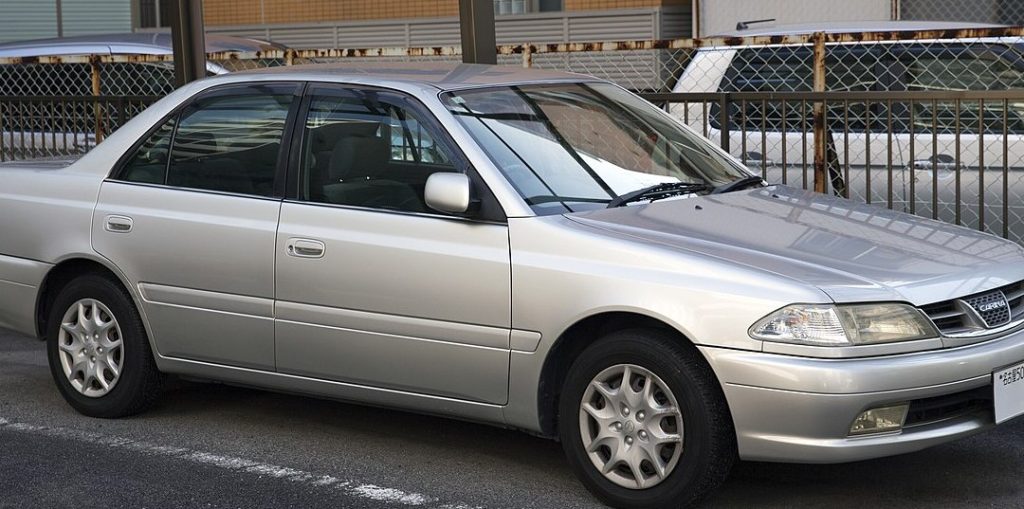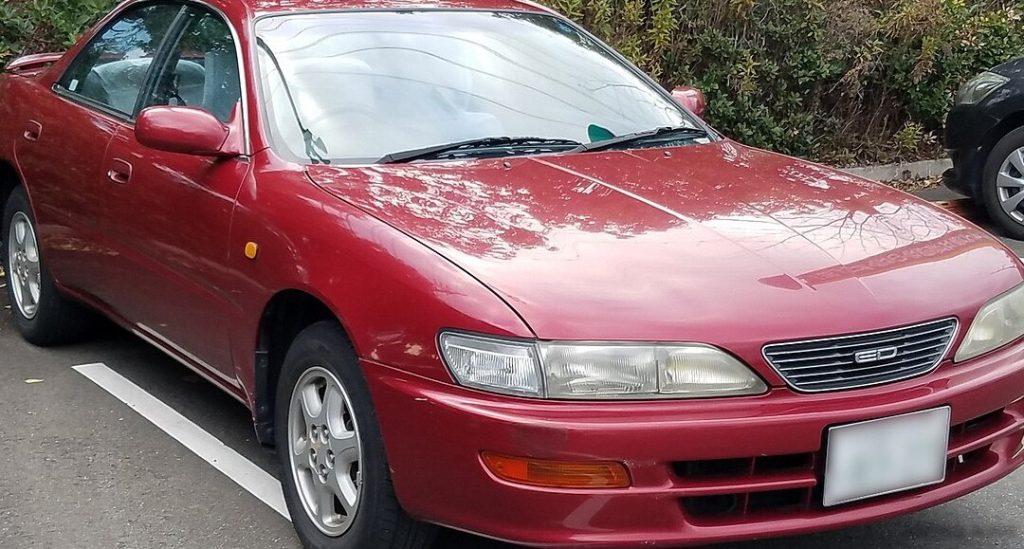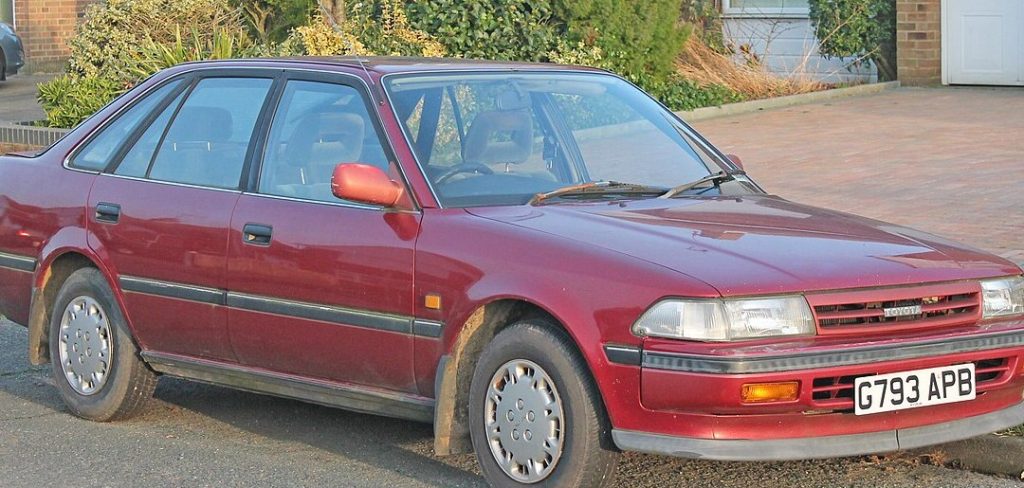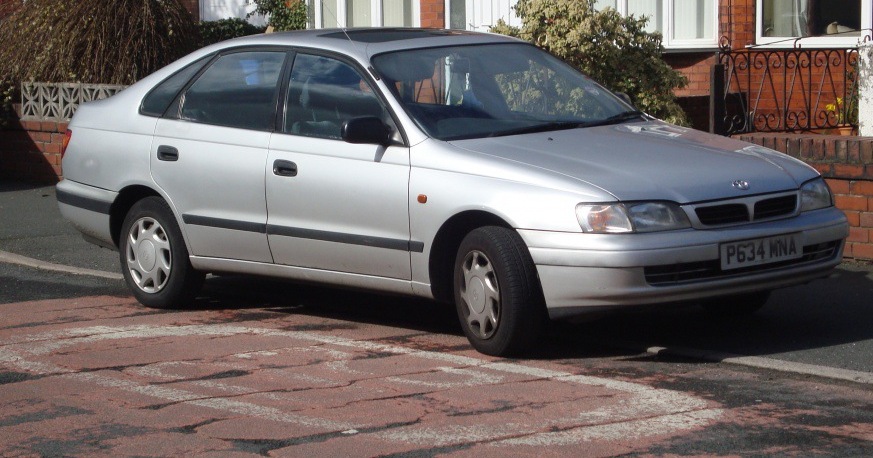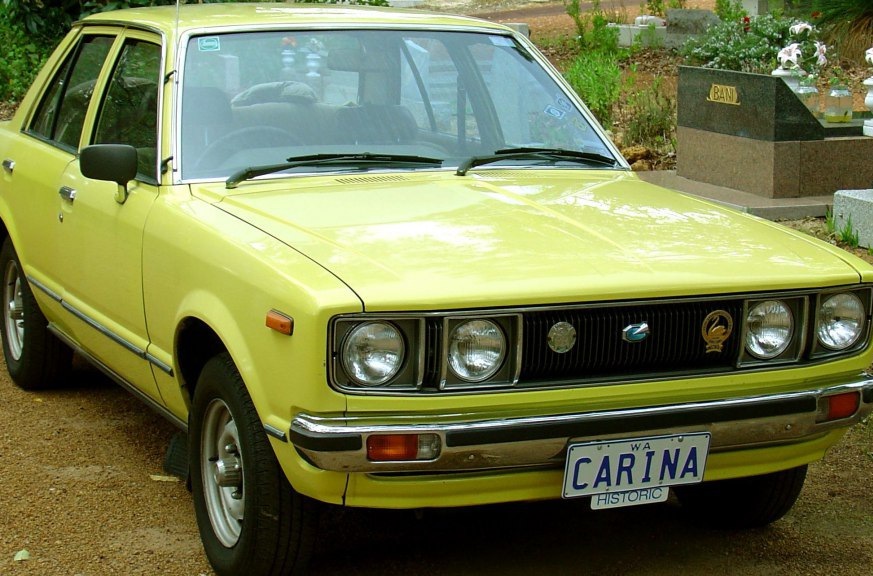
The Toyota Carina, specifically the TA60L variant powered by the 1.6-liter 2T engine producing 75 horsepower, was a mid-size sedan produced between 1982 and 1984. This generation (TA4L, TA6L) represented Toyota’s attempt to offer a comfortable and reliable family car, positioned between the smaller Corolla and the larger, more luxurious Corona. The TA60L, with its 1.6L engine, served as a core model within the Carina lineup, aimed at buyers prioritizing fuel efficiency and affordability over outright performance. It was a popular choice in markets where Toyota was establishing its reputation for quality and dependability, particularly in Asia, Australia, and parts of Europe.
Technical Specifications
| Brand | Toyota |
| Model | Carina |
| Generation | Carina (TA4L, TA6L) |
| Type (Engine) | 1.6 (TA60L) (75 Hp) |
| Start of production | 1982 |
| End of production | 1984 |
| Powertrain Architecture | Internal Combustion engine |
| Body type | Sedan |
| Seats | 5 |
| Doors | 4 |
| Fuel Type | Petrol (Gasoline) |
| Power | 75 Hp |
| Engine Model/Code | 2T |
| Engine aspiration | Naturally aspirated engine |
| Engine oil capacity | 3.8 l (4.02 US qt | 3.34 UK qt) |
| Coolant capacity | 7.5 l (7.93 US qt | 6.6 UK qt) |
Powertrain & Engine Architecture
The heart of the TA60L Carina was the 2T engine, a 1.6-liter inline-four cylinder gasoline engine. This engine was a relatively simple design, featuring a single overhead camshaft (SOHC) and two valves per cylinder. It utilized a carburetor for fuel delivery, a common practice for vehicles of this era, prioritizing simplicity and cost-effectiveness over the more complex fuel injection systems. The 2T engine was known for its durability and ease of maintenance, although its power output was modest at 75 horsepower. The engine’s block was cast iron, contributing to its robustness, while the cylinder head was aluminum, helping to reduce weight. The transmission paired with the 2T engine in the TA60L was typically a three- or four-speed automatic, designed for smooth and comfortable operation. Manual transmission options were also available in some markets, but the automatic was a popular choice for family buyers.
Driving Characteristics
The 1.6-liter, 75 hp engine in the TA60L Carina delivered adequate, but not exhilarating, performance. Acceleration was leisurely, and the car was best suited for relaxed cruising rather than spirited driving. The automatic transmission, while providing convenience, further dampened performance, with noticeable delays in downshifting. Gear ratios were optimized for fuel economy, prioritizing efficiency over quick acceleration. Compared to other Carina variants equipped with larger engines (such as the 1.8 or 2.0-liter options), the TA60L felt noticeably slower. However, the trade-off was improved fuel consumption, making it an attractive option for drivers covering long distances or those sensitive to fuel costs. The suspension was tuned for comfort, providing a relatively smooth ride, although it could feel somewhat soft and wallowy during cornering.
Equipment & Trim Levels
The TA60L Carina 1.6 was generally offered with a fairly basic level of equipment, reflecting its position as a mainstream family car. Standard features typically included cloth upholstery, a simple dashboard layout with analog gauges, and basic exterior trim. Power steering was often an optional extra, as were features like air conditioning and a radio. Interior materials were durable but not luxurious, focusing on practicality and longevity. Trim levels varied depending on the market, but generally, the 1.6-liter model represented the entry point into the Carina range. Higher trim levels offered upgrades such as upgraded upholstery, more comprehensive instrumentation, and additional convenience features.
Chassis & Braking
The Carina TA60L utilized a conventional rear-wheel-drive chassis layout. The suspension consisted of independent front suspension with MacPherson struts and a live axle with leaf springs at the rear. This setup provided a reasonable balance between ride comfort and handling, although it wasn’t particularly sporty. Braking was typically accomplished with disc brakes at the front and drum brakes at the rear. The braking system was adequate for the car’s weight and performance, but lacked the stopping power of more modern systems. Stabilizer bars were often included, helping to reduce body roll during cornering, but their effectiveness was limited by the overall suspension design.
Market Reception & Comparison
The Toyota Carina TA60L 1.6 received generally positive reviews for its reliability, fuel efficiency, and comfortable ride. Critics noted its modest performance, but acknowledged that it was sufficient for its intended purpose as a family car. Compared to its competitors, such as the Nissan Sunny and the Honda Accord, the Carina offered a compelling combination of value and dependability. The 1.6-liter engine provided reasonable fuel economy, making it an attractive option for budget-conscious buyers. However, the higher-powered Carina variants, with their larger engines, were often preferred by drivers seeking more spirited performance. The automatic transmission, while convenient, was sometimes criticized for its sluggishness.
Legacy
The Toyota Carina TA60L 1.6, while not a particularly groundbreaking vehicle, played an important role in establishing Toyota’s reputation for building reliable and durable cars. The 2T engine proved to be a robust and long-lasting powerplant, and many examples of the TA60L Carina are still on the road today. In the used car market, these vehicles are often sought after by enthusiasts looking for a classic Japanese sedan that is relatively easy to maintain and repair. The simplicity of the engine and the availability of spare parts contribute to its continued appeal. While not a high-performance machine, the TA60L Carina 1.6 remains a testament to Toyota’s commitment to quality and reliability during the early 1980s.