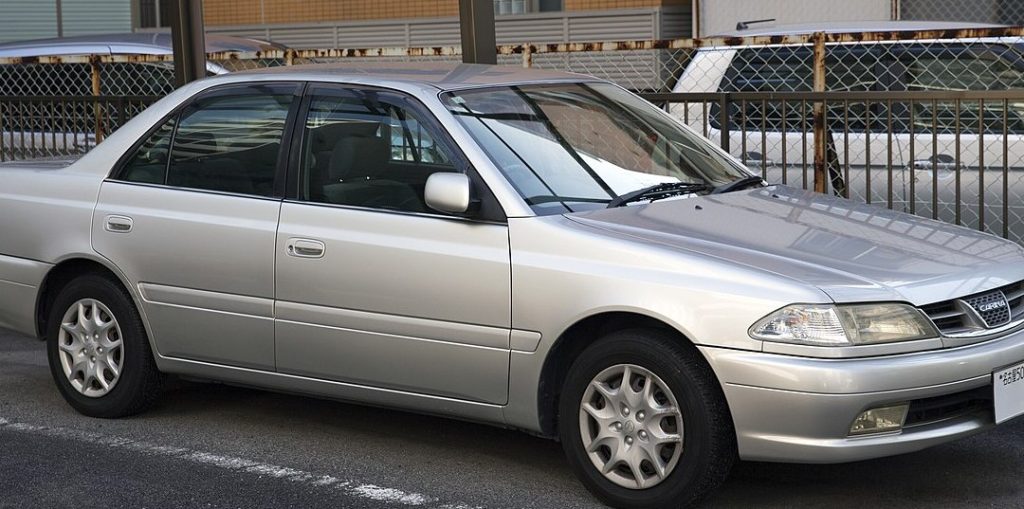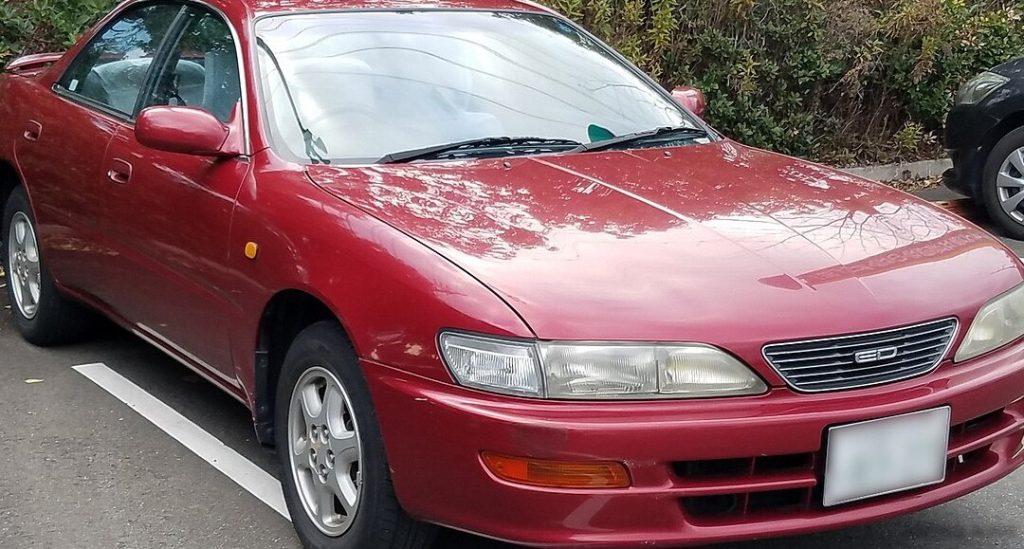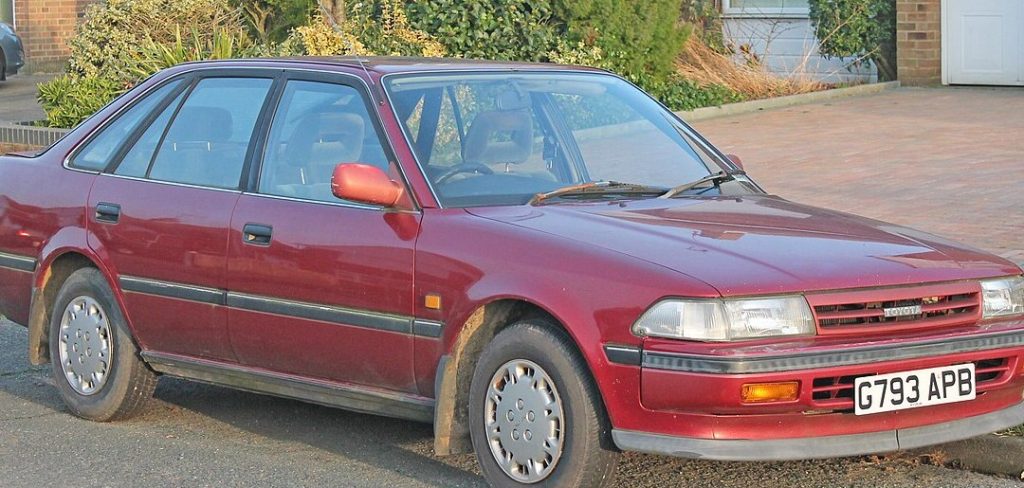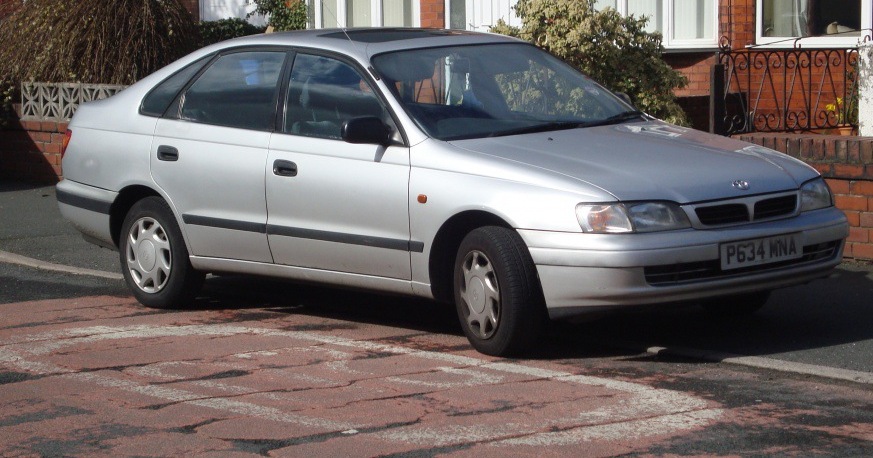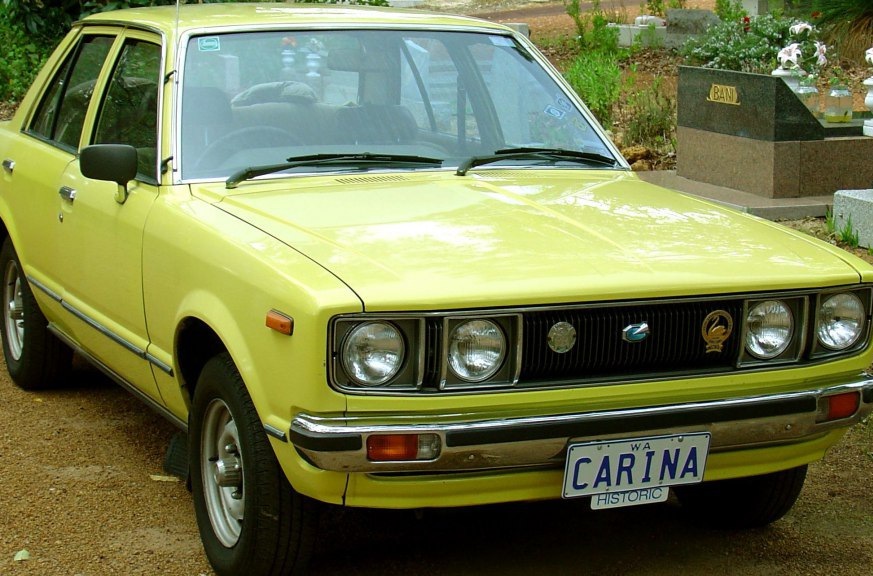
The Toyota Carina TA4L and TA6L, produced between 1982 and 1983, represented a continuation of Toyota’s mid-size sedan offering. This generation of the Carina, built upon the A60 platform, aimed to provide comfortable and reliable transportation for families and commuters. The 1.8-liter (78 horsepower) variant, powered by the 3T engine, served as the entry-level model in the Carina lineup during these years, offering a balance of affordability and Toyota’s renowned build quality. It was positioned below the more powerful 2.0 and 2.4-liter options, targeting buyers prioritizing fuel economy and a smoother, less sporty driving experience.
Technical Specifications
| Brand | Toyota |
| Model | Carina |
| Generation | Carina (TA4L, TA6L) |
| Type (Engine) | 1.8 (78 Hp) |
| Start of Production | 1982 |
| End of Production | 1983 |
| Powertrain Architecture | Internal Combustion Engine |
| Body Type | Sedan |
| Seats | 5 |
| Doors | 4 |
| Fuel Type | Petrol (Gasoline) |
| Power | 78 Hp |
| Engine Model/Code | 3T |
| Engine Aspiration | Naturally Aspirated |
| Engine Oil Capacity | 3.8 l (4.02 US qt | 3.34 UK qt) |
| Coolant Capacity | 7.5 l (7.93 US qt | 6.6 UK qt) |
Powertrain & Engine Architecture
The heart of the Carina 1.8 was the 3T engine, a 1.8-liter (1767 cc) inline-four cylinder gasoline engine. This engine was a relatively simple design, utilizing a single overhead camshaft (SOHC) valvetrain with eight valves. The 3T was known for its durability and ease of maintenance, characteristics highly valued in the early 1980s. Fuel delivery was managed by a carburetor, a common feature for engines of this era, rather than fuel injection. This carburetor setup contributed to the engine’s relatively modest power output of 78 horsepower at 5,600 rpm and 109 lb-ft of torque at 3,200 rpm. The engine was paired with a three-speed automatic transmission, designed for smooth and comfortable shifts rather than performance. This transmission was a typical torque converter automatic, prioritizing drivability over efficiency. The 3T engine, while not particularly powerful, was designed for longevity and reliability, making it a suitable choice for the Carina’s intended role as a practical family sedan.
Driving Characteristics
The 1.8-liter Carina with the automatic transmission offered a decidedly relaxed driving experience. Acceleration was modest, with a 0-60 mph time estimated to be around 13-15 seconds. The three-speed automatic transmission, while smooth, lacked the responsiveness of a manual gearbox or a more modern automatic with additional gears. Gear ratios were optimized for fuel economy and comfortable cruising, rather than spirited driving. The engine felt somewhat strained when pushed hard, and passing maneuvers required careful planning. Compared to the higher-output 2.0 and 2.4-liter Carina models, the 1.8 felt noticeably slower and less refined. However, for drivers prioritizing fuel efficiency and a comfortable ride, the 1.8 offered a viable option. The suspension, tuned for comfort, absorbed bumps and road imperfections well, contributing to a pleasant ride quality. Steering was light and easy, making the Carina easy to maneuver in city traffic.
Equipment & Trim Levels
The 1.8-liter Carina typically came with a fairly basic level of equipment, reflecting its position as the entry-level model. Standard features generally included cloth upholstery, a basic AM/FM radio, and manual windows and door locks. Air conditioning was often an optional extra, as were power windows and upgraded audio systems. Interior trim was functional and durable, with a focus on practicality rather than luxury. The dashboard layout was straightforward and easy to use, with clearly labeled controls. Depending on the market, some Carina 1.8 models might have included features like a rear window defogger and a basic trip odometer. The overall interior ambiance was clean and uncluttered, reflecting the Japanese design philosophy of the time.
Chassis & Braking
The Carina TA4L/TA6L utilized a conventional rear-wheel-drive chassis layout. The front suspension consisted of MacPherson struts, while the rear suspension employed a solid axle with leaf springs. This suspension setup provided a comfortable ride, but it wasn’t particularly sporty. Brakes were typically disc brakes at the front and drum brakes at the rear. The braking system was adequate for normal driving conditions, but it lacked the stopping power of more modern braking systems. Stabilizer bars were often included, helping to reduce body roll during cornering. The chassis was relatively lightweight, contributing to the Carina’s fuel efficiency. The overall design prioritized comfort and reliability over handling performance.
Market Reception & Comparison
The Toyota Carina 1.8 was generally well-received as a practical and reliable family sedan. Critics praised its build quality, fuel economy, and comfortable ride. However, the engine’s modest power output was often cited as a drawback, particularly when compared to competitors offering more powerful engines. In terms of fuel economy, the Carina 1.8 offered competitive figures for its time, typically achieving around 25-30 mpg in combined driving conditions. Compared to the 2.0 and 2.4-liter Carina models, the 1.8 was significantly more affordable, making it an attractive option for budget-conscious buyers. Competitors in the same segment included the Honda Accord, Nissan Bluebird, and Mazda 626. The Carina distinguished itself through its reputation for reliability and Toyota’s strong dealer network.
Legacy
The Toyota Carina TA4L/TA6L 1.8, while not a particularly exciting or groundbreaking vehicle, played an important role in establishing Toyota’s reputation for building reliable and durable cars. The 3T engine, while simple, proved to be remarkably robust and capable of withstanding years of use. Today, these cars are relatively rare, but those that remain are often well-maintained and appreciated by enthusiasts for their simplicity and reliability. The 3T engine is known for its longevity, and parts availability, while diminishing, is still reasonable. The Carina 1.8 represents a snapshot of automotive engineering from the early 1980s, a time when practicality and reliability were often prioritized over performance and luxury. In the used car market, well-preserved examples of the Carina 1.8 can command a modest premium, appealing to collectors and enthusiasts seeking a classic Japanese sedan.