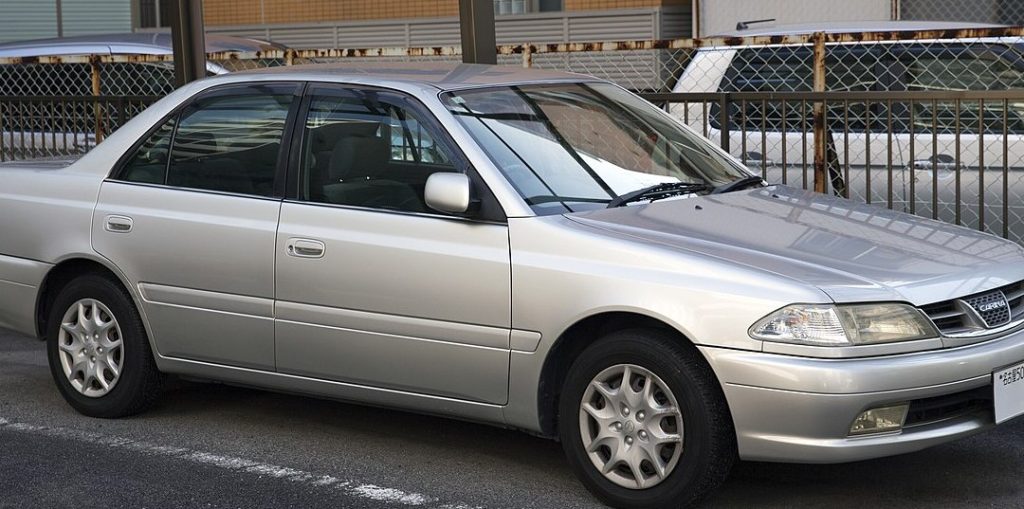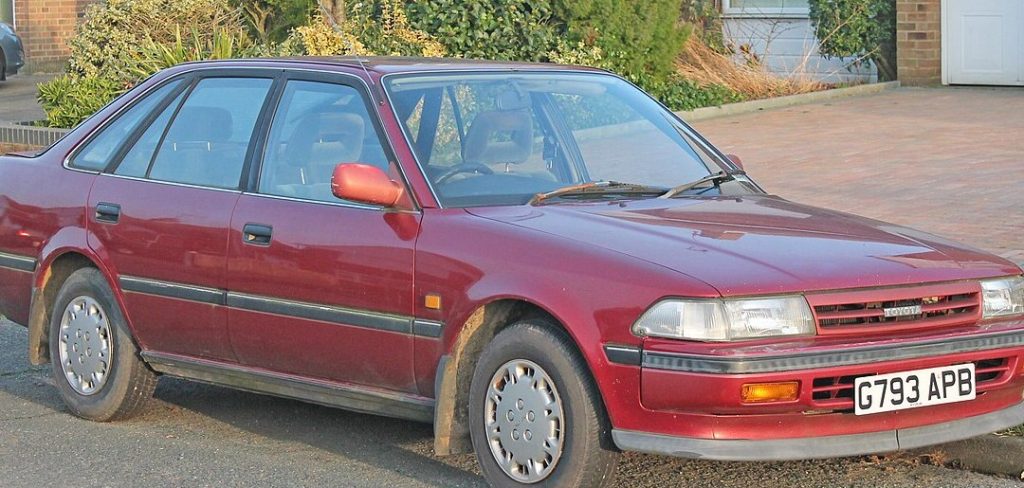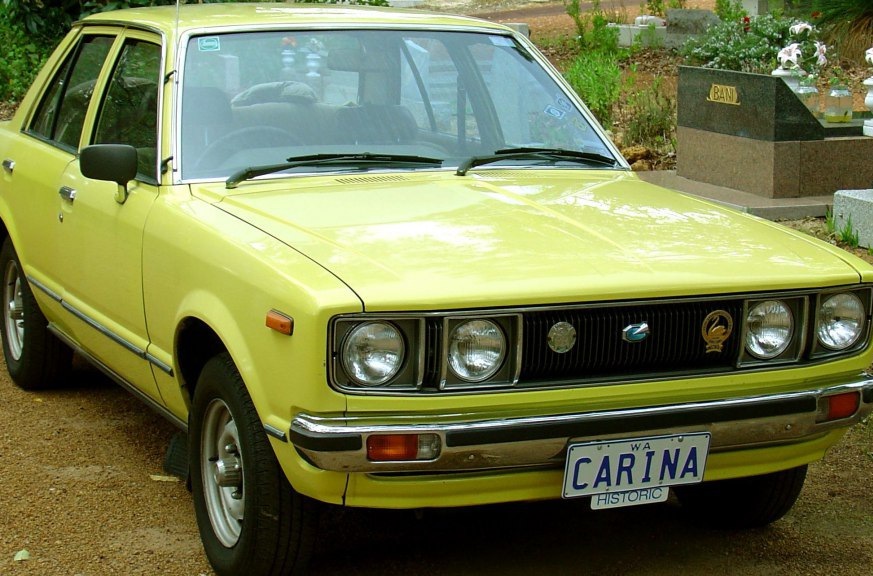
The Toyota Carina (TA4L, TA6L) 1.8, produced between 1982 and 1986, represented a significant offering in Toyota’s mid-size sedan lineup. Positioned as a comfortable and reliable family vehicle, the 1.8-liter variant served as a core model within the broader Carina range, which aimed to provide a step up in refinement and features compared to the Corolla, while remaining more accessible than the larger and more luxurious Crown. The TA4L and TA6L designations refer to chassis codes denoting minor variations within the generation, primarily relating to trim levels and equipment. This particular engine and transmission combination was aimed at buyers prioritizing fuel efficiency and ease of driving over outright performance.
Technical Specifications
| Brand | Toyota |
| Model | Carina |
| Generation | Carina (TA4L, TA6L) |
| Type (Engine) | 1.8 (86 Hp) |
| Start of production | 1982 |
| End of production | 1986 |
| Powertrain Architecture | Internal Combustion engine |
| Body type | Sedan |
| Seats | 5 |
| Doors | 4 |
| Fuel Type | Petrol (Gasoline) |
| Power | 86 Hp |
| Engine Model/Code | 3T |
| Engine aspiration | Naturally aspirated engine |
| Engine oil capacity | 3.8 l (4.02 US qt | 3.34 UK qt) |
| Coolant capacity | 7.5 l (7.93 US qt | 6.6 UK qt) |
Powertrain & Engine Architecture
The heart of the Carina 1.8 was the 3T engine, a 1.8-liter (1767 cc) inline-four cylinder gasoline engine. This engine was a naturally aspirated unit, meaning it did not employ a turbocharger or supercharger. It featured a single overhead camshaft (SOHC) valvetrain, operating two valves per cylinder. The 3T engine utilized a carburetor for fuel delivery, a common practice for the time, though increasingly being replaced by fuel injection in other markets. The carburetor provided adequate fuel atomization for the engine’s modest power output. The engine’s design prioritized reliability and longevity over peak performance. The automatic transmission paired with this engine was typically a three-speed unit, designed for smooth and comfortable shifts. While not offering the responsiveness of a manual transmission, it catered to the preferences of drivers seeking a hassle-free driving experience.
Driving Characteristics
The Carina 1.8 with the automatic transmission delivered a comfortable, if not particularly exhilarating, driving experience. With 86 horsepower, acceleration was adequate for everyday driving situations, but overtaking maneuvers required careful planning. The three-speed automatic transmission featured relatively widely spaced gear ratios, prioritizing fuel economy over rapid acceleration. The first gear was geared for smooth take-offs, while the higher gears were designed for relaxed cruising. Compared to the available manual transmission versions of the Carina, the automatic variant felt noticeably slower. The manual transmission allowed the engine to operate in its optimal power band more frequently, resulting in improved responsiveness. However, the automatic offered a significant advantage in stop-and-go traffic, reducing driver fatigue. The suspension was tuned for comfort, absorbing bumps and imperfections in the road surface effectively. Steering was light and easy, making the Carina a simple car to maneuver in urban environments.
Equipment & Trim Levels
The Carina 1.8, in its base automatic configuration, typically included features considered standard for a mid-size sedan in the early 1980s. These included cloth upholstery, a basic AM/FM radio, and manual windows and door locks. Air conditioning was often an optional extra, as were power windows and upgraded audio systems. Higher trim levels, denoted by the TA6L chassis code, offered additional features such as upgraded interior trim, a more comprehensive instrument cluster, and alloy wheels. The dashboard layout was functional and straightforward, with clearly labeled controls. Interior space was generous for its class, providing comfortable seating for five adults. The trunk offered ample cargo capacity, making the Carina a practical choice for families.
Chassis & Braking
The Carina 1.8 utilized a conventional front-engine, rear-wheel-drive layout. The suspension consisted of independent front suspension with MacPherson struts and a solid rear axle with leaf springs. This setup provided a good balance between ride comfort and handling stability. Braking was typically accomplished with disc brakes on the front wheels and drum brakes on the rear wheels. Power steering was not standard on all models, but was often included as an option. The chassis was designed to provide a stable and predictable driving experience, prioritizing safety and reliability. Stabilizer bars were often included to reduce body roll during cornering, enhancing handling performance.
Market Reception & Comparison
The Toyota Carina 1.8 Automatic was generally well-received by automotive critics as a practical and reliable family sedan. It wasn’t lauded for its performance, but it was praised for its comfortable ride, spacious interior, and Toyota’s reputation for build quality. Compared to other trims in the Carina lineup, such as those equipped with larger engines or manual transmissions, the 1.8 Automatic offered a more affordable entry point. Fuel economy was a key selling point for this variant, making it an attractive option for budget-conscious buyers. However, some critics noted that the automatic transmission could feel sluggish, particularly when accelerating uphill or overtaking. Compared to competitors like the Honda Accord and Nissan Bluebird, the Carina 1.8 offered a similar level of refinement and reliability, but often at a slightly lower price point.
Legacy
The Toyota Carina 1.8 (TA4L, TA6L) has proven to be a remarkably durable vehicle. Many examples are still on the road today, a testament to Toyota’s engineering and build quality. The 3T engine, while not particularly powerful, is known for its longevity and relatively simple maintenance requirements. The automatic transmission, while not as sophisticated as modern units, has also proven to be reliable. In the used car market, these Carinas are often sought after by enthusiasts looking for a classic Japanese sedan that is both affordable and dependable. Parts availability can be a challenge, but many components are still available through aftermarket suppliers or salvaged vehicles. The Carina 1.8 represents a significant chapter in Toyota’s history, showcasing the company’s commitment to building high-quality, reliable vehicles for the mass market.