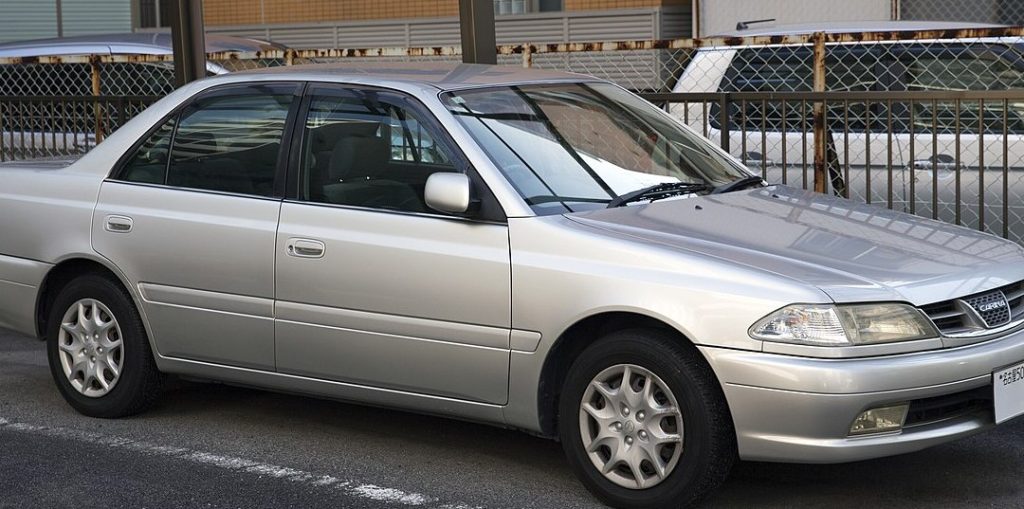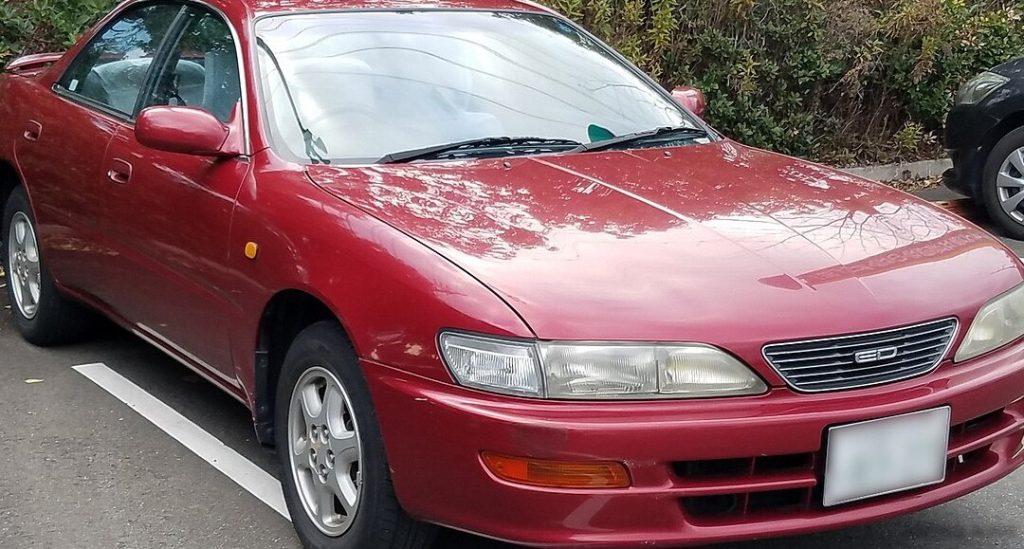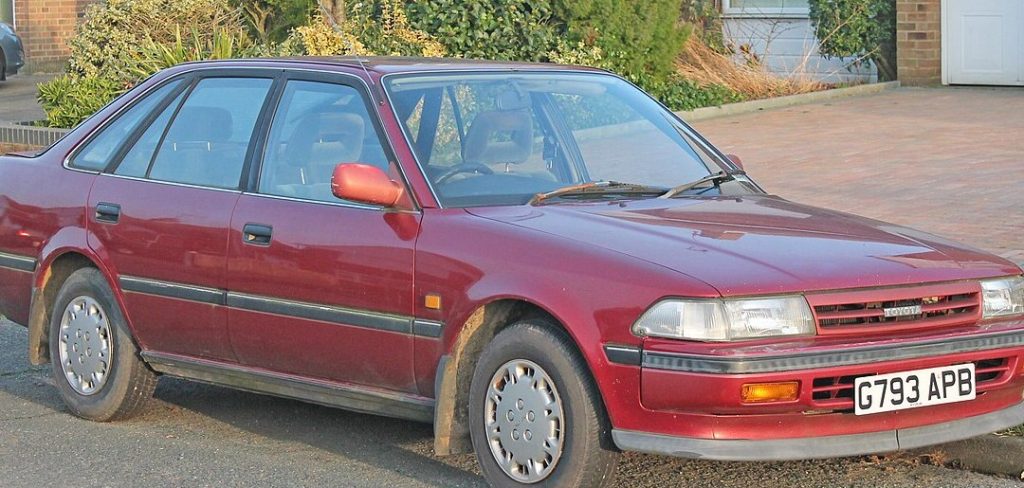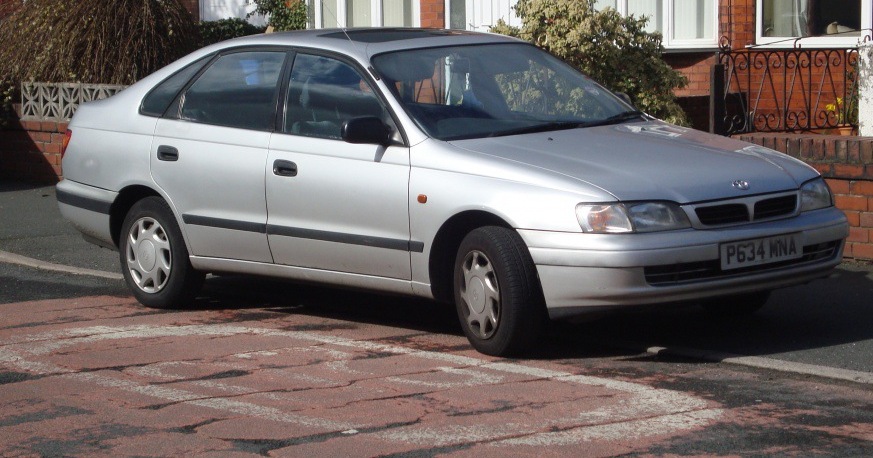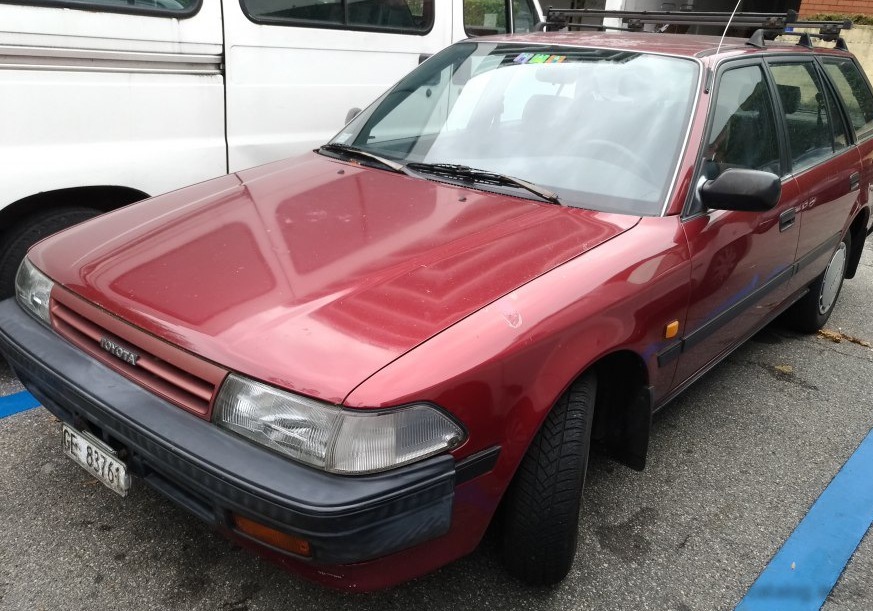
The Toyota Carina Wagon (T17) 2.0 D (CT170), produced between 1988 and 1992, represented a practical and economical offering within the broader Carina range. The T17 generation Carina, launched in 1988, was Toyota’s mid-size offering, positioned between the Corolla and the larger Camry. The wagon variant, while less common than the sedan, provided increased cargo capacity appealing to families and those requiring utility. The 2.0 D (CT170) trim, powered by the 2C-L diesel engine, was aimed at buyers prioritizing fuel efficiency and durability over outright performance. It served as a workhorse variant, particularly popular in European markets where diesel engines enjoyed significant tax advantages and were favored for long-distance driving.
Technical Specifications
| Brand | Toyota |
| Model | Carina |
| Generation | Carina Wagon (T17) |
| Type (Engine) | 2.0 D (CT170) (73 Hp) |
| Start of production | 1988 |
| End of production | 1992 |
| Powertrain Architecture | Internal Combustion engine |
| Body type | Wagon |
| Seats | 5 |
| Doors | 5 |
| Fuel Type | Diesel |
| Power | 73 Hp |
| Engine Model/Code | 2C-L |
| Engine aspiration | Naturally aspirated |
| Engine oil capacity | 5.3 l (5.6 US qt | 4.66 UK qt) |
| Coolant capacity | 7.3 l (7.71 US qt | 6.42 UK qt) |
Powertrain & Engine Architecture
The heart of the Carina Wagon 2.0 D (CT170) was the 2C-L diesel engine. This 1998cc, naturally aspirated engine was a member of Toyota’s ‘C’ series diesel family, known for its robustness and longevity. The 2C-L featured indirect injection, utilizing a pre-combustion chamber design. This system, while not as efficient or refined as direct injection, contributed to the engine’s reliability and tolerance of lower-quality fuel – a significant advantage in some markets. The engine employed a single overhead camshaft (SOHC) valvetrain operating two valves per cylinder. The CT170 designation indicates the engine’s output of approximately 73 horsepower. The transmission paired with the 2C-L was typically a four-speed automatic, chosen for its ease of use and suitability for the target demographic. While a five-speed manual transmission was available on other Carina models, it was less frequently paired with the 2.0 D engine, as the automatic was seen as a better match for its torque characteristics and intended use as a comfortable, practical vehicle.
Driving Characteristics
The Carina Wagon 2.0 D (CT170) with the automatic transmission wasn’t designed for spirited driving. Acceleration was modest, with a 0-60 mph time estimated to be around 14-16 seconds. The engine produced a respectable 128 lb-ft of torque, available from relatively low RPMs, making it adequate for hauling passengers and cargo. The automatic transmission featured relatively tall gear ratios, prioritizing fuel economy over rapid acceleration. Compared to the gasoline-powered Carina variants, particularly those with larger engines, the 2.0 D felt significantly slower. However, it offered superior fuel economy – typically in the range of 35-45 mpg – and a more relaxed driving experience. The automatic transmission, while smooth, lacked the responsiveness of a manual gearbox, and downshifts could be slow to engage. The overall driving experience was geared towards practicality and comfort rather than performance.
Equipment & Trim Levels
The 2.0 D trim level of the Carina Wagon typically represented a mid-range offering. Standard equipment generally included power steering, central locking, and basic instrumentation. Interior upholstery was typically cloth, with a durable and practical design. Dashboard configuration was functional, with clearly labeled controls. Optional extras available for the 2.0 D included air conditioning, electric windows, and a basic audio system. Higher trim levels, available with gasoline engines, offered features like alloy wheels, upgraded upholstery, and more sophisticated audio systems. The 2.0 D focused on providing essential features at an affordable price point, appealing to buyers who valued practicality and reliability over luxury.
Chassis & Braking
The Carina Wagon (T17) utilized a conventional front-engine, front-wheel-drive layout. Suspension consisted of MacPherson struts at the front and a torsion beam axle at the rear. This setup provided a comfortable ride, although handling was not particularly sporty. The 2.0 D variant, due to its heavier diesel engine, often featured slightly stiffer suspension components compared to the lighter gasoline models. Braking was typically accomplished with disc brakes at the front and drum brakes at the rear. Anti-lock braking system (ABS) was not standard on the 2.0 D, but was available as an optional extra. Stabilizer bars were fitted to both the front and rear axles, helping to reduce body roll during cornering. The braking system was adequate for the vehicle’s weight and performance, but lacked the stopping power of more modern systems.
Market Reception & Comparison
The Toyota Carina Wagon 2.0 D (CT170) received generally positive reviews for its fuel efficiency, reliability, and practicality. Critics praised the engine’s durability and low running costs, but noted its lack of performance. Compared to other diesel-powered wagons in its class, such as the Ford Sierra or Vauxhall/Opel Astra, the Carina offered a more refined and reliable driving experience. However, it was often more expensive to purchase. Within the Carina lineup, the 2.0 D was positioned as the entry-level diesel option, appealing to budget-conscious buyers. The gasoline-powered Carina models, particularly the 1.6 and 2.0-liter variants, offered more performance but at the expense of fuel economy. The 2.0 D was a popular choice for fleet operators and private buyers who prioritized long-term reliability and low operating costs.
Legacy
The Toyota Carina Wagon 2.0 D (CT170) has proven to be a remarkably durable vehicle. Many examples are still on the road today, testament to the quality of Toyota engineering and the robustness of the 2C-L diesel engine. The engine itself is known for its ability to withstand high mileage with minimal maintenance. In the used car market, these wagons are often sought after by those looking for a reliable and economical workhorse. While parts availability can be a challenge in some regions, the 2C-L engine shares components with other Toyota diesel engines, making it relatively easy to source replacements. The Carina Wagon 2.0 D represents a practical and dependable choice for those seeking a classic Toyota wagon with a focus on fuel efficiency and long-term reliability.