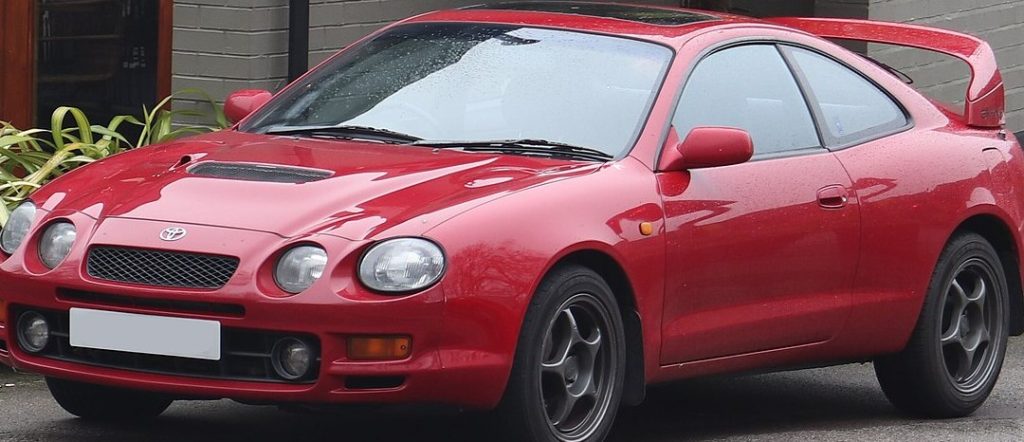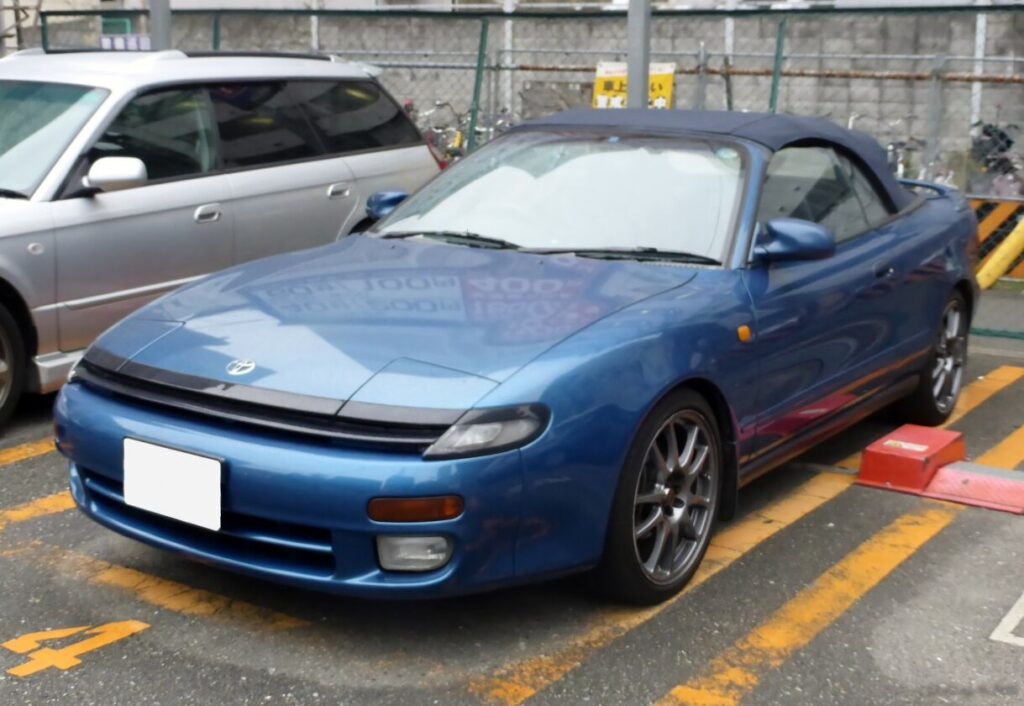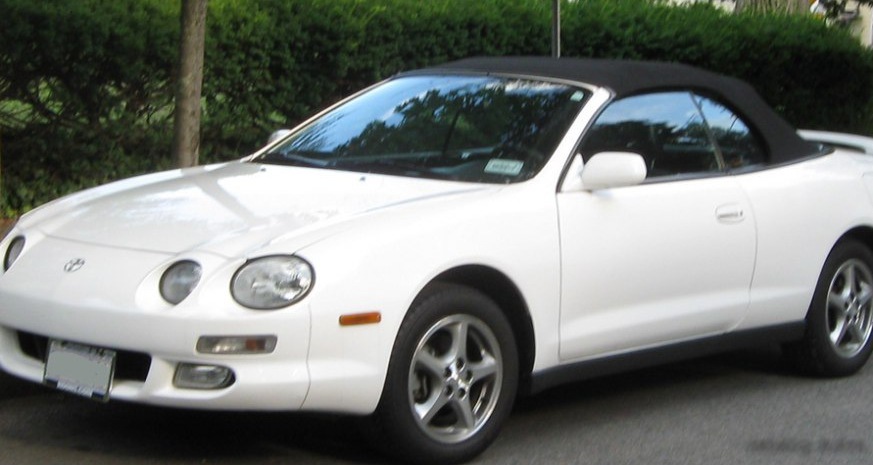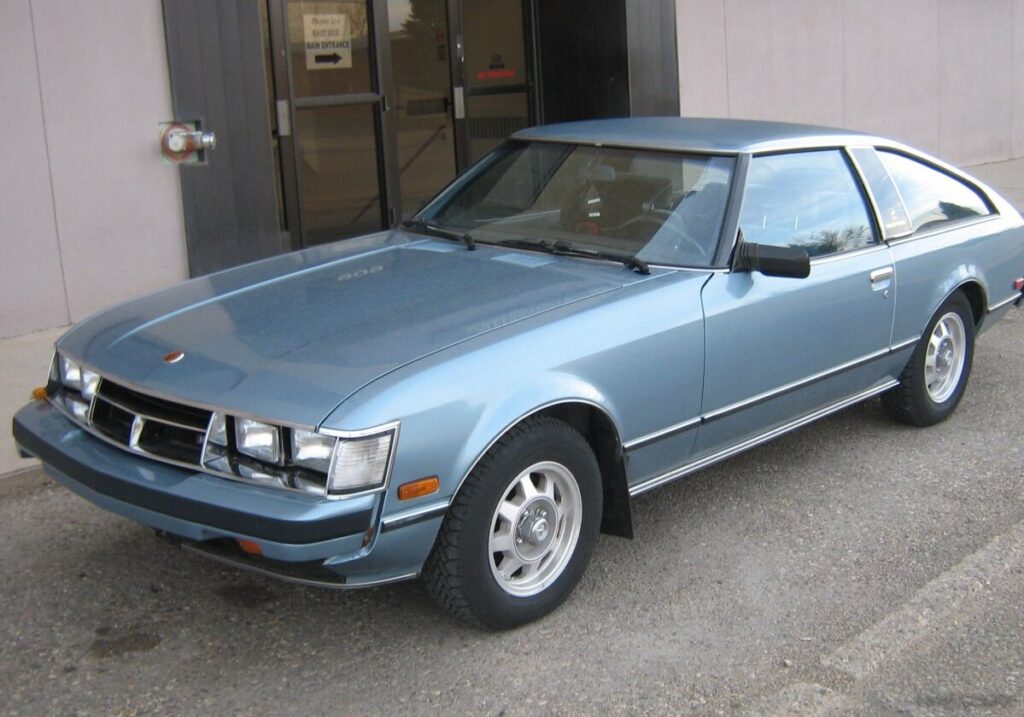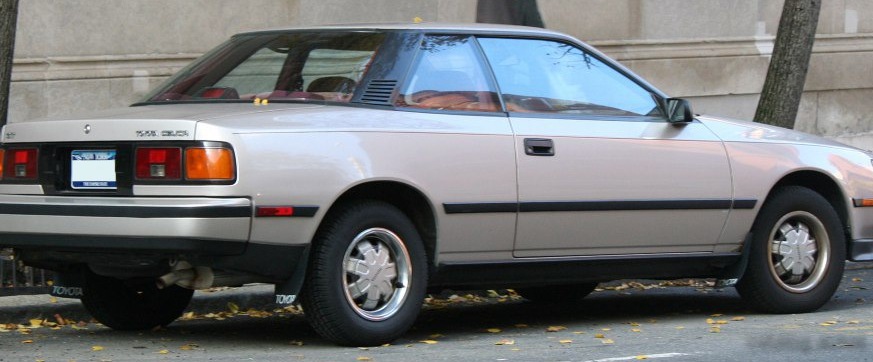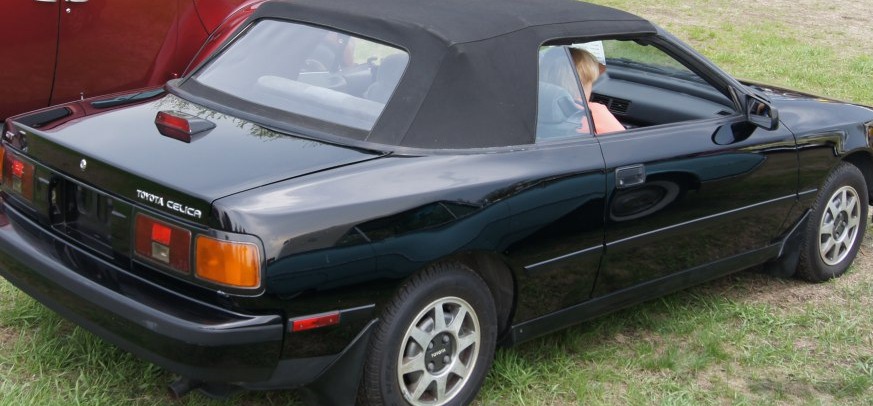
The Toyota Celica Cabrio (T16), specifically the 2.0 GT (ST162) variant producing 140 horsepower, represented a significant offering in Toyota’s lineup during its 1988-1990 production run. This model was part of the sixth generation (T16) Celica, which saw the introduction of the convertible body style to the Celica range. Positioned as a more upscale and sporty option within the Cabrio range, the 2.0 GT aimed to provide open-air motoring with a respectable level of performance and refinement. It was built upon the A60 platform, sharing many components with the Celica coupe but distinguished by its unique convertible design and targeted at a different buyer demographic.
Technical Specifications
| Brand | Toyota |
| Model | Celica |
| Generation | Celica Cabrio (T16) |
| Type | 2.0 GT (ST162) (140 Hp) |
| Start of Production | 1988 |
| End of Production | 1990 |
| Powertrain Architecture | Internal Combustion Engine |
| Body Type | Cabriolet |
| Doors | 2 |
| Fuel Type | Petrol (Gasoline) |
| Power | 140 Hp |
| Engine Model/Code | 3S-GE |
| Engine Aspiration | Naturally Aspirated |
| Engine Oil Capacity | 3.9 l (4.12 US qt | 3.43 UK qt) |
| Coolant Capacity | 7 l (7.4 US qt | 6.16 UK qt) |
Powertrain & Engine Architecture
The heart of the Celica 2.0 GT Cabrio was the 3S-GE engine, a 1998cc (2.0 liter) inline-four cylinder powerplant. This engine was a naturally aspirated design, utilizing multi-point fuel injection. The 3S-GE was known for its relatively smooth power delivery and willingness to rev, characteristics that made it a popular choice in various Toyota models of the era. The engine featured a dual overhead camshaft (DOHC) valvetrain with four valves per cylinder, contributing to its improved breathing and power output compared to earlier Toyota engines. While not a high-performance engine in the modern sense, the 3S-GE provided adequate power for enjoyable open-top driving. The ST162 variant was typically paired with a four-speed automatic transmission, although a five-speed manual was also available. The automatic transmission, while offering convenience, did impact acceleration times compared to the manual version.
Driving Characteristics
The Celica 2.0 GT Cabrio with the automatic transmission offered a comfortable and relaxed driving experience. Acceleration was adequate for everyday driving, with the 140 horsepower engine providing sufficient power for merging onto highways and passing slower vehicles. However, it wasn’t a particularly quick car, and the automatic transmission’s gear ratios were geared more towards fuel economy and smooth operation than outright performance. Compared to the five-speed manual version, the automatic suffered a noticeable performance deficit, particularly in terms of responsiveness. The suspension was tuned for comfort, providing a reasonably smooth ride, although it wasn’t as sporty or engaging as the coupe version. The convertible top, while adding to the open-air experience, did contribute to some chassis flex, noticeable on uneven road surfaces.
Equipment & Trim Levels
The 2.0 GT trim level represented a step up in features compared to the base Celica Cabrio. Standard equipment typically included power windows, power locks, and a decent sound system. The interior featured comfortable cloth upholstery, and the dashboard layout was functional and easy to use. Optional extras available for the 2.0 GT included leather upholstery, upgraded sound systems, and alloy wheels. Air conditioning was a popular option, particularly in warmer climates. The overall interior ambiance was aimed at providing a comfortable and refined experience for both driver and passenger. The instrument cluster featured a comprehensive set of gauges, including a tachometer, speedometer, and fuel level indicator.
Chassis & Braking
The Celica Cabrio (T16) utilized a MacPherson strut front suspension and a semi-trailing arm rear suspension. The rear brakes on the 2.0 GT were typically drum brakes, while the front brakes were disc brakes. This configuration was common for vehicles in this class during the late 1980s and early 1990s. The braking system provided adequate stopping power for normal driving conditions, but it wasn’t particularly powerful or sophisticated. A stabilizer bar was included at the front to reduce body roll during cornering. The chassis was reinforced compared to the standard Celica coupe to compensate for the loss of structural rigidity due to the removal of the roof. However, some chassis flex was still present, particularly on rough roads.
Market Reception & Comparison
The Celica Cabrio 2.0 GT was generally well-received by automotive critics. It was praised for its stylish design, comfortable ride, and relatively refined interior. However, some critics noted that the performance was somewhat underwhelming, particularly with the automatic transmission. Compared to other convertibles in its class, such as the Mazda MX-5 Miata, the Celica Cabrio was larger and heavier, resulting in less nimble handling. Fuel economy was reasonable for the time, averaging around 22-26 mpg in combined driving. Reliability was generally good, as expected from a Toyota product. The 2.0 GT was positioned as a more luxurious and comfortable alternative to the more sporty MX-5, appealing to buyers who prioritized comfort and convenience over outright performance.
Legacy
The Toyota Celica Cabrio (T16) 2.0 GT (ST162) has become a popular choice among classic car enthusiasts. The 3S-GE engine is known for its durability and relatively simple maintenance requirements. While parts availability can be a challenge, many components are still available through aftermarket suppliers. The automatic transmission, while not as desirable as the manual, is generally reliable if properly maintained. Today, these Celica Cabrios are often found in good condition, having been well-cared for by their owners. They represent a stylish and affordable entry point into the world of classic Japanese convertibles, offering a unique blend of comfort, style, and reliability. The car’s enduring appeal lies in its classic design and the reputation for quality that Toyota has cultivated over the years.