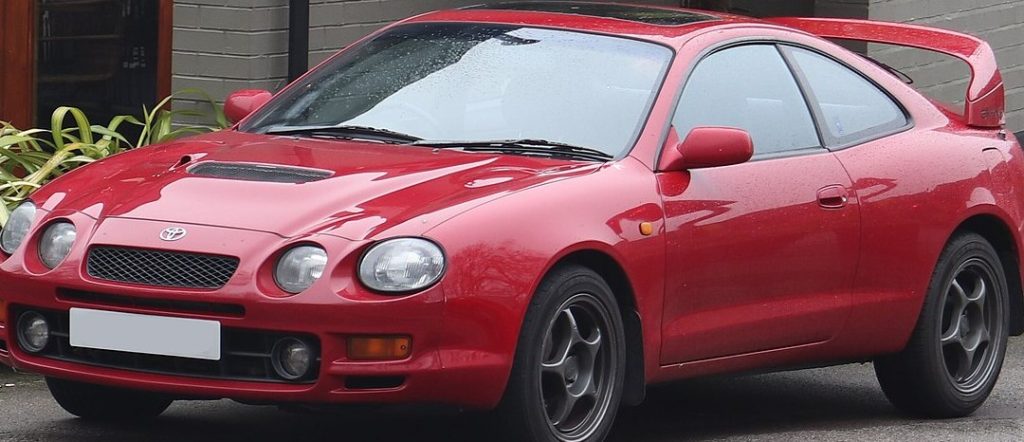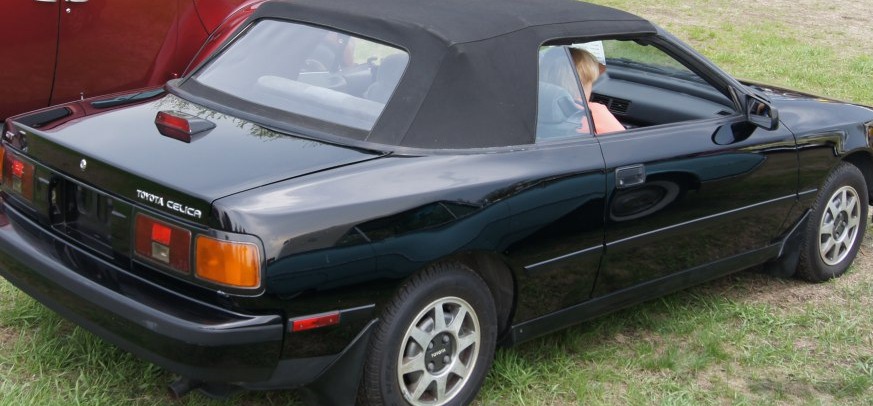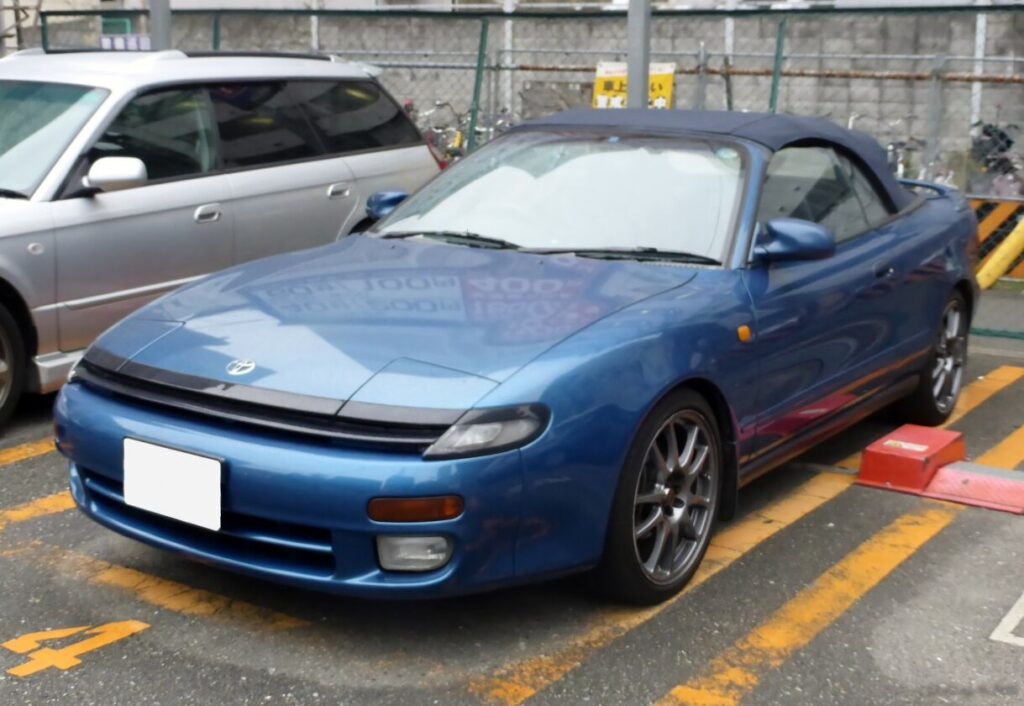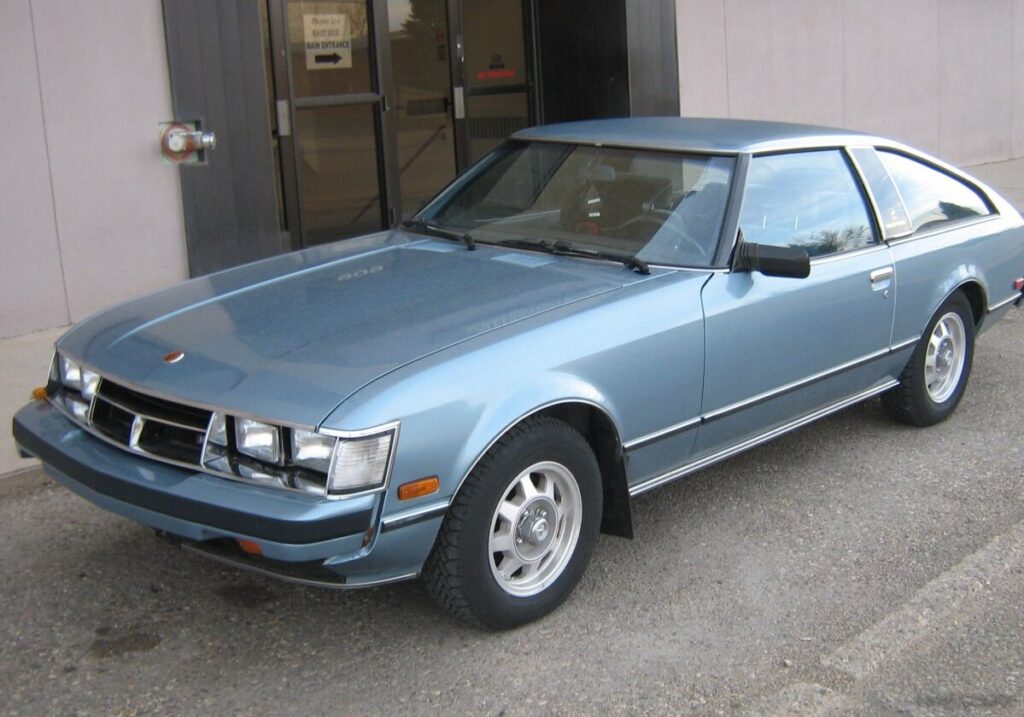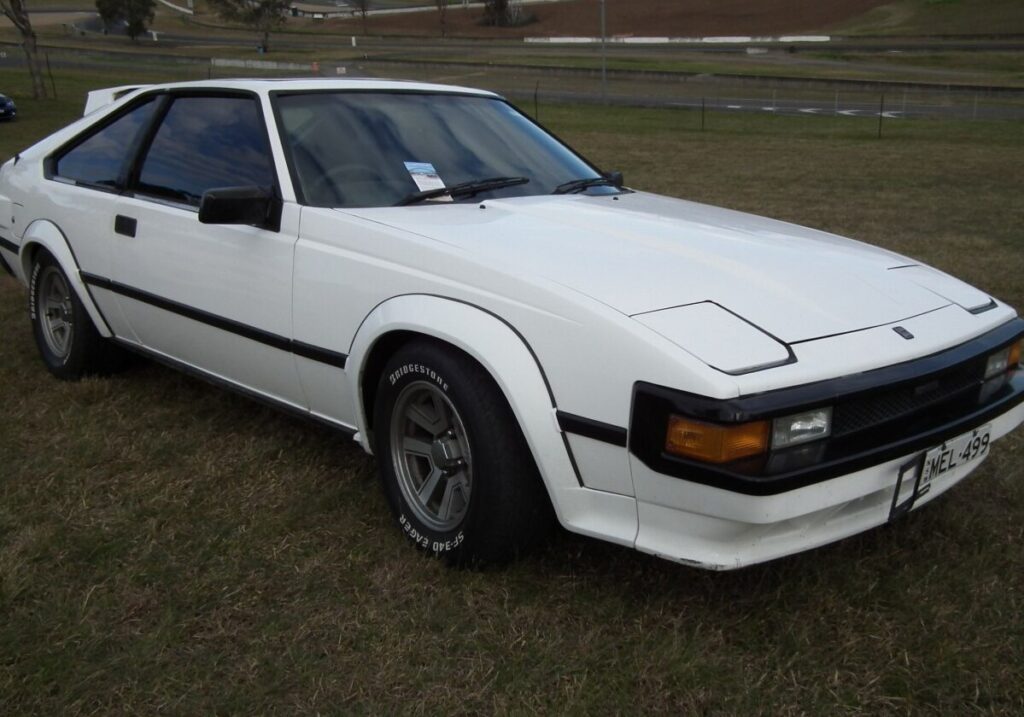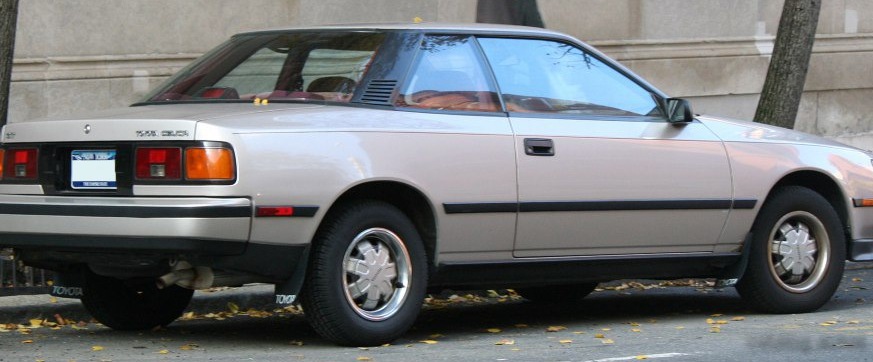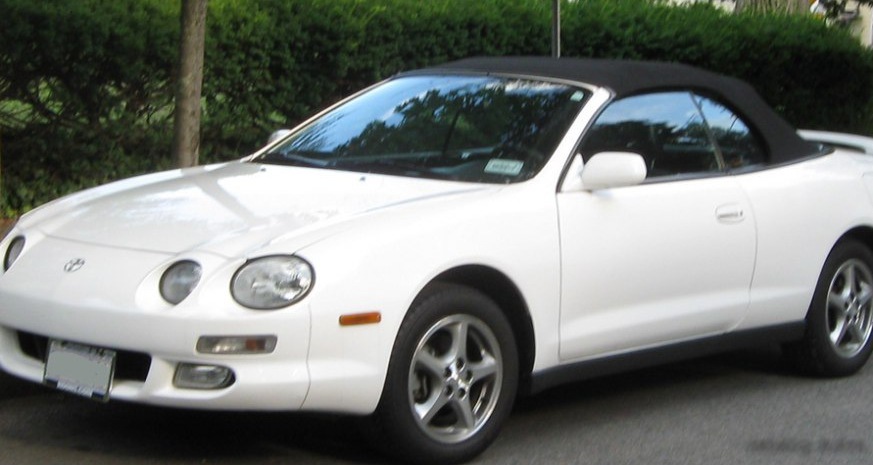
The Toyota Celica Cabrio (T20), specifically the 2.2i GT variant producing 136 horsepower, was a front-wheel-drive convertible produced between 1994 and 1999. It represented Toyota’s entry into the increasingly popular affordable convertible market, building upon the success of earlier Celica generations. The T20 chassis, shared with the contemporary Celica coupe, aimed to provide a sporty and stylish open-air driving experience. This particular 2.2i GT trim sat in the upper echelon of the Cabrio lineup, offering a balance of performance and features compared to the base models.
Technical Specifications
| Brand | Toyota |
| Model | Celica |
| Generation | Celica Cabrio (T20) |
| Type | 2.2i GT (136 Hp) |
| Start of production | 1994 |
| End of production | 1999 |
| Powertrain Architecture | Internal Combustion engine |
| Body type | Cabriolet |
| Seats | 2 |
| Doors | 2 |
| Fuel consumption (combined) | 9.5 l/100 km (24.8 US mpg, 29.7 UK mpg, 10.5 km/l) |
| Fuel Type | Petrol (Gasoline) |
| Weight-to-power ratio | 8.6 kg/Hp, 116.7 Hp/tonne |
| Weight-to-torque ratio | 5.9 kg/Nm, 168.2 Nm/tonne |
| Power | 136 Hp @ 5400 rpm |
| Power per litre | 62.8 Hp/l |
| Torque | 196 Nm @ 4000 rpm (144.56 lb.-ft. @ 4000 rpm) |
| Engine layout | Front, Transverse |
| Engine Model/Code | 5S-FE |
| Engine displacement | 2166 cm3 (132.18 cu. in.) |
| Number of cylinders | 4 |
| Engine configuration | Inline |
| Cylinder Bore | 87.1 mm (3.43 in.) |
| Piston Stroke | 90.9 mm (3.58 in.) |
| Compression ratio | 9.7:1 |
| Number of valves per cylinder | 4 |
| Fuel injection system | Multi-port manifold injection |
| Engine aspiration | Naturally aspirated engine |
| Valvetrain | DOHC |
| Engine oil capacity | 3.9 l (4.12 US qt | 3.43 UK qt) |
| Coolant capacity | 6.7 l (7.08 US qt | 5.9 UK qt) |
| Kerb Weight | 1165 kg (2568.39 lbs.) |
| Trunk (boot) space – minimum | 194 l (6.85 cu. ft.) |
| Fuel tank capacity | 60 l (15.85 US gal | 13.2 UK gal) |
| Length | 4496 mm (177.01 in.) |
| Width | 1750 mm (68.9 in.) |
| Height | 1295 mm (50.98 in.) |
| Wheelbase | 2525 mm (99.41 in.) |
| Front track | 1514 mm (59.61 in.) |
| Rear track | 1496 mm (58.9 in.) |
| Drivetrain Architecture | Front wheel drive |
| Number of gears and type of gearbox | 5 gears, manual transmission |
| Front suspension | Spring Strut |
| Rear suspension | Coil spring |
| Front brakes | Ventilated discs |
| Rear brakes | Ventilated discs |
| Assisting systems | ABS (Anti-lock braking system) |
| Steering type | Steering rack and pinion |
| Power steering | Hydraulic Steering |
| Tires size | 205/55 R15 V |
| Wheel rims size | 15 |
Powertrain & Engine Architecture
The heart of the Celica Cabrio 2.2i GT was the 5S-FE engine, a 2.2-liter inline-four cylinder powerplant. This engine was a mainstay in Toyota’s lineup during the 1990s, known for its reliability and relatively smooth operation. The 5S-FE featured a double overhead camshaft (DOHC) valvetrain, operating four valves per cylinder, and utilized multi-port fuel injection for precise fuel delivery. The engine’s 9.7:1 compression ratio contributed to its respectable power output for its displacement. The engine was transversely mounted, driving the front wheels. The five-speed manual transmission was the standard offering, providing drivers with full control over the engine’s powerband. The transmission’s gear ratios were tuned for a balance of acceleration and fuel efficiency.
Driving Characteristics
The 2.2i GT offered a noticeable step up in performance compared to the base Celica Cabrio models. While not a sports car in the purest sense, the 136 horsepower engine provided adequate acceleration for everyday driving and even some spirited backroad excursions. The five-speed manual transmission allowed drivers to keep the engine in its optimal power range, resulting in responsive performance. The front-wheel-drive configuration, while providing good traction in most conditions, could exhibit some torque steer under hard acceleration. Compared to a hypothetical Celica with a more powerful engine, the 2.2i GT prioritized fuel economy and ease of driving over outright speed. The manual transmission offered a more engaging driving experience than an automatic would have.
Equipment & Trim Levels
The 2.2i GT trim level included several standard features designed to enhance comfort and convenience. Interior appointments typically included cloth upholstery, power windows, power locks, and a basic audio system. Air conditioning was also a standard feature. Optional extras included a sunroof, upgraded audio systems, and alloy wheels. The dashboard layout was functional and driver-focused, with clearly marked gauges and controls. The overall interior design was typical of Japanese cars from the mid-1990s – practical and well-built, but not overly luxurious.
Chassis & Braking
The Celica Cabrio’s chassis was based on the T20 platform, which incorporated a MacPherson strut front suspension and a coil spring rear suspension. This setup provided a comfortable ride quality while maintaining reasonable handling characteristics. The car featured ventilated disc brakes on all four wheels, providing adequate stopping power for its weight class. An Anti-lock Braking System (ABS) was included as standard equipment, enhancing safety by preventing wheel lockup during hard braking. The steering system utilized a rack-and-pinion setup with hydraulic power assistance, offering precise and responsive steering feel.
Market Reception & Comparison
The Celica Cabrio 2.2i GT was generally well-received by automotive critics. It was praised for its stylish design, comfortable ride, and reliable powertrain. However, some reviewers noted that its performance was not as exhilarating as some of its competitors, such as the Mazda MX-5 Miata. Fuel economy was considered to be reasonable for its class, averaging around 24.8 US mpg in combined driving. In terms of reliability, the Celica Cabrio proved to be a durable and dependable vehicle, with relatively few reported issues. Compared to the base Celica Cabrio models, the 2.2i GT offered a significant improvement in performance and features, making it a popular choice for buyers seeking a more engaging driving experience.
Legacy
The Toyota Celica Cabrio 2.2i GT has maintained a relatively strong following among enthusiasts. The 5S-FE engine is known for its longevity and ease of maintenance, making these cars relatively affordable to own and operate. Parts availability remains good, and a thriving aftermarket supports the Celica community. Today, well-maintained examples of the 2.2i GT are sought after by collectors and enthusiasts who appreciate their classic styling and reliable performance. While not a high-performance machine, the Celica Cabrio 2.2i GT represents a significant chapter in Toyota’s history, offering a stylish and enjoyable open-air driving experience.