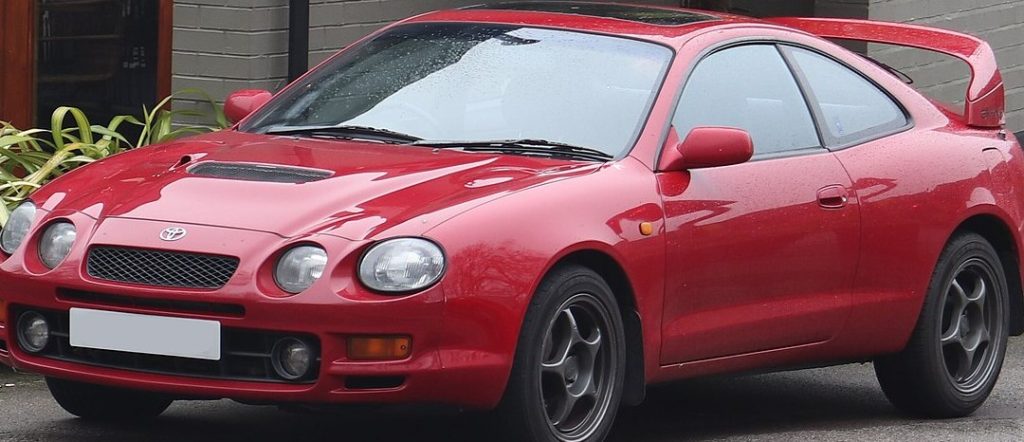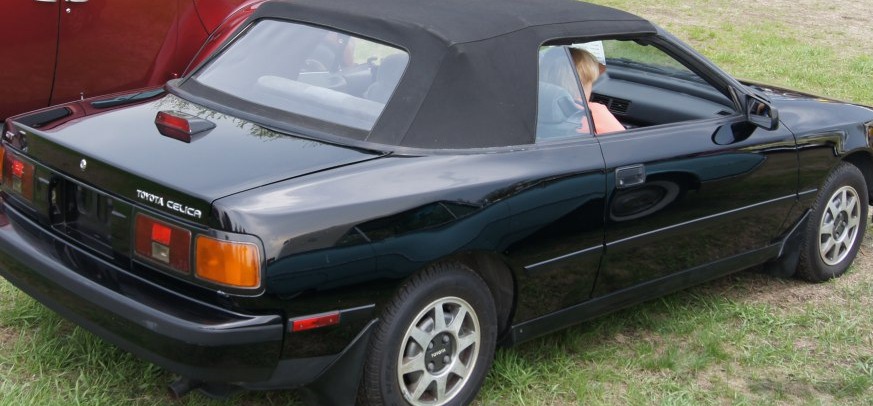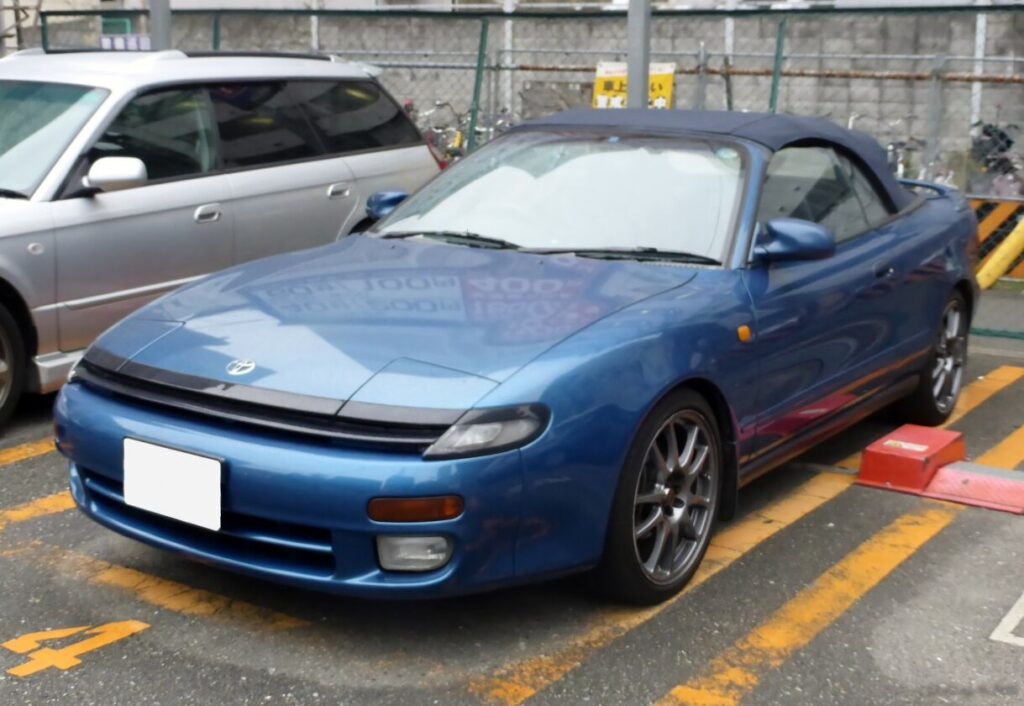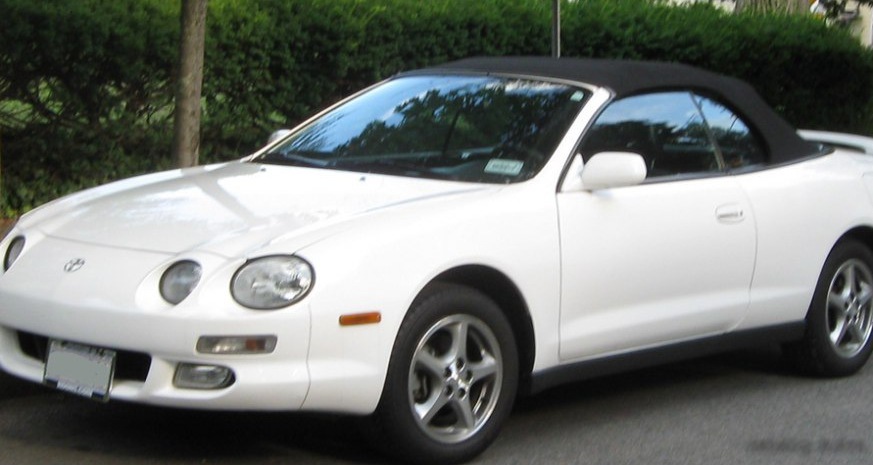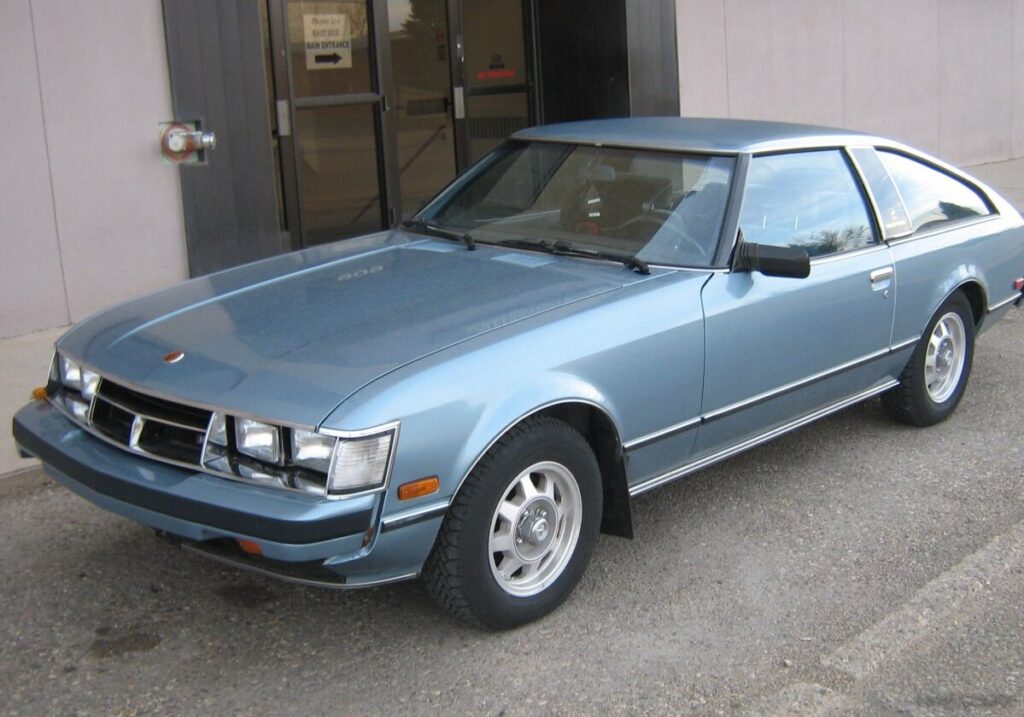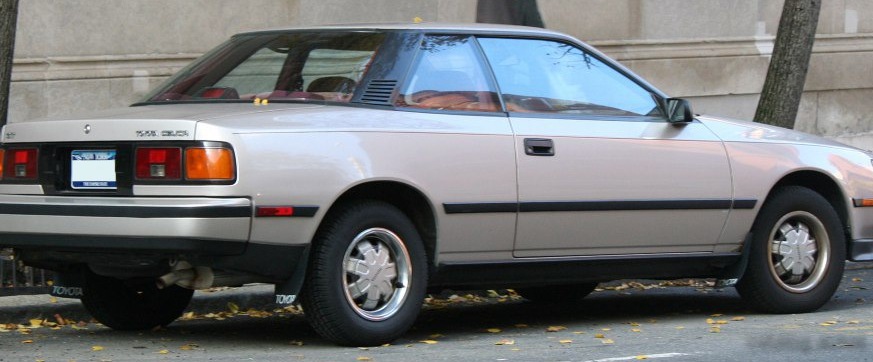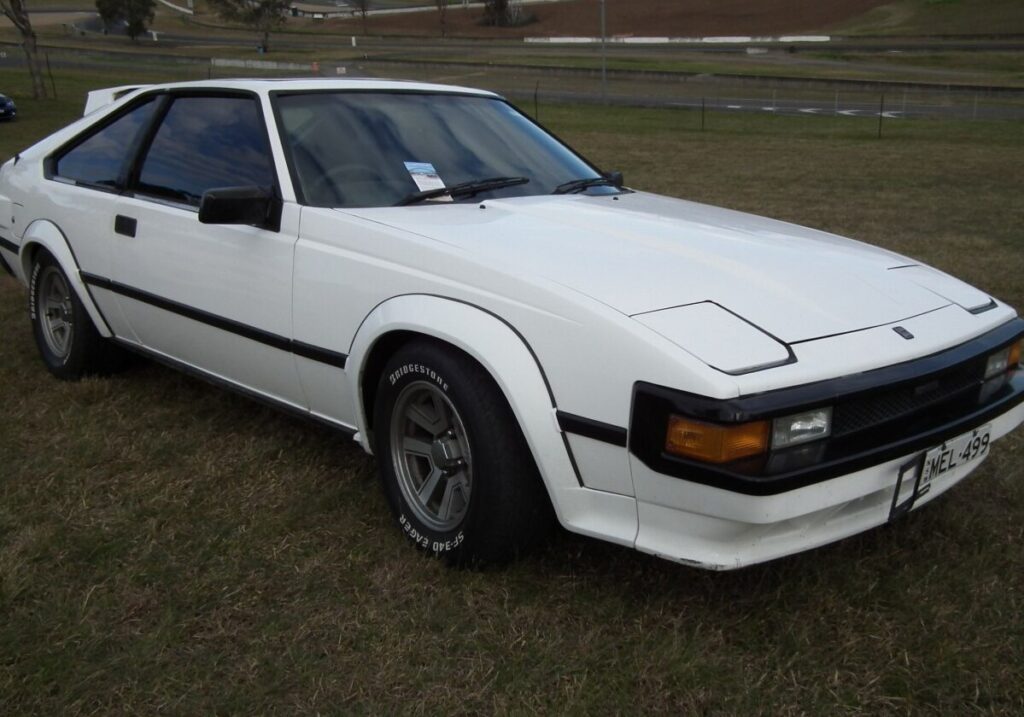
The Toyota Celica Supra II, specifically the L-type 2.8 model with an automatic transmission, represented a significant evolution in Toyota’s sports coupe offerings. Produced between 1981 and 1985, this variant occupied a middle ground within the A60 Celica Supra range, offering a blend of performance and comfort aimed at buyers seeking a more relaxed grand touring experience. It built upon the foundation laid by the first-generation Celica Supra (A40/A50) and paved the way for the more technologically advanced A70 generation. The A60 Supra was a departure from the more compact Celica, offering a longer wheelbase and a more sophisticated rear-wheel-drive layout.
Technical Specifications
| Brand | Toyota |
| Model | Supra |
| Generation | Celica Supra II (A60) |
| Type | L-type 2.8 (145 Hp) Automatic |
| Start of production | 1981 |
| End of production | 1985 |
| Powertrain Architecture | Internal Combustion engine |
| Body type | Coupe |
| Seats | 4 |
| Doors | 3 |
| Fuel Type | Petrol (Gasoline) |
| Weight-to-power ratio | 9.3 kg/Hp, 108 Hp/tonne |
| Weight-to-torque ratio | 6.4 kg/Nm, 156.4 Nm/tonne |
| Power | 145 Hp @ 5200 rpm |
| Power per litre | 52.6 Hp/l |
| Torque | 210 Nm @ 4400 rpm (154.89 lb.-ft. @ 4400 rpm) |
| Engine layout | Front, Longitudinal |
| Engine Model/Code | 5M-GE |
| Engine displacement | 2759 cm3 (168.36 cu. in.) |
| Number of cylinders | 6 |
| Engine configuration | Inline |
| Cylinder Bore | 83 mm (3.27 in.) |
| Piston Stroke | 85 mm (3.35 in.) |
| Number of valves per cylinder | 2 |
| Fuel injection system | Single-point injection |
| Engine aspiration | Naturally aspirated engine |
| Valvetrain | DOHC |
| Engine oil capacity | 5.1 l (5.39 US qt | 4.49 UK qt) |
| Coolant | 7.9 l (8.35 US qt | 6.95 UK qt) |
| Kerb Weight | 1343 kg (2960.81 lbs.) |
| Trunk (boot) space – maximum | 595 l (21.01 cu. ft.) |
| Fuel tank capacity | 61 l (16.11 US gal | 13.42 UK gal) |
| Length | 4661 mm (183.5 in.) |
| Width | 1684 mm (66.3 in.) |
| Height | 1321 mm (52.01 in.) |
| Wheelbase | 2614 mm (102.91 in.) |
| Front track | 1430 mm (56.3 in.) |
| Rear (Back) track | 1400 mm (55.12 in.) |
| Drivetrain Architecture | Rear wheel drive |
| Number of gears and type of gearbox | 4 gears, automatic transmission |
| Front suspension | Independent type McPherson |
| Rear suspension | Independent multi-link spring suspension with stabilizer |
| Front brakes | Ventilated discs |
| Rear brakes | Ventilated discs |
| Steering type | Steering rack and pinion |
| Tires size | 195/70 R14 |
| Wheel rims size | 6.5J x 14 |
INTRODUCTION
The 1981-1985 Toyota Celica Supra II (A60) L-type 2.8 Automatic was a key model in establishing the Supra as a distinct, more performance-oriented vehicle than the standard Celica. It represented a move upmarket, offering a larger engine and more refined features. The “L-type” designation indicated a specific trim level, typically including a higher degree of standard equipment. This generation Supra was built on the A60 platform, shared with the Celica, but featured a longer wheelbase and a more robust drivetrain designed to handle the increased power of the inline-six engine. It was primarily marketed towards buyers in North America and Japan, where the demand for sporty, comfortable coupes was strong.
Powertrain & Engine Architecture
At the heart of the L-type 2.8 Supra was the 5M-GE engine, a 2.8-liter (2759 cc) inline-six cylinder powerplant. This engine utilized a single-point fuel injection system, a relatively common technology for the time, delivering fuel to the intake ports rather than directly into the cylinders. The 5M-GE featured a double overhead camshaft (DOHC) valvetrain, contributing to its respectable power output of 145 horsepower at 5200 rpm and 210 Nm (154.89 lb-ft) of torque at 4400 rpm. The engine’s longitudinal front-engine layout and rear-wheel-drive configuration provided a balanced weight distribution, enhancing handling characteristics. The automatic transmission was a four-speed unit, designed to provide smooth and convenient shifting. While not as engaging as a manual transmission, it catered to drivers prioritizing comfort and ease of use.
Driving Characteristics
The 2.8L automatic Supra offered a comfortable and capable driving experience. While not a track weapon, the 145 hp engine provided adequate power for highway cruising and spirited driving. The automatic transmission, while smooth, did detract somewhat from the overall performance feel compared to the available five-speed manual. Gear ratios were tuned for a balance of acceleration and fuel economy. The automatic transmission’s shift points were relatively conservative, prioritizing fuel efficiency over aggressive acceleration. Compared to the higher-output versions of the A60 Supra, such as those equipped with the turbocharged 5M-GE, the L-type 2.8 Automatic felt less urgent in its acceleration. However, it offered a more relaxed and refined driving experience, making it well-suited for long-distance journeys.
Equipment & Trim Levels
The L-type trim level generally included features such as power steering, power brakes, and a well-appointed interior. Standard upholstery was typically cloth, although leather options were often available. The dashboard layout was functional and driver-focused, with clearly marked gauges and controls. Optional extras included air conditioning, a premium sound system, and power windows. The L-type aimed to provide a comfortable and well-equipped package without the higher price tag of the more performance-focused trims.
Chassis & Braking
The A60 Supra featured an independent McPherson strut suspension in the front and an independent multi-link spring suspension with a stabilizer bar in the rear. This suspension setup provided a good balance of ride comfort and handling. The car was equipped with ventilated disc brakes on all four wheels, providing adequate stopping power for its weight and performance. The steering was a rack-and-pinion system, offering precise and responsive control. The use of ventilated discs all around was a notable feature for a vehicle of this era, contributing to consistent braking performance even under demanding conditions.
Market Reception & Comparison
The Celica Supra II, particularly the 2.8L automatic variant, was generally well-received by automotive critics. It was praised for its comfortable ride, refined interior, and capable engine. However, some critics noted that the automatic transmission dulled the driving experience compared to the manual option. Compared to other trims in the A60 Supra lineup, such as the base model or the turbocharged versions, the L-type 2.8 Automatic offered a middle-ground compromise. It provided more power and refinement than the base model but lacked the outright performance of the turbocharged variants. Fuel economy was reasonable for the time, but not exceptional. Reliability was generally good, consistent with Toyota’s reputation for building durable vehicles.
Legacy
The A60 Celica Supra, including the L-type 2.8 Automatic, holds a special place in automotive history as a precursor to the modern Supra. The 5M-GE engine, while not known for being particularly high-strung, proved to be a durable and reliable powerplant. Today, well-maintained A60 Supras are sought after by collectors and enthusiasts. The automatic transmission variant, while not as desirable as the manual, remains a viable option for those seeking a classic Japanese sports coupe with a comfortable and easy-to-drive character. Parts availability can be a challenge, but a dedicated community of Supra enthusiasts continues to support the preservation and restoration of these iconic vehicles. The A60 Supra laid the groundwork for the Supra’s future success, establishing it as a serious contender in the sports car market.