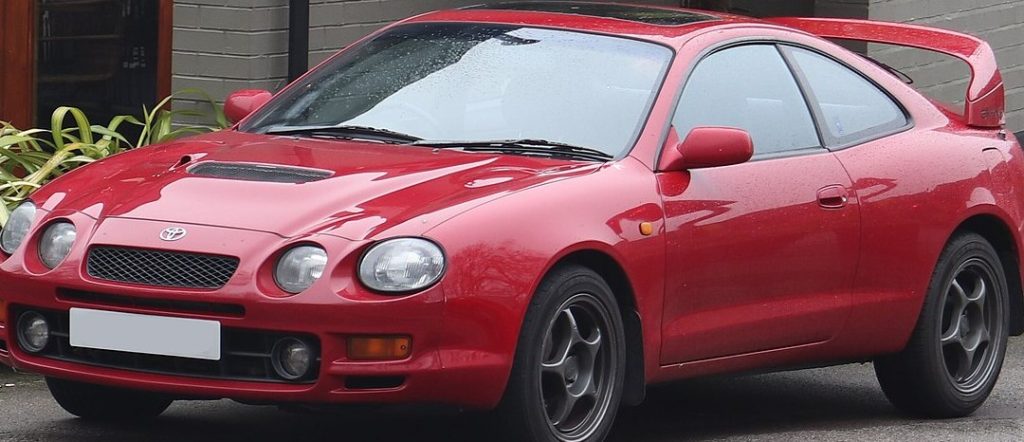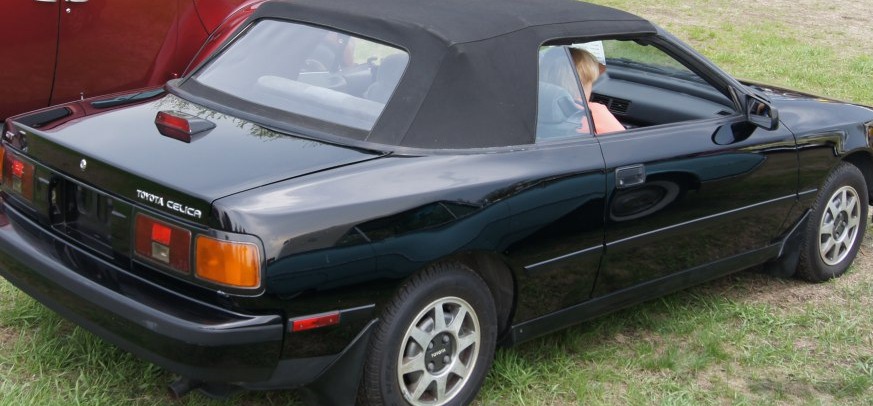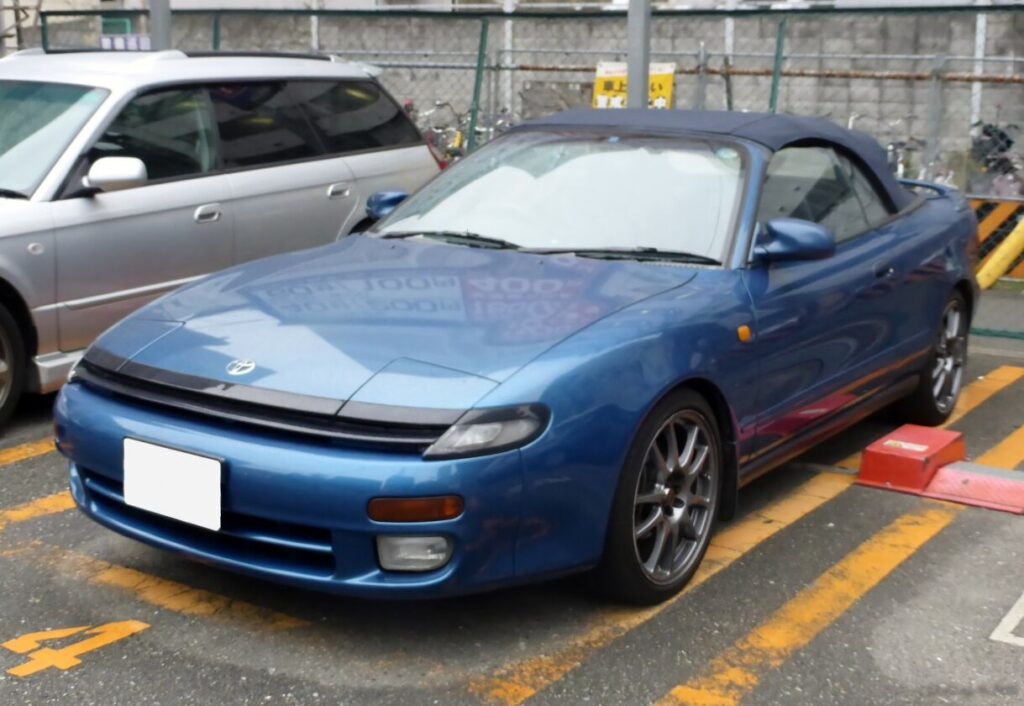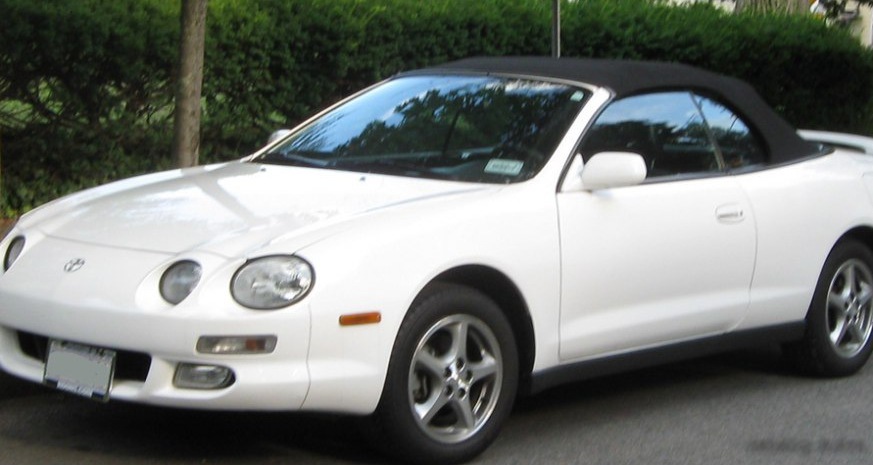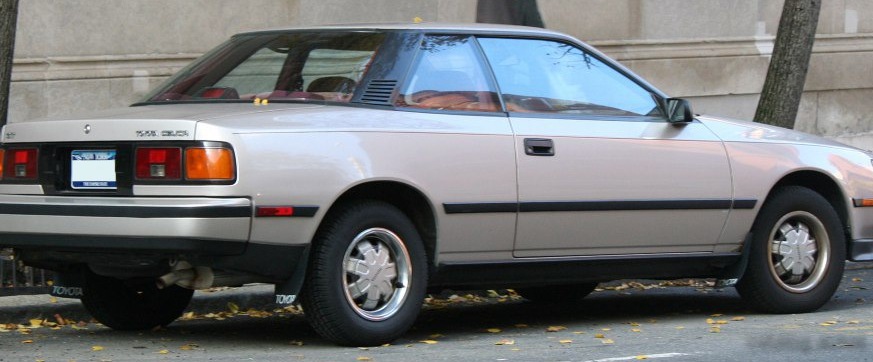
The Toyota Celica T16, specifically the 1.6-liter (86 hp) variant, represents an entry-level offering within the fifth generation (T16) Celica lineup produced between 1986 and 1990. Positioned as a more accessible and fuel-efficient option, this model served as a gateway into the Celica range, appealing to buyers prioritizing affordability and everyday usability over outright performance. The T16 generation Celica marked a significant shift in design, moving towards a more modern, aerodynamic profile compared to its predecessors, and establishing a strong presence in the compact sports coupe segment. This particular 1.6L engine and transmission combination was primarily aimed at the Japanese domestic market and European regions, with limited availability in the United States where the more powerful 2.0L variants were favored.
Technical Specifications
| Brand | Toyota |
| Model | Celica |
| Generation | Celica (T16) |
| Type (Engine) | 1.6 (86 Hp) |
| Start of production | 1986 |
| End of production | 1990 |
| Powertrain Architecture | Internal Combustion engine |
| Body type | Coupe |
| Doors | 2 |
| Fuel Type | Petrol (Gasoline) |
| Power | 86 Hp |
| Engine Model/Code | 4A-F |
| Engine aspiration | Naturally aspirated engine |
| Engine oil capacity | 3.3 l (3.49 US qt | 2.9 UK qt) |
| Coolant capacity | 5 l (5.28 US qt | 4.4 UK qt) |
Powertrain & Engine Architecture
The heart of this Celica variant is the 4A-F engine, a 1.6-liter (1587 cc) inline-four cylinder gasoline engine. This engine utilizes a single overhead camshaft (SOHC) design with two valves per cylinder. It’s a naturally aspirated engine, meaning it doesn’t employ forced induction like a turbocharger or supercharger. Fuel delivery is managed by Toyota’s electronically controlled fuel injection system, contributing to improved fuel efficiency and smoother operation compared to earlier carbureted engines. The 4A-F engine is known for its relative simplicity and durability, making it a reliable powerplant. The engine produces 86 horsepower at 6,000 rpm and approximately 99 lb-ft of torque at 3,600 rpm. This particular trim level was almost exclusively paired with a four-speed automatic transmission, although a five-speed manual transmission was available in some markets. The automatic transmission was chosen to provide ease of use and comfort, appealing to a broader range of drivers. The transmission’s gear ratios were optimized for fuel economy and smooth cruising, rather than aggressive acceleration.
Driving Characteristics
The 1.6-liter Celica T16 with the automatic transmission delivers a comfortable and predictable driving experience. Acceleration is adequate for everyday driving, but it’s noticeably slower than the higher-powered 2.0-liter versions. The automatic transmission, while smooth, doesn’t offer the responsiveness or driver engagement of a manual gearbox. Gear changes are relatively seamless, but downshifts can be somewhat hesitant. The car’s weight distribution is reasonably balanced, contributing to stable handling, but the suspension setup is tuned for comfort rather than sporty performance. Compared to the 2.0-liter Celica, the 1.6L feels less eager to rev and requires more planning when overtaking or merging onto highways. The automatic transmission’s taller gear ratios prioritize fuel economy, resulting in lower engine speeds at cruising speeds, but also limiting the car’s ability to accelerate quickly. The overall driving experience is best described as refined and practical, rather than exhilarating.
Equipment & Trim Levels
The 1.6-liter Celica T16 typically came with a fairly basic level of equipment, reflecting its position as the entry-level model. Standard features generally included cloth upholstery, a basic AM/FM radio, and manual windows and door locks. Power steering was often standard, but air conditioning was frequently an optional extra. The dashboard layout is functional and straightforward, with clearly labeled controls. Interior trim materials were generally durable but not luxurious. Optional extras available for this trim level included upgraded audio systems, alloy wheels, and a sunroof. The interior color schemes were typically conservative, with shades of gray and blue being common. The overall interior ambiance is practical and functional, prioritizing usability over aesthetic flair.
Chassis & Braking
The Celica T16 utilizes a front-engine, front-wheel-drive layout. The suspension consists of MacPherson struts at the front and a torsion beam axle at the rear. This suspension setup provides a comfortable ride quality, but it’s not particularly sophisticated in terms of handling performance. The braking system typically features disc brakes at the front and drum brakes at the rear. The drum brakes at the rear were a cost-saving measure, and they offer less stopping power and fade resistance compared to disc brakes. The car’s steering is rack-and-pinion, providing reasonably precise steering feel. Stabilizer bars were often included as standard equipment, helping to reduce body roll during cornering. The chassis is relatively lightweight, contributing to the car’s nimble handling characteristics.
Market Reception & Comparison
The 1.6-liter Celica T16 received mixed reviews from automotive critics. While praised for its fuel efficiency and affordability, it was often criticized for its lack of performance compared to the 2.0-liter models. Critics noted that the automatic transmission diminished the driving experience, and the basic interior trim felt somewhat spartan. However, the car’s reliability and low running costs were generally well-regarded. Compared to the 2.0-liter Celica, the 1.6L offered significantly better fuel economy, but at the expense of performance. The 2.0-liter models were favored by enthusiasts seeking a more engaging driving experience, while the 1.6L appealed to buyers prioritizing practicality and affordability. In Europe, it competed with other compact coupes like the Ford Escort and Volkswagen Golf, offering a more stylish and sporty alternative.
Legacy
The 1.6-liter Celica T16, while not the most sought-after variant, has proven to be a remarkably reliable and durable vehicle. The 4A-F engine is known for its longevity, and many examples are still on the road today. The automatic transmission, while not particularly exciting, is also generally reliable. In the used car market, these Celicas are often available at affordable prices, making them an attractive option for budget-conscious buyers. However, finding well-maintained examples can be challenging, as many have suffered from neglect or have been modified over the years. The T16 generation Celica, including the 1.6-liter variant, remains a popular choice among classic car enthusiasts, appreciated for its distinctive styling and enduring reliability. Its role as an accessible entry point into the Celica family helped broaden the model’s appeal and solidify its position as a popular sports coupe of the late 1980s.