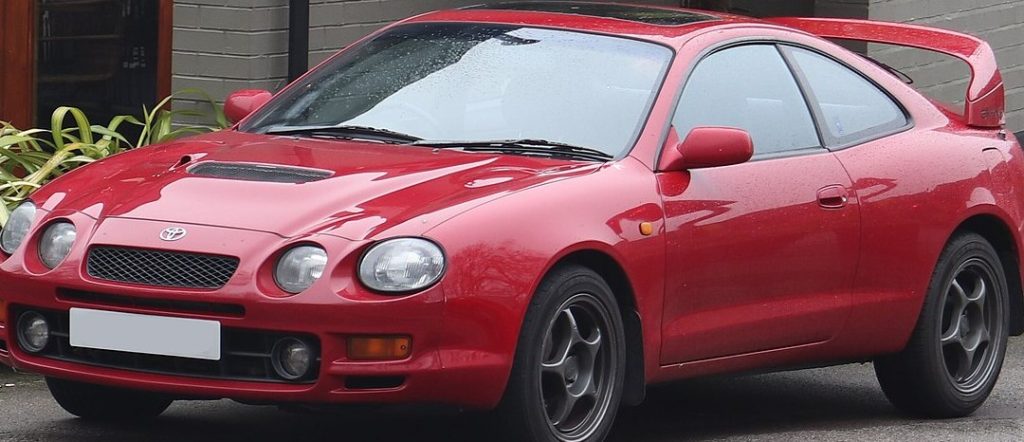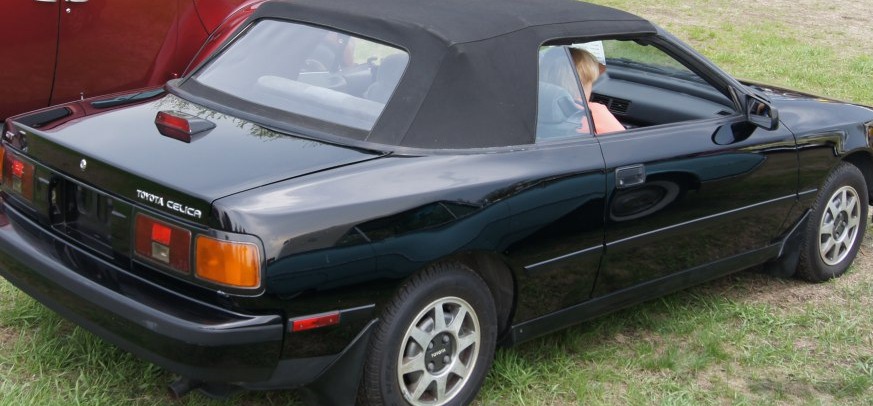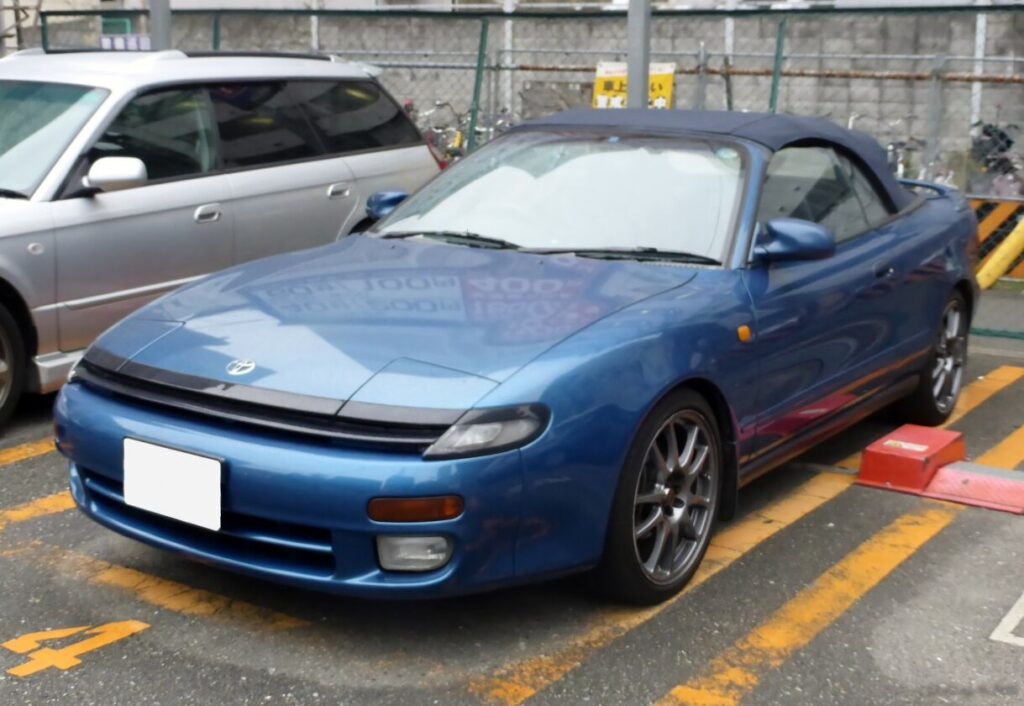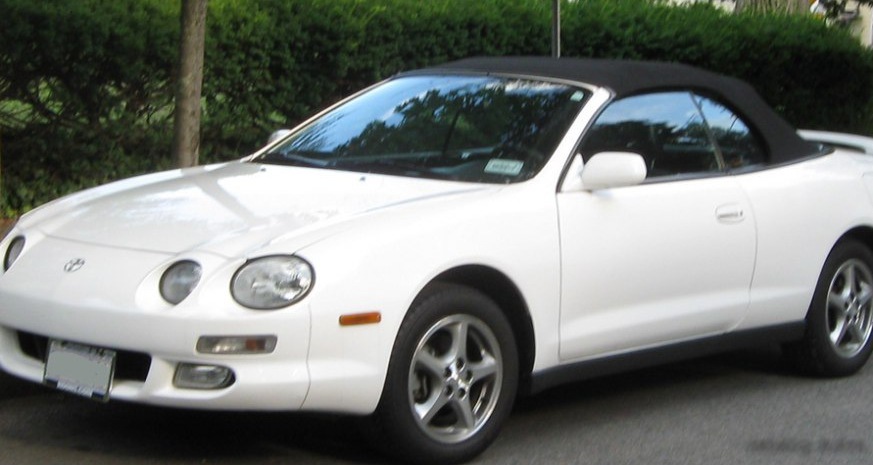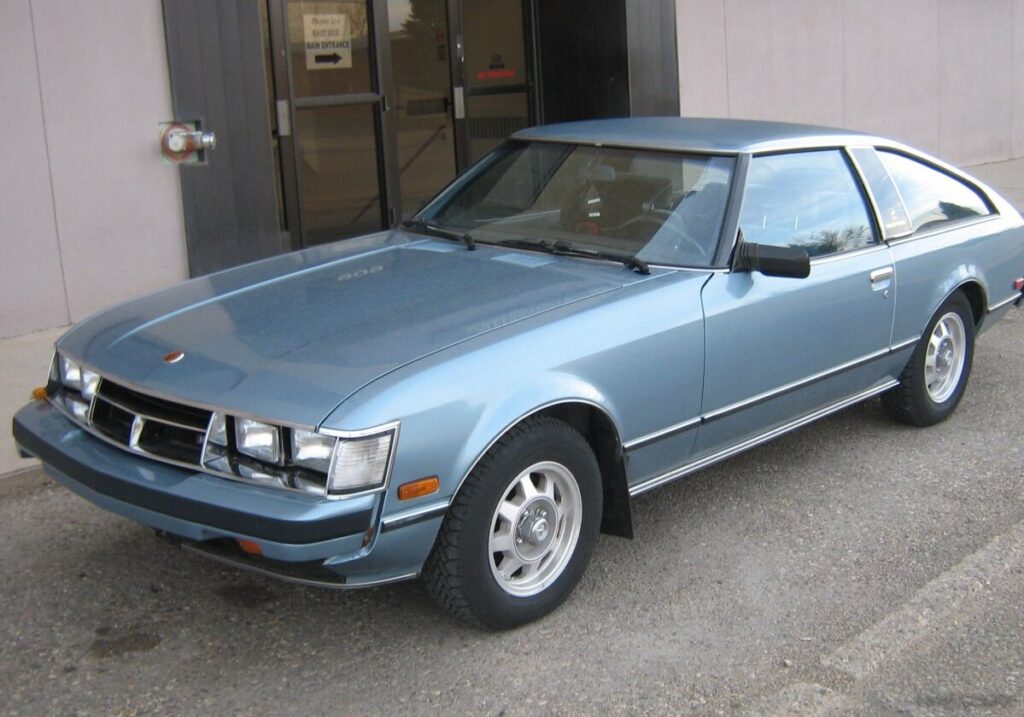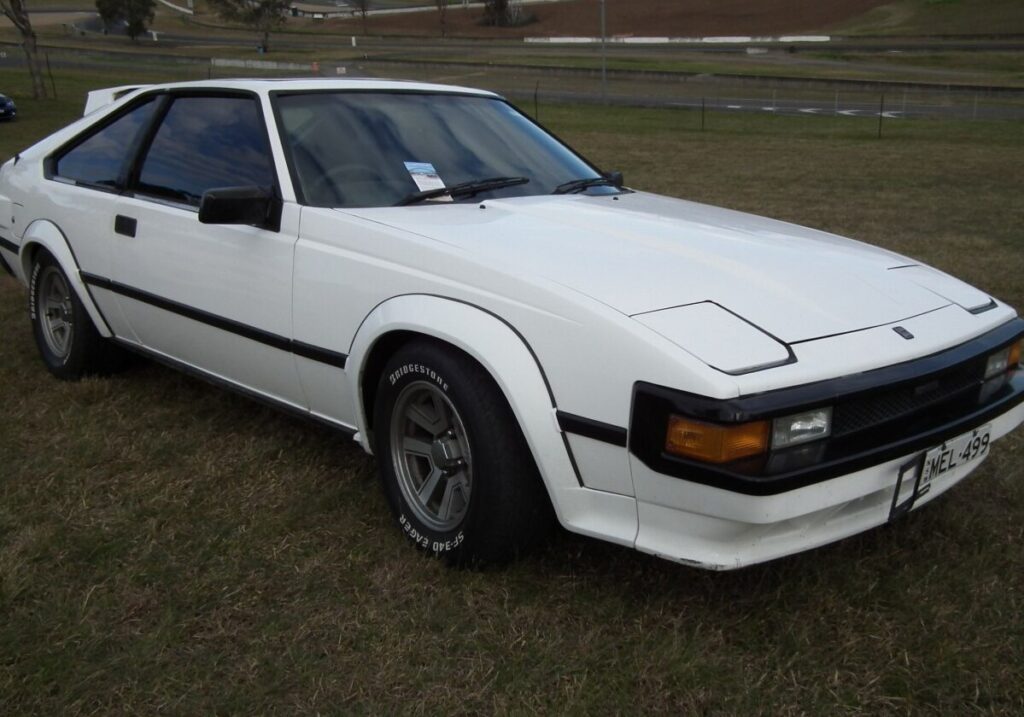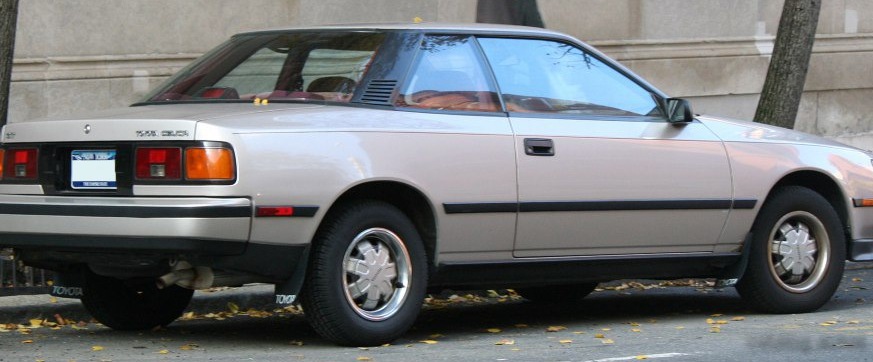
The Toyota Celica T16, produced between 1986 and 1989, represented the fourth generation of Toyota’s iconic sports coupe. Within the T16 lineup, the 1.6 GT 16V, powered by the 4A-GE engine and producing 124 horsepower, occupied a significant position as a performance-oriented variant. This model bridged the gap between the more basic Celica trims and the higher-performance, turbocharged versions, offering a compelling blend of affordability, handling, and spirited driving. It was built on the T16 platform, known for its front-engine, rear-wheel-drive configuration – a layout increasingly rare in the mid-1980s – and its focus on driver engagement.
Technical Specifications
| Brand | Toyota |
| Model | Celica |
| Generation | Celica (T16) |
| Type (Engine) | 1.6 GT 16V (124 Hp) |
| Start of production | 1986 |
| End of production | 1989 |
| Powertrain Architecture | Internal Combustion engine |
| Body type | Coupe |
| Doors | 2 |
| Fuel Type | Petrol (Gasoline) |
| Power | 124 Hp |
| Engine Model/Code | 4A-GE |
| Engine aspiration | Naturally aspirated engine |
| Engine oil capacity | 3.3 l (3.49 US qt | 2.9 UK qt) |
| Coolant capacity | 6 l (6.34 US qt | 5.28 UK qt) |
Powertrain & Engine Architecture
The heart of the Celica 1.6 GT 16V is the 4A-GE engine, a 1.6-liter (1587 cc) inline-four cylinder powerplant. This engine is notable for its dual overhead camshafts (DOHC) and 16 valves, a configuration that allowed for improved breathing and higher revs compared to simpler single overhead cam designs. The 4A-GE utilized Toyota’s T-VIS (Toyota Variable Intake System) which employed butterfly valves in the intake manifold to optimize airflow at different engine speeds, enhancing both low-end torque and high-end horsepower. Fuel delivery was managed by electronic fuel injection (EFI), contributing to improved fuel efficiency and reduced emissions. The engine’s block was cast iron, providing durability, while the cylinder head was aluminum, helping to reduce weight. While a five-speed manual transmission was the most common pairing, an optional four-speed automatic transmission was also available, though it did impact performance. The automatic transmission, while offering convenience, was not known for its particularly quick shifts or sporty feel.
Driving Characteristics
The 1.6 GT 16V Celica offered a noticeably more engaging driving experience than the base models. With 124 horsepower and approximately 110 lb-ft of torque, it provided brisk acceleration, especially when equipped with the five-speed manual. The manual transmission allowed drivers to fully exploit the engine’s powerband, keeping the engine in the optimal rev range for spirited driving. The automatic transmission, while smooth, resulted in a more relaxed, but less responsive, driving experience. Gear ratios were tuned to balance acceleration and fuel economy. The rear-wheel-drive layout contributed to balanced handling, although the Celica T16 wasn’t a dedicated track car. It was more of a grand tourer, capable of providing enjoyable performance on public roads. Compared to the later turbocharged Celica variants (like the GT-Four), the 1.6 GT 16V offered a more linear power delivery and a lighter, more nimble feel.
Equipment & Trim Levels
The 1.6 GT 16V trim level generally included features such as power steering, upgraded interior trim, and a more comprehensive instrument cluster. Interior upholstery typically consisted of cloth seats, although leather was sometimes available as an option. The dashboard featured a sporty design with analog gauges for speed, tachometer, temperature, and fuel level. Optional extras included a sunroof, upgraded audio systems, and alloy wheels. The GT 16V was positioned as a mid-range offering, providing a step up in performance and features compared to the base Celica models, but without the higher price tag and more aggressive styling of the GT-Four. The interior, while functional, was typical of 1980s Japanese automotive design – durable and practical, but not overly luxurious.
Chassis & Braking
The Celica T16 chassis was a monocoque construction, providing a good balance of rigidity and weight. The suspension consisted of independent MacPherson struts at the front and a semi-trailing arm suspension at the rear. Stabilizer bars were fitted to both the front and rear axles, helping to reduce body roll during cornering. Braking was typically accomplished with disc brakes at the front and drum brakes at the rear. The braking system was adequate for the car’s performance, but lacked the stopping power of more modern systems. The rear drum brakes were a cost-saving measure and a point of criticism for some reviewers. Steering was rack-and-pinion, providing precise and responsive handling.
Market Reception & Comparison
The Celica 1.6 GT 16V was generally well-received by automotive critics. It was praised for its responsive engine, balanced handling, and attractive styling. However, some reviewers noted that the automatic transmission diminished the driving experience. Compared to other sports coupes of the era, such as the Mazda RX-7 and Nissan 240SX, the Celica offered a more affordable entry point into the sports car market. Fuel economy was respectable for a performance-oriented vehicle, averaging around 25-30 mpg in mixed driving. Reliability was generally good, consistent with Toyota’s reputation for building durable vehicles. The 1.6 GT 16V offered a compelling alternative to the more expensive and powerful turbocharged Celica variants, appealing to buyers who prioritized handling and affordability over outright speed.
Legacy
The Celica T16 1.6 GT 16V has become a popular choice among classic car enthusiasts. The 4A-GE engine is known for its durability and tunability, making it a favorite among those who enjoy modifying and restoring older vehicles. While finding pristine examples can be challenging, well-maintained Celicas from this era are becoming increasingly collectible. The powertrain, while not without its quirks, has proven to be relatively reliable over the long term. The rear-wheel-drive layout and engaging driving dynamics continue to appeal to drivers who appreciate a more analog driving experience. Today, the Celica 1.6 GT 16V represents a significant chapter in Toyota’s sports car history, embodying the spirit of the 1980s and offering a unique blend of performance, style, and affordability.