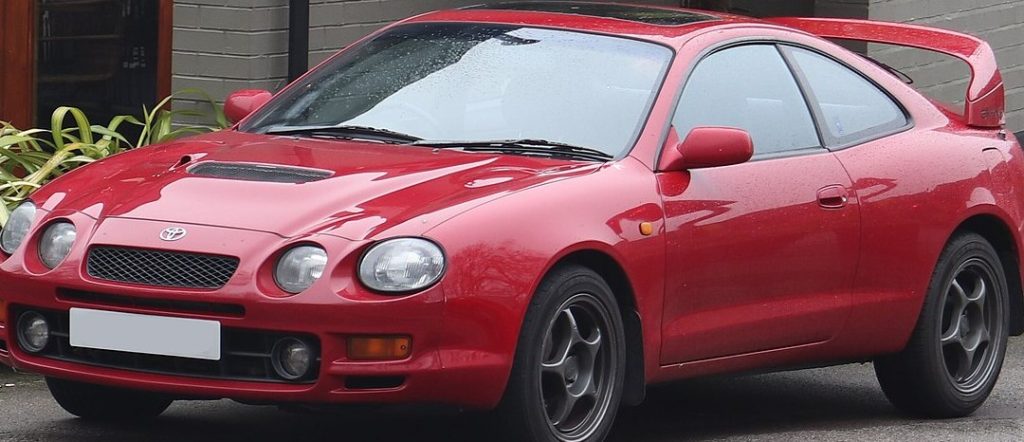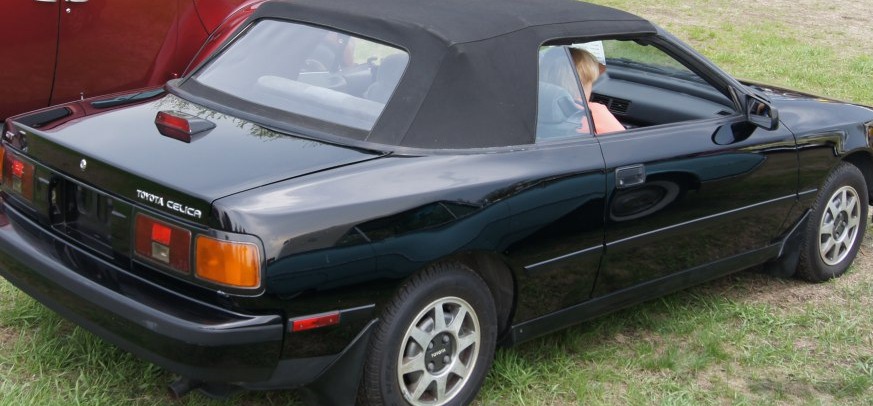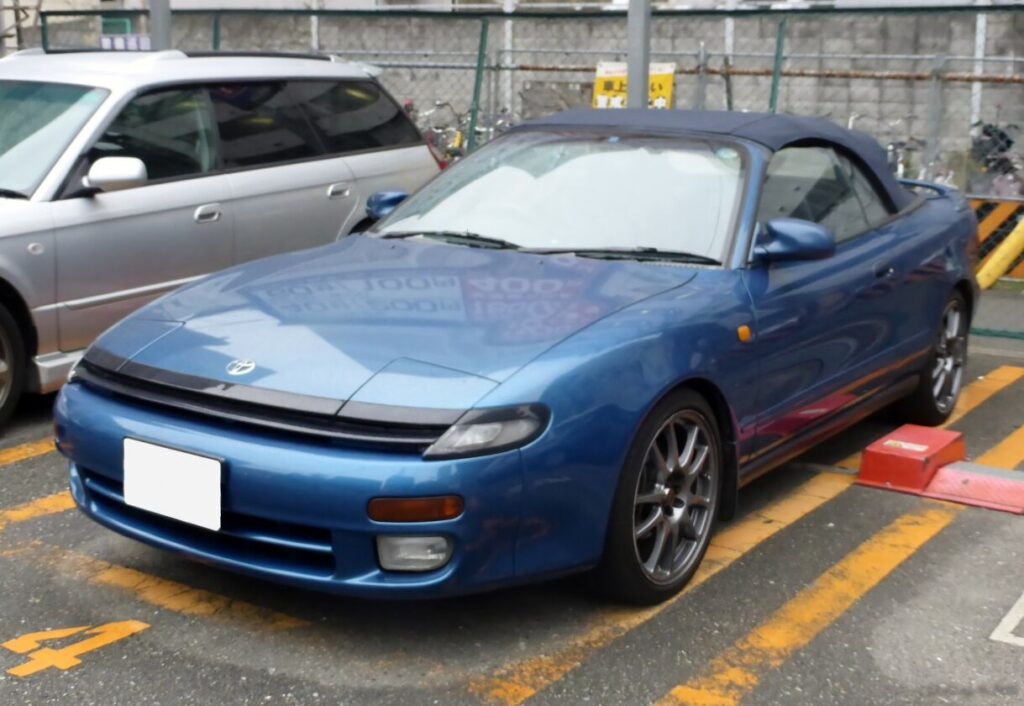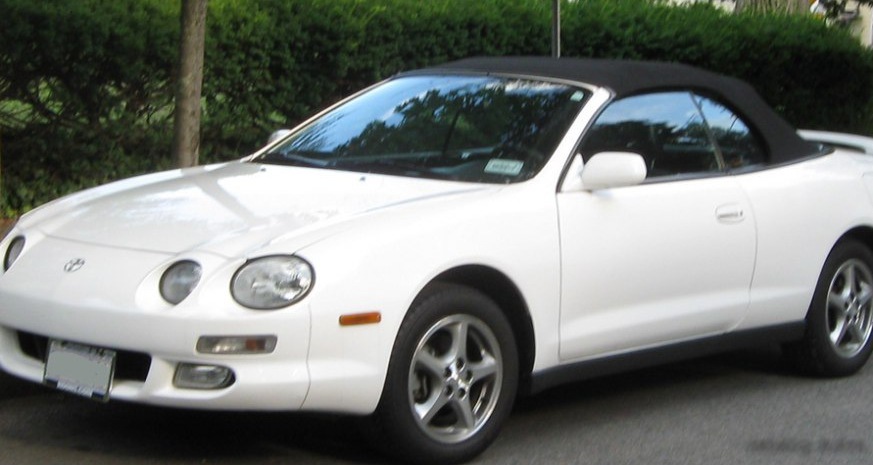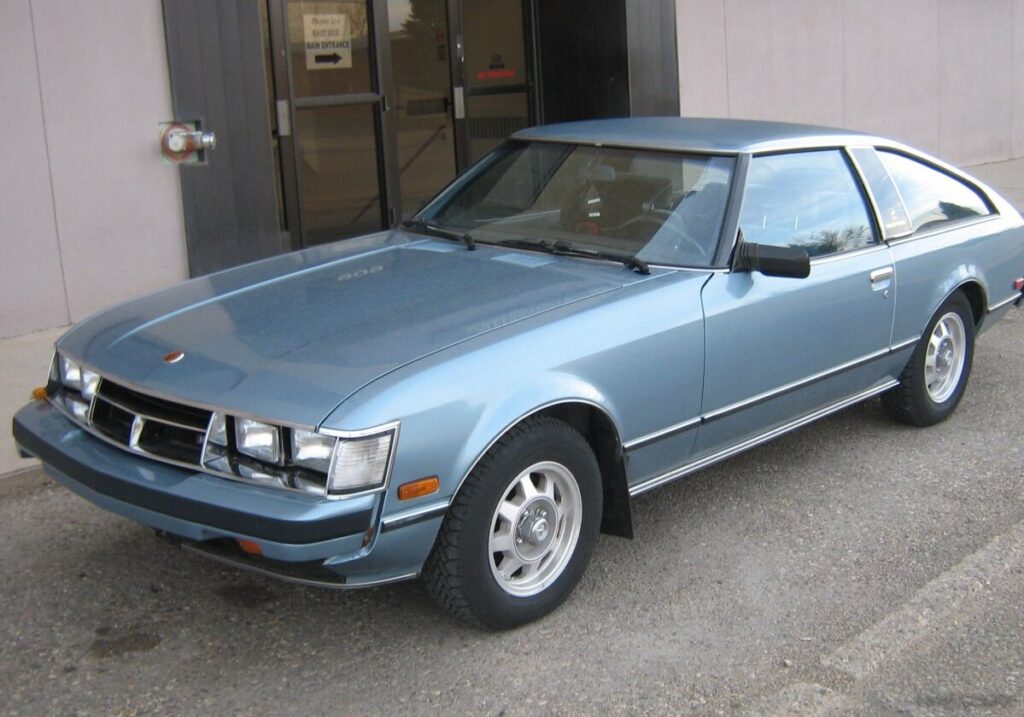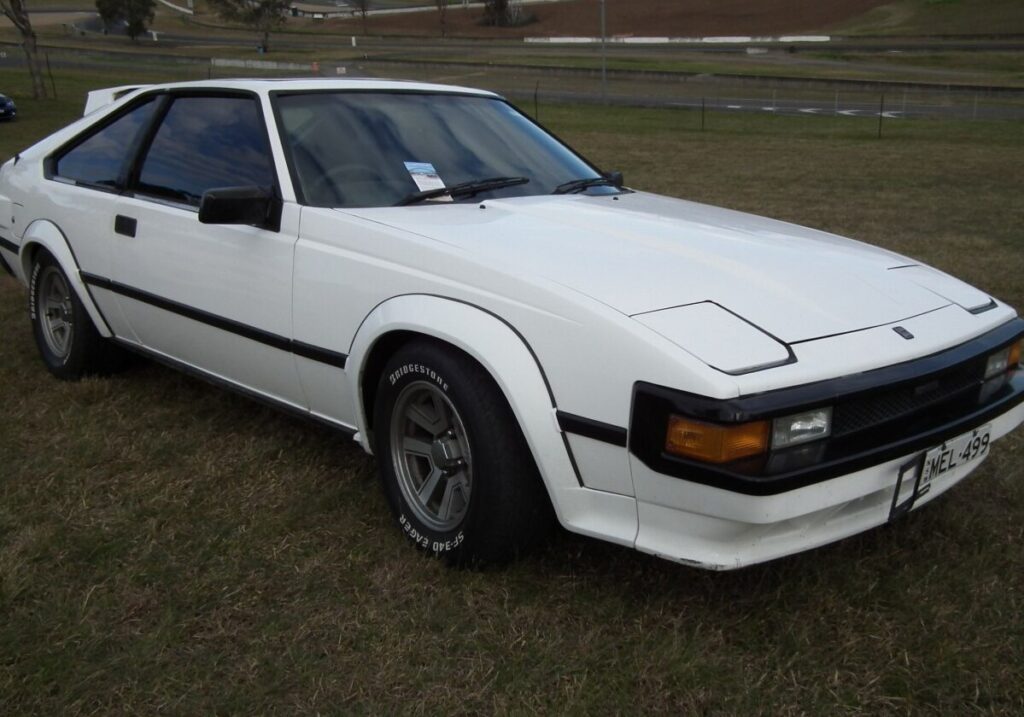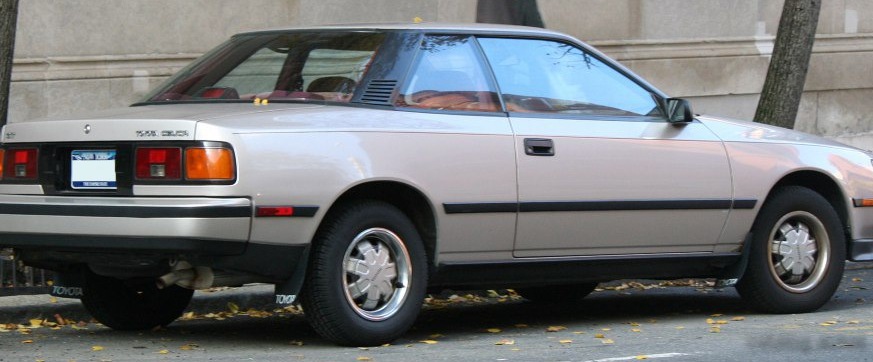
The Toyota Celica T16, produced between 1987 and 1990, represented the fourth generation of Toyota’s iconic sports coupe. Within the T16 lineup, the 2.0 GT variant, boasting 150 horsepower, occupied a significant position as a performance-oriented model, bridging the gap between the more economical base trims and the higher-performance, turbocharged versions. This generation Celica, built on the A60 platform, aimed to deliver a blend of sporty handling, modern styling, and reliable Toyota engineering, primarily targeting the North American and Japanese markets. The T16 Celica marked a shift towards a more sophisticated and aerodynamic design compared to its predecessors.
Technical Specifications
| Brand | Toyota |
| Model | Celica |
| Generation | Celica (T16) |
| Type (Engine) | 2.0 GT (150 Hp) |
| Start of production | 1987 |
| End of production | 1990 |
| Powertrain Architecture | Internal Combustion engine |
| Body type | Coupe |
| Doors | 2 |
| Fuel Type | Petrol (Gasoline) |
| Power | 150 Hp @ 9000 rpm |
| Engine Model/Code | 3S-GE |
| Fuel injection system | Carburettor |
| Engine aspiration | Naturally aspirated engine |
| Engine oil capacity | 3.9 l (4.12 US qt | 3.43 UK qt) |
| Coolant capacity | 7 l (7.4 US qt | 6.16 UK qt) |
| Fuel tank capacity | 60 l (15.85 US gal | 13.2 UK gal) |
| Front brakes | Ventilated discs |
| Rear brakes | Disc |
| Assisting systems | ABS (Anti-lock braking system) |
Powertrain & Engine Architecture
The heart of the Celica 2.0 GT was the 3S-GE engine, a 1998cc (2.0-liter) inline-four cylinder powerplant. While often described as carbureted, the 3S-GE actually utilized electronic fuel injection (EFI) – a significant advancement over earlier Celica models. This EFI system, coupled with a high 9.6:1 compression ratio, allowed the engine to produce 150 horsepower at a relatively high 9,000 rpm and 132 lb-ft of torque at 6,800 rpm. The engine featured a DOHC (Double Overhead Camshaft) valvetrain with four valves per cylinder, contributing to its high-revving nature. The 3S-GE was known for its responsiveness and willingness to rev, making it a popular choice among enthusiasts. The engine was paired with a four-speed automatic transmission, offering smooth shifts but sacrificing some of the performance potential available with the five-speed manual option. The automatic transmission was geared towards comfortable cruising rather than aggressive acceleration.
Driving Characteristics
The Celica 2.0 GT automatic offered a comfortable and engaging driving experience. While not as overtly sporty as the manual transmission versions, the automatic provided a smooth and effortless driving experience, particularly in city traffic. The automatic transmission’s gear ratios were optimized for fuel efficiency and relaxed cruising, resulting in slightly slower acceleration compared to the manual. The 0-60 mph time was typically around 8.5-9 seconds, respectable for the late 1980s but noticeably slower than the manual counterpart. The Celica’s independent suspension – MacPherson struts in the front and a semi-independent double wishbone setup in the rear – provided good handling and a relatively comfortable ride. Steering was responsive, and the car felt well-balanced in corners, although body roll was present during more aggressive maneuvers.
Equipment & Trim Levels
The 2.0 GT trim level was considered a mid-range offering within the T16 Celica lineup. Standard features included power steering, power brakes, a tilt steering wheel, and a basic sound system. The interior typically featured cloth upholstery, although leather options were available. The dashboard layout was functional and driver-focused, with clearly marked gauges and easy-to-reach controls. Optional extras included air conditioning, a sunroof, upgraded sound systems, and alloy wheels. The GT trim also featured a rear spoiler, adding to the car’s sporty appearance. The interior materials, while durable, were not particularly luxurious, reflecting the car’s price point.
Chassis & Braking
The Celica T16 utilized a unibody construction, providing a good balance of rigidity and weight. The front suspension employed MacPherson struts with stabilizer bar, while the rear featured a semi-independent double wishbone setup. The braking system consisted of ventilated discs on the front wheels and solid discs on the rear, providing adequate stopping power for most driving situations. The inclusion of ABS (Anti-lock Braking System) was a notable feature for the time, enhancing safety and control during hard braking. The Celica’s relatively lightweight construction – around 2,600 lbs – contributed to its nimble handling characteristics. Tire size was typically 195/60R15.
Market Reception & Comparison
The Celica 2.0 GT automatic was generally well-received by automotive critics. It was praised for its responsive engine, comfortable ride, and sporty handling. However, some reviewers noted that the automatic transmission dulled the car’s performance potential compared to the manual version. Compared to other coupes in its class, such as the Honda Prelude and Nissan 240SX, the Celica offered a compelling combination of performance, reliability, and value. The 2.0 GT automatic typically achieved fuel economy figures of around 22 mpg city and 28 mpg highway. Reliability was a strong point for the Celica, with the 3S-GE engine proving to be durable and long-lasting. The turbocharged Celica GT-Four was the performance flagship, offering significantly more power but at a higher price point and with increased maintenance requirements.
Legacy
The Toyota Celica T16 2.0 GT automatic has maintained a loyal following among enthusiasts. The 3S-GE engine is known for its robustness and relatively simple maintenance requirements. While finding well-maintained examples can be challenging, these Celicas are becoming increasingly collectible. Common issues include age-related wear and tear on suspension components and potential for oil leaks. The automatic transmission, while reliable, may require servicing after many years of use. Today, the Celica T16 2.0 GT represents a piece of automotive history, embodying the spirit of the late 1980s sports coupe. Its blend of style, performance, and reliability continues to appeal to a new generation of drivers and collectors.