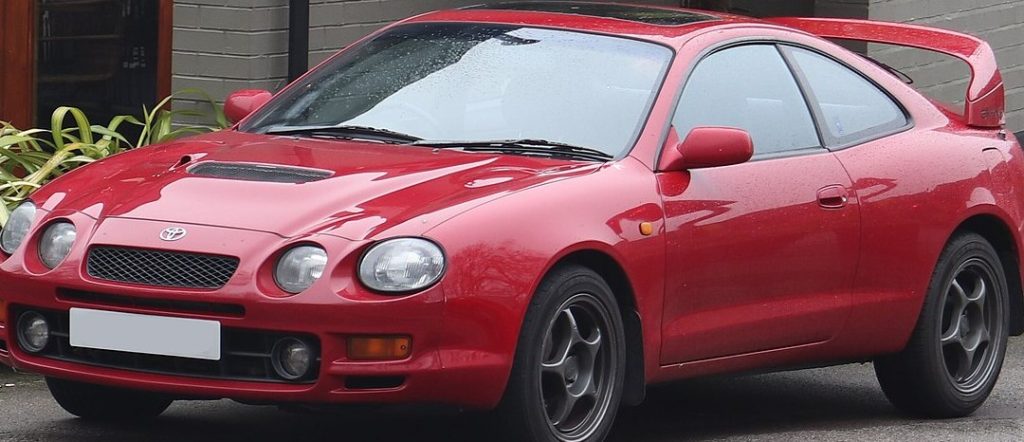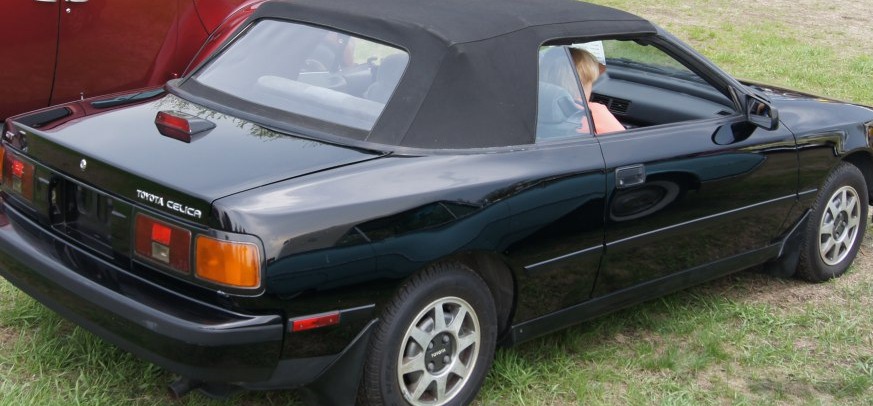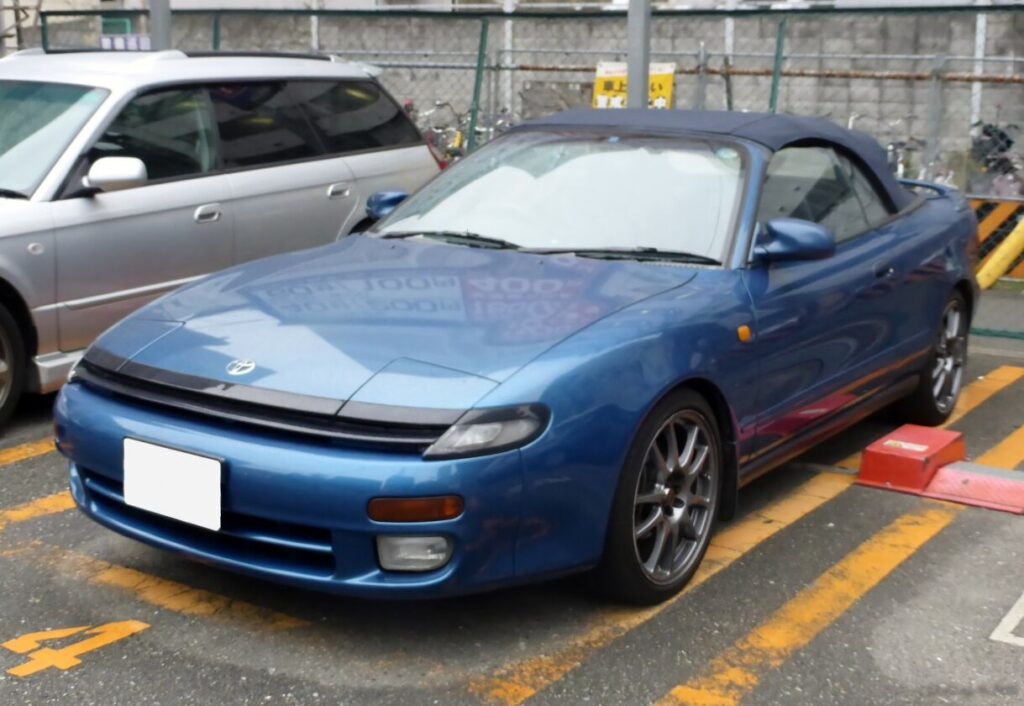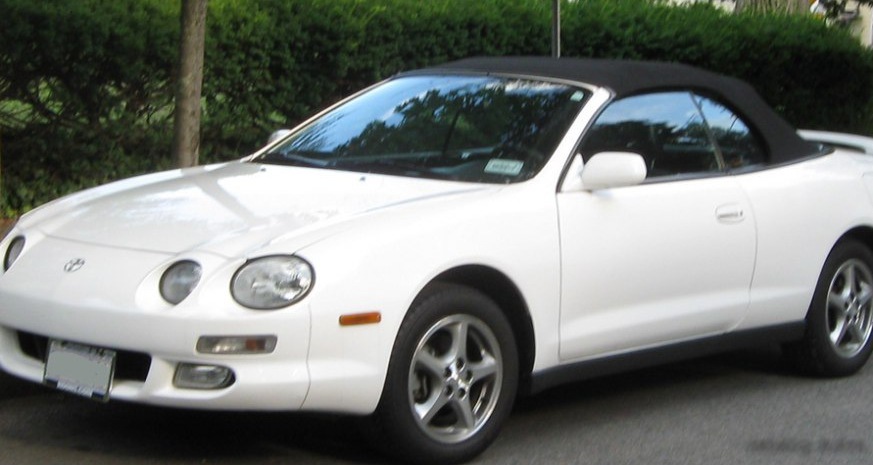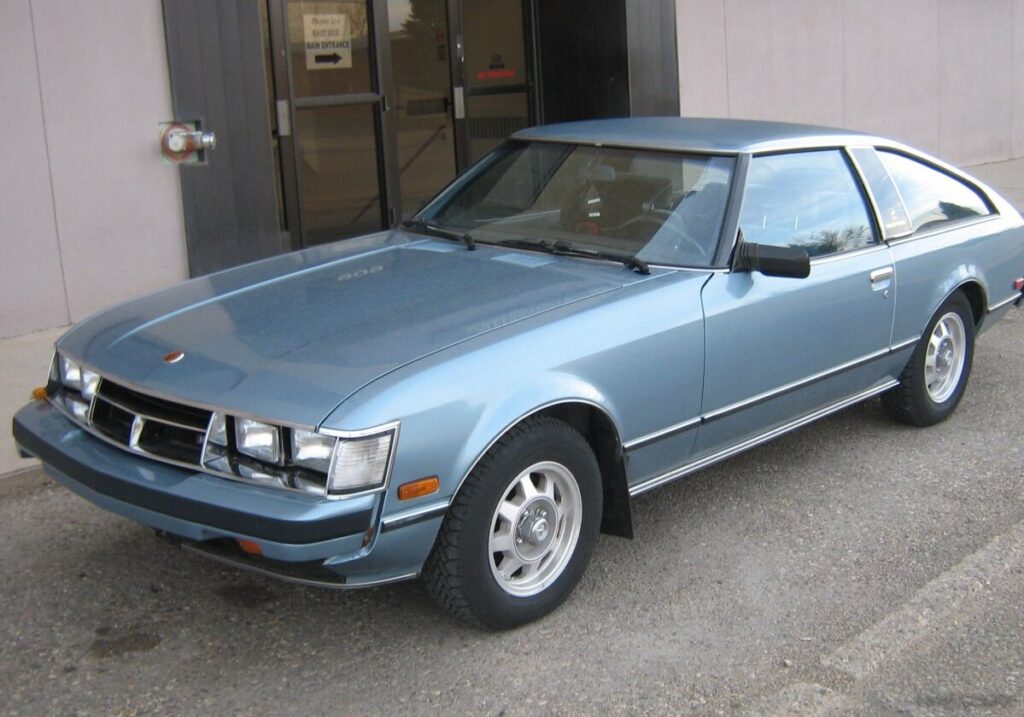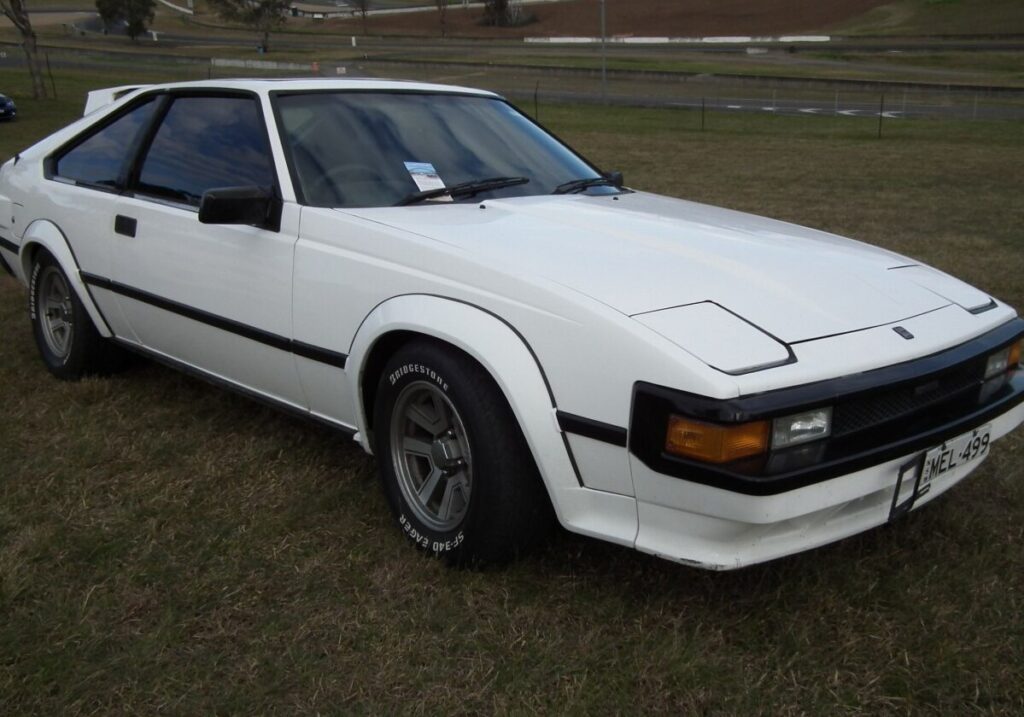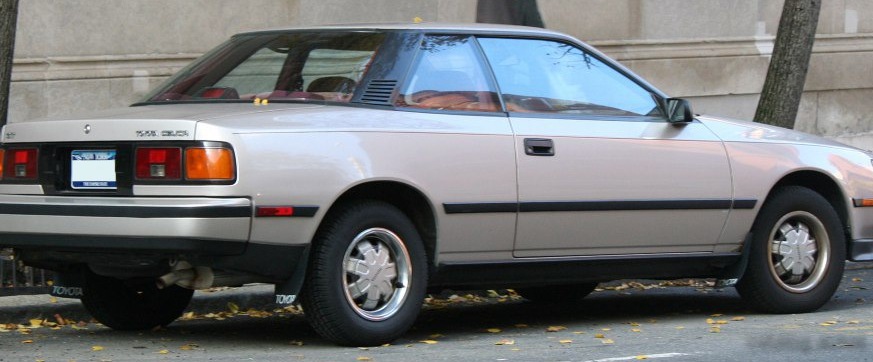
The Toyota Celica T16 2.0 GTi, produced between 1988 and 1990, represents a significant evolution in the Celica lineage. Part of the sixth generation (T16), this variant occupied a mid-range position within the Celica lineup, offering a balance between performance and affordability. It was primarily marketed towards enthusiasts seeking a sporty coupe with a respectable level of equipment. The T16 generation marked a shift towards a more modern, aerodynamic design, and the 2.0 GTi model was a key player in establishing the Celica’s reputation as a capable and stylish sports coupe in both domestic Japanese and export markets.
Technical Specifications
| Brand | Toyota |
| Model | Celica |
| Generation | Celica (T16) |
| Type | 2.0 GTi (140 Hp) |
| Start of production | 1988 |
| End of production | 1990 |
| Powertrain Architecture | Internal Combustion engine |
| Body type | Coupe |
| Seats | 4 |
| Doors | 3 |
| Fuel consumption (urban) | 9.6 l/100 km (24.5 US mpg) |
| Fuel consumption (extra urban) | 6 l/100 km (39.2 US mpg) |
| Fuel consumption (combined) | 8 l/100 km (29.4 US mpg) |
| Fuel Type | Petrol (Gasoline) |
| Acceleration 0 – 100 km/h | 8.8 sec |
| Acceleration 0 – 62 mph | 8.8 sec |
| Acceleration 0 – 60 mph | 8.4 sec |
| Maximum speed | 205 km/h (127.38 mph) |
| Weight-to-power ratio | 8.4 kg/Hp |
| Weight-to-torque ratio | 6.7 kg/Nm |
| Power | 140 Hp @ 6200 rpm |
| Power per litre | 70.1 Hp/l |
| Torque | 175 Nm @ 4800 rpm (129.07 lb.-ft. @ 4800 rpm) |
| Engine layout | Front, Transverse |
| Engine Model/Code | 3S-GE |
| Engine displacement | 1998 cm3 (121.93 cu. in.) |
| Number of cylinders | 4 |
| Engine configuration | Inline |
| Cylinder Bore | 86 mm (3.39 in.) |
| Piston Stroke | 86 mm (3.39 in.) |
| Compression ratio | 9.8:1 |
| Number of valves per cylinder | 4 |
| Fuel injection system | Multi-port manifold injection |
| Engine aspiration | Naturally aspirated engine |
| Valvetrain | DOHC |
| Engine oil capacity | 4.2 l (4.44 US qt | 3.7 UK qt) |
| Coolant capacity | 7 l (7.4 US qt | 6.16 UK qt) |
| Kerb Weight | 1180 kg (2601.45 lbs.) |
| Max. weight | 1620 kg (3571.49 lbs.) |
| Max load | 440 kg (970.03 lbs.) |
| Fuel tank capacity | 60 l (15.85 US gal | 13.2 UK gal) |
| Max. roof load | 100 kg (220.46 lbs.) |
| Permitted trailer load (braked) | 1180 kg (2601.45 lbs.) |
| Permitted trailer load (unbraked) | 500 kg (1102.31 lbs.) |
| Length | 4365 mm (171.85 in.) |
| Width | 1710 mm (67.32 in.) |
| Height | 1290 mm (50.79 in.) |
| Wheelbase | 2525 mm (99.41 in.) |
| Front track | 1465 mm (57.68 in.) |
| Rear track | 1430 mm (56.3 in.) |
| Drivetrain | Front wheel drive |
| Number of gears | 5 gears, manual transmission |
| Front suspension | Independent, McPherson with coil spring and anti-roll bar |
| Rear suspension | Independent multi-link suspension, Transverse stabilizer |
| Front brakes | Ventilated discs |
| Rear brakes | Disc |
| Assisting systems | ABS (Anti-lock braking system) |
| Steering type | Steering rack and pinion |
| Power steering | Hydraulic |
| Tires size | 195/60 R14 |
| Wheel rims size | 6J x 14 |
Powertrain & Engine Architecture
The heart of the Celica 2.0 GTi is the 3S-GE engine, a 1998cc inline-four cylinder powerplant. This engine is notable for its dual overhead camshafts (DOHC) and multi-port fuel injection, technologies that contributed to its relatively high output for the time. The 3S-GE featured a 9.8:1 compression ratio, optimizing for both performance and fuel efficiency. The engine produced 140 horsepower at 6200 rpm and 175 Nm (129 lb-ft) of torque at 4800 rpm. The five-speed manual transmission was standard, providing drivers with precise control over the engine’s power band. The transmission’s gear ratios were tuned to maximize acceleration and maintain reasonable fuel economy during highway cruising.
Driving Characteristics
The Celica 2.0 GTi with the manual transmission offered a responsive and engaging driving experience. Acceleration from 0 to 60 mph was achieved in approximately 8.4 seconds, and the car could reach a top speed of 205 km/h (127 mph). The engine’s power delivery was linear, with a noticeable surge in the mid-range. The chassis was well-balanced, providing good handling characteristics. Compared to lower-spec Celica models with smaller engines, the 2.0 GTi offered significantly improved performance. While not as powerful as the later turbocharged Celica variants, it provided a satisfying level of performance for everyday driving and spirited weekend excursions.
Equipment & Trim Levels
The 2.0 GTi trim level came reasonably well-equipped for its era. Standard features typically included power steering, alloy wheels, a rear spoiler, and a sporty interior with bolstered seats. The interior featured a dedicated instrument cluster with a tachometer. Optional extras could include a sunroof, upgraded audio systems, and air conditioning. The interior trim was generally focused on functionality and durability, with a blend of cloth and vinyl upholstery.
Chassis & Braking
The Celica T16 utilized an independent suspension system on both the front and rear axles. The front suspension employed a McPherson strut design with coil springs and an anti-roll bar, while the rear featured a multi-link setup with a transverse stabilizer. This suspension configuration provided a comfortable ride while maintaining good handling characteristics. The braking system consisted of ventilated discs on the front wheels and solid discs on the rear. An Anti-lock Braking System (ABS) was included as standard, enhancing safety and control during hard braking situations.
Market Reception & Comparison
The Celica 2.0 GTi was generally well-received by automotive critics. It was praised for its sporty handling, responsive engine, and attractive styling. Compared to other coupes in its class, such as the Honda Prelude and Nissan 240SX, the Celica offered a compelling combination of performance, features, and value. Fuel economy was respectable for a sports coupe of the time, averaging around 29.4 US mpg in combined driving. Reliability was also a strong point, with the 3S-GE engine proving to be durable and long-lasting.
Legacy
The Toyota Celica T16 2.0 GTi remains a popular choice among enthusiasts today. The 3S-GE engine is known for its reliability and tunability, making it a favorite for modifications and performance upgrades. While finding well-maintained examples can be challenging, the Celica 2.0 GTi continues to offer a rewarding driving experience and a connection to Toyota’s rich sports car heritage. Parts availability is generally good, and the car’s relatively simple mechanical design makes it accessible for DIY maintenance and repairs. The T16 generation Celica, and the 2.0 GTi variant in particular, cemented the Celica’s place as a desirable and iconic sports coupe of the late 1980s and early 1990s.