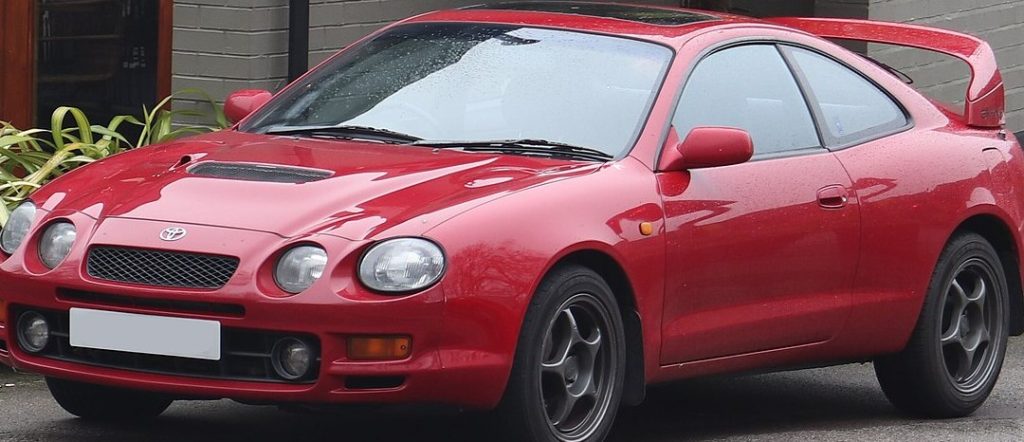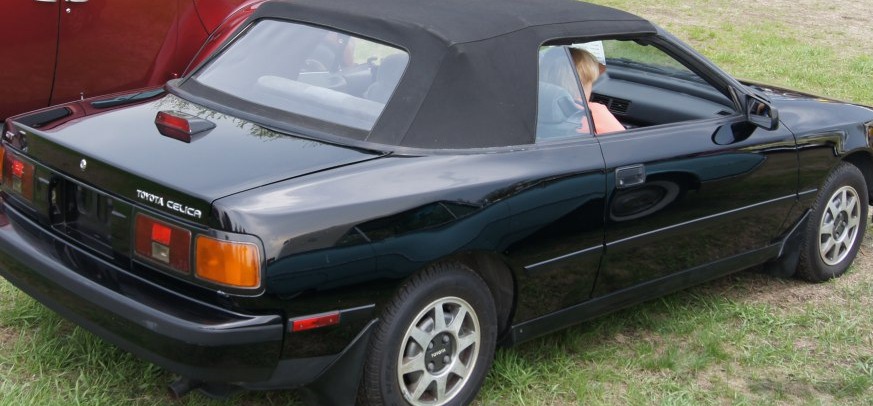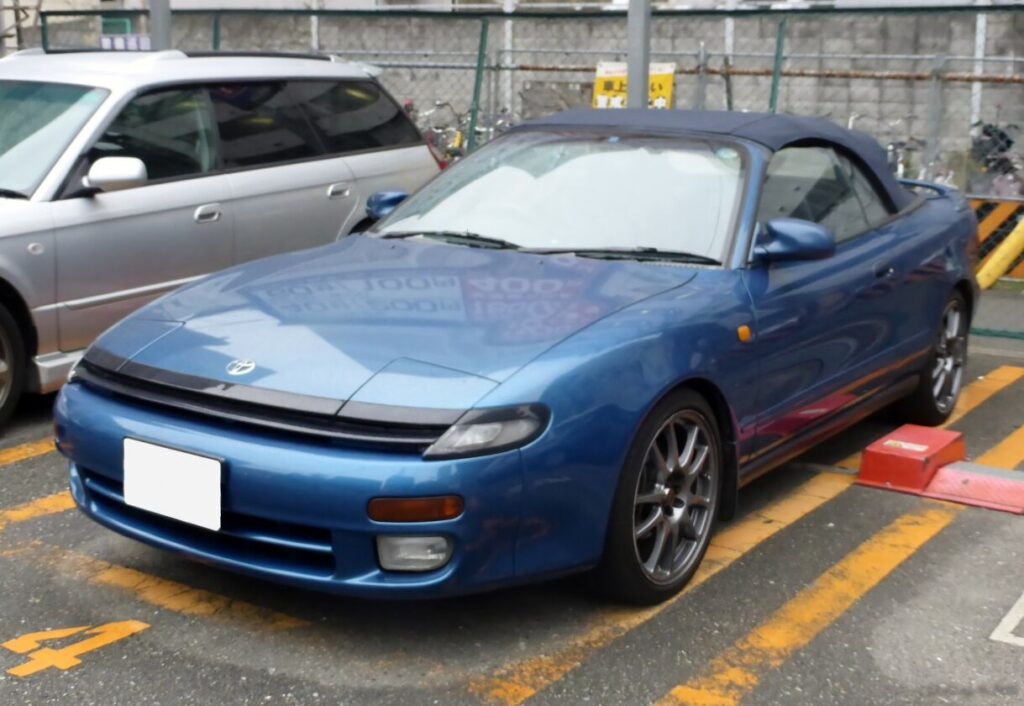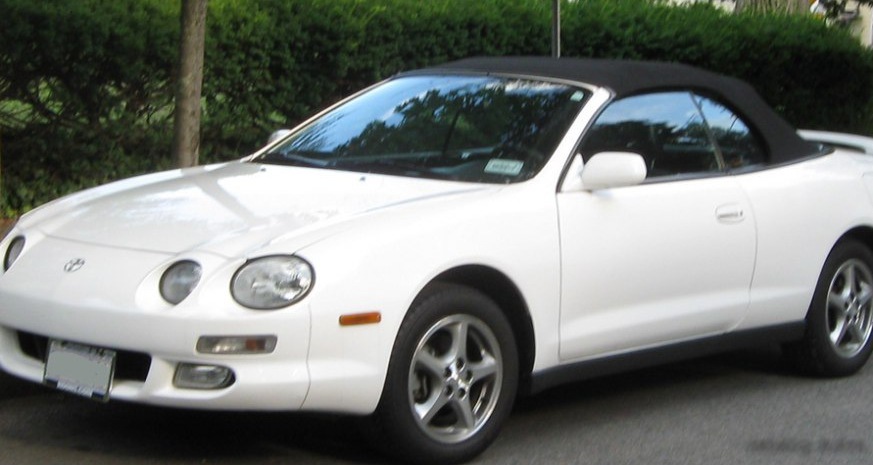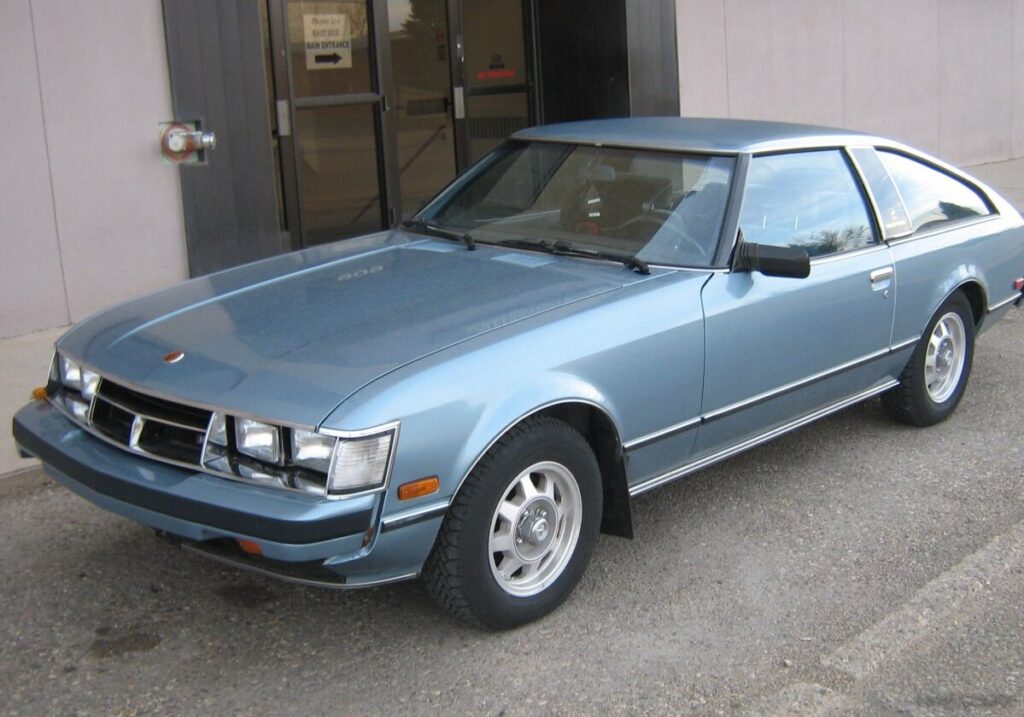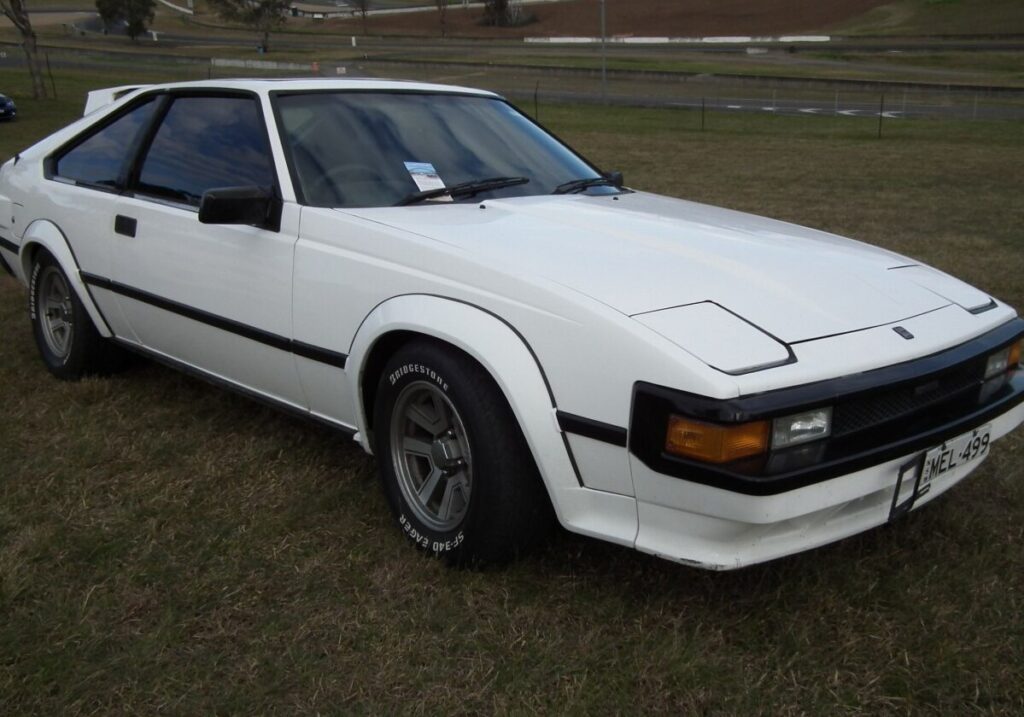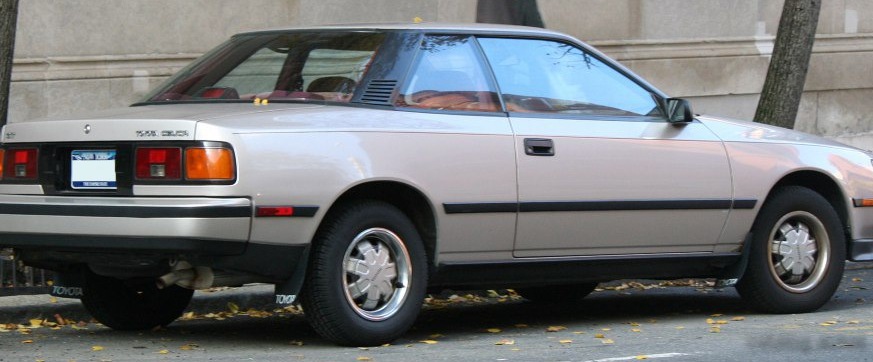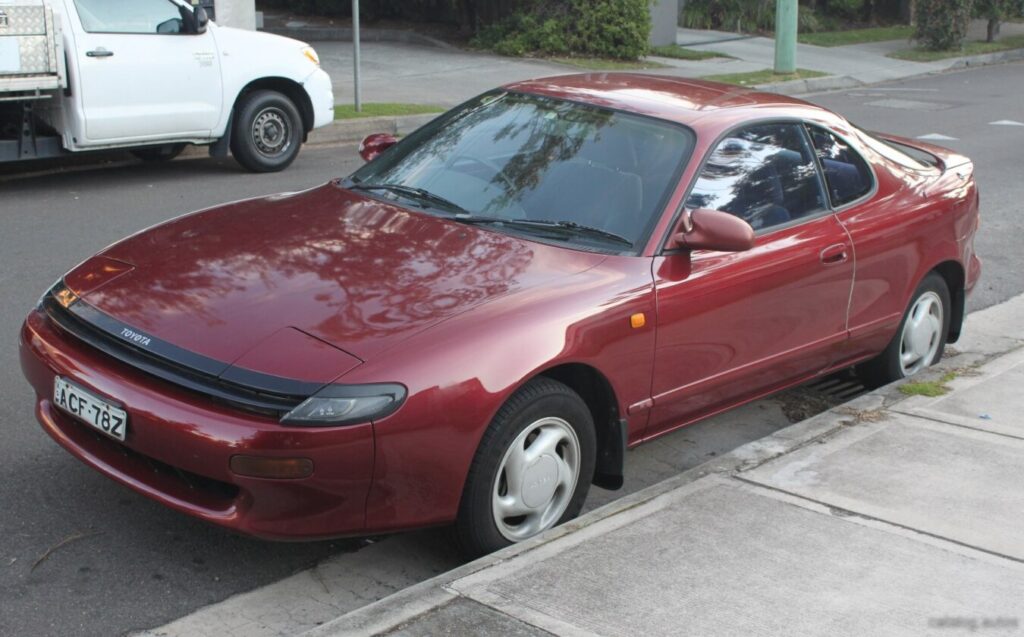
The Toyota Celica T18, produced between 1993 and 1994, represented the sixth generation of Toyota’s iconic sports coupe. Positioned as a more accessible entry point into the Celica lineup, the 1.8i 16V Automatic variant offered a blend of style, comfort, and reasonable performance. This model occupied the lower-mid range of the T18 series, sitting below the more potent 2.2-liter models and offering a more relaxed driving experience compared to the available manual transmission options. It was primarily marketed towards buyers seeking a stylish and reliable coupe with the convenience of an automatic gearbox, particularly in markets where manual transmissions were less popular.
Technical Specifications
| Brand | Toyota |
| Model | Celica |
| Generation | Celica (T18) |
| Type (Engine) | 1.8i 16V (115 Hp) Automatic |
| Start of production | 1993 |
| End of production | 1994 |
| Powertrain Architecture | Internal Combustion engine |
| Body type | Coupe |
| Seats | 5 |
| Doors | 3 |
| Fuel consumption (urban) | 11 l/100 km (21.4 US mpg) |
| Fuel consumption (extra urban) | 7 l/100 km (33.6 US mpg) |
| Fuel Type | Petrol (Gasoline) |
| Maximum speed | 195 km/h (121.17 mph) |
| Weight-to-power ratio | 10.4 kg/Hp |
| Weight-to-torque ratio | 7.7 kg/Nm |
| Power | 115 Hp @ 5400 rpm |
| Power per litre | 65.3 Hp/l |
| Torque | 155 Nm @ 2800 rpm (114.32 lb.-ft. @ 2800 rpm) |
| Engine layout | Front, Transverse |
| Engine Model/Code | 7A-FE |
| Engine displacement | 1762 cm3 (107.52 cu. in.) |
| Number of cylinders | 4 |
| Engine configuration | Inline |
| Cylinder Bore | 81 mm (3.19 in.) |
| Piston Stroke | 85.5 mm (3.37 in.) |
| Compression ratio | 9.5:1 |
| Number of valves per cylinder | 4 |
| Fuel injection system | Multi-port manifold injection |
| Engine aspiration | Naturally aspirated engine |
| Valvetrain | DOHC |
| Engine oil capacity | 3.7 l (3.91 US qt | 3.26 UK qt) |
| Coolant capacity | 6.1 l (6.45 US qt | 5.37 UK qt) |
| Kerb Weight | 1200 kg (2645.55 lbs.) |
| Trunk (boot) space | 320 l (11.3 cu. ft.) |
| Fuel tank capacity | 60 l (15.85 US gal | 13.2 UK gal) |
| Length | 4420 mm (174.02 in.) |
| Width | 1690 mm (66.54 in.) |
| Height | 1300 mm (51.18 in.) |
| Wheelbase | 2525 mm (99.41 in.) |
| Front track | 1465 mm (57.68 in.) |
| Rear track | 1430 mm (56.3 in.) |
| Drivetrain Architecture | Front wheel drive |
| Number of gears | 4 |
| Gearbox type | Automatic transmission |
| Front suspension | Spring Strut |
| Rear suspension | Coil spring |
| Front brakes | Ventilated discs |
| Rear brakes | Disc |
| Assisting systems | ABS (Anti-lock braking system) |
| Steering type | Steering rack and pinion |
| Power steering | Hydraulic Steering |
| Tires size | 185/70 R14 |
| Wheel rims size | 14 |
Powertrain & Engine Architecture
The heart of the Celica 1.8i Automatic is the 7A-FE engine, a 1.8-liter (1762 cc) inline-four cylinder powerplant. This engine utilizes a double overhead camshaft (DOHC) valvetrain with four valves per cylinder, contributing to its relatively efficient breathing. Fuel delivery is managed by a multi-port fuel injection system, ensuring precise fuel metering for optimal combustion. The 7A-FE is a non-interference engine, meaning the valves and pistons won’t collide even if the timing belt breaks, which is a positive attribute for long-term reliability. The engine produces 115 horsepower at 5400 rpm and 155 Nm (114 lb-ft) of torque at 2800 rpm. This power is then sent to the front wheels via a four-speed automatic transmission. This transmission, while providing convenience, was not known for its particularly sporty or quick shifts. It was geared more towards smooth operation and fuel efficiency than outright performance.
Driving Characteristics
The 1.8i Automatic Celica offered a comfortable and predictable driving experience. Acceleration was adequate for everyday driving, but noticeably slower than the manual transmission versions or the higher-displacement 2.2-liter models. The automatic transmission’s gear ratios were optimized for fuel economy and smooth cruising, rather than aggressive acceleration. While the engine was willing to rev, the automatic transmission tended to hold onto gears for longer, diminishing the sense of urgency. The power steering provided light and easy steering, making it maneuverable in urban environments. However, it lacked the feedback preferred by more enthusiastic drivers. Overall, the driving experience was geared towards comfort and ease of use, making it a suitable choice for daily commuting and relaxed weekend drives.
Equipment & Trim Levels
The 1.8i Automatic trim typically included features such as power windows, power door locks, and an AM/FM stereo. Air conditioning was often standard, though some base models might have offered it as an option. Interior upholstery was typically cloth, with a relatively simple dashboard layout. Optional extras could include a sunroof, upgraded stereo systems, and alloy wheels. The interior design prioritized functionality and durability over luxury, reflecting the car’s positioning as an affordable sports coupe. The Celica T18 generally offered a good level of standard equipment for its price point, making it an attractive option for buyers seeking a well-equipped vehicle without breaking the bank.
Chassis & Braking
The Celica T18 utilized a front-engine, front-wheel-drive layout. Suspension consisted of a MacPherson strut setup at the front and a coil spring arrangement at the rear. The front brakes were ventilated discs, providing adequate stopping power, while the rear brakes were solid discs. Anti-lock Braking System (ABS) was standard, enhancing safety by preventing wheel lockup during hard braking. The chassis was relatively lightweight, contributing to the car’s nimble handling. However, the suspension was tuned for comfort rather than outright sportiness, resulting in a slightly softer ride. Stabilizer bars were included both front and rear, helping to reduce body roll during cornering.
Market Reception & Comparison
The Celica 1.8i Automatic received mixed reviews. Critics generally praised its stylish design and reliability, but noted that the automatic transmission detracted from the car’s sporty image. Compared to the manual transmission versions, the automatic was slower and less engaging to drive. The 2.2-liter models offered significantly more power and performance, but at a higher price point. Fuel economy was respectable, averaging around 21.4 mpg in the city and 33.6 mpg on the highway. In terms of reliability, the 7A-FE engine proved to be durable and long-lasting, with relatively few major issues reported. The automatic transmission, however, was sometimes criticized for its longevity, with some units experiencing issues after high mileage.
Legacy
The Toyota Celica T18 1.8i Automatic has become a popular choice among enthusiasts seeking an affordable and reliable classic coupe. The 7A-FE engine is known for its durability and relatively simple maintenance requirements. While the automatic transmission may not be as desirable as the manual, it offers a convenient and comfortable driving experience. Today, well-maintained examples of the Celica 1.8i Automatic can be found on the used car market, often at reasonable prices. Its enduring appeal lies in its combination of style, reliability, and affordability, making it a cherished vehicle for many car enthusiasts.