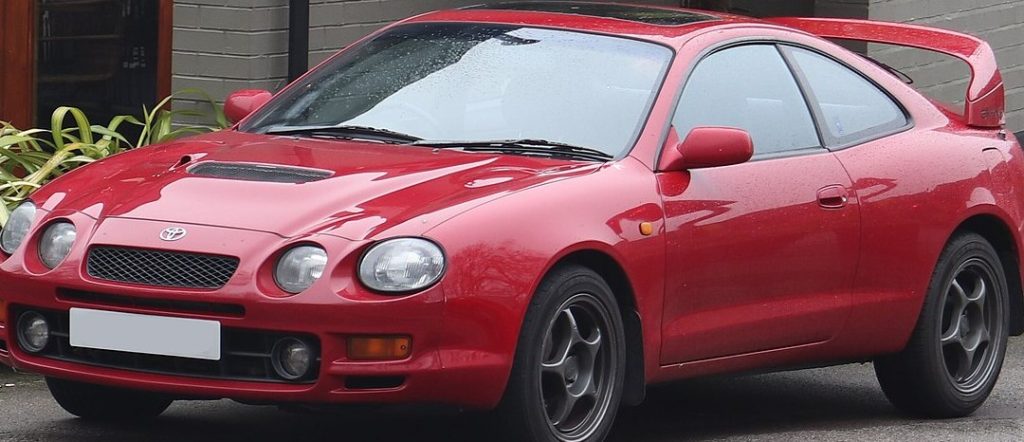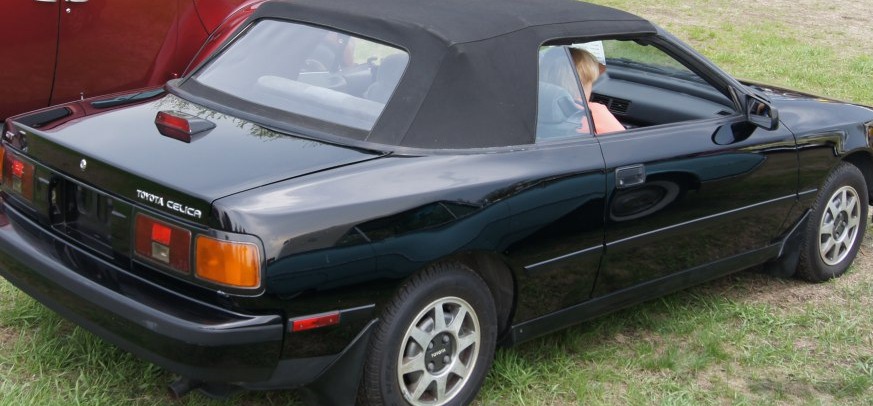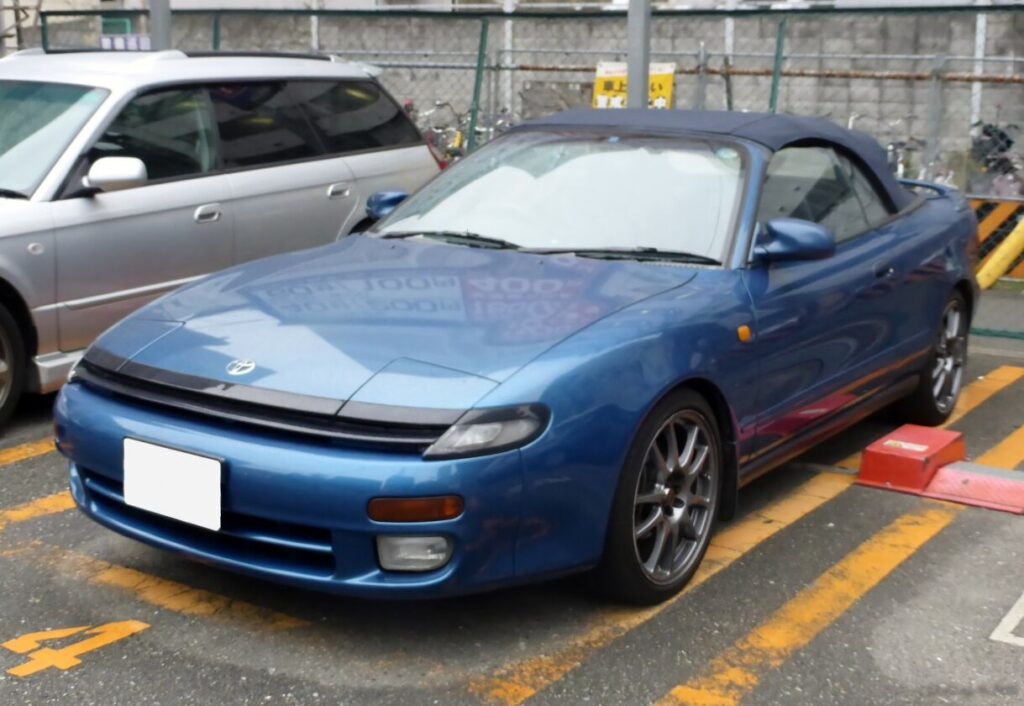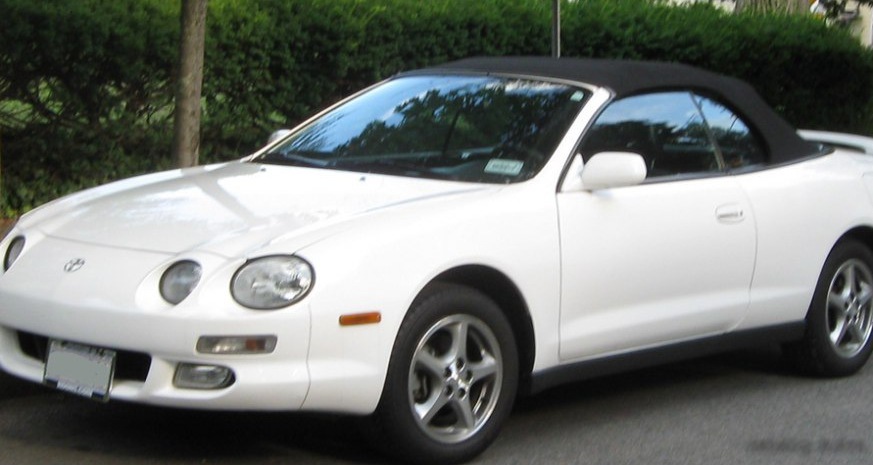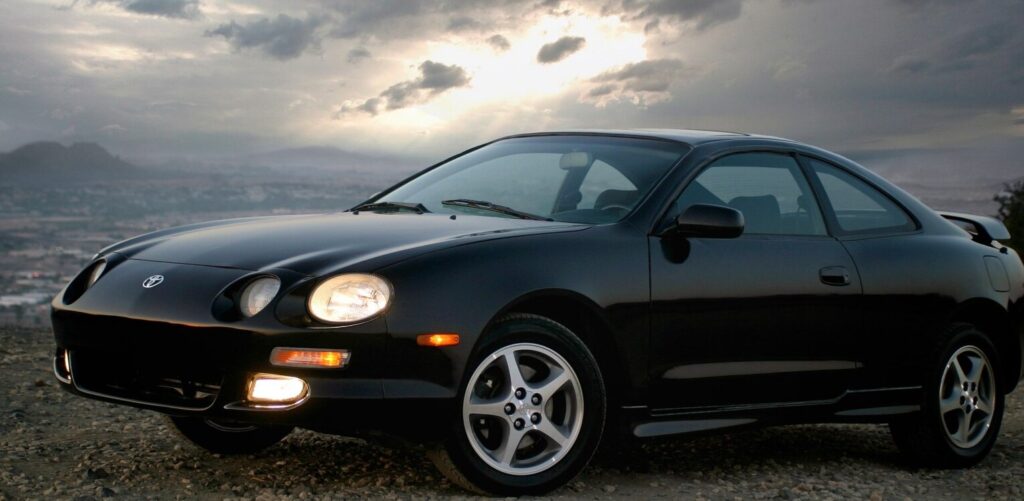
The Toyota Celica T20, produced from 1993 to 1999, represented the seventh generation of Toyota’s iconic sports coupe. This generation, known internally as the T20 series, marked a significant departure from its predecessors with a more rounded, aerodynamic design and a focus on a more youthful, performance-oriented market. The 2.0 i 16V variant, producing 175 horsepower, occupied a sweet spot in the Celica lineup, offering a balance between affordability, performance, and everyday usability. It served as a step up from the base 1.6L models, while remaining more accessible than the high-performance GT-Four (All-Trac Turbo) versions.
Technical Specifications
| Brand | Toyota |
| Model | Celica |
| Generation | Celica (T20) |
| Type (Engine) | 2.0 i 16V (175 Hp) |
| Start of production | 1993 |
| End of production | 1999 |
| Powertrain Architecture | Internal Combustion engine |
| Body type | Liftback |
| Seats | 4 |
| Doors | 3 |
| Fuel consumption (combined) | 8.2 l/100 km |
| Fuel consumption (US mpg) | 28.7 US mpg |
| Fuel consumption (UK mpg) | 34.4 UK mpg |
| Fuel consumption (km/l) | 12.2 km/l |
| Fuel Type | Petrol (Gasoline) |
| Acceleration 0 – 100 km/h | 8.1 sec |
| Acceleration 0 – 62 mph | 8.1 sec |
| Acceleration 0 – 60 mph | 7.7 sec |
| Maximum speed | 225 km/h (139.81 mph) |
| Weight-to-power ratio | 7.2 kg/Hp |
| Weight-to-torque ratio | 6.7 kg/Nm |
| Power | 175 Hp @ 7000 rpm |
| Power per litre | 87.6 Hp/l |
| Torque | 186 Nm @ 4400 rpm (137.19 lb.-ft. @ 4400 rpm) |
| Engine layout | Front, Transverse |
| Engine Model/Code | 3S-FE, 3S-GE |
| Engine displacement | 1998 cm3 (121.93 cu. in.) |
| Number of cylinders | 4 |
| Engine configuration | Inline |
| Cylinder Bore | 86 mm (3.39 in.) |
| Piston Stroke | 86 mm (3.39 in.) |
| Compression ratio | 10.3:1 |
| Number of valves per cylinder | 4 |
| Fuel injection system | Multi-port manifold injection |
| Engine aspiration | Naturally aspirated engine |
| Valvetrain | DOHC |
| Engine oil capacity | 3.9 l (4.12 US qt | 3.43 UK qt) |
| Kerb Weight | 1255 kg (2766.8 lbs.) |
| Max. weight | 1610 kg (3549.44 lbs.) |
| Max load | 355 kg (782.64 lbs.) |
| Trunk (boot) space – minimum | 283 l (9.99 cu. ft.) |
| Fuel tank capacity | 60 l (15.85 US gal | 13.2 UK gal) |
| Length | 4425 mm (174.21 in.) |
| Width | 1750 mm (68.9 in.) |
| Height | 1305 mm (51.38 in.) |
| Wheelbase | 2450 mm (96.46 in.) |
| Front track | 1510 mm (59.45 in.) |
| Rear (Back) track | 1490 mm (58.66 in.) |
| Drivetrain Architecture | The Internal combustion engine (ICE) drives the front wheels of the vehicle. |
| Drive wheel | Front wheel drive |
| Number of gears and type of gearbox | 5 gears, manual transmission |
| Front suspension | Spring Strut |
| Rear suspension | Coil spring |
| Front brakes | Ventilated discs |
| Rear brakes | Disc |
| Assisting systems | ABS (Anti-lock braking system) |
| Steering type | Steering rack and pinion |
| Power steering | Hydraulic Steering |
| Tires size | 205/55 R15V |
INTRODUCTION
The Celica T20 2.0 i 16V, produced between 1993 and 1999, was a key model in Toyota’s lineup during a period of increasing competition in the sports coupe segment. Built on the T20 platform, it represented a shift towards a more modern and refined aesthetic compared to the boxier designs of previous generations. This variant, equipped with the 3S-FE engine, aimed to provide a compelling blend of performance and fuel efficiency for buyers seeking a sporty yet practical vehicle. It was positioned as a mid-range offering, bridging the gap between the more economical 1.6L models and the performance-focused GT-Four.
Powertrain & Engine Architecture
The heart of the Celica 2.0 i 16V is the 3S-FE inline-four cylinder engine. This 1998cc (121.93 cubic inches) engine utilizes a naturally aspirated configuration, producing 175 horsepower at 7000 rpm and 186 Nm (137.19 lb-ft) of torque at 4400 rpm. The engine features a double overhead camshaft (DOHC) valvetrain with four valves per cylinder, contributing to its relatively high specific output. Fuel delivery is managed by a multi-port fuel injection system, ensuring precise fuel metering for optimal performance and efficiency. The 3S-FE engine is known for its reliability and relatively straightforward maintenance. The standard transmission for this variant was a 5-speed manual, although a 4-speed automatic transmission was also available, albeit impacting performance slightly. The automatic transmission was designed for smooth shifting and ease of use, catering to drivers prioritizing comfort over outright performance.
Driving Characteristics
The Celica 2.0 i 16V with the 5-speed manual transmission offered a reasonably engaging driving experience. Acceleration from 0 to 60 mph took approximately 7.7 seconds, and it could achieve a top speed of around 139.81 mph. The engine provided a linear power delivery, making it predictable and easy to control. The gear ratios were well-matched, allowing for spirited acceleration in each gear. The automatic transmission version, while offering convenience, resulted in a noticeable decrease in acceleration and responsiveness. The automatic’s torque converter introduced some power loss, and the shift points were not always optimal for performance driving. However, it remained a capable and comfortable daily driver. The front-wheel-drive layout provided good traction in most conditions, although torque steer could be felt under hard acceleration.
Equipment & Trim Levels
The Celica 2.0 i 16V typically came equipped with a range of standard features, including power windows, power locks, and a basic audio system. Interior upholstery was typically cloth, with options for upgraded materials available. The dashboard layout was functional and driver-focused, with clearly marked gauges and controls. Optional extras included air conditioning, a sunroof, and upgraded sound systems. Higher trim levels might have featured alloy wheels, a rear spoiler, and more luxurious interior appointments. The overall interior design prioritized practicality and ergonomics over outright luxury.
Chassis & Braking
The Celica T20 featured a front independent suspension with coil springs and a rear independent suspension, providing a comfortable ride and decent handling characteristics. The front suspension utilized a MacPherson strut design, while the rear employed a trailing arm setup. Braking duties were handled by ventilated discs on the front wheels and solid discs on the rear. An Anti-lock Braking System (ABS) was standard, enhancing safety and control during emergency braking situations. The steering system was a rack-and-pinion setup with hydraulic power assistance, providing precise and responsive steering feel. The chassis was relatively lightweight, contributing to the car’s agility and handling balance.
Market Reception & Comparison
The Celica 2.0 i 16V was generally well-received by automotive critics. It was praised for its stylish design, reliable engine, and engaging driving dynamics. Compared to the base 1.6L models, the 2.0 i 16V offered a significant performance upgrade, making it a more appealing option for driving enthusiasts. However, it didn’t quite match the outright performance of the GT-Four, which was targeted at a more hardcore performance audience. Fuel economy was respectable for a sports coupe of its era, averaging around 28.7 US mpg. Reliability was a strong point, with the 3S-FE engine proving to be durable and long-lasting. Compared to competitors like the Honda Civic Si and Nissan 200SX, the Celica offered a unique blend of style, performance, and reliability.
Legacy
The Toyota Celica T20 2.0 i 16V has maintained a loyal following among enthusiasts. The 3S-FE engine is known for its durability and relatively low maintenance costs, making it a popular choice for those seeking a reliable and affordable sports coupe. Parts availability remains good, although some specific trim pieces may be difficult to find. Today, well-maintained examples of the Celica 2.0 i 16V are sought after by collectors and enthusiasts alike, representing a nostalgic reminder of Toyota’s commitment to building fun-to-drive and reliable vehicles. The car’s enduring appeal lies in its combination of sporty styling, engaging driving dynamics, and proven mechanical reliability.