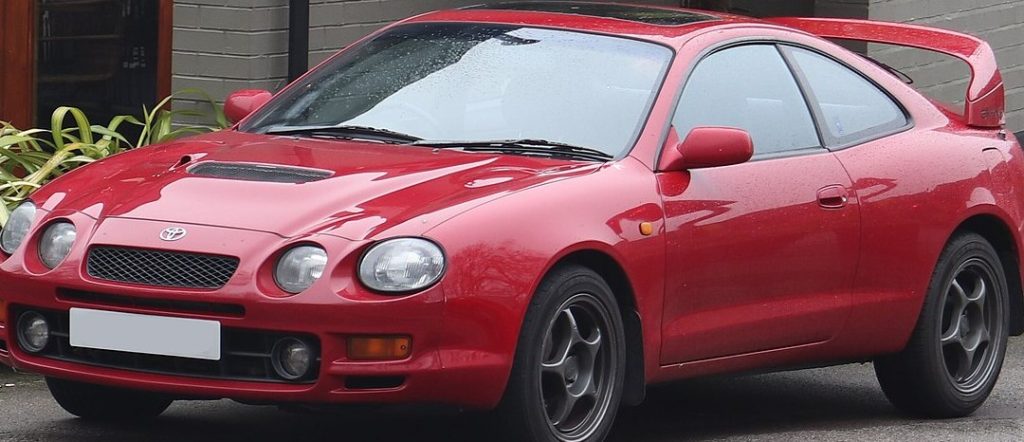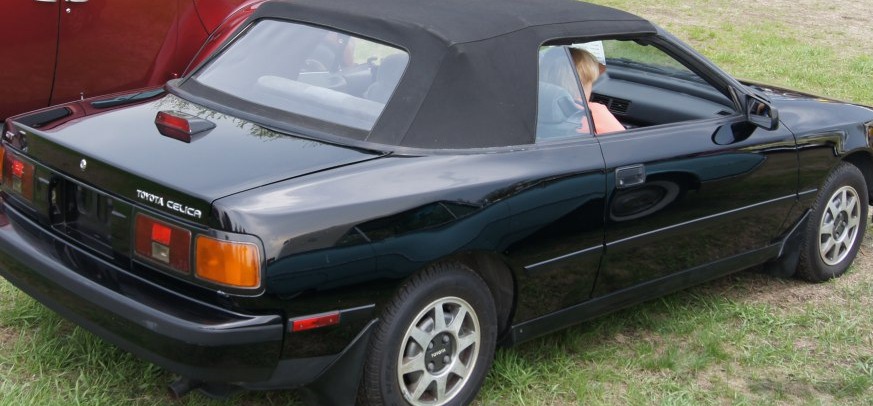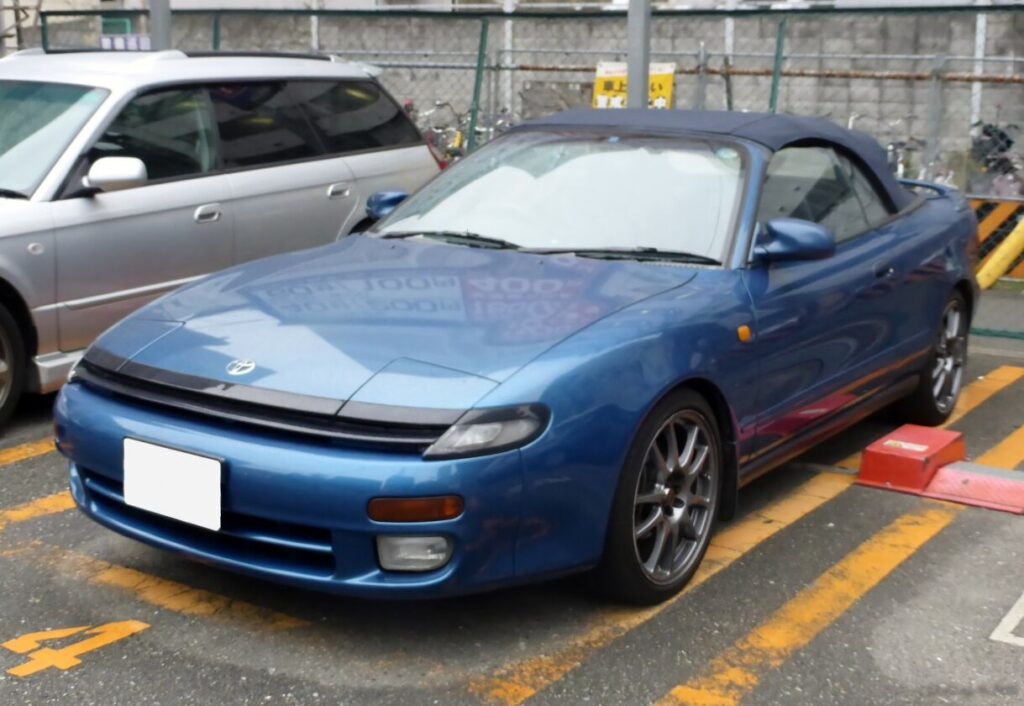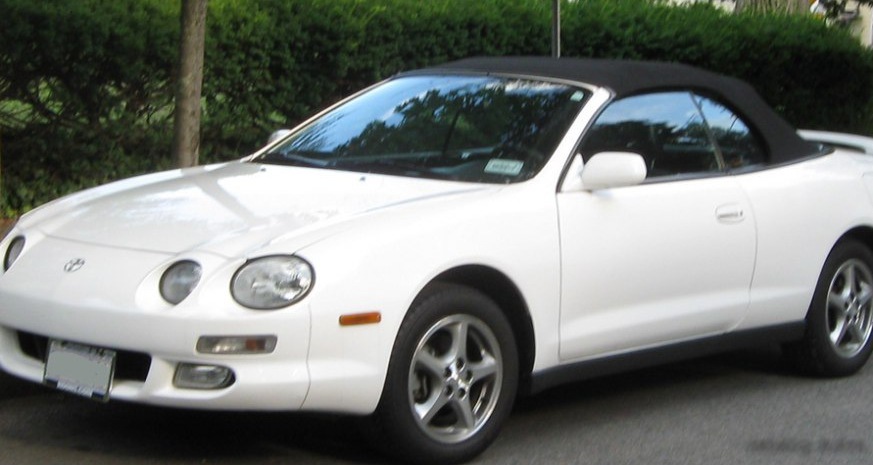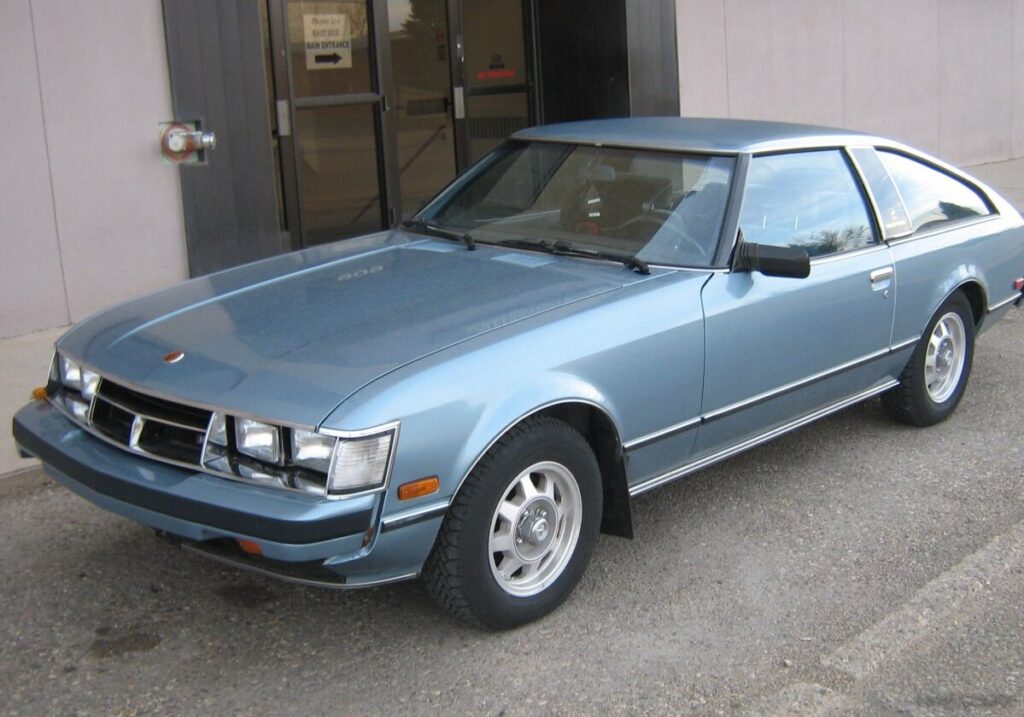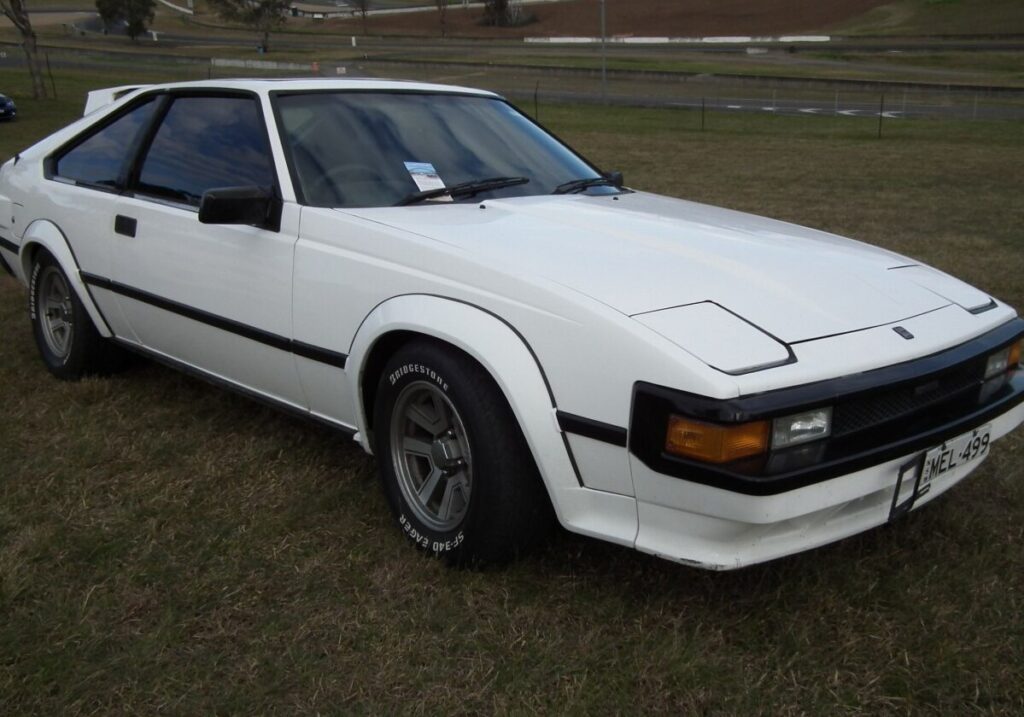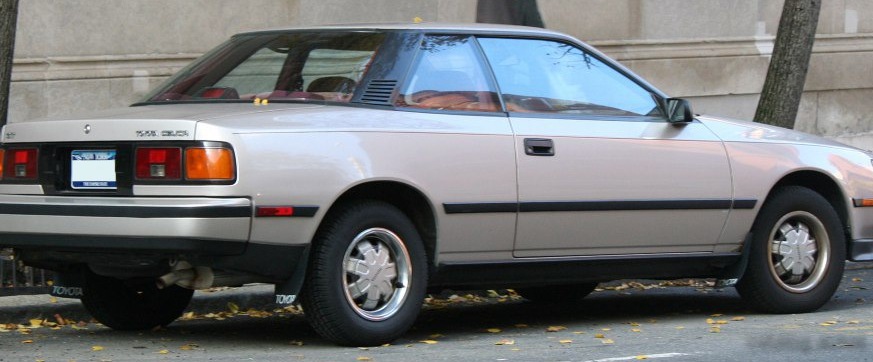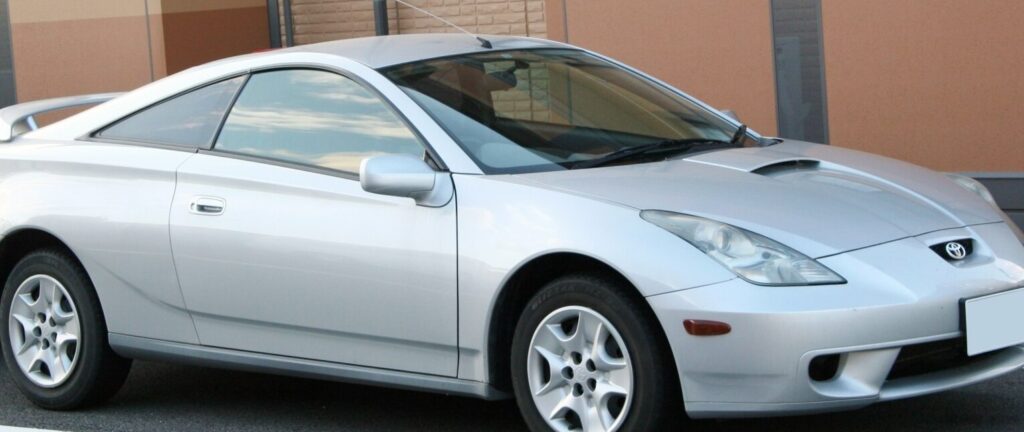
The Toyota Celica T23, produced from 1999 to 2006, represented the seventh generation of Toyota’s iconic sports coupe. The 1.8 VVTL-I T-Sport variant, available from 2000 to 2002 in North America and Europe, occupied a performance-oriented niche within the T23 lineup. Positioned above the base Celica GT and below any potential limited editions, the T-Sport aimed to deliver a more engaging driving experience with its high-revving engine and sporty suspension. It was a key model in Toyota’s effort to appeal to a younger, enthusiast-driven market, competing with vehicles like the Honda Civic Si and Acura Integra.
Technical Specifications
| Brand | Toyota |
| Model | Celica |
| Generation | Celica (T23) |
| Type (Engine) | 1.8 VVTL-I T-Sport (192 Hp) |
| Start of production | 2000 year |
| End of production | 2002 year |
| Powertrain Architecture | Internal Combustion engine |
| Body type | Coupe |
| Seats | 4 |
| Doors | 2 |
| Fuel consumption (urban) | 11.5 l/100 km (20.5 US mpg) |
| Fuel consumption (extra urban) | 6.6 l/100 km (35.6 US mpg) |
| Fuel consumption (combined) | 8.4 l/100 km (28 US mpg) |
| Fuel Type | Petrol (Gasoline) |
| Acceleration 0 – 100 km/h | 7.4 sec |
| Acceleration 0 – 62 mph | 7.4 sec |
| Acceleration 0 – 60 mph | 7 sec |
| Maximum speed | 225 km/h (139.81 mph) |
| Weight-to-power ratio | 6.3 kg/Hp |
| Weight-to-torque ratio | 6.8 kg/Nm |
| Power | 192 Hp @ 7800 rpm |
| Power per litre | 106.9 Hp/l |
| Torque | 180 Nm @ 6800 rpm (132.76 lb.-ft. @ 6800 rpm) |
| Engine layout | Front, Transverse |
| Engine Model/Code | 2ZZ-GE |
| Engine displacement | 1796 cm3 (109.6 cu. in.) |
| Number of cylinders | 4 |
| Engine configuration | Inline |
| Cylinder Bore | 82 mm (3.23 in.) |
| Piston Stroke | 85 mm (3.35 in.) |
| Compression ratio | 11.5:1 |
| Number of valves per cylinder | 4 |
| Fuel injection system | Multi-port manifold injection |
| Engine aspiration | Naturally aspirated engine |
| Valvetrain | DOHC |
| Engine oil capacity | 4.4 l (4.65 US qt | 3.87 UK qt) |
| Coolant | 5.9 l (6.23 US qt | 5.19 UK qt) |
| Kerb Weight | 1215 kg (2678.62 lbs.) |
| Max. weight | 1565 kg (3450.23 lbs.) |
| Max load | 350 kg (771.62 lbs.) |
| Trunk (boot) space – minimum | 365 l (12.89 cu. ft.) |
| Fuel tank capacity | 55 l (14.53 US gal | 12.1 UK gal) |
| Length | 4335 mm (170.67 in.) |
| Width | 1735 mm (68.31 in.) |
| Height | 1315 mm (51.77 in.) |
| Wheelbase | 2600 mm (102.36 in.) |
| Front track | 1490 mm (58.66 in.) |
| Rear (Back) track | 1480 mm (58.27 in.) |
| Drivetrain Architecture | Front wheel drive |
| Number of gears and type of gearbox | 6 gears, manual transmission |
| Front suspension | Independent type McPherson |
| Rear suspension | Double wishbone |
| Front brakes | Ventilated discs |
| Rear brakes | Disc |
| Assisting systems | ABS (Anti-lock braking system) |
| Steering type | Steering rack and pinion |
| Power steering | Hydraulic Steering |
| Tires size | 205/50 R16 V |
| Wheel rims size | 16 |
Powertrain & Engine Architecture
The heart of the Celica T-Sport is the 2ZZ-GE 1.8-liter inline-four engine. This engine is notable for its Yamaha-assisted cylinder head design and the implementation of Toyota’s Variable Valve Timing and Lift-Intelligence (VVTL-i) system. VVTL-i allows for both variable valve timing and variable valve lift, providing a broader powerband and increased high-RPM performance. The 2ZZ-GE utilizes multi-port fuel injection and a compression ratio of 11.5:1. The engine’s output of 192 horsepower at 7800 rpm and 180 Nm (132.76 lb-ft) of torque at 6800 rpm was achieved through a combination of aggressive camshaft profiles and a free-flowing exhaust system. The engine is transversely mounted and paired exclusively with a six-speed manual transmission in most markets. This transmission featured close ratios designed to maximize the engine’s potential and provide a sporty driving experience.
Driving Characteristics
The Celica T-Sport’s driving experience is defined by its high-revving engine and precise handling. The six-speed manual transmission allows drivers to keep the engine within its optimal powerband, resulting in brisk acceleration. The 0-60 mph sprint was typically achieved in around 7 seconds, and the car could reach a top speed of 139.81 mph. While not a torque monster, the 2ZZ-GE rewards drivers who enjoy exploring the upper reaches of the tachometer. The suspension, featuring independent McPherson struts in the front and a double wishbone setup in the rear, provides a firm but controlled ride. Steering is responsive and well-weighted, contributing to a confident feel in corners. Compared to the base Celica GT, the T-Sport offered a noticeably more engaging and dynamic driving experience.
Equipment & Trim Levels
The T-Sport trim level included several features designed to enhance the sporty character of the Celica. Standard equipment typically included sport seats with enhanced bolstering, a leather-wrapped steering wheel and shift knob, and unique alloy wheels. The interior featured a metallic trim finish and a revised instrument cluster. Optional extras included a sunroof, upgraded audio system, and air conditioning. The T-Sport was generally positioned as a well-equipped package, offering a balance of performance and comfort.
Chassis & Braking
The Celica T-Sport utilized a front-wheel-drive chassis with a MacPherson strut front suspension and a double wishbone rear suspension. The suspension was tuned for a firmer ride and improved handling compared to the standard Celica. Braking duties were handled by ventilated discs on the front wheels and solid discs on the rear. An Anti-lock Braking System (ABS) was standard equipment. The car’s relatively lightweight construction (approximately 2678.62 lbs) contributed to its agile handling characteristics.
Market Reception & Comparison
The Celica T-Sport was generally well-received by automotive critics, who praised its engaging driving dynamics and high-revving engine. However, some reviewers noted the lack of low-end torque and the somewhat firm ride. Compared to the Celica GT, the T-Sport offered a significant performance upgrade, but at a higher price point. Fuel economy was respectable for a sports coupe, with combined figures around 28 US mpg. Reliability was generally good, consistent with Toyota’s reputation, although the VVTL-i system required regular maintenance to ensure optimal performance.
Legacy
The Toyota Celica T23, and particularly the 1.8 VVTL-i T-Sport variant, holds a special place in the hearts of many driving enthusiasts. While production ended in 2006, the Celica remains a popular choice in the used car market, prized for its sporty handling, reliable engine, and distinctive styling. The 2ZZ-GE engine, while requiring diligent maintenance, is known for its durability and potential for modification. Today, well-maintained examples of the Celica T-Sport are becoming increasingly collectible, representing a unique chapter in Toyota’s sports car history.