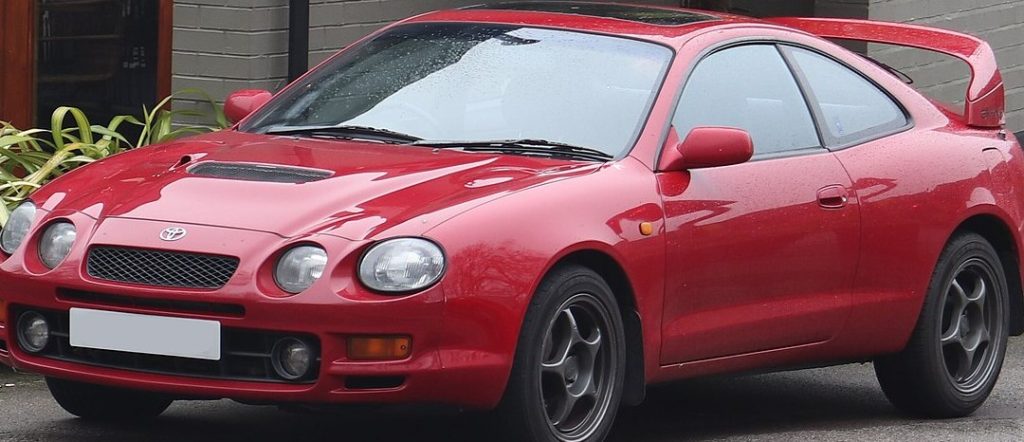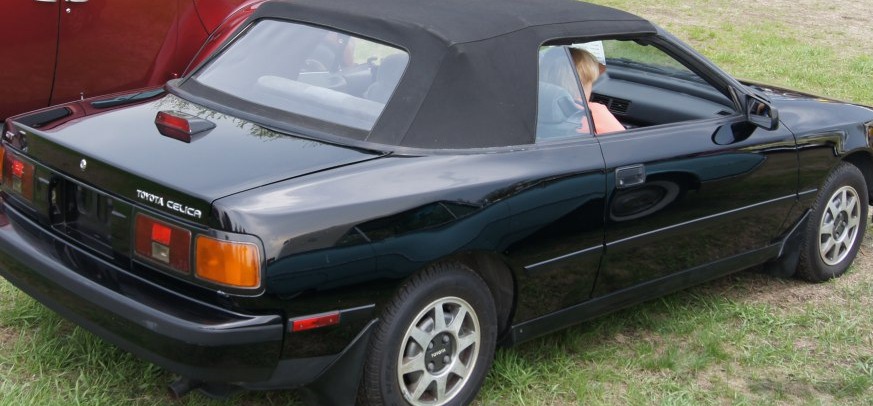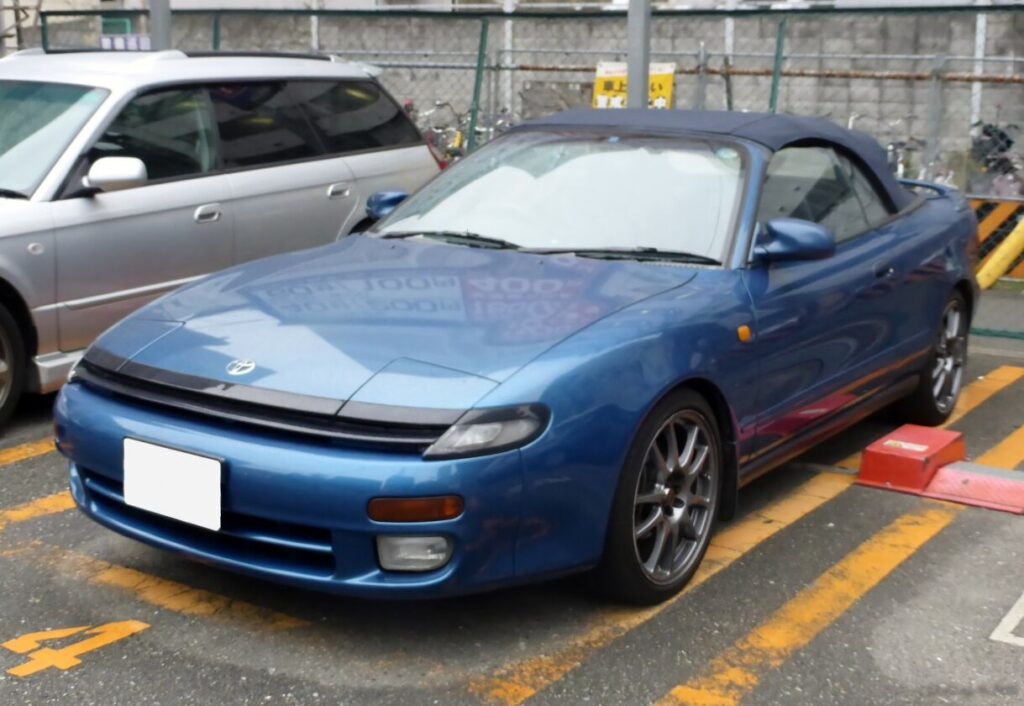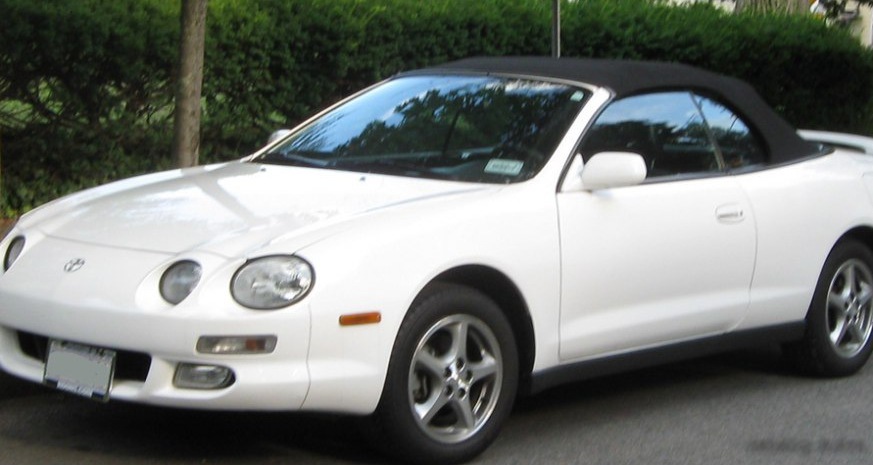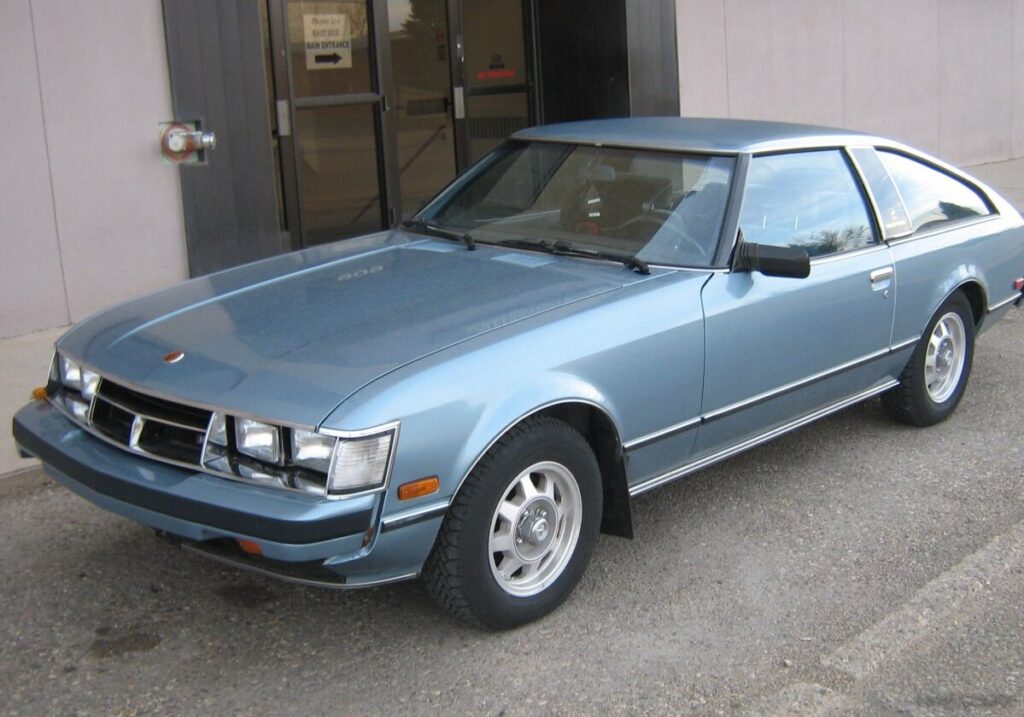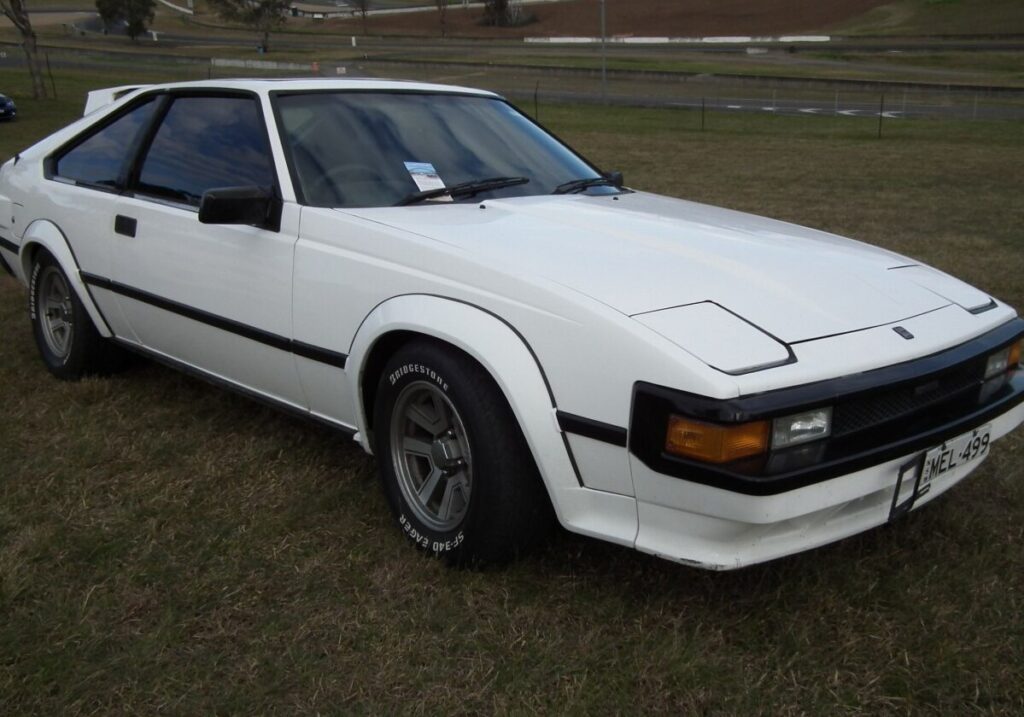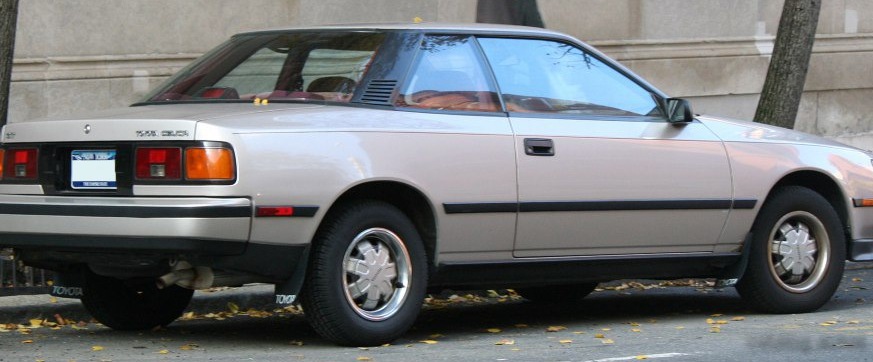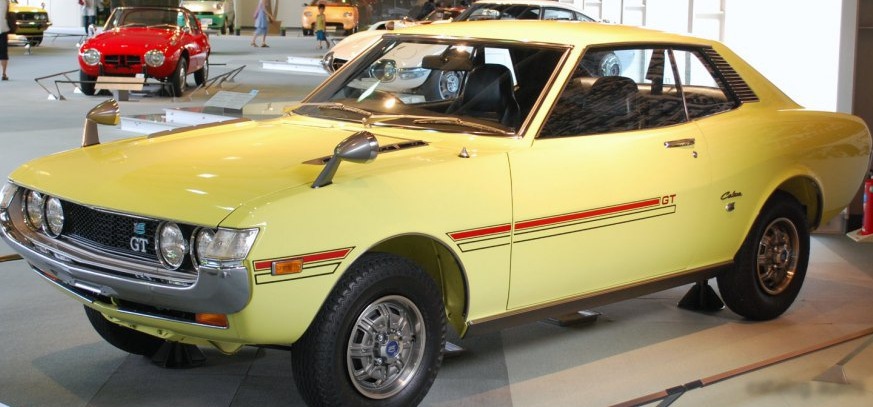
The Toyota Celica 1.6 GT (TA22) represents a pivotal point in the Celica’s early development, produced between 1974 and 1978. Falling within the first generation (TA20/TA22/TA23) of the Celica, the 1.6 GT was positioned as the performance-oriented variant of the lineup, offering a step up from the base models. Built upon the rear-wheel-drive A-series platform, the TA22 aimed to deliver a sporty driving experience in a stylish coupe package, primarily targeting the North American and Japanese markets. This generation marked Toyota’s foray into the affordable sports coupe segment, attempting to capture a share of the market dominated by vehicles like the Ford Mustang and Datsun 240Z.
Technical Specifications
| Brand | Toyota |
| Model | Celica |
| Generation | Celica (TA2) |
| Type | 1.6 GT (TA2,TA22) (108 Hp) |
| Start of production | 1974 |
| End of production | 1978 |
| Powertrain Architecture | Internal Combustion engine |
| Body type | Coupe |
| Seats | 4 |
| Doors | 2 |
| Fuel Type | Petrol (Gasoline) |
| Maximum speed | 177 km/h (109.98 mph) |
| Weight-to-power ratio | 9.5 kg/Hp, 104.9 Hp/tonne |
| Weight-to-torque ratio | 6.5 kg/Nm, 154.4 Nm/tonne |
| Power | 108 Hp @ 5500 rpm |
| Power per litre | 58.1 Hp/l |
| Torque | 159 Nm @ 3600 rpm (117.27 lb.-ft. @ 3600 rpm) |
| Engine layout | Front, Longitudinal |
| Engine Model/Code | 2T-B |
| Engine displacement | 1858 cm3 (113.38 cu. in.) |
| Number of cylinders | 4 |
| Engine configuration | Inline |
| Cylinder Bore | 86.11 mm (3.39 in.) |
| Piston Stroke | 80.01 mm (3.15 in.) |
| Compression ratio | 9:1 |
| Number of valves per cylinder | 2 |
| Fuel injection system | Carburettor |
| Engine aspiration | Naturally aspirated engine |
| Valvetrain | SOHC |
| Engine oil capacity | 3.8 l (4.02 US qt | 3.34 UK qt) |
| Coolant | 8.5 l (8.98 US qt | 7.48 UK qt) |
| Kerb Weight | 1030 kg (2270.76 lbs) |
| Fuel tank capacity | 50 l (13.21 US gal | 11 UK gal) |
| Length | 4163 mm (163.9 in) |
| Width | 1600 mm (62.99 in) |
| Height | 1311 mm (51.61 in) |
| Wheelbase | 2426 mm (95.51 in) |
| Front track | 1280 mm (50.39 in) |
| Rear track | 1285 mm (50.59 in) |
| Ride height (ground clearance) | 175 mm (6.89 in) |
| Minimum turning circle | 9.6 m (31.5 ft) |
| Drive wheel | Rear wheel drive |
| Number of gears and type of gearbox | 4 gears, manual transmission |
| Front suspension | Independent coil spring, Transverse stabilizer |
| Rear suspension | Independent multi-link suspension |
| Front brakes | Disc |
| Rear brakes | Drum |
| Steering type | Cone worm with recirculation balls |
| Power steering | Hydraulic Steering |
Powertrain & Engine Architecture
The heart of the Celica 1.6 GT was the 2T-B engine, a 1.6-liter (1858 cc) inline-four cylinder powerplant. This engine featured a single overhead camshaft (SOHC) valvetrain operating two valves per cylinder. Fuel delivery was managed by a carburetor, a common setup for the era, rather than fuel injection. The 2T-B produced 108 horsepower at 5500 rpm and 117.27 lb-ft of torque at 3600 rpm. The engine’s longitudinal front-mount configuration, coupled with rear-wheel drive, was a deliberate choice to provide a more balanced and engaging driving experience. The four-speed manual transmission was standard, offering precise control over the engine’s power band. While an automatic transmission was offered in other Celica trims, it wasn’t typically paired with the 1.6 GT due to the performance focus.
Driving Characteristics
The 1.6 GT, with its manual transmission, offered a relatively sporty driving experience for its time. The engine, while not exceptionally powerful by modern standards, provided adequate acceleration and responsiveness. The rear-wheel-drive layout contributed to a balanced feel, particularly during cornering. The four-speed manual gearbox allowed drivers to keep the engine within its optimal power range. Compared to the base Celica models, the 1.6 GT felt noticeably more agile and engaging. However, when contrasted with the later Celica variants equipped with larger engines (like the 2.2-liter 20R) or more advanced technologies, the 1.6 GT’s performance felt somewhat limited. The gear ratios were tuned for acceleration, but top-end speed was somewhat compromised.
Equipment & Trim Levels
The 1.6 GT trim level included several features designed to enhance the driving experience and appeal to enthusiasts. Standard equipment typically included upgraded seats with more supportive bolstering, a three-spoke steering wheel, and a more comprehensive instrument cluster. Exterior features often included a sporty front spoiler, chrome trim, and distinctive GT badging. Optional extras could include a sunroof, upgraded audio systems, and air conditioning. The interior materials were generally of good quality for the price point, though not as luxurious as some of its competitors. The dashboard layout was functional and driver-focused.
Chassis & Braking
The Celica 1.6 GT utilized an independent coil spring suspension system at the front, incorporating a transverse stabilizer bar to reduce body roll. The rear suspension employed an independent multi-link setup, contributing to improved ride quality and handling. Braking duties were handled by disc brakes at the front and drum brakes at the rear. While the disc/drum configuration was common for the era, it wasn’t as effective as a full disc brake setup. The steering system was a cone worm with recirculation balls, providing a reasonably direct feel, though it lacked the precision of more modern steering technologies.
Market Reception & Comparison
The Celica 1.6 GT was generally well-received by automotive critics. It was praised for its stylish design, engaging driving dynamics, and relatively affordable price. However, some reviewers noted that the engine’s power output was somewhat modest, particularly when compared to larger-displacement sports coupes. Compared to other Celica trims, the 1.6 GT offered a more focused driving experience, but at the expense of some comfort and convenience features. Fuel economy was reasonable for the time, and reliability was generally good, typical of Toyota products. The 1.6 GT appealed to buyers who prioritized driving enjoyment over outright speed or luxury.
Legacy
The Toyota Celica 1.6 GT (TA22) holds a significant place in automotive history as one of the early examples of a Japanese sports coupe that successfully challenged established European and American manufacturers. The 2T-B engine, while not known for exceptional longevity, proved to be reasonably durable with proper maintenance. Today, well-maintained examples of the TA22 are sought after by collectors and enthusiasts. The car’s simple mechanical design makes it relatively easy to repair and maintain. The Celica 1.6 GT represents a charming and engaging classic that embodies the spirit of the 1970s sports coupe era. Its influence can be seen in subsequent generations of the Celica, which continued to evolve and refine the formula of affordable, sporty performance.