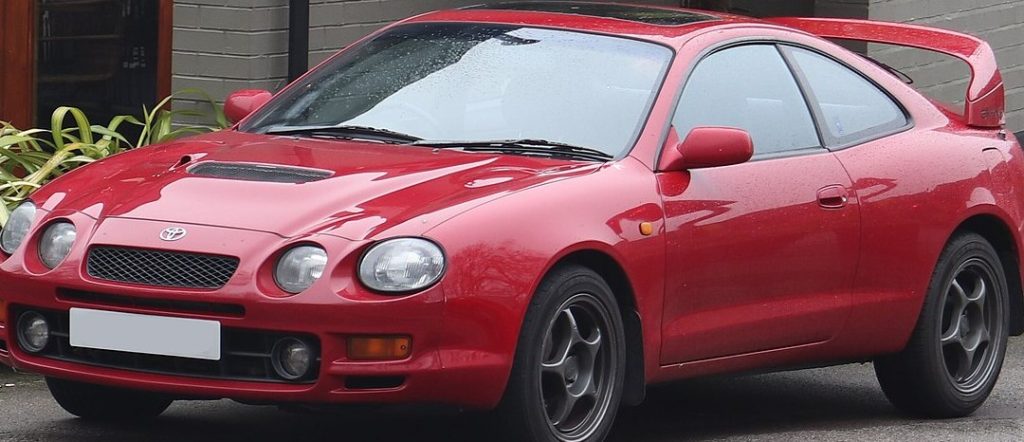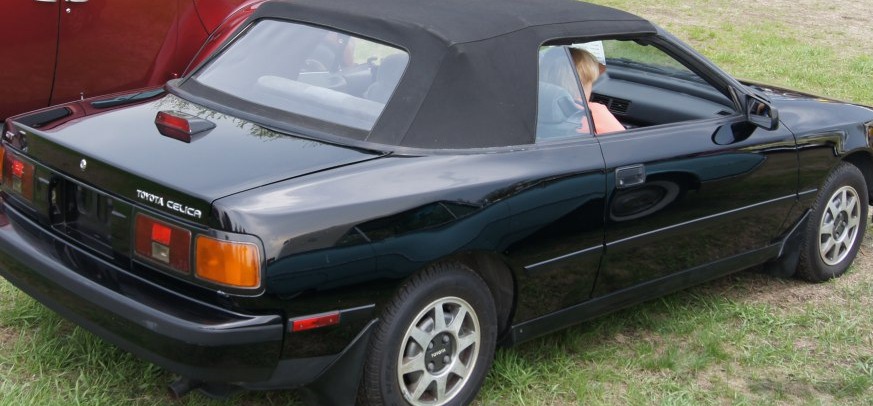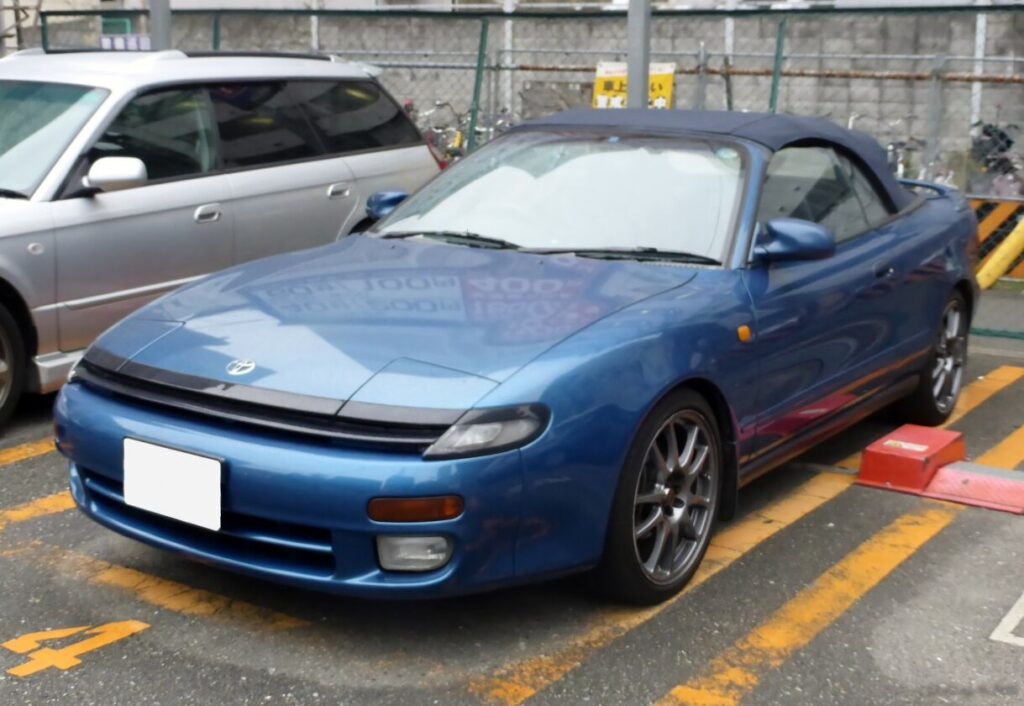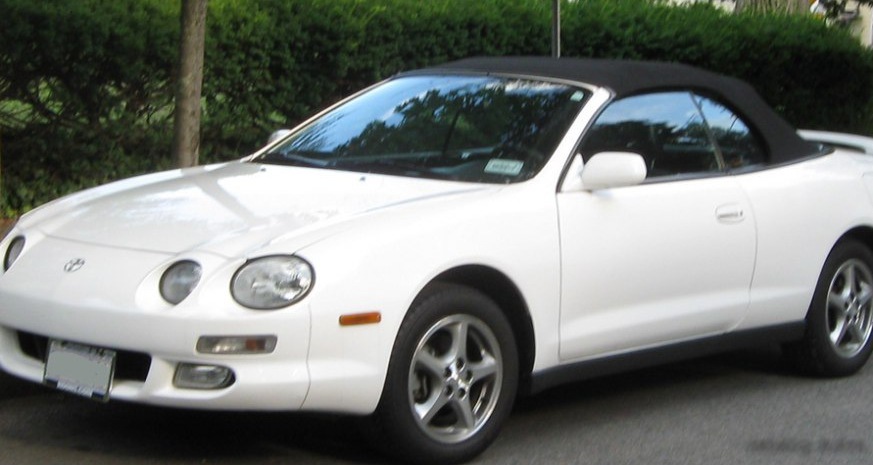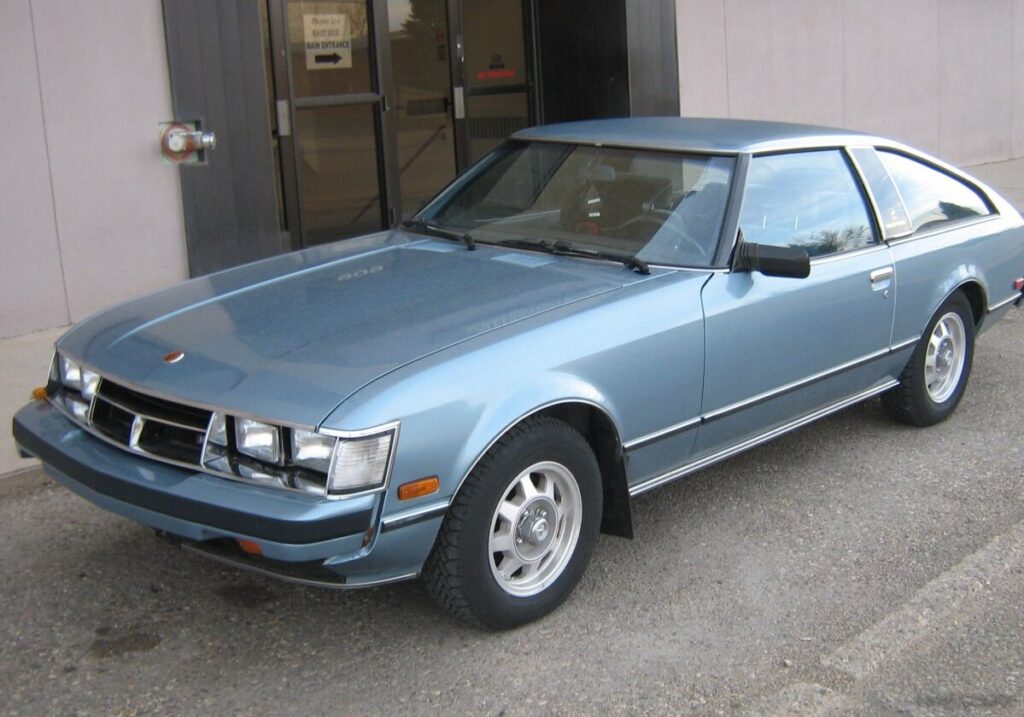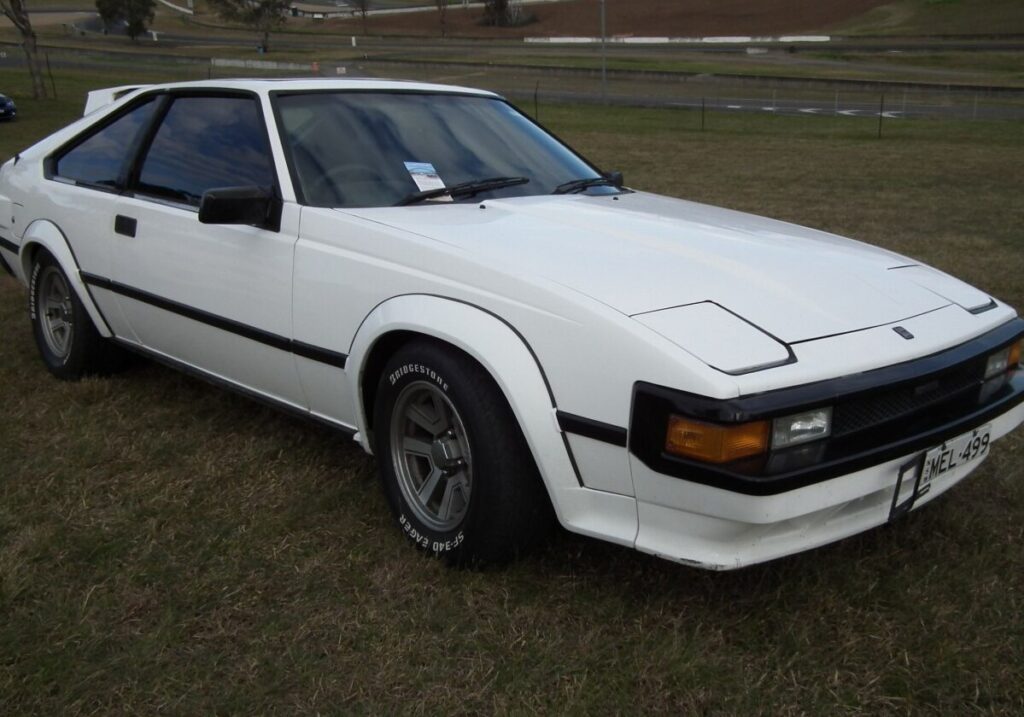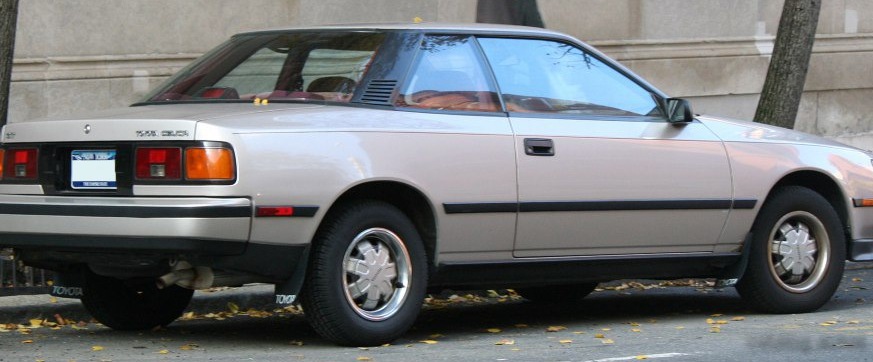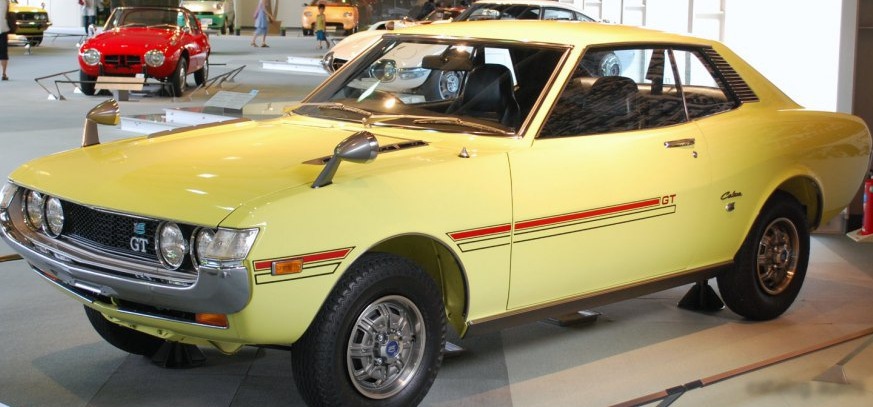
The Toyota Celica (TA2) 1.6 ST, produced between 1973 and 1978, represents the first generation of Toyota’s iconic Celica sports coupe. Falling within the TA2 and TA22 chassis codes, the 1.6 ST variant occupied an important position in the Celica lineup as a balance between affordability and sporty styling. It was designed to appeal to buyers seeking a stylish, reliable, and relatively economical coupe, offering a step up from more basic transportation while remaining accessible. The TA2 Celica was a pivotal model for Toyota, marking their entry into the burgeoning North American pony car market, though with a distinctly Japanese approach to engineering and design. It was built on a rear-wheel drive platform, a configuration that would define the Celica for several generations.
Technical Specifications
| Brand | Toyota |
| Model | Celica |
| Generation | Celica (TA2) |
| Type | 1.6 ST (TA2,TA22) (83 Hp) |
| Start of production | 1973 |
| End of production | 1978 |
| Powertrain Architecture | Internal Combustion engine |
| Body type | Coupe |
| Seats | 4 |
| Doors | 2 |
| Fuel consumption (combined) | 8.8 l/100 km |
| Fuel consumption (US mpg) | 26.7 US mpg |
| Fuel consumption (UK mpg) | 32.1 UK mpg |
| Fuel consumption (km/l) | 11.4 km/l |
| Fuel Type | Petrol (Gasoline) |
| Acceleration 0 – 100 km/h | 15 sec |
| Acceleration 0 – 62 mph | 15 sec |
| Acceleration 0 – 60 mph | 14.3 sec |
| Maximum speed | 171 km/h (106.25 mph) |
| Weight-to-power ratio | 11.6 kg/Hp |
| Weight-to-torque ratio | 8.4 kg/Nm |
| Power | 83 Hp @ 5600 rpm |
| Power per litre | 52.3 Hp/l |
| Torque | 115 Nm @ 4000 rpm (84.82 lb.-ft. @ 4000 rpm) |
| Engine layout | Front, Longitudinal |
| Engine Model/Code | 2T-B |
| Engine displacement | 1588 cm3 (96.91 cu. in.) |
| Number of cylinders | 4 |
| Engine configuration | Inline |
| Cylinder Bore | 85 mm (3.35 in.) |
| Piston Stroke | 70 mm (2.76 in.) |
| Compression ratio | 9.4:1 |
| Number of valves per cylinder | 2 |
| Fuel injection system | Carburettor |
| Engine aspiration | Naturally aspirated |
| Valvetrain | OHV |
| Engine oil capacity | 3.7 l (3.91 US qt | 3.26 UK qt) |
| Coolant capacity | 7.6 l (8.03 US qt | 6.69 UK qt) |
| Kerb Weight | 964 kg (2125.26 lbs.) |
| Fuel tank capacity | 51 l (13.47 US gal | 11.22 UK gal) |
| Permitted trailer load (braked) | 1000 kg (2204.62 lbs.) |
| Permitted trailer load (unbraked) | 399 kg (879.64 lbs.) |
| Length | 4331 mm (170.51 in.) |
| Width | 1636 mm (64.41 in.) |
| Height | 1321 mm (52.01 in.) |
| Wheelbase | 2499 mm (98.39 in.) |
| Front track | 1349 mm (53.11 in.) |
| Ride height | 155 mm (6.1 in.) |
| Turning circle | 10 m (32.81 ft.) |
| Drivetrain | Rear wheel drive |
| Number of gears | 5 gears, manual transmission |
| Front suspension | Independent type McPherson |
| Rear suspension | Independent multi-link suspension |
| Front brakes | Disc, 228.6 mm |
| Rear brakes | Drum, 228.6 mm |
| Steering type | Cone worm with recirculation balls |
| Wheel rims size | 5J x 13 |
Powertrain & Engine Architecture
The 1.6 ST variant of the Celica was powered by the 2T-B engine, a 1.6-liter (1588 cc) inline-four cylinder engine. This engine utilized a single overhead valve (OHV) valvetrain and a two-barrel carburetor for fuel delivery. The 2T-B produced 83 horsepower at 5,600 rpm and 115 Nm (84.82 lb-ft) of torque at 4,000 rpm. The engine was longitudinally mounted in the front of the vehicle, driving the rear wheels. The five-speed manual transmission was the standard offering, providing a reasonable balance of acceleration and fuel economy. The 2T-B engine, while not particularly powerful by modern standards, was known for its durability and relative simplicity, making it a reliable powerplant for the time. It was a common engine in other Toyota models of the era, benefiting from economies of scale in production and parts availability.
Driving Characteristics
The Celica 1.6 ST, with its 83 horsepower and five-speed manual transmission, offered a fairly engaging driving experience for the early 1970s. Acceleration to 60 mph took around 14.3 seconds, and top speed was approximately 106 mph. While not a performance leader, the Celica’s relatively light weight (around 2125 lbs) and rear-wheel drive layout contributed to a balanced and predictable handling characteristic. Compared to potential upgrades like the later Celica GT models with larger engines, the 1.6 ST felt less urgent in its acceleration. The gear ratios in the five-speed transmission were well-spaced, allowing the driver to keep the engine in its optimal power band. The steering, utilizing a cone worm and recirculation ball system, provided decent feedback, though it lacked the precision of more modern rack-and-pinion setups.
Equipment & Trim Levels
The 1.6 ST trim level represented a mid-range offering in the Celica lineup. Standard features typically included cloth upholstery, a basic AM radio, and a three-spoke steering wheel. The interior was functional and relatively spartan, reflecting the car’s price point. Optional extras included a vinyl roof, upgraded audio systems, and air conditioning. The exterior styling was characterized by its long hood, short deck, and distinctive fastback roofline. The 1.6 ST generally featured steel wheels with hubcaps, though alloy wheels were sometimes available as an option. The overall aesthetic aimed for a sporty and modern look, appealing to a younger demographic.
Chassis & Braking
The Celica TA2 utilized a body-on-frame construction, a common practice for the time. The front suspension employed an independent McPherson strut setup, while the rear suspension featured an independent multi-link design. This suspension configuration provided a reasonable level of ride comfort and handling. Braking duties were handled by disc brakes at the front and drum brakes at the rear. The braking system, while adequate for everyday driving, lacked the stopping power of more modern systems. The steering system, as mentioned previously, was a cone worm and recirculation ball setup. The relatively narrow tires (typically 175/70R13) contributed to a modest level of grip.
Market Reception & Comparison
The Celica 1.6 ST was generally well-received by automotive critics and consumers alike. It was praised for its stylish design, reliable mechanicals, and relatively affordable price. Compared to other coupes of the era, such as the Ford Mustang or Chevrolet Camaro, the Celica offered a more fuel-efficient and refined driving experience. However, it lacked the raw power and performance of those American muscle cars. Within the Celica lineup, the 1.6 ST served as an entry point, offering a more accessible alternative to the higher-performance GT models. Fuel economy was a strong point, averaging around 26.7 mpg in combined driving. Reliability was also a key selling point, with the 2T-B engine proving to be a durable and long-lasting powerplant.
Legacy
The Toyota Celica TA2 1.6 ST holds a significant place in automotive history as the first generation of a model that would become a legend. The 2T-B engine, while not known for its high performance, proved to be remarkably durable and is still found in running condition in many surviving examples. Today, the TA2 Celica is a popular choice among classic car enthusiasts, particularly those seeking a reliable and affordable vintage coupe. Parts availability can be a challenge, but a dedicated community of owners and suppliers helps to keep these cars on the road. The 1.6 ST variant, while not the most sought-after trim level, represents a valuable entry point into the world of classic Celicas, offering a taste of 1970s Japanese automotive engineering and design.