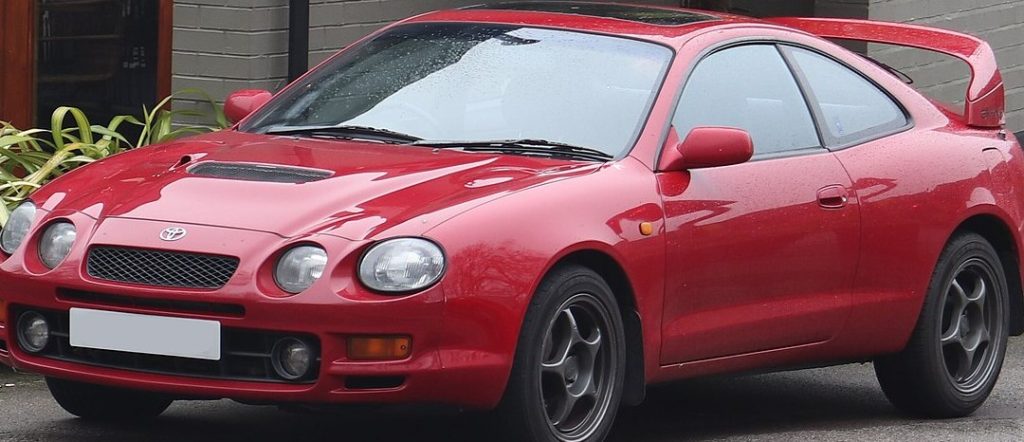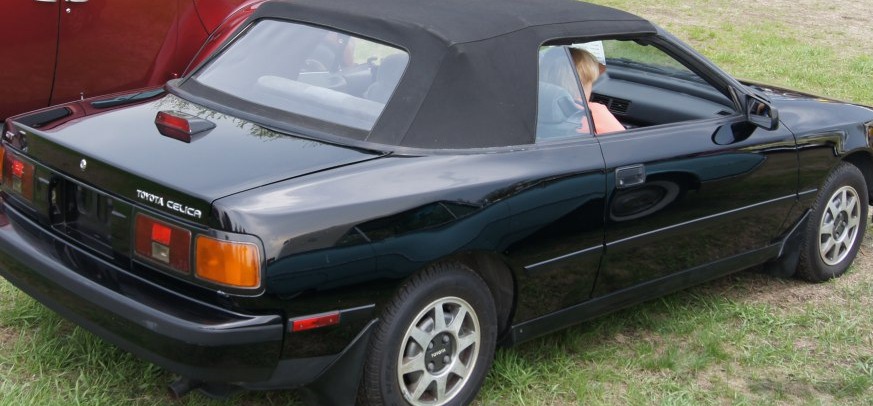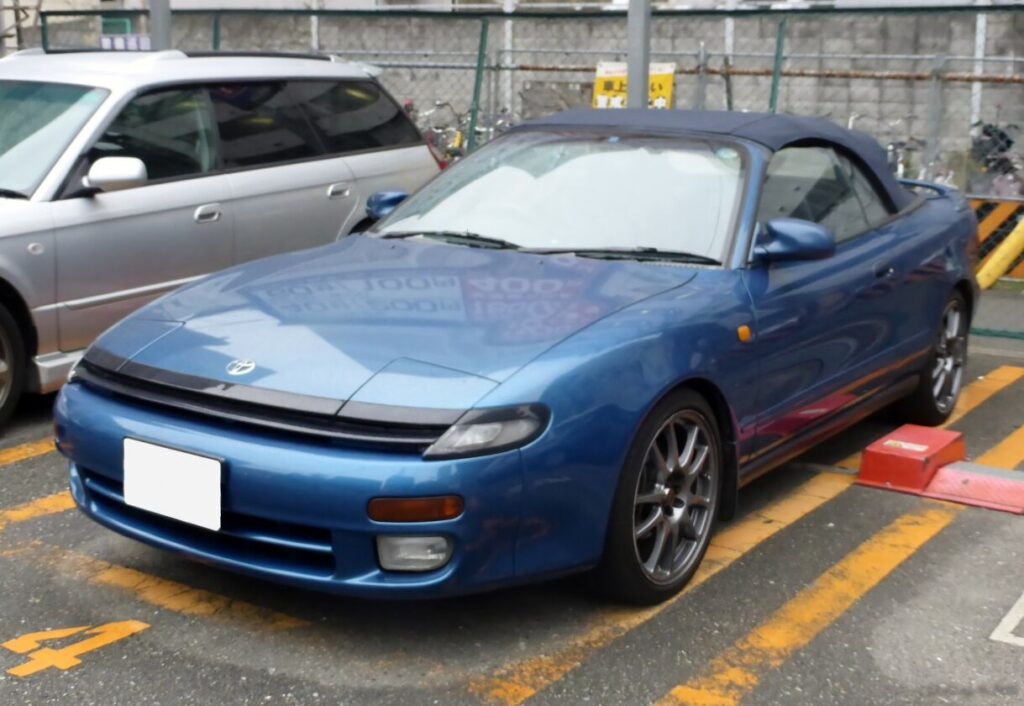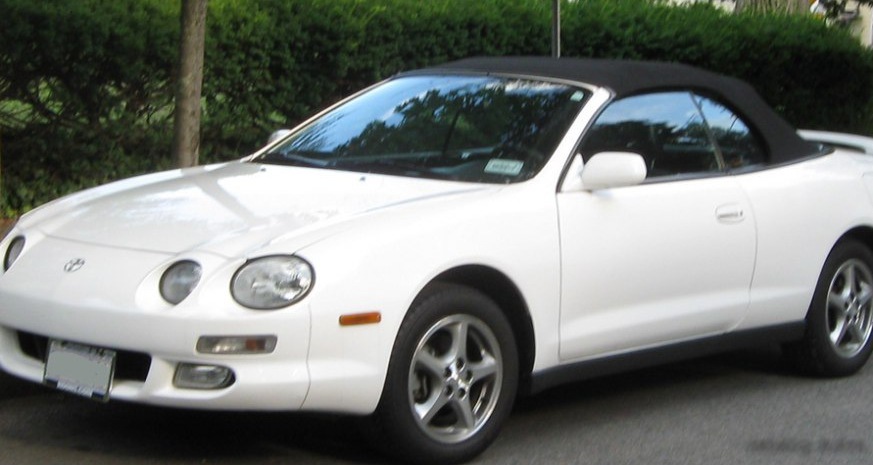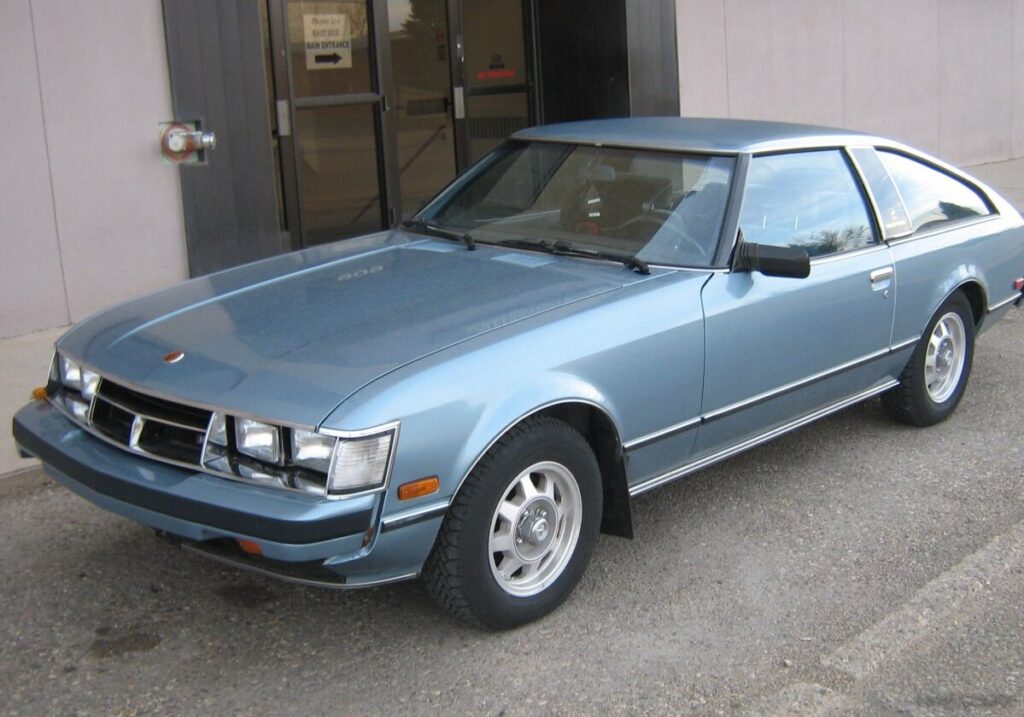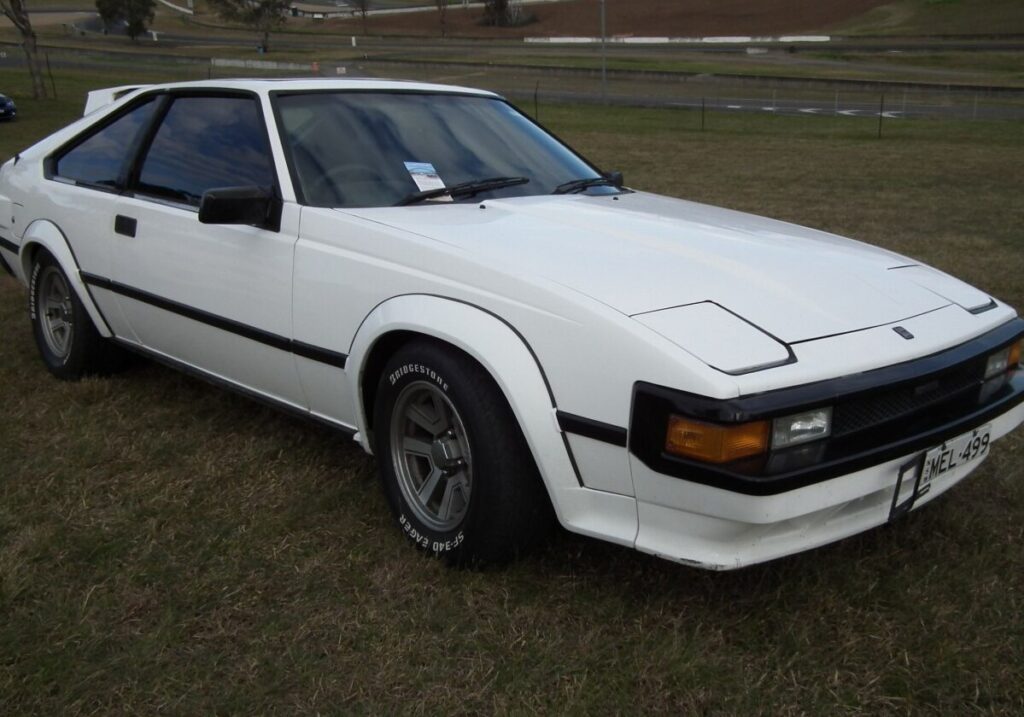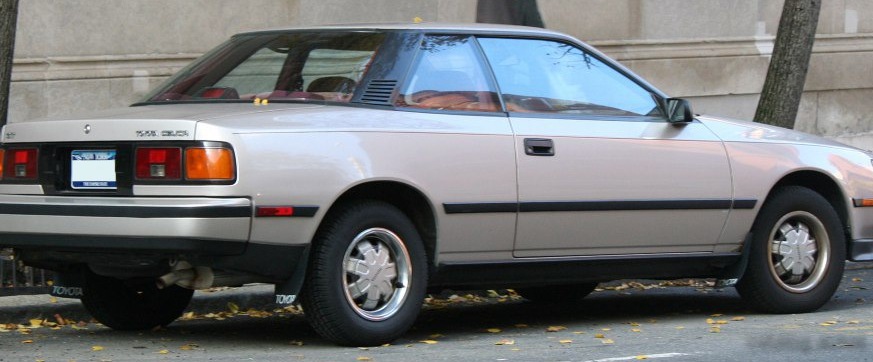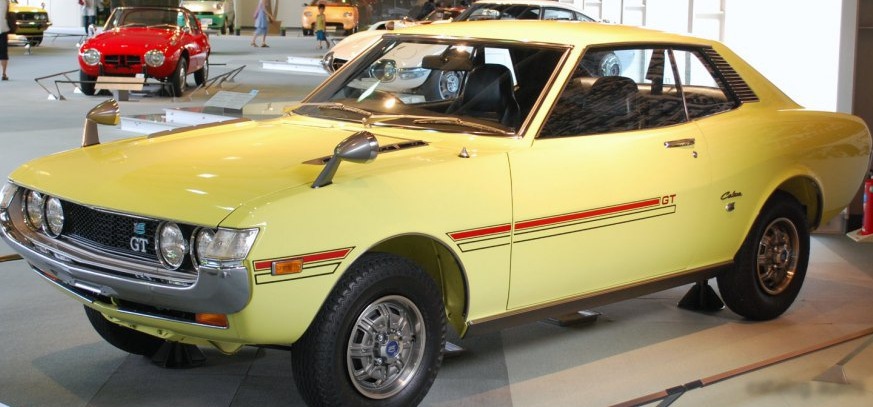
The Toyota Celica TA2 2.0 GT, produced between 1975 and 1977, represents a pivotal point in the Celica’s evolution. As the second generation of Toyota’s iconic sports coupe, the TA2 built upon the success of the first generation (TA20/22) while refining its styling and mechanicals. Positioned as the performance-oriented variant within the TA2 lineup, the 2.0 GT offered a significant step up in power and handling compared to the base models. It played a key role in establishing the Celica’s reputation as a stylish and capable sports car, particularly in markets like North America and Japan.
Technical Specifications
| Brand | Toyota |
| Model | Celica |
| Generation | Celica (TA2) |
| Type | 2.0 GT (118 Hp) |
| Start of production | 1975 |
| End of production | 1977 |
| Powertrain Architecture | Internal Combustion engine |
| Body type | Coupe |
| Seats | 4 |
| Doors | 2 |
| Fuel consumption (combined) | 8.4 l/100 km (28 US mpg, 33.6 UK mpg, 11.9 km/l) |
| Fuel Type | Petrol (Gasoline) |
| Maximum speed | 183 km/h (113.71 mph) |
| Weight-to-power ratio | 9.5 kg/Hp, 105.7 Hp/tonne |
| Weight-to-torque ratio | 7.3 kg/Nm, 136.2 Nm/tonne |
| Power | 118 Hp @ 5800 rpm |
| Power per litre | 60 Hp/l |
| Torque | 152 Nm @ 5200 rpm (112.11 lb.-ft. @ 5200 rpm) |
| Engine layout | Front, Longitudinal |
| Engine Model/Code | 18R-G |
| Engine displacement | 1968 cm3 (120.09 cu. in.) |
| Number of cylinders | 4 |
| Engine configuration | Inline |
| Cylinder Bore | 88.5 mm (3.48 in.) |
| Piston Stroke | 80 mm (3.15 in.) |
| Compression ratio | 9.7:1 |
| Number of valves per cylinder | 2 |
| Fuel injection system | Carburettor |
| Engine aspiration | Naturally aspirated engine |
| Valvetrain | SOHC |
| Engine oil capacity | 4.8 l (5.07 US qt | 4.22 UK qt) |
| Kerb Weight | 1116 kg (2460.36 lbs.) |
| Fuel tank capacity | 48 l (12.68 US gal | 10.56 UK gal) |
| Length | 4239 mm (166.89 in.) |
| Width | 1620 mm (63.78 in.) |
| Height | 1295 mm (50.98 in.) |
| Wheelbase | 2492 mm (98.11 in.) |
| Front track | 1348 mm (53.07 in.) |
| Rear track | 1310 mm (51.57 in.) |
| Ride height (ground clearance) | 170 mm (6.69 in.) |
| Minimum turning circle | 10 m (32.81 ft.) |
| Drivetrain Architecture | Rear wheel drive |
| Drive wheel | Rear wheel drive |
| Number of gears and type of gearbox | 5 gears, manual transmission |
| Front suspension | Independent, type McPherson with coil spring and anti-roll bar |
| Rear suspension | Independent multi-link suspension |
| Front brakes | Disc, 254 mm |
| Rear brakes | Drum, 228.6 mm |
| Steering type | Cone worm with recirculation balls |
| Power steering | Hydraulic Steering |
| Tires size | 185/70 R14 |
| Wheel rims size | 5.5J x 14 |
Powertrain & Engine Architecture
The heart of the Celica 2.0 GT was the 18R-G engine, a 1.968-liter (120.09 cubic inch) inline-four cylinder powerplant. This engine featured a single overhead camshaft (SOHC) valvetrain and utilized a two-barrel carburetor for fuel delivery. The 18R-G produced 118 horsepower at 5800 rpm and 152 Nm (112.11 lb-ft) of torque at 5200 rpm. The engine’s longitudinal front-engine, rear-wheel-drive layout was a classic sports car configuration. The 2.0 GT was exclusively offered with a five-speed manual transmission, providing drivers with precise control over the engine’s power band. This transmission was crucial for maximizing the engine’s performance and delivering a more engaging driving experience.
Driving Characteristics
The Celica 2.0 GT offered a noticeably more spirited driving experience than the lower-spec models. The 18R-G engine provided ample power for comfortable cruising and responsive acceleration. While not a high-revving engine, it delivered a broad torque curve, making it tractable in everyday driving situations. The five-speed manual transmission allowed drivers to keep the engine in its optimal power range, enhancing performance. Compared to the automatic transmissions available in other Celica trims, the manual gearbox provided a more direct connection between the driver and the car. The rear-wheel-drive configuration contributed to a balanced chassis and predictable handling, making the 2.0 GT a fun and rewarding car to drive on winding roads.
Equipment & Trim Levels
The 2.0 GT trim level was well-equipped for its time. Standard features typically included upgraded interior trim, often featuring cloth or vinyl upholstery, a woodgrain-trimmed dashboard, and a more comprehensive instrument cluster. Power steering was a common feature, enhancing ease of maneuverability. Optional extras could include a sunroof, upgraded audio systems, and air conditioning. The 2.0 GT was positioned as the premium Celica variant, offering a blend of performance, comfort, and style.
Chassis & Braking
The Celica TA2 featured an independent suspension system at all four wheels. The front suspension utilized a McPherson strut design with coil springs and an anti-roll bar, while the rear suspension employed an independent multi-link setup. This suspension configuration provided a comfortable ride while maintaining good handling characteristics. Braking duties were handled by disc brakes at the front and drum brakes at the rear. While the drum brakes at the rear were typical for the era, the front discs provided adequate stopping power for the car’s weight and performance.
Market Reception & Comparison
The Celica 2.0 GT was generally well-received by automotive critics. It was praised for its stylish design, responsive handling, and relatively powerful engine. Compared to other sports coupes of the time, such as the Ford Mustang II and the Chevrolet Camaro, the Celica offered a more refined and fuel-efficient driving experience. Within the Celica lineup, the 2.0 GT stood out as the enthusiast’s choice, offering a significant performance advantage over the base models. The lower trims, often equipped with smaller engines and automatic transmissions, were geared towards buyers prioritizing fuel economy and convenience.
Legacy
The Toyota Celica TA2 2.0 GT remains a popular classic car among enthusiasts today. The 18R-G engine is known for its reliability and durability, although regular maintenance is essential to keep it running smoothly. Parts availability can be a challenge, but a dedicated community of Celica owners and suppliers helps to keep these cars on the road. The TA2 2.0 GT is valued for its combination of classic styling, engaging driving dynamics, and Toyota’s reputation for build quality. It represents a significant chapter in the Celica’s history and continues to be a cherished vehicle for collectors and enthusiasts alike.