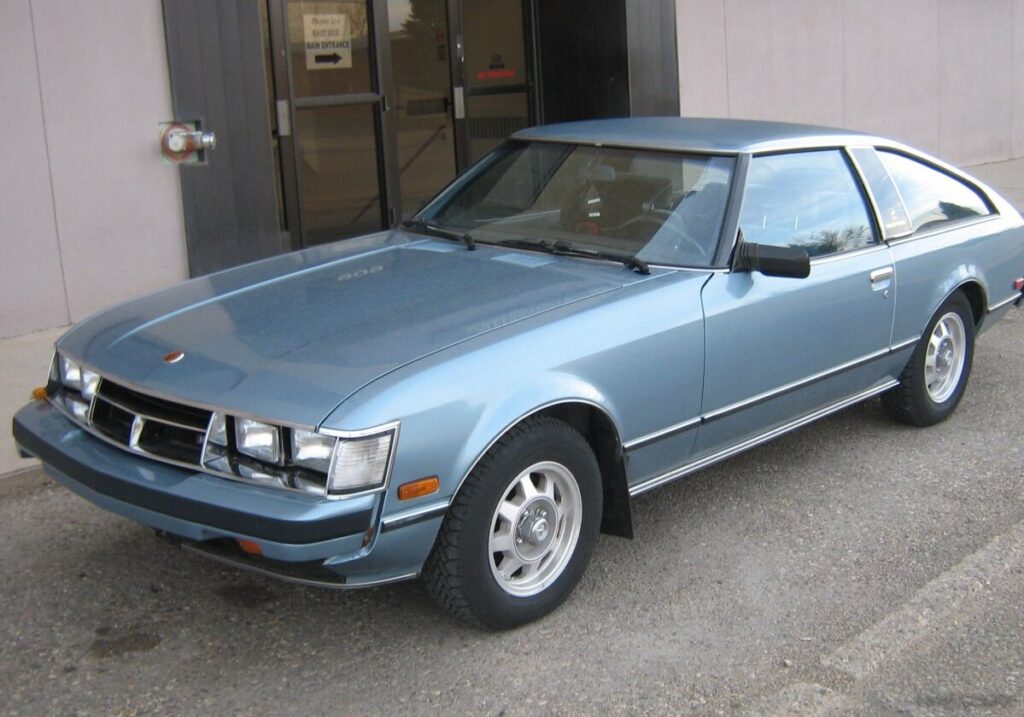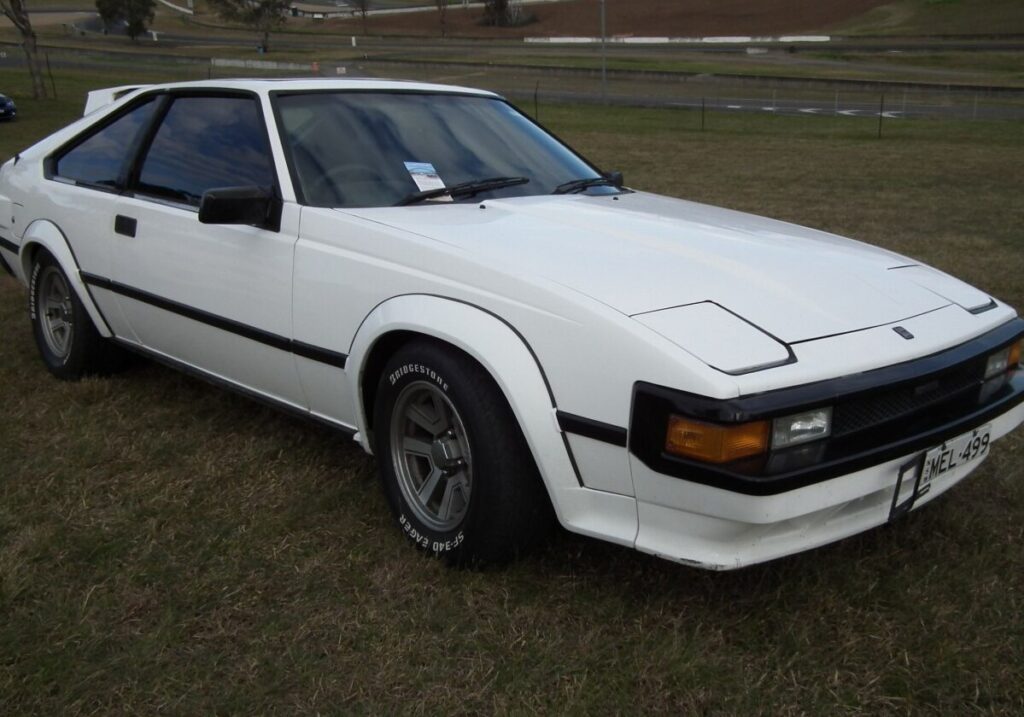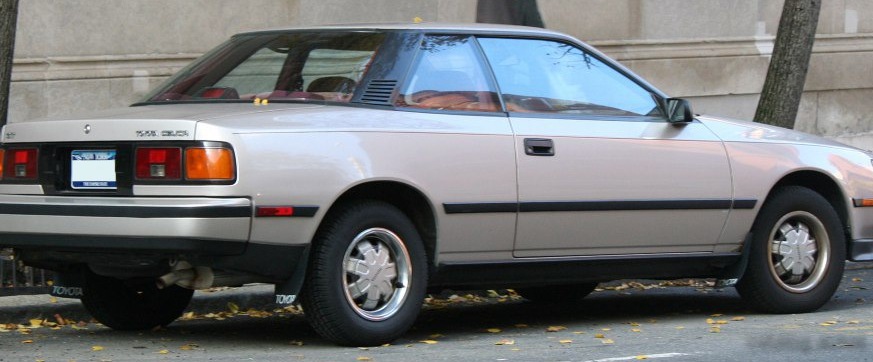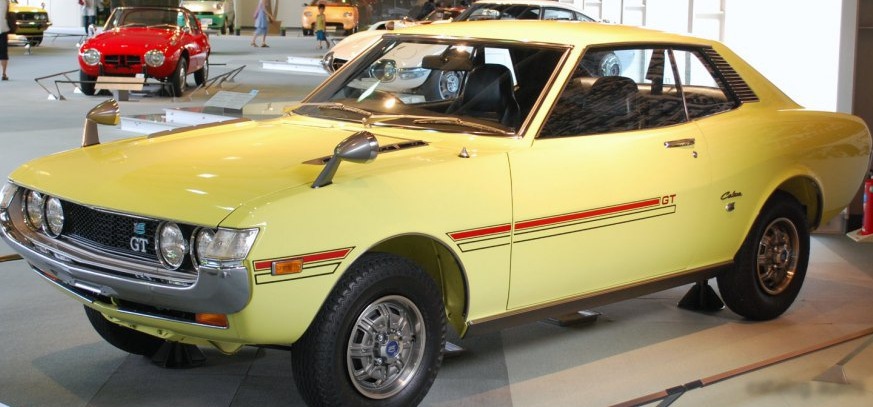
The Toyota Celica TA2, specifically the 2.0 ST variant producing 86 horsepower, was a pivotal model in establishing the Celica as a stylish and sporty coupe. Produced between 1975 and 1977, this generation (TA2) represented the first iteration of the Celica, a nameplate that would become synonymous with Toyota’s performance and design aspirations. The TA2 was based on the Toyota Corolla platform, but offered a more sophisticated and visually appealing package, targeting a younger demographic seeking a blend of practicality and driving enjoyment. The 2.0 ST trim occupied a mid-range position within the TA2 lineup, offering a balance between performance and affordability, sitting below the more powerful GT models and above the base trims.
Technical Specifications
| Brand | Toyota |
| Model | Celica |
| Generation | Celica (TA2) |
| Type | 2.0 ST (86 Hp) |
| Start of production | 1975 |
| End of production | 1977 |
| Powertrain Architecture | Internal Combustion engine |
| Body type | Coupe |
| Seats | 4 |
| Doors | 2 |
| Fuel consumption (combined) | 8.1 l/100 km (29 US mpg, 34.9 UK mpg, 12.3 km/l) |
| Fuel Type | Petrol (Gasoline) |
| Maximum speed | 169 km/h (105.01 mph) |
| Weight-to-power ratio | 13 kg/Hp, 77.1 Hp/tonne |
| Weight-to-torque ratio | 7.9 kg/Nm, 127.2 Nm/tonne |
| Power | 86 Hp @ 5000 rpm |
| Power per litre | 43.7 Hp/l |
| Torque | 142 Nm @ 3600 rpm (104.73 lb.-ft. @ 3600 rpm) |
| Engine layout | Front, Longitudinal |
| Engine Model/Code | 18R |
| Engine displacement | 1968 cm3 (120.09 cu. in.) |
| Number of cylinders | 4 |
| Engine configuration | Inline |
| Cylinder Bore | 88.5 mm (3.48 in.) |
| Piston Stroke | 80 mm (3.15 in.) |
| Compression ratio | 8.5:1 |
| Number of valves per cylinder | 2 |
| Fuel injection system | Carburettor |
| Engine aspiration | Naturally aspirated engine |
| Valvetrain | SOHC |
| Engine oil capacity | 4.8 l (5.07 US qt | 4.22 UK qt) |
| Kerb Weight | 1116 kg (2460.36 lbs.) |
| Fuel tank capacity | 48 l (12.68 US gal | 10.56 UK gal) |
| Length | 4239 mm (166.89 in.) |
| Width | 1620 mm (63.78 in.) |
| Height | 1295 mm (50.98 in.) |
| Wheelbase | 2492 mm (98.11 in.) |
| Front track | 1348 mm (53.07 in.) |
| Rear track | 1310 mm (51.57 in.) |
| Ride height (ground clearance) | 170 mm (6.69 in.) |
| Minimum turning circle | 10 m (32.81 ft.) |
| Drivetrain Architecture | Rear wheel drive |
| Number of gears and type of gearbox | 5 gears, manual transmission |
| Front suspension | Independent, type McPherson with coil spring and anti-roll bar |
| Rear suspension | Independent multi-link suspension |
| Front brakes | Disc, 254 mm |
| Rear brakes | Drum, 228.6 mm |
| Steering type | Cone worm with recirculation balls |
| Power steering | Hydraulic Steering |
| Wheel rims size | 5.5J x 14 |
Powertrain & Engine Architecture
The heart of the Celica 2.0 ST was the 18R engine, a 1.968-liter (120.09 cubic inch) inline-four cylinder powerplant. This engine utilized a single overhead camshaft (SOHC) valvetrain, operating two valves per cylinder. Fuel delivery was managed by a carburetor, a common setup for the era. The 18R produced 86 horsepower at 5000 rpm and 142 Nm (104.73 lb-ft) of torque at 3600 rpm. The engine was mounted longitudinally in the front of the vehicle, driving the rear wheels. The 2.0 ST was exclusively offered with a five-speed manual transmission, providing drivers with precise control over the engine’s power band. This transmission was chosen to complement the sporty nature of the Celica, offering a more engaging driving experience than an automatic option.
Driving Characteristics
The Celica 2.0 ST, with its 86 horsepower and five-speed manual transmission, offered a reasonably spirited driving experience for its time. While not a high-performance machine by modern standards, it provided adequate acceleration and handling for everyday driving and occasional spirited runs. The five-speed gearbox allowed drivers to keep the engine in its optimal power range, maximizing performance. Compared to the more powerful Celica GT models, the 2.0 ST felt less urgent in its acceleration, but the lighter weight and well-tuned suspension contributed to nimble handling. The rear-wheel-drive layout provided a balanced feel, making it enjoyable to drive on winding roads. The gear ratios were fairly well-spaced, allowing for comfortable cruising at highway speeds while still providing enough grunt for overtaking maneuvers.
Equipment & Trim Levels
The 2.0 ST trim level offered a good balance of features and affordability. Standard equipment typically included cloth upholstery, a basic instrument cluster, and a two-spoke steering wheel. While not lavishly equipped, the interior was functional and well-laid-out. Optional extras included a radio, upgraded speakers, and occasionally, air conditioning. The exterior featured steel wheels with hubcaps, chrome bumpers, and relatively simple styling. The 2.0 ST was positioned as a step up from the base Celica models, offering a slightly more refined interior and a more powerful engine.
Chassis & Braking
The Celica TA2 utilized a McPherson strut front suspension with coil springs and an anti-roll bar, providing a comfortable ride and good handling characteristics. The rear suspension employed an independent multi-link setup, further enhancing ride quality and stability. Braking duties were handled by disc brakes at the front and drum brakes at the rear. While the braking system was adequate for the car’s weight and performance, it lacked the stopping power of more modern systems. The steering was a cone worm type with hydraulic power assistance, providing a reasonable level of feedback and ease of use.
Market Reception & Comparison
The Celica TA2, and the 2.0 ST variant specifically, was generally well-received by automotive critics and consumers alike. It was praised for its stylish design, sporty handling, and relatively affordable price. Compared to other coupes in its class, such as the Ford Mustang II and the Chevrolet Vega, the Celica offered a more refined driving experience and a higher level of build quality. The 2.0 ST’s fuel economy was respectable for the time, averaging around 29 US mpg. Reliability was also a strong point, with the 18R engine proving to be durable and long-lasting. However, some critics noted that the 86-horsepower engine could feel underpowered, especially when compared to the more potent GT models.
Legacy
The Toyota Celica TA2 2.0 ST holds a significant place in automotive history as the first generation of a model that would become a legend. The 18R engine, while not a technological marvel, proved to be remarkably reliable and is still sought after by enthusiasts today. The TA2 Celica established Toyota as a serious contender in the sports coupe market, paving the way for future generations of the Celica that would push the boundaries of performance and design. In the used car market, well-maintained TA2 Celicas, particularly the 2.0 ST, are becoming increasingly collectible, appealing to enthusiasts who appreciate their classic styling and simple, yet durable, mechanicals. The car represents a unique blend of Japanese engineering and American design sensibilities, making it a desirable and increasingly rare find.