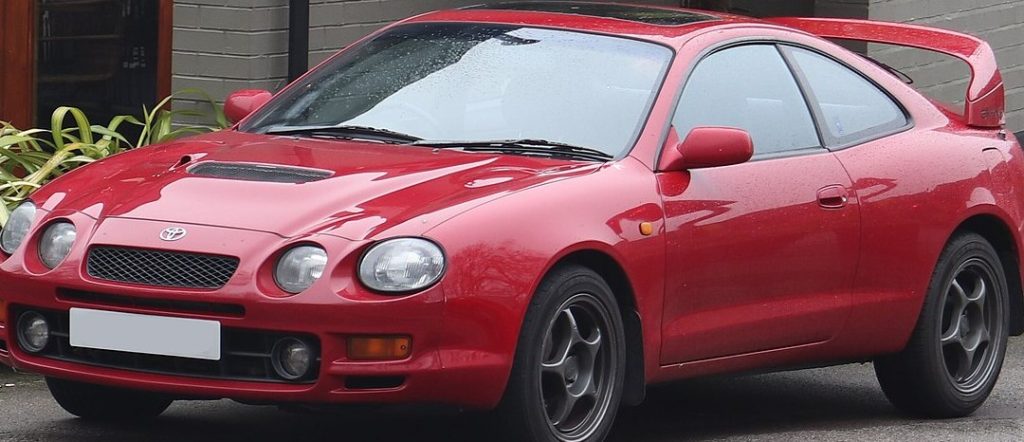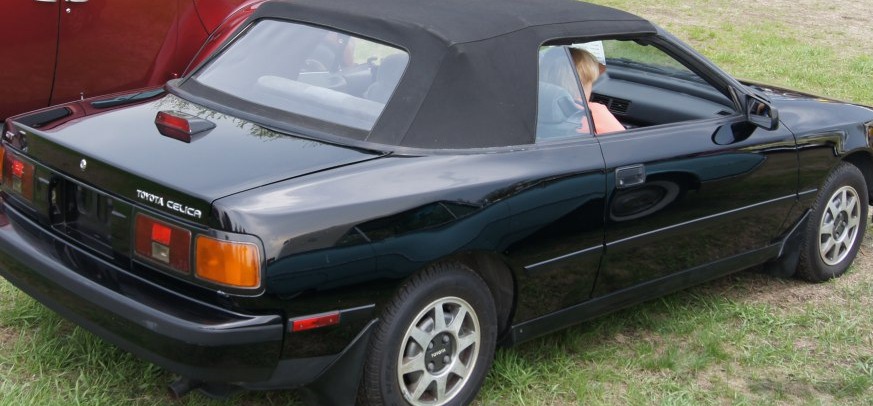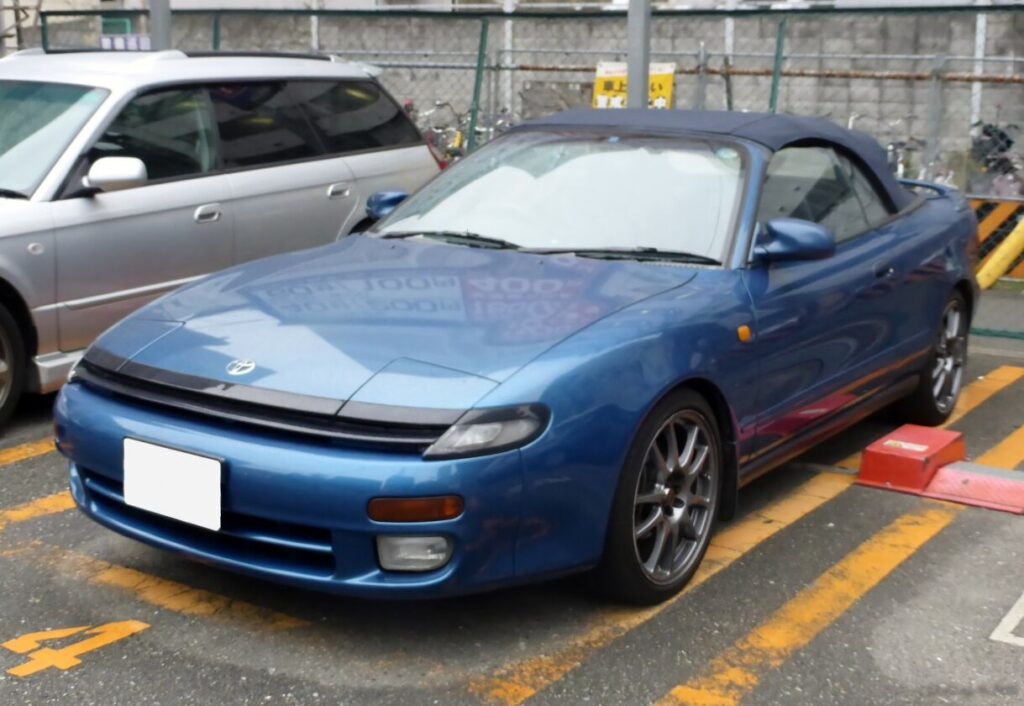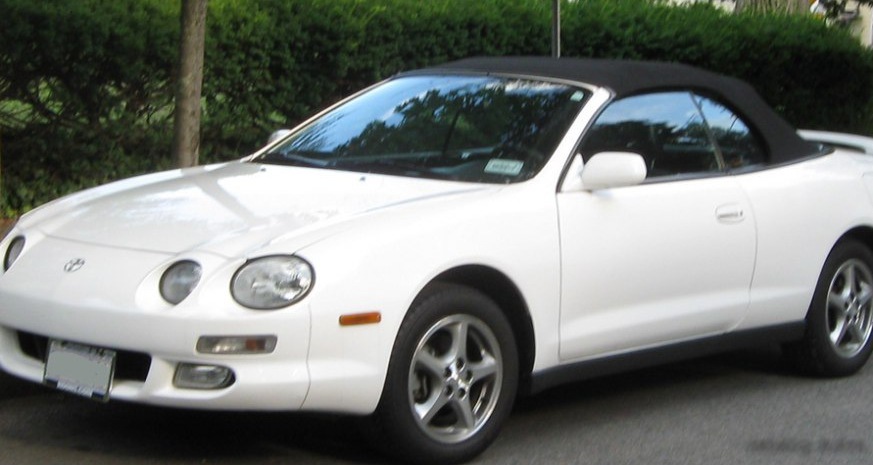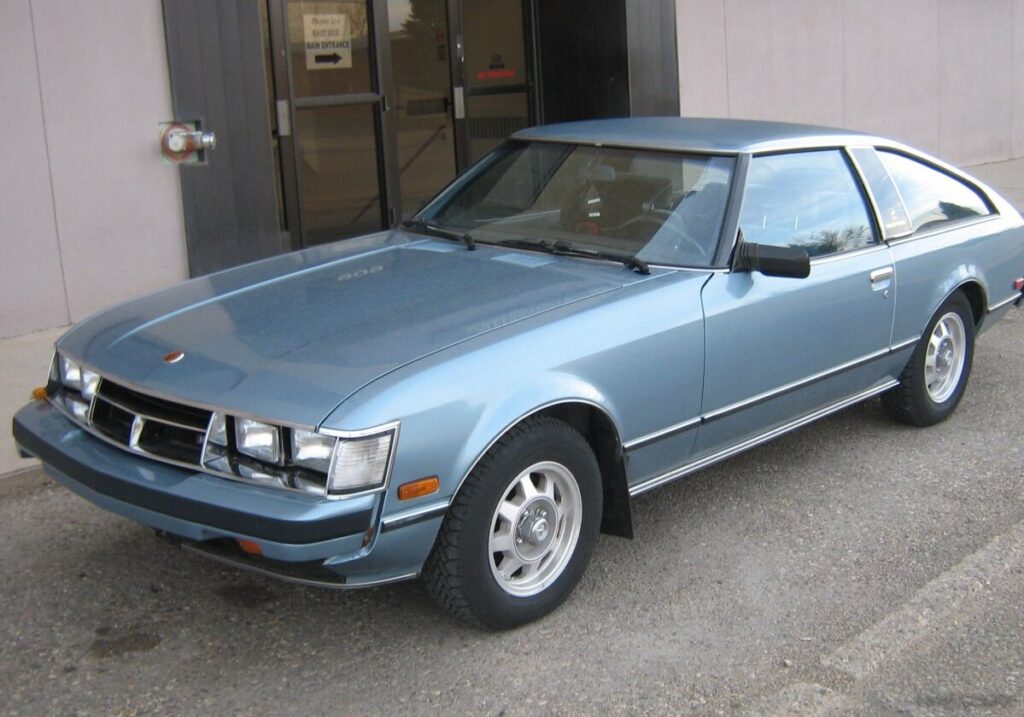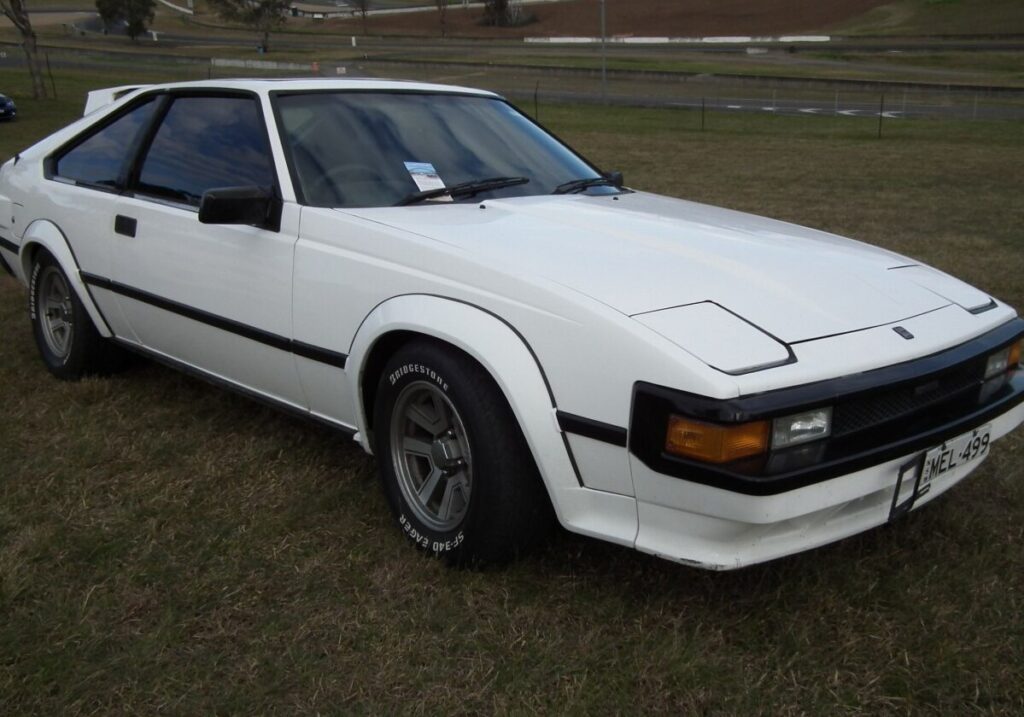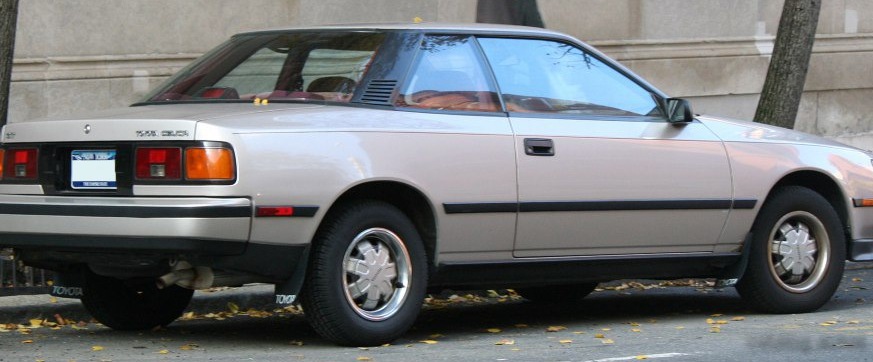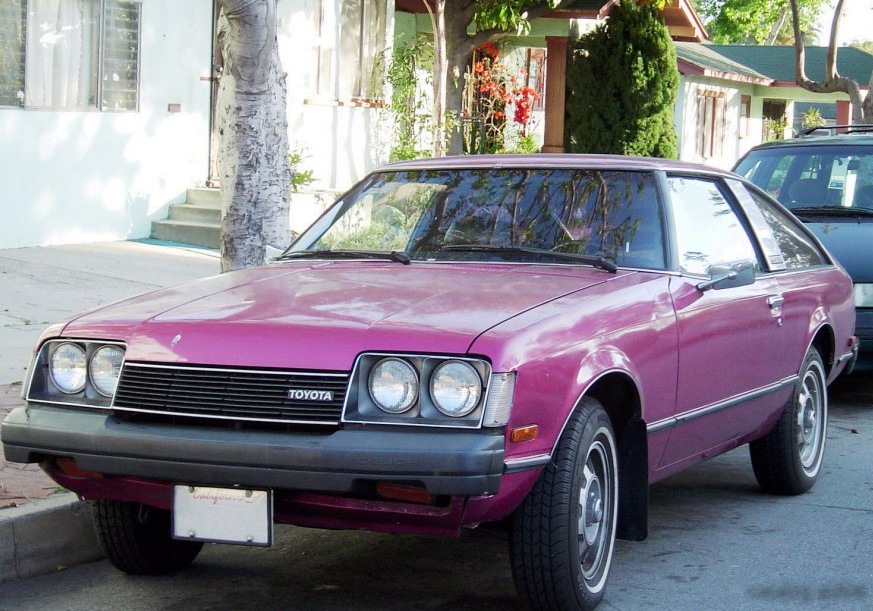
The Toyota Celica 1.6 GT (TA60, RA40, RA6) represents a pivotal point in the Celica’s second generation, produced between 1983 and 1985. This variant, powered by the 4A-GE engine, was positioned as the performance-oriented trim within the Celica lineup, offering a balance between sporty handling and reasonable fuel efficiency. It built upon the success of the first-generation Celica, aiming to appeal to a broader audience with its more refined styling and improved mechanicals. The TA60 chassis code designates the overall platform, while RA40 and RA6 denote specific sub-models with minor variations in equipment and regional availability.
Technical Specifications
| Brand | Toyota |
| Model | Celica |
| Generation | Celica (TA60, RA40, RA6) |
| Type (Engine) | 1.6 GT (124 Hp) |
| Start of Production | 1983 |
| End of Production | 1985 |
| Powertrain Architecture | Internal Combustion Engine |
| Body Type | Coupe |
| Doors | 2 |
| Fuel Type | Petrol (Gasoline) |
| Power | 124 Hp |
| Engine Model/Code | 4A-GE |
| Engine Aspiration | Naturally Aspirated |
Powertrain & Engine Architecture
The heart of the Celica 1.6 GT is the 4A-GE engine, a 1.6-liter (1587 cc) inline-four cylinder powerplant. This engine is notable for its use of Toyota’s Total Active Control System (TACS), an early form of electronic engine management. The 4A-GE featured multi-point fuel injection, a significant upgrade over the carburetors used in earlier Celica models, contributing to improved fuel efficiency and throttle response. The engine utilizes a single overhead camshaft (SOHC) design with two valves per cylinder. While not as sophisticated as the later DOHC 4A-GE found in subsequent Celica generations, this SOHC version provided a good balance of performance and reliability. The engine’s peak power output of 124 horsepower at 6,000 rpm and 109 lb-ft of torque at 4,800 rpm allowed for brisk acceleration. The transmission options included a 5-speed manual and a 4-speed automatic. The automatic transmission, while offering convenience, did impact the car’s overall performance, resulting in slightly slower acceleration times compared to the manual version.
Driving Characteristics
The Celica 1.6 GT, particularly when equipped with the 5-speed manual transmission, offered a genuinely engaging driving experience for its time. The steering was responsive, and the suspension, featuring MacPherson struts in the front and a semi-trailing arm setup in the rear, provided a comfortable yet controlled ride. The automatic transmission, while smooth, resulted in a noticeable decrease in responsiveness. Gear ratios were optimized for fuel economy rather than outright acceleration. The car felt relatively light and nimble, making it enjoyable to drive on winding roads. Compared to the base model Celicas, the 1.6 GT offered significantly improved acceleration and handling. However, it didn’t quite match the performance of the later, more powerful Celica variants like the GT-Four.
Equipment & Trim Levels
The 1.6 GT trim level represented a step up in terms of features and interior appointments. Standard equipment typically included power steering, upgraded cloth upholstery, a more comprehensive instrument cluster with a tachometer, and a better-quality sound system. Optional extras included air conditioning, power windows, and upgraded wheels. The interior design was functional and driver-focused, with a clear layout of controls. The dashboard featured a sporty design with a prominent center console. The GT trim also often included a rear spoiler, adding to the car’s sporty aesthetic. The overall interior quality was considered good for a car in its price range, offering a comfortable and well-equipped cabin.
Chassis & Braking
The Celica 1.6 GT utilized a unibody construction for improved rigidity and weight reduction. The front suspension employed MacPherson struts, coil springs, and an anti-roll bar, while the rear suspension featured a semi-trailing arm design with coil springs. Braking duties were handled by disc brakes in the front and drum brakes in the rear. While the front discs provided adequate stopping power, the rear drums were a common point of criticism, particularly for more spirited driving. The braking system was generally reliable, but lacked the sophistication of more modern systems. The chassis was well-balanced, contributing to the car’s neutral handling characteristics.
Market Reception & Comparison
The Celica 1.6 GT was generally well-received by automotive critics. It was praised for its sporty styling, engaging driving dynamics, and relatively affordable price. Compared to its competitors, such as the Honda Prelude and Nissan Pulsar NX, the Celica 1.6 GT offered a compelling combination of performance and value. The automatic transmission version, while convenient, was often criticized for its impact on performance and fuel economy. The manual transmission version was favored by enthusiasts for its more engaging driving experience. Fuel economy was respectable for the time, averaging around 28 mpg in combined driving conditions. Reliability was also a strong point, with the 4A-GE engine proving to be a durable and long-lasting powerplant.
Legacy
The Toyota Celica 1.6 GT (TA60, RA40, RA6) holds a significant place in the Celica’s history. It represented a refinement of the second-generation Celica, offering a more polished and performance-oriented package. The 4A-GE engine, while not the most powerful version of the engine, proved to be remarkably reliable and is still sought after by enthusiasts today. In the used car market, these Celicas are becoming increasingly collectible, particularly well-maintained examples with low mileage. The automatic transmission versions are generally more affordable, while the manual transmission models command a premium. The Celica 1.6 GT remains a popular choice for classic car enthusiasts and those seeking a nostalgic driving experience. Its blend of sporty styling, reliable mechanics, and affordable price has ensured its enduring appeal.