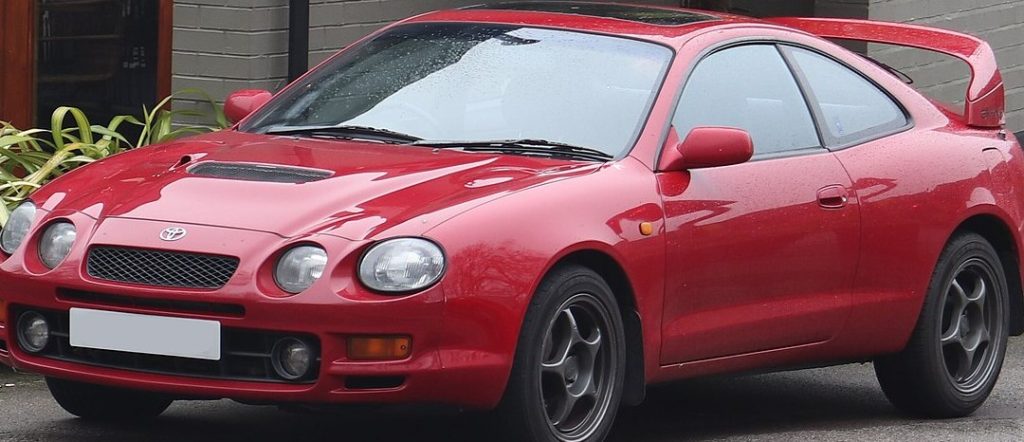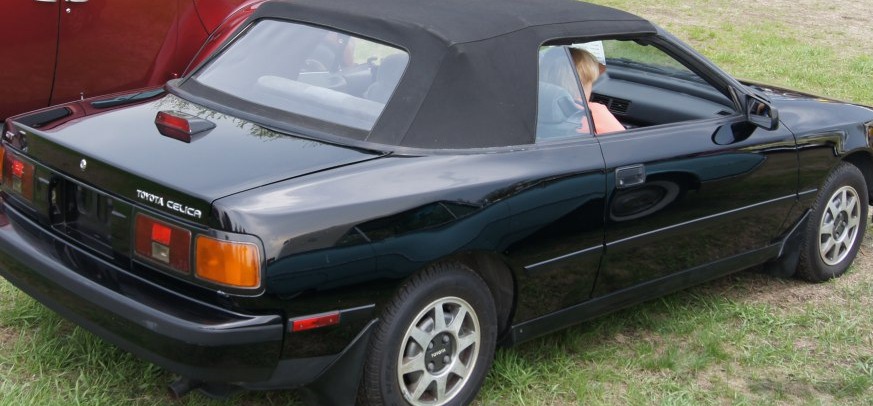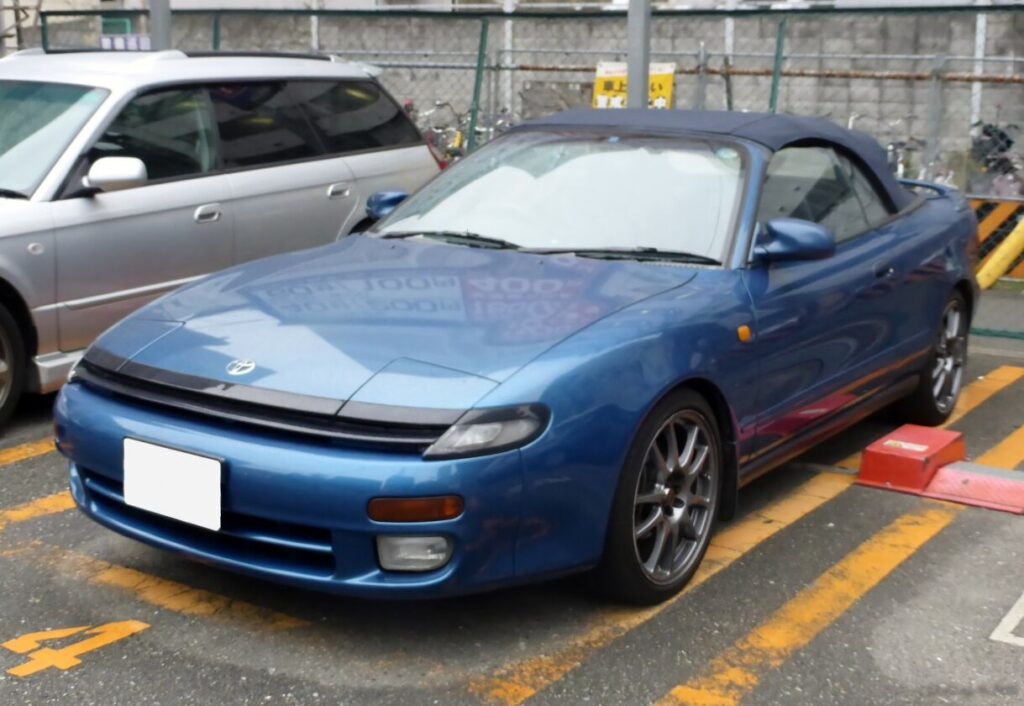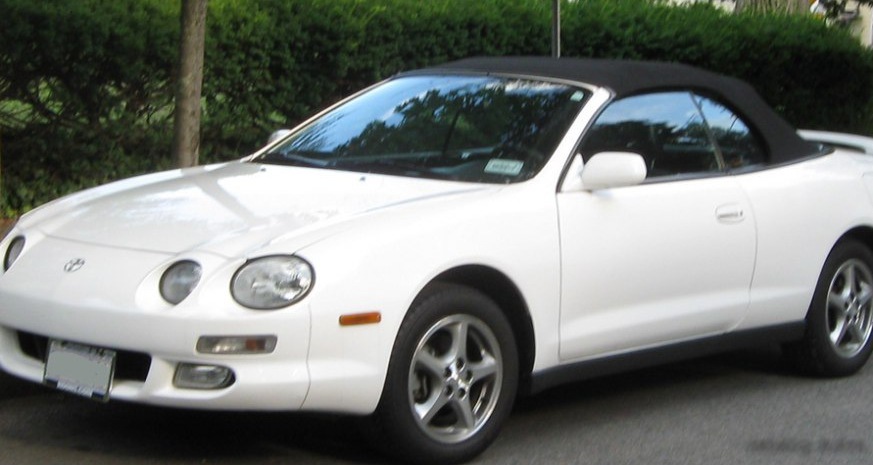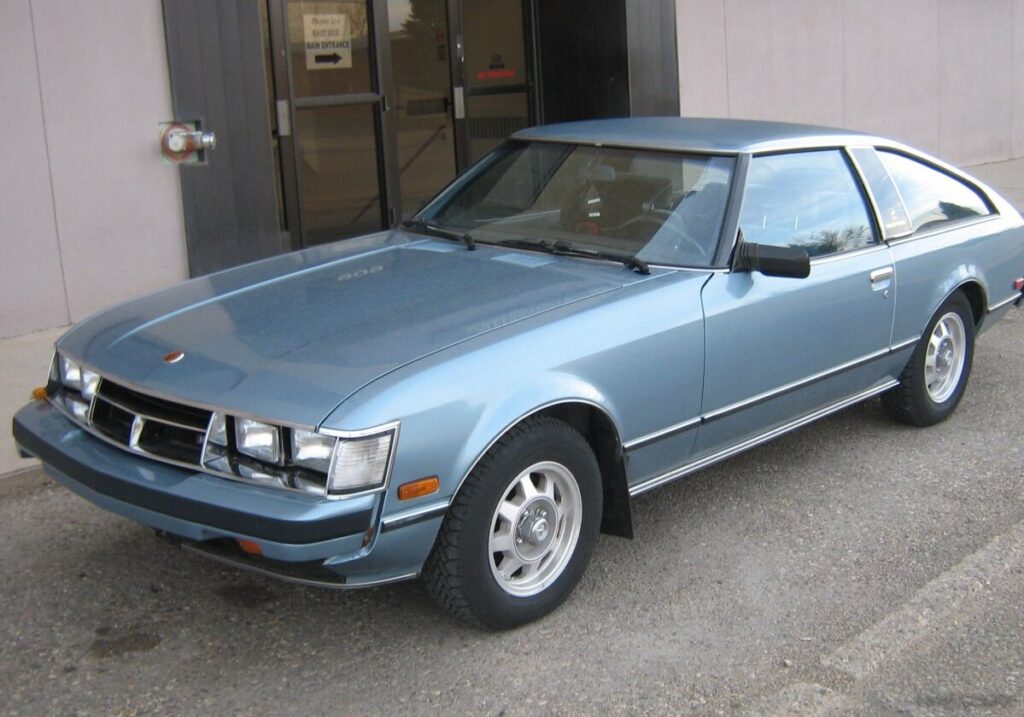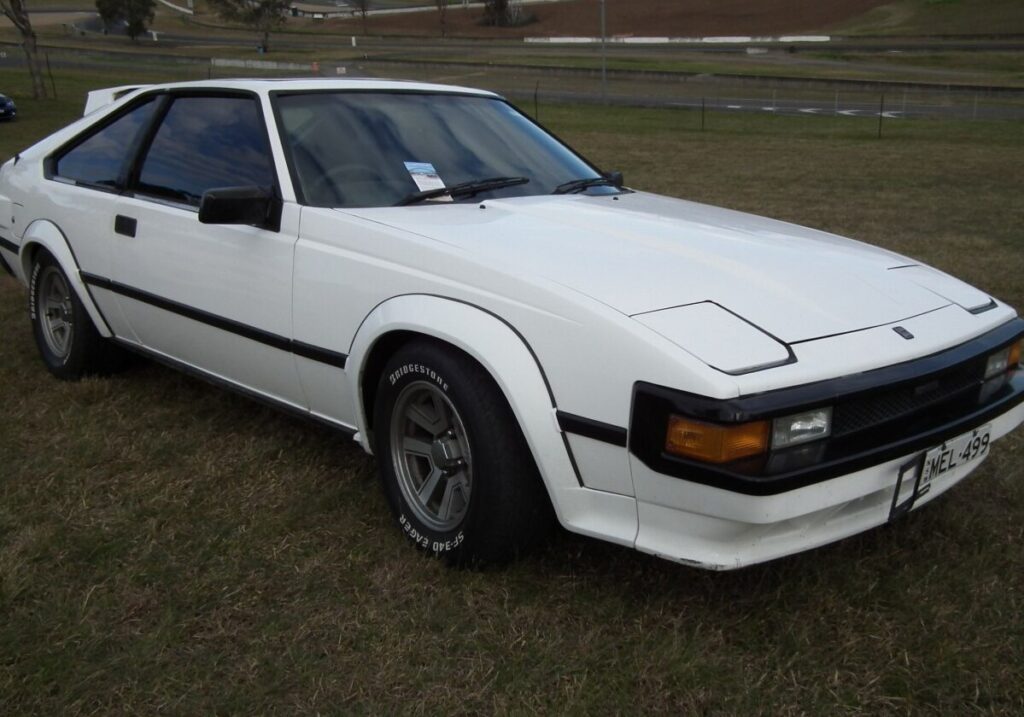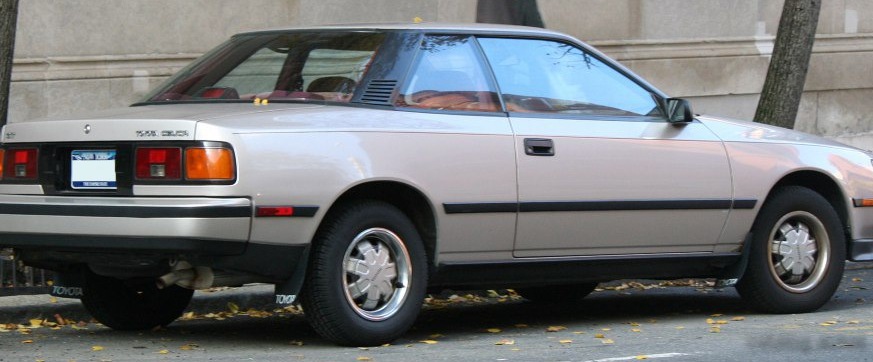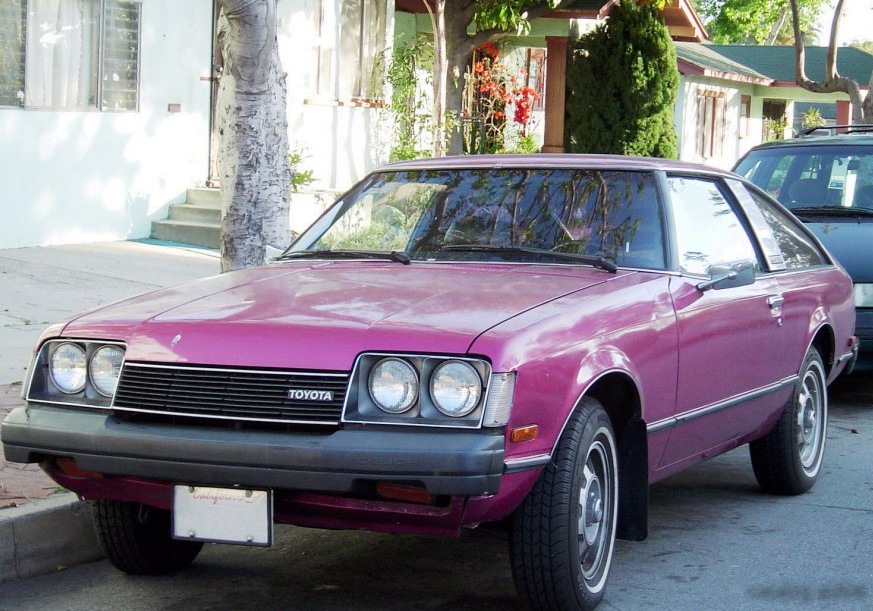
The Toyota Celica 1.6 GT (TA4C), produced between 1980 and 1982, represents a significant iteration of the second-generation Celica (TA60, RA40, RA6) lineup. Positioned as a sporty, yet accessible coupe, the 1.6 GT aimed to deliver a balance of performance and fuel efficiency within the Celica range. This generation Celica marked a shift towards a more refined and modern design compared to its predecessor, and the 1.6 GT variant offered a step up in power and features from the base models. It played a key role in establishing the Celica’s reputation as a stylish and reliable sports coupe in the North American and Japanese markets.
Technical Specifications
| Brand | Toyota |
| Model | Celica |
| Generation | Celica (TA60, RA40, RA6) |
| Type (Engine) | 1.6 GT (TA4C) (110 Hp) |
| Start of Production | 1980 |
| End of Production | 1982 |
| Powertrain Architecture | Internal Combustion Engine |
| Body Type | Coupe |
| Fuel Type | Petrol (Gasoline) |
| Power | 110 Hp |
| Engine Model/Code | 2T-B |
| Engine Aspiration | Naturally Aspirated |
| Engine Oil Capacity | 4.2 l (4.44 US qt | 3.7 UK qt) |
| Coolant Capacity | 8.8 l (9.3 US qt | 7.74 UK qt) |
Powertrain & Engine Architecture
The heart of the Celica 1.6 GT (TA4C) is the 2T-B engine, a 1.6-liter inline-four cylinder gasoline engine. This engine is naturally aspirated and utilizes a single overhead camshaft (SOHC) valvetrain. The 2T-B was known for its relatively simple design, contributing to its reliability. Fuel delivery is managed by a carburetor, a common feature for vehicles of this era. While not as precise as fuel injection, the carburetor provided adequate performance for the intended market. The engine produces 110 horsepower, a respectable figure for a 1.6-liter engine in the early 1980s. The engine block is cast iron, providing durability, while the cylinder head is aluminum, helping to reduce weight. The 2T-B engine is known for its responsiveness and willingness to rev, making it enjoyable to drive. The transmission paired with the 1.6 GT is typically a four-speed automatic, although a five-speed manual transmission was also available as an option. The automatic transmission was geared towards providing smooth and comfortable shifts, prioritizing ease of use over outright performance.
Driving Characteristics
The Celica 1.6 GT with the automatic transmission delivers a comfortable and predictable driving experience. Acceleration is adequate for everyday driving, with the 110 horsepower engine providing sufficient power for merging onto highways and passing other vehicles. However, it’s noticeably slower than the manual transmission versions or the higher-spec Celica models with larger engines. The automatic transmission’s gear ratios are optimized for fuel economy and smooth cruising, rather than aggressive acceleration. The steering is light and responsive, making the Celica easy to maneuver in city traffic. The suspension, while not particularly sophisticated, provides a reasonable balance between ride comfort and handling. Compared to the five-speed manual version, the automatic sacrifices some driver engagement and responsiveness, but gains in convenience. The automatic transmission does contribute to a slight decrease in fuel economy compared to the manual.
Equipment & Trim Levels
The 1.6 GT trim level offered a step up in features compared to the base Celica models. Standard equipment typically included cloth upholstery, a center console, and a more comprehensive instrument cluster. Power steering was often included, enhancing the driving experience. Optional extras available for the 1.6 GT included air conditioning, a premium sound system, and upgraded wheels. The interior design was functional and stylish, reflecting the Celica’s sporty character. The dashboard layout was straightforward and easy to use, with all essential controls within easy reach of the driver. The GT trim also featured unique exterior styling cues, such as a rear spoiler and distinctive wheel covers, setting it apart from the lower-spec models.
Chassis & Braking
The Celica 1.6 GT utilizes a rear-wheel-drive chassis, a configuration common for sports coupes of this era. The suspension consists of independent front suspension with MacPherson struts and a live axle with leaf springs in the rear. This setup provides a good balance between ride comfort and handling. Braking duties are handled by disc brakes in the front and drum brakes in the rear. While the front discs provide adequate stopping power, the rear drums are less effective, particularly under heavy braking. The chassis is relatively lightweight, contributing to the Celica’s nimble handling characteristics. A stabilizer bar is included in the front suspension to reduce body roll during cornering. The overall chassis design prioritizes affordability and reliability over outright performance.
Market Reception & Comparison
The Celica 1.6 GT was generally well-received by automotive critics and consumers alike. It was praised for its stylish design, reliable engine, and comfortable ride. However, some critics noted that the 110 horsepower engine was somewhat underpowered, especially when paired with the automatic transmission. Compared to the Celica Supra, which offered more powerful engines and a more sophisticated chassis, the 1.6 GT was positioned as a more affordable and accessible option. Within the Celica lineup, the 1.6 GT offered a good balance of performance and features, making it a popular choice for buyers who wanted a sporty coupe without breaking the bank. Fuel economy was considered good for a sports coupe of its time, averaging around 25-30 miles per gallon. Reliability was also a strong point, with the 2T-B engine proving to be durable and long-lasting.
Legacy
The Toyota Celica 1.6 GT (TA4C) has become a sought-after classic car among enthusiasts. The 2T-B engine, while not the most powerful, is known for its reliability and ease of maintenance. Parts availability is generally good, although some specific components may be difficult to find. The automatic transmission, while not as desirable as the manual, offers a comfortable and convenient driving experience. Today, well-maintained examples of the Celica 1.6 GT are appreciating in value, as collectors recognize their historical significance and enduring appeal. The car represents a pivotal moment in Toyota’s history, showcasing the company’s ability to produce stylish, reliable, and affordable sports coupes. The Celica 1.6 GT remains a testament to the enduring appeal of classic Japanese automotive design.