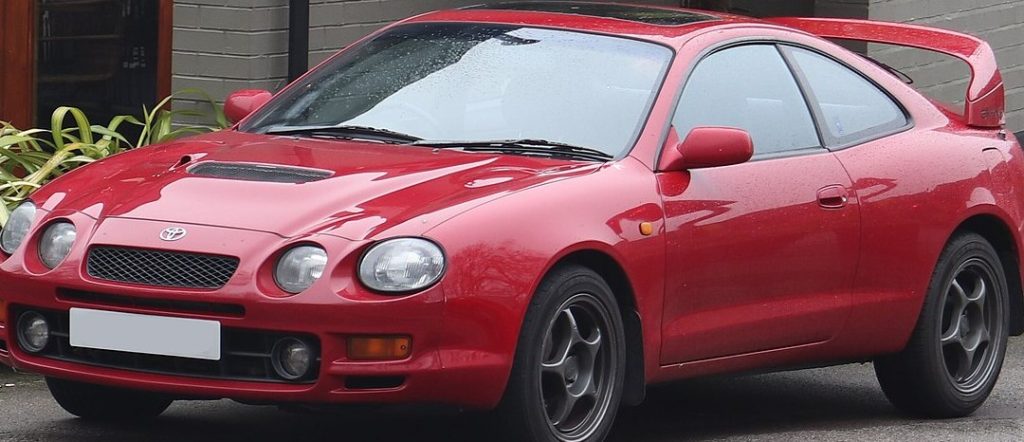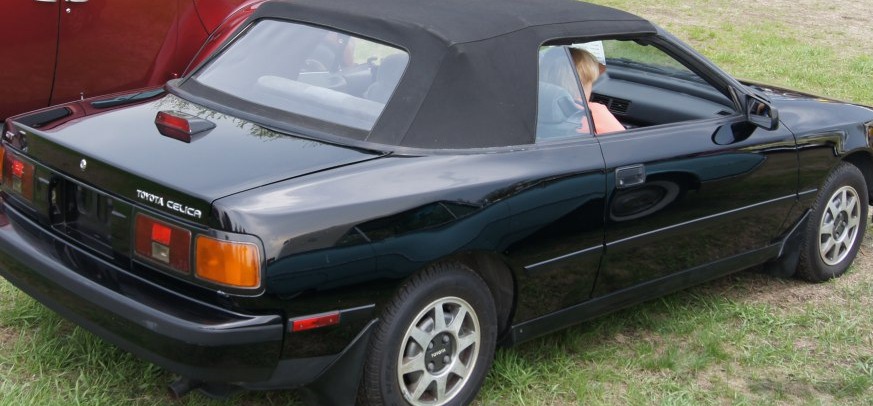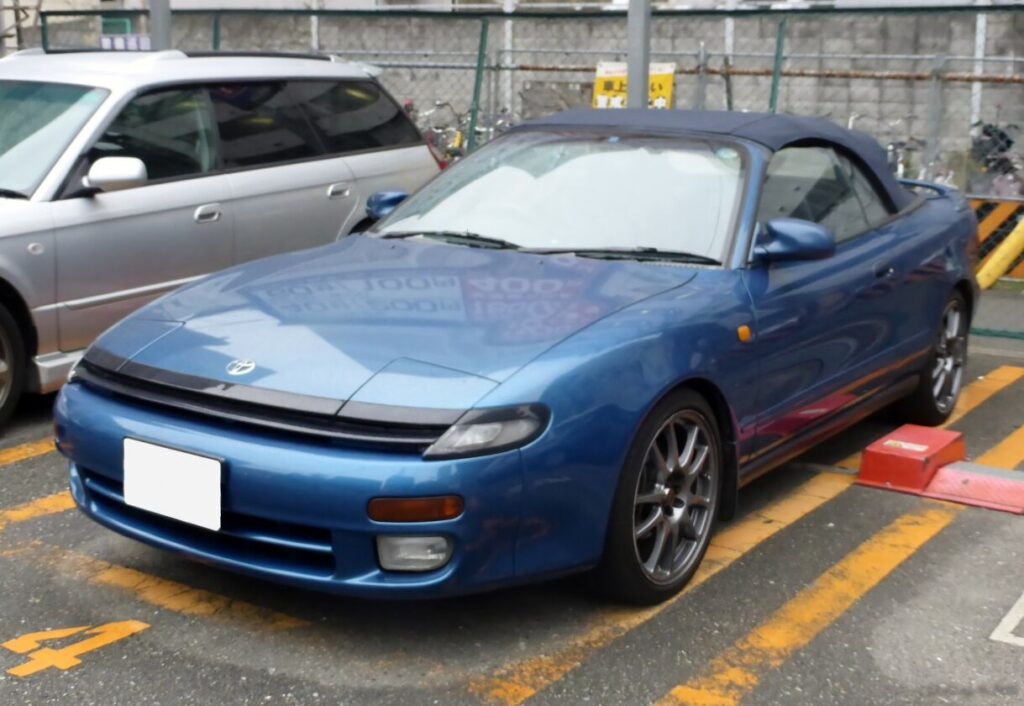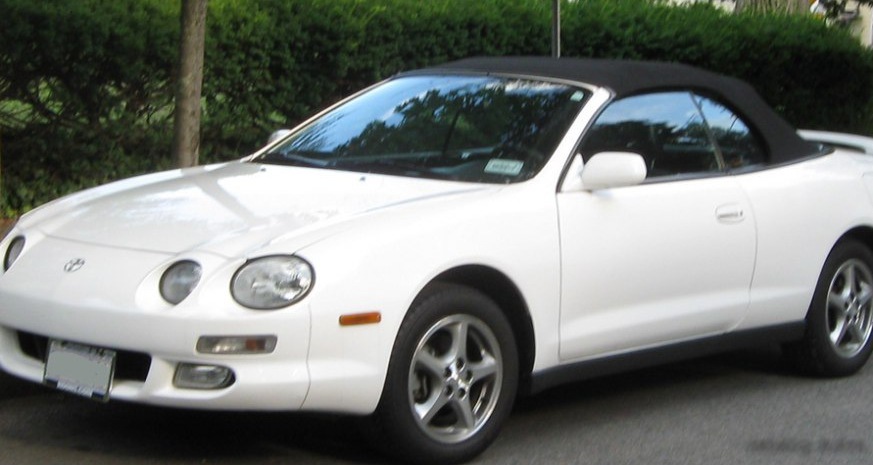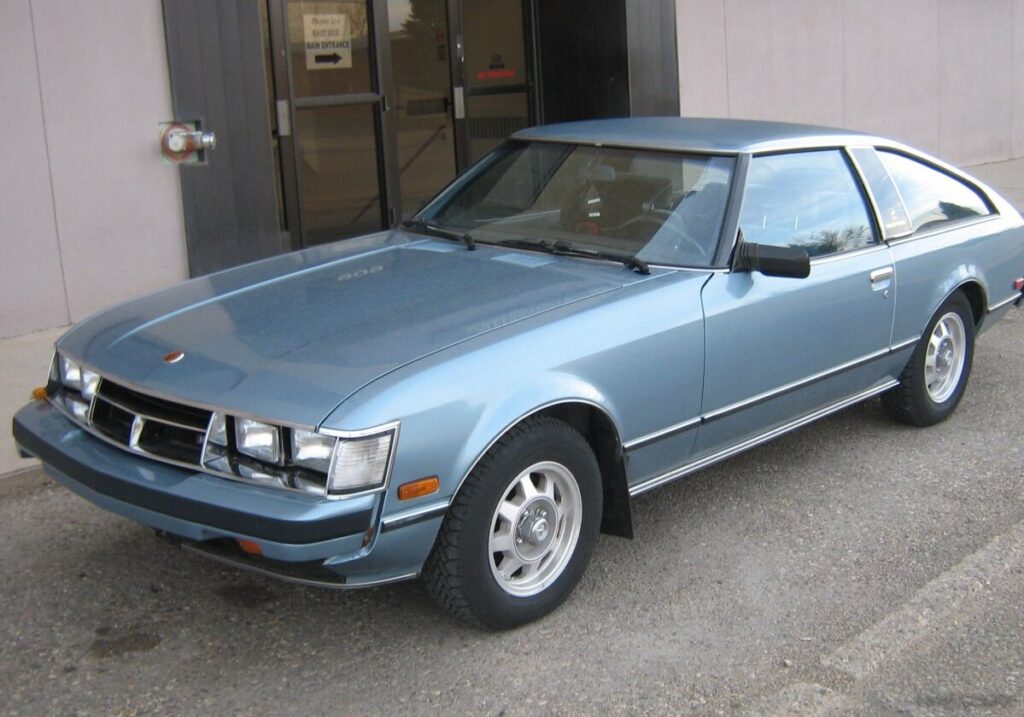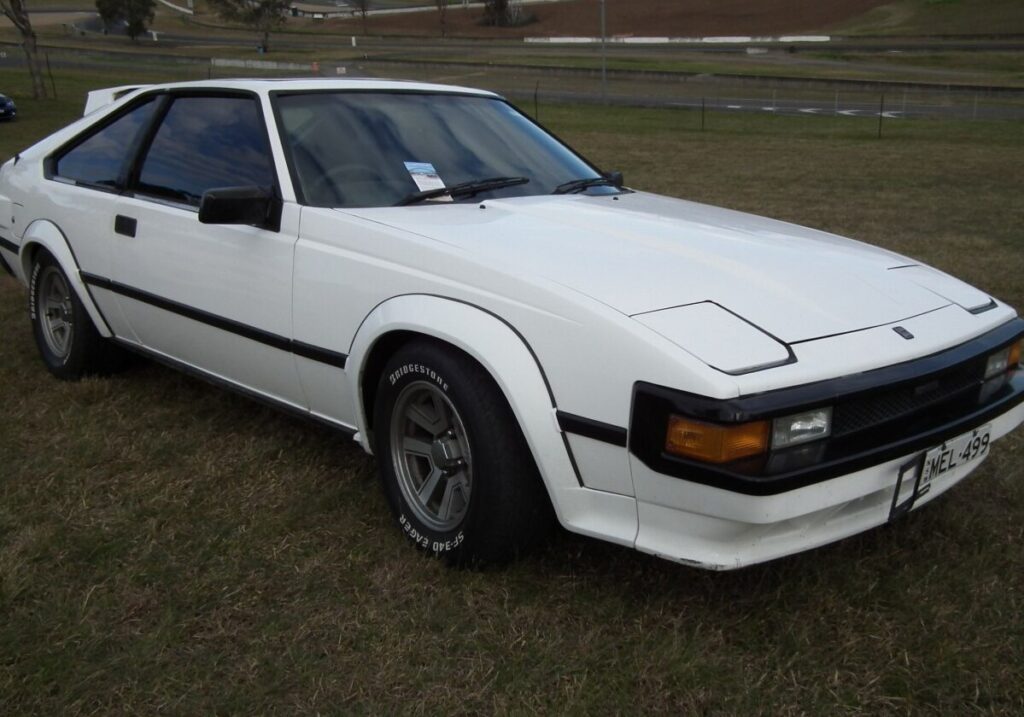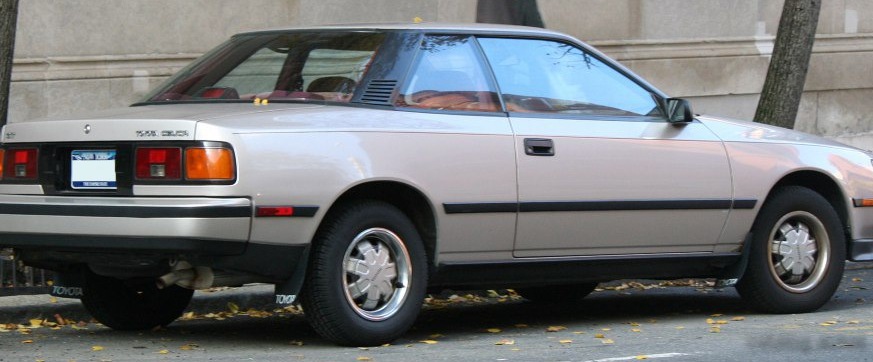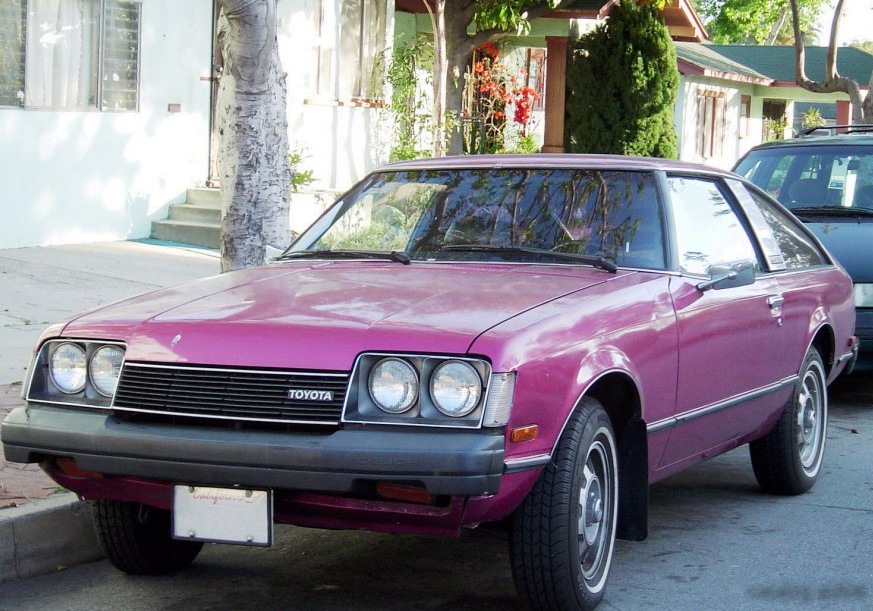
The Toyota Celica 1.6 ST (TA60), produced between 1981 and 1983, represents a key iteration of the second-generation Celica (A60 chassis). Positioned as an entry-level to mid-range offering within the Celica lineup, it provided a more accessible price point compared to the higher-performance GT and GT-Turbo models. The TA60 series, along with the RA40 and RA6 variants, marked Toyota’s continued commitment to the sporty coupe market, offering a blend of style, reliability, and reasonable performance. This particular 1.6 ST model aimed at buyers seeking a comfortable and economical daily driver with a touch of sporting flair.
Technical Specifications
| Brand | Toyota |
| Model | Celica |
| Generation | Celica (TA60, RA40, RA6) |
| Type (Engine) | 1.6 ST (TA60) (90 Hp) |
| Start of Production | 1981 |
| End of Production | 1983 |
| Powertrain Architecture | Internal Combustion Engine |
| Body Type | Coupe |
| Fuel Type | Petrol (Gasoline) |
| Power | 90 Hp |
| Engine Model/Code | 2T-B |
| Engine Aspiration | Naturally Aspirated |
| Engine Oil Capacity | 3.8 l (4.02 US qt | 3.34 UK qt) |
| Coolant Capacity | 7.5 l (7.93 US qt | 6.6 UK qt) |
Powertrain & Engine Architecture
The heart of the Celica 1.6 ST is the 2T-B engine, a 1.6-liter (1587 cc) inline-four cylinder gasoline engine. This engine is naturally aspirated and utilizes a single overhead camshaft (SOHC) valvetrain. The 2T-B featured a two-barrel carburetor for fuel delivery, a common setup for the era, prioritizing simplicity and cost-effectiveness over the more advanced fuel injection systems found in some contemporary vehicles. The engine’s 90 horsepower output at approximately 6000 rpm, and 98 lb-ft of torque at 3600 rpm, were respectable for its displacement and intended market segment. The engine block is cast iron, providing durability, while the cylinder head is aluminum, contributing to weight reduction. The transmission paired with the 2T-B in the 1.6 ST is a three-speed automatic. This automatic transmission, while offering convenience, was geared more towards fuel economy and smooth operation than outright performance. It featured a torque converter and relatively wide gear ratios.
Driving Characteristics
The Celica 1.6 ST with the automatic transmission delivers a comfortable, if not particularly exhilarating, driving experience. Acceleration is adequate for everyday driving, but the automatic transmission does diminish the engine’s potential. Compared to the five-speed manual transmission available in other Celica trims, the automatic results in noticeable performance loss. The three-speed automatic’s gear ratios are optimized for cruising and fuel efficiency, meaning the engine often operates at lower RPMs. This contributes to a quieter cabin experience but can feel sluggish when attempting quicker acceleration or overtaking maneuvers. The steering is relatively light, making it easy to maneuver in urban environments, but lacks the direct feel preferred by driving enthusiasts. The suspension, while providing a reasonably comfortable ride, is tuned for general use rather than aggressive cornering. Overall, the driving experience is geared towards practicality and ease of use.
Equipment & Trim Levels
The Celica 1.6 ST occupied a middle ground in terms of equipment. Standard features typically included cloth upholstery, a basic AM/FM radio, and manual windows and door locks. The interior design was functional and straightforward, prioritizing durability over luxury. Optional extras available for the 1.6 ST included upgraded audio systems, air conditioning, and a sunroof. The exterior styling was relatively understated compared to the GT models, with simpler wheel covers and less aggressive bodywork. The dashboard layout was clean and easy to read, with clearly marked gauges for speed, fuel level, and engine temperature. The 1.6 ST trim generally lacked the sporty touches found in the GT, such as a rear spoiler or sport seats.
Chassis & Braking
The Celica 1.6 ST utilizes a rear-wheel-drive layout, a characteristic of the A60 chassis. The suspension consists of independent front suspension with MacPherson struts and a live axle with leaf springs in the rear. This setup provides a balance between ride comfort and handling. Braking duties are handled by disc brakes on the front wheels and drum brakes on the rear wheels. The braking system is adequate for normal driving conditions, but lacks the stopping power of the larger brakes found on the GT models. The chassis is relatively lightweight, contributing to the car’s nimble handling characteristics. Stabilizer bars were typically fitted to both the front and rear suspension, helping to reduce body roll during cornering. The tire size was typically 185/70R14, providing a good compromise between grip and ride comfort.
Market Reception & Comparison
The Celica 1.6 ST was generally well-received by critics as a practical and reliable coupe. It offered a good value proposition for buyers seeking a stylish and economical vehicle. However, it was often criticized for its lack of performance compared to the GT and GT-Turbo models. Fuel economy was a strong point, with the 1.6 ST achieving around 25-30 mpg in real-world driving conditions. Compared to the 2.4-liter GT, the 1.6 ST offered significantly lower performance but also lower running costs. The 1.6 ST was also more affordable to insure and maintain. The 1.9-liter diesel Celica, while offering even better fuel economy, was considerably slower and lacked the refinement of the 1.6 ST. The automatic transmission, while convenient, was a point of contention for some reviewers, who felt it detracted from the driving experience.
Legacy
The Toyota Celica 1.6 ST (TA60) has proven to be a relatively reliable vehicle over the long term. The 2T-B engine is known for its durability, and parts availability remains reasonably good, although some components can be difficult to find. Today, the Celica TA60 is gaining popularity among classic car enthusiasts, particularly those seeking an affordable and easy-to-maintain Japanese coupe. While not as highly sought after as the GT or GT-Turbo models, the 1.6 ST offers a unique charm and represents a significant piece of Toyota’s automotive history. Well-maintained examples are becoming increasingly rare, and prices are slowly rising as demand increases. The automatic transmission variant, while not preferred by performance enthusiasts, offers a more accessible entry point into Celica ownership for those seeking a comfortable and reliable classic car.