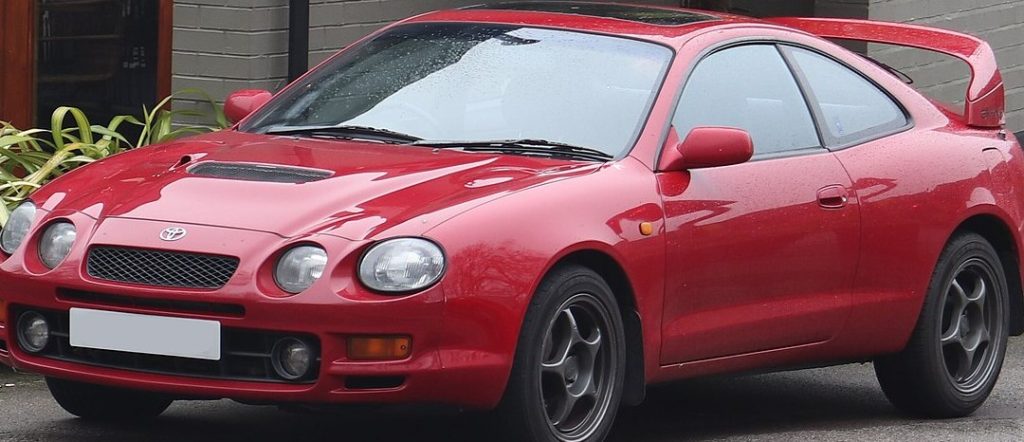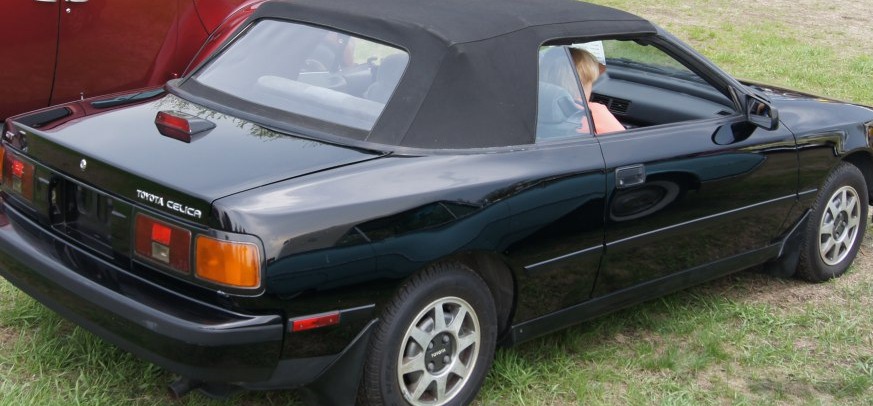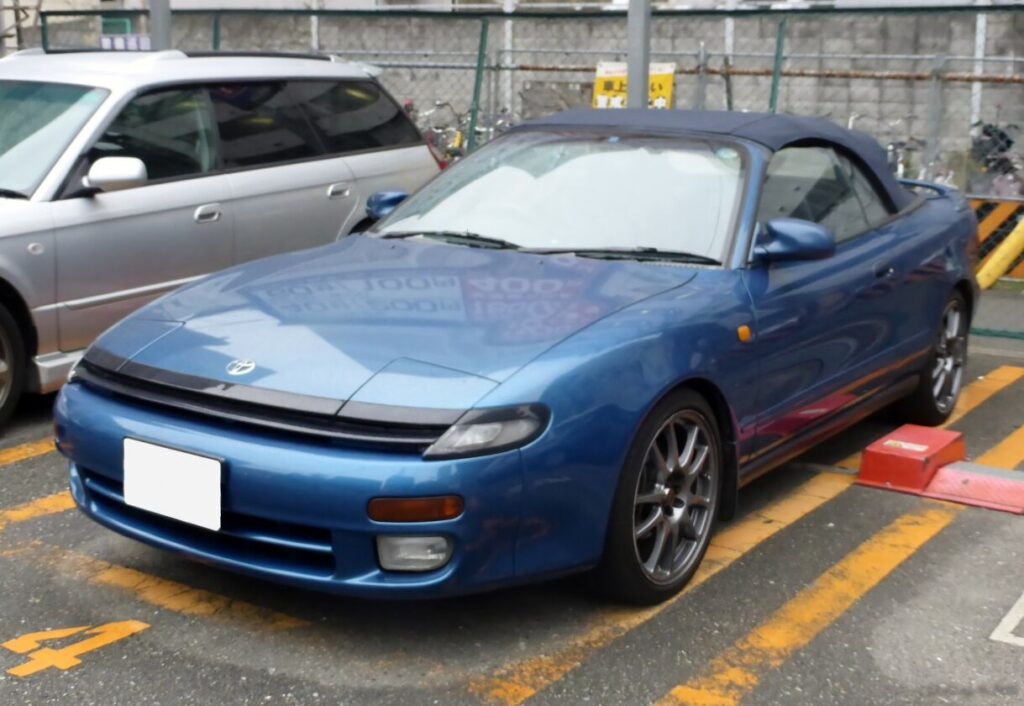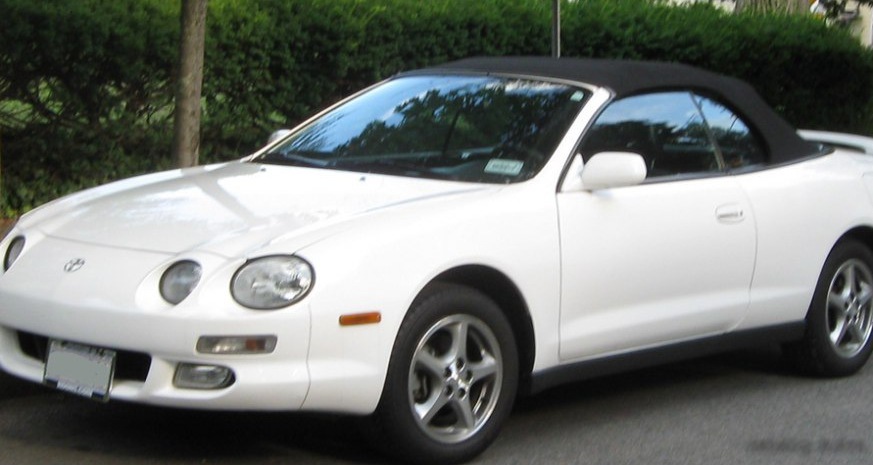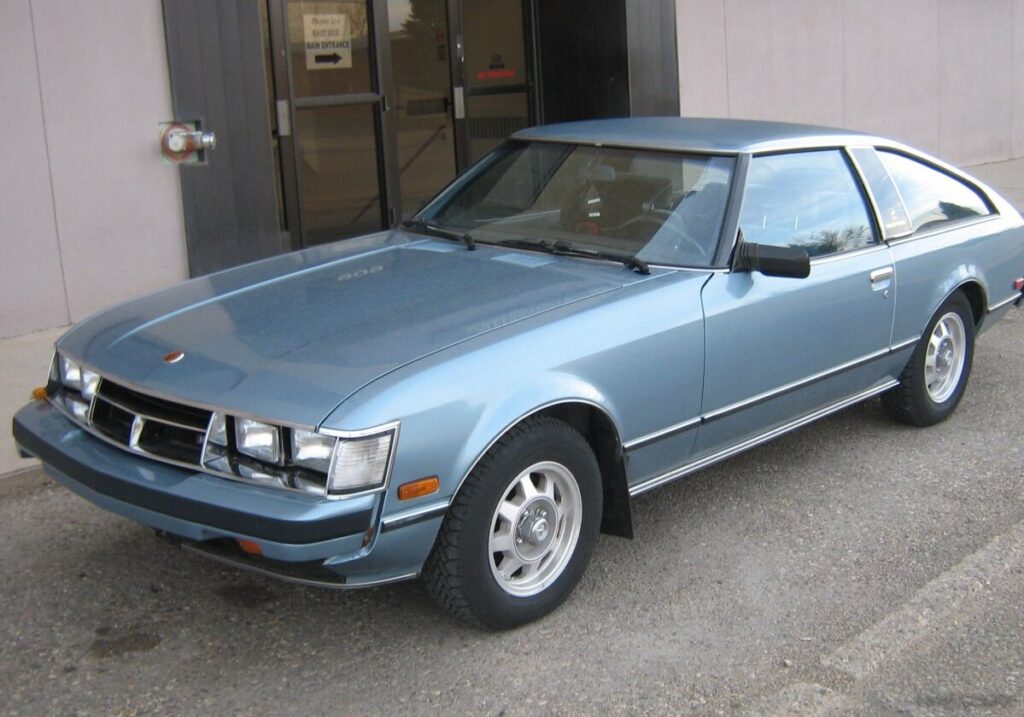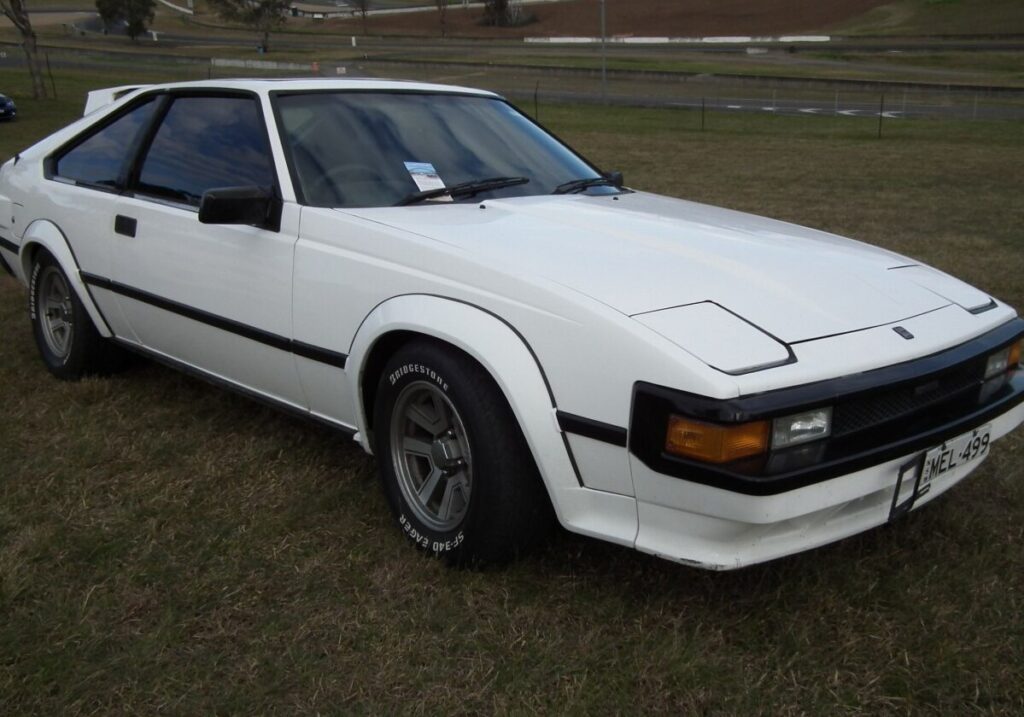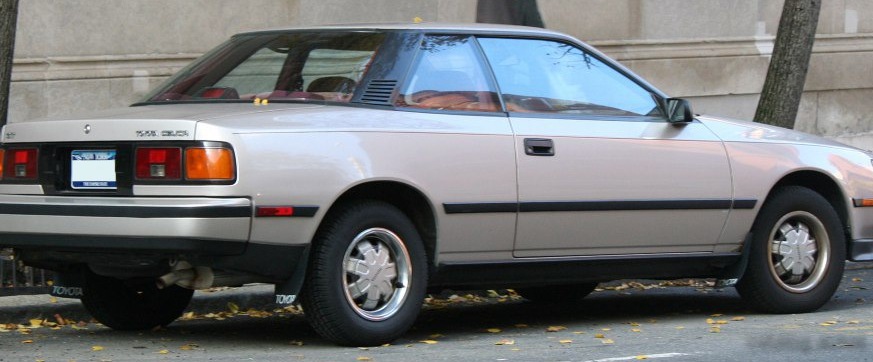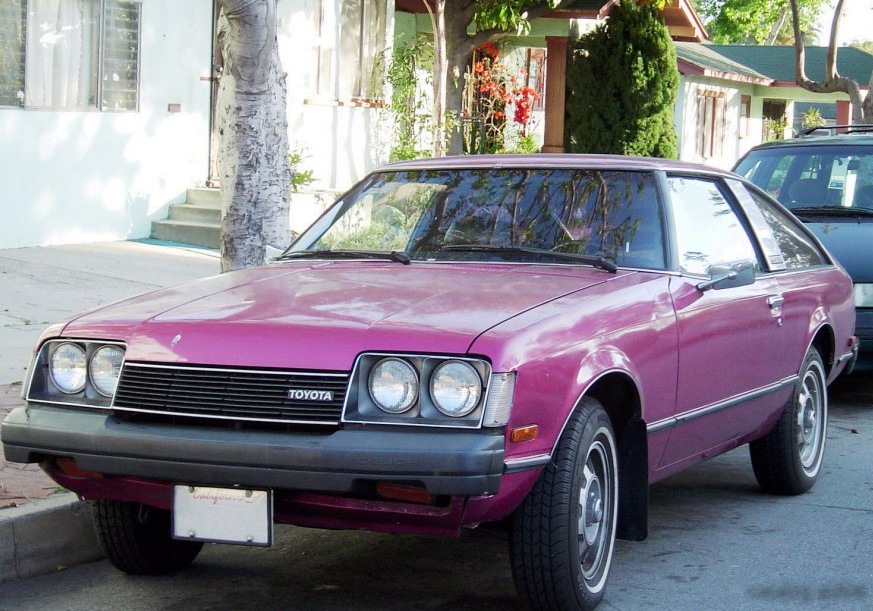
The Toyota Celica 2.0 GT (RA63), produced between 1981 and 1983, represents a pivotal point in the second generation (TA60, RA40, RA6) of Toyota’s iconic sports coupe. Positioned as the performance variant within the lineup, the RA63 offered a significant step up in power and handling compared to the base models. This generation Celica, built on the A3 platform, aimed to blend sporty aesthetics with everyday usability, appealing to a broader audience than its predecessor. The 2.0 GT, with its 118 horsepower engine, was a popular choice for enthusiasts seeking a responsive and engaging driving experience.
Technical Specifications
| Brand | Toyota |
| Model | Celica |
| Generation | Celica (TA60,RA40,RA6) |
| Type | 2.0 GT (RA63) (118 Hp) |
| Start of production | 1981 |
| End of production | 1983 |
| Powertrain Architecture | Internal Combustion engine |
| Body type | Coupe |
| Seats | 5 |
| Doors | 3 |
| Fuel Type | Petrol (Gasoline) |
| Maximum speed | 290 km/h (180.2 mph) |
| Weight-to-power ratio | 9 kg/Hp, 111.4 Hp/tonne |
| Weight-to-torque ratio | 7 kg/Nm, 143.5 Nm/tonne |
| Power | 118 Hp @ 5800 rpm |
| Power per litre | 60 Hp/l |
| Torque | 152 Nm @ 5200 rpm (112.11 lb.-ft. @ 5200 rpm) |
| Engine layout | Front, Longitudinal |
| Engine Model/Code | 18R-G |
| Engine displacement | 1968 cm3 (120.09 cu. in.) |
| Number of cylinders | 4 |
| Engine configuration | Inline |
| Cylinder Bore | 88.5 mm (3.48 in.) |
| Piston Stroke | 80 mm (3.15 in.) |
| Compression ratio | 9.7:1 |
| Number of valves per cylinder | 2 |
| Fuel injection system | Carburettor |
| Engine aspiration | Naturally aspirated engine |
| Valvetrain | SOHC |
| Engine oil capacity | 3.3 l (3.49 US qt | 2.9 UK qt) |
| Coolant capacity | 8.4 l (8.88 US qt | 7.39 UK qt) |
| Kerb Weight | 1059 kg (2334.7 lbs) |
| Max. weight | 1530 kg (3373.07 lbs) |
| Max load | 471 kg (1038.38 lbs) |
| Fuel tank capacity | 61 l (16.11 US gal | 13.42 UK gal) |
| Length | 4330 mm (170.47 in) |
| Width | 1640 mm (64.57 in) |
| Height | 1315 mm (51.77 in) |
| Wheelbase | 2500 mm (98.43 in) |
| Front track | 1350 mm (53.15 in) |
| Rear track | 1365 mm (53.74 in) |
| Minimum turning circle | 10 m (32.81 ft) |
| Drivetrain Architecture | Rear wheel drive |
| Number of gears | 5 gears, manual transmission |
| Front suspension | Independent coil spring |
| Rear suspension | Rigid axle suspension |
| Front brakes | Disc |
| Rear brakes | Drum |
| Steering type | Worm-reduction unit |
| Power steering | Hydraulic Steering |
| Tires size | 185/70 R14 |
Powertrain & Engine Architecture
The heart of the Celica 2.0 GT (RA63) is the 18R-G engine, a 1.968-liter inline-four cylinder powerplant. This engine, a development of Toyota’s ‘R’ series, featured a single overhead camshaft (SOHC) valvetrain operating two valves per cylinder. Fuel delivery was managed by a carburetor, a common setup for the time, though less efficient than fuel injection. The 18R-G produced 118 horsepower at 5800 rpm and 152 Nm (112.11 lb-ft) of torque at 5200 rpm. The engine’s longitudinal front-engine, rear-wheel-drive layout contributed to a balanced weight distribution, enhancing handling characteristics. The RA63 was exclusively offered with a five-speed manual transmission, providing drivers with precise control over the engine’s powerband.
Driving Characteristics
The 2.0 GT, with its five-speed manual, offered a noticeably more engaging driving experience than the lower-spec Celicas. While not a high-revving engine, the 18R-G delivered usable power throughout the rev range. The five-speed gearbox allowed drivers to keep the engine in its sweet spot, maximizing acceleration and responsiveness. Compared to the automatic transmissions available on other Celica trims, the manual offered a more direct connection to the engine and a greater sense of control. The rear-wheel-drive configuration contributed to a balanced feel, making the car predictable and enjoyable to drive on winding roads. Acceleration from 0 to 60 mph was estimated to be around 8.5 seconds, respectable for a coupe of its era.
Equipment & Trim Levels
The 2.0 GT trim level included several features aimed at enhancing both comfort and performance. Standard equipment typically included upgraded cloth upholstery, a more comprehensive instrument cluster with a tachometer, and a sporty three-spoke steering wheel. Optional extras included a sunroof, upgraded audio systems, and alloy wheels. The interior design was functional and driver-focused, with a clear layout and easy-to-reach controls. While not luxurious, the interior offered a comfortable and practical environment for both driver and passengers.
Chassis & Braking
The Celica 2.0 GT utilized an independent coil spring suspension in the front, providing a comfortable ride and good handling. The rear suspension employed a rigid axle setup, a cost-effective solution that offered adequate performance for everyday driving. Braking duties were handled by disc brakes in the front and drum brakes in the rear. While the braking system was adequate for the car’s performance, it lacked the stopping power of more modern systems. Power-assisted steering was standard, making the car easier to maneuver at low speeds.
Market Reception & Comparison
The Celica 2.0 GT (RA63) was generally well-received by automotive critics. It was praised for its sporty styling, engaging driving dynamics, and relatively affordable price. Compared to the base Celica models, the 2.0 GT offered a significant performance upgrade. However, it faced competition from other sporty coupes of the era, such as the Mazda RX-7 and the Nissan Z series. The 2.0 GT’s fuel economy was reasonable for its time, averaging around 25-30 mpg. Reliability was also a strong point, as with most Toyota products of this era.
Legacy
The Toyota Celica 2.0 GT (RA63) remains a popular choice among classic car enthusiasts. The 18R-G engine is known for its durability and relatively simple maintenance requirements. While parts availability can be a challenge, many components are still readily available through aftermarket suppliers. Today, well-maintained examples of the RA63 are sought after by collectors and enthusiasts who appreciate its classic styling, engaging driving dynamics, and Toyota’s reputation for reliability. The car represents a significant chapter in the Celica’s history, bridging the gap between the first and third generations and solidifying its position as a true Japanese sports coupe icon.