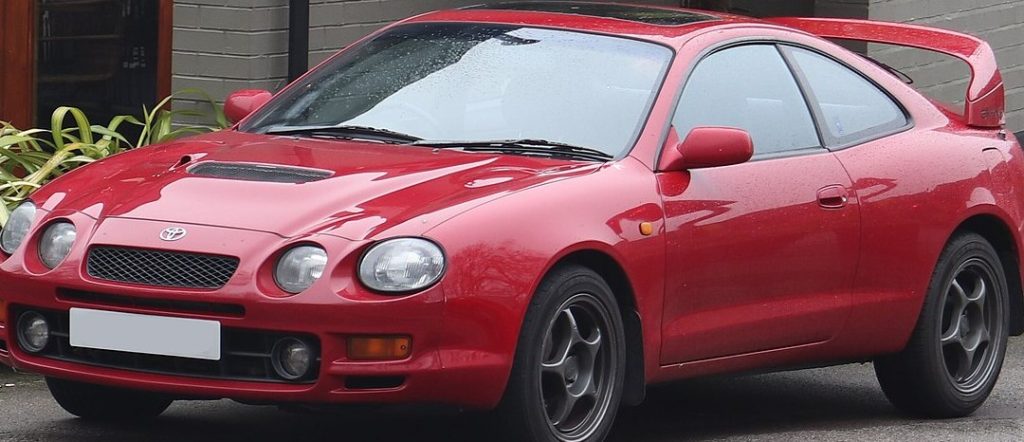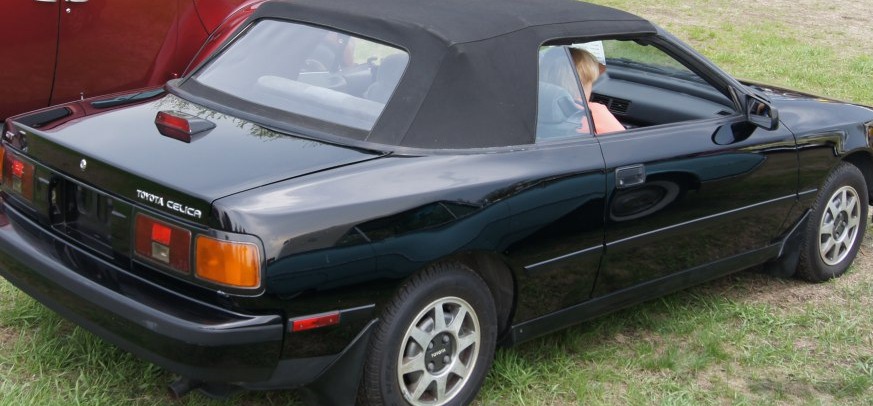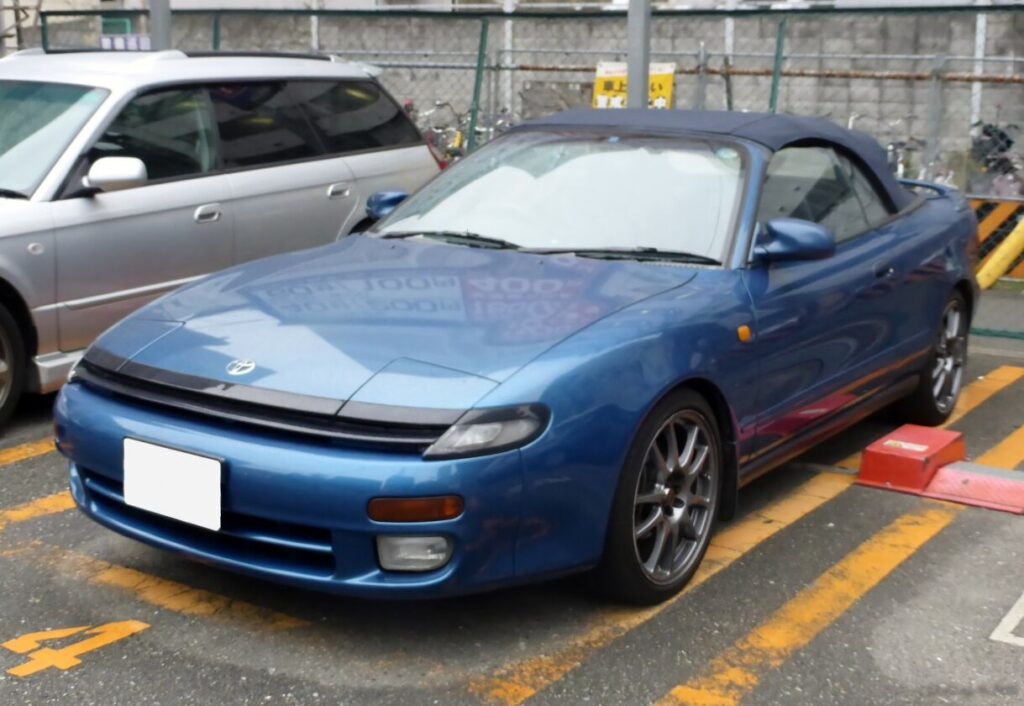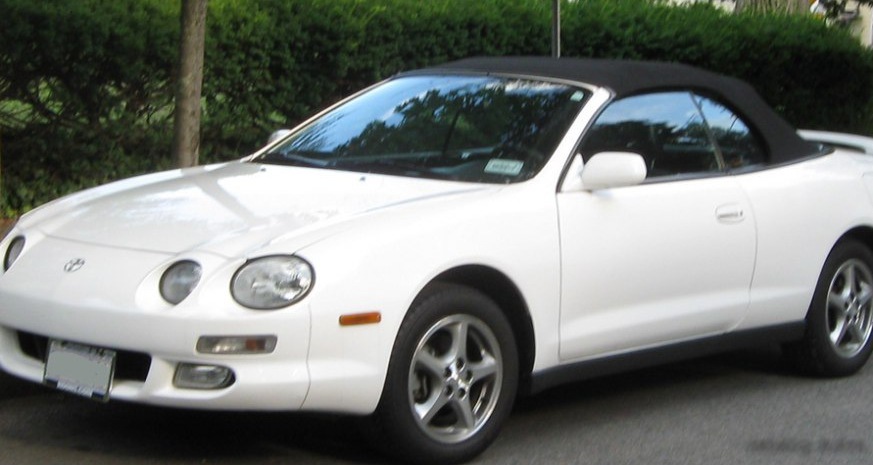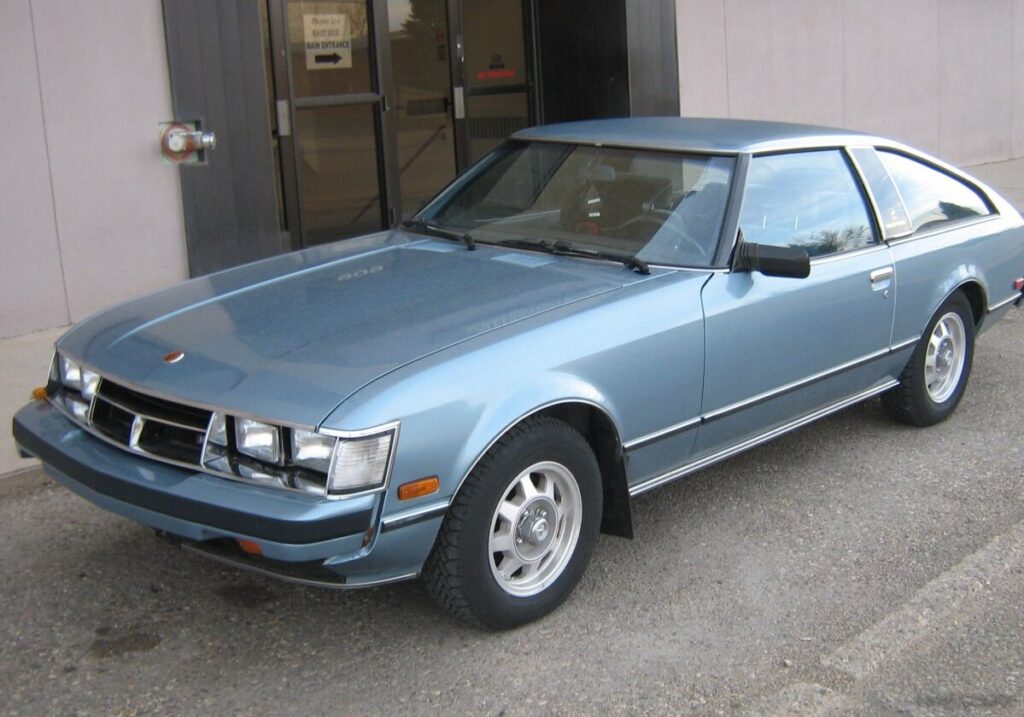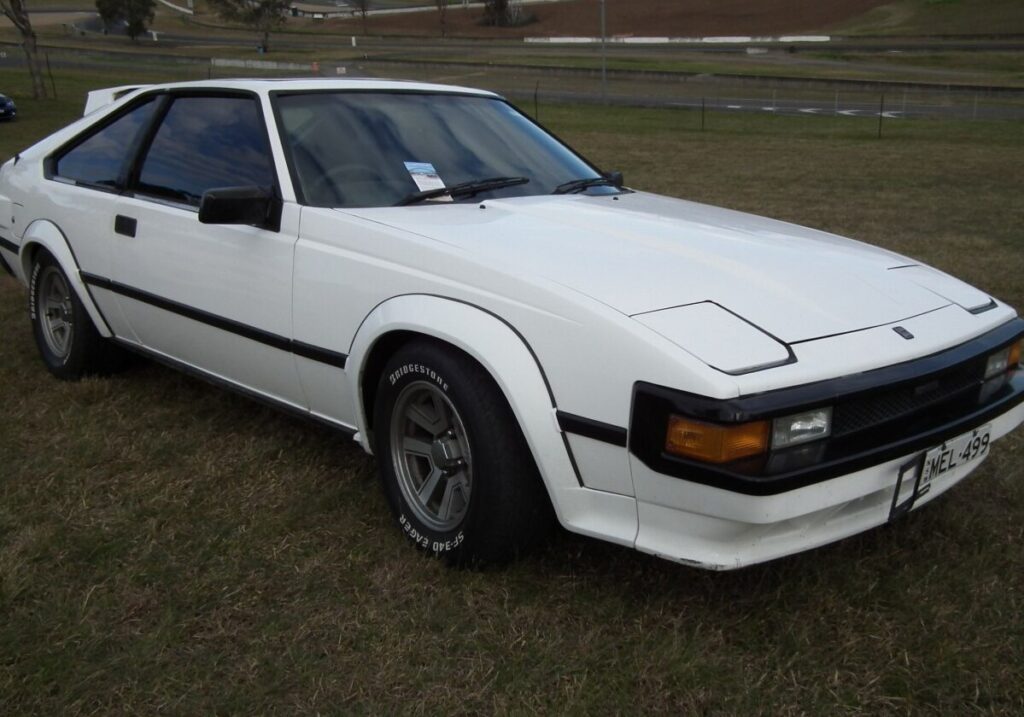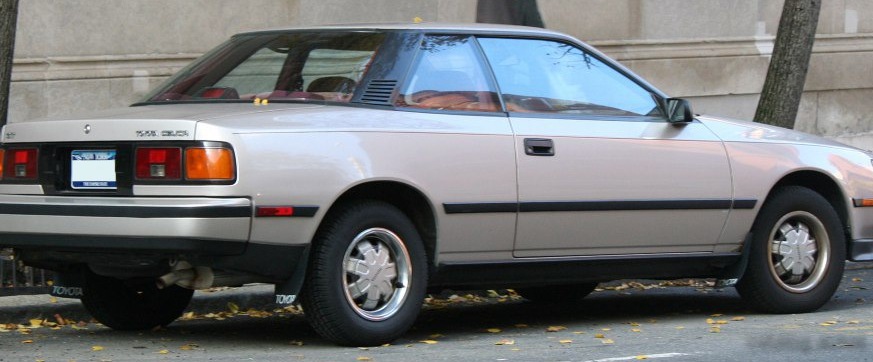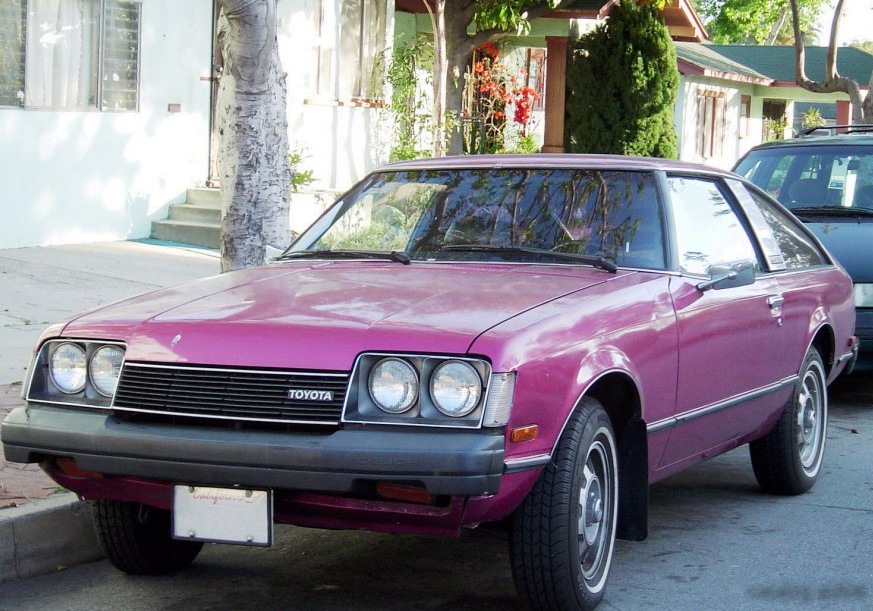
The Toyota Celica 2.0 XT (RA40) represents a significant iteration within the second generation (TA60, RA40, RA6) of Toyota’s iconic Celica coupe. Produced between 1980 and 1982, this variant occupied a middle ground in the Celica lineup, offering a balance between performance and affordability. The RA40 chassis code specifically denotes the 2.0-liter engine paired with a five-speed manual transmission, a configuration aimed at drivers seeking a more engaging driving experience than the base models. This generation Celica marked a shift towards a more sophisticated and sporty design, moving away from the earlier, more utilitarian models.
Technical Specifications
| Brand | Toyota |
| Model | Celica |
| Generation | Celica (TA60,RA40,RA6) |
| Type | 2.0 XT (RA40) (89 Hp) |
| Start of production | 1980 |
| End of production | 1982 |
| Powertrain Architecture | Internal Combustion engine |
| Body type | Coupe |
| Seats | 5 |
| Doors | 3 |
| Fuel Type | Petrol (Gasoline) |
| Maximum speed | 175 km/h (108.74 mph) |
| Weight-to-power ratio | 11.7 kg/Hp, 85.4 Hp/tonne |
| Weight-to-torque ratio | 7.2 kg/Nm, 139.2 Nm/tonne |
| Power | 89 Hp @ 5000 rpm |
| Power per litre | 45.2 Hp/l |
| Torque | 145 Nm @ 3600 rpm (106.95 lb.-ft. @ 3600 rpm) |
| Engine layout | Front, Longitudinal |
| Engine Model/Code | 18R |
| Engine displacement | 1968 cm3 (120.09 cu. in.) |
| Number of cylinders | 4 |
| Engine configuration | Inline |
| Cylinder Bore | 88.5 mm (3.48 in.) |
| Piston Stroke | 80 mm (3.15 in.) |
| Compression ratio | 8.5:1 |
| Number of valves per cylinder | 2 |
| Fuel injection system | Carburettor |
| Engine aspiration | Naturally aspirated engine |
| Valvetrain | OHV |
| Engine oil capacity | 4.8 l (5.07 US qt | 4.22 UK qt) |
| Coolant | 8.2 l (8.66 US qt | 7.21 UK qt) |
| Kerb Weight | 1042 kg (2297.22 lbs.) |
| Max. weight | 1530 kg (3373.07 lbs.) |
| Max load | 488 kg (1075.86 lbs.) |
| Fuel tank capacity | 61 l (16.11 US gal | 13.42 UK gal) |
| Length | 4330 mm (170.47 in.) |
| Width | 1640 mm (64.57 in.) |
| Height | 1320 mm (51.97 in.) |
| Wheelbase | 2500 mm (98.43 in.) |
| Front track | 1350 mm (53.15 in.) |
| Rear track | 1365 mm (53.74 in.) |
| Minimum turning circle | 10 m (32.81 ft.) |
| Drivetrain Architecture | Rear wheel drive |
| Drive wheel | Rear wheel drive |
| Number of gears | 5 gears, manual transmission |
| Front suspension | Independent coil spring |
| Rear suspension | Rigid axle suspension |
| Front brakes | Disc |
| Rear brakes | Drum |
| Steering type | Worm-reduction unit |
| Power steering | Hydraulic Steering |
| Tires size | 185/70 R14 |
Powertrain & Engine Architecture
The heart of the Celica 2.0 XT (RA40) is the 18R inline-four cylinder engine. This 1.968-liter engine, a staple of Toyota’s offerings during the late 1970s and early 1980s, utilized a single overhead valve (OHV) valvetrain and a two-barrel carburetor for fuel delivery. While not a particularly advanced design by modern standards, the 18R was known for its durability and relative simplicity. The engine’s longitudinal front-engine layout, coupled with rear-wheel drive, provided a traditional sports car feel. The five-speed manual transmission offered precise control and allowed drivers to fully utilize the engine’s 89 horsepower and 145 Nm (107 lb-ft) of torque. The transmission’s gear ratios were tuned for a balance of acceleration and cruising efficiency.
Driving Characteristics
The 2.0 XT, with its manual transmission, offered a noticeably more spirited driving experience compared to the base Celica models. While not a high-performance machine by today’s standards, the RA40 provided responsive acceleration and engaging handling. The rear-wheel-drive configuration contributed to a balanced feel, although the relatively narrow tires (185/70 R14) limited grip. The five-speed gearbox allowed drivers to keep the engine in its optimal power band, making overtaking maneuvers relatively easy. Compared to the automatic transmission equipped Celicas, the manual version felt significantly more connected and involved.
Equipment & Trim Levels
The Celica 2.0 XT (RA40) typically came equipped with a reasonable level of standard features for its time. These included cloth upholstery, a basic AM/FM radio, and a steering wheel. Optional extras included upgraded sound systems, air conditioning, and power windows. The interior design was functional and straightforward, prioritizing practicality over luxury. The dashboard layout was clean and easy to read, with clearly marked gauges for speed, fuel level, and engine temperature. The trim level sat in the middle of the Celica range, offering more features than the base models but falling short of the more luxurious or performance-oriented trims.
Chassis & Braking
The Celica 2.0 XT (RA40) utilized a relatively simple chassis design. The front suspension featured independent coil springs, providing a comfortable ride and decent handling. The rear suspension employed a rigid axle setup with leaf springs, which was a cost-effective solution but less sophisticated than independent rear suspension. The braking system consisted of disc brakes at the front and drum brakes at the rear. While adequate for everyday driving, the braking performance was not particularly strong by modern standards. Power-assisted steering was standard, making the car easier to maneuver at low speeds.
Market Reception & Comparison
The Celica 2.0 XT (RA40) was generally well-received by automotive critics and consumers alike. It was praised for its sporty styling, engaging driving experience, and reasonable price. Compared to other coupes in its class, such as the Ford Mustang and Chevrolet Camaro, the Celica offered a more refined and fuel-efficient alternative. However, it lacked the raw power and muscle-car appeal of its American counterparts. Within the Celica lineup, the 2.0 XT offered a compelling alternative to the base models, providing a noticeable performance upgrade without the higher cost of the more powerful or luxurious trims.
Legacy
The Toyota Celica 2.0 XT (RA40) has become a popular choice among classic car enthusiasts. The 18R engine is known for its reliability and relatively easy maintenance. Parts availability is generally good, although some components may be becoming increasingly difficult to find. The rear-wheel-drive configuration and manual transmission make it a fun and engaging car to drive. Today, well-maintained examples of the RA40 command a respectable price in the used car market, reflecting their growing popularity and historical significance. The Celica 2.0 XT represents a pivotal moment in Toyota’s history, showcasing the company’s commitment to building sporty and reliable automobiles.