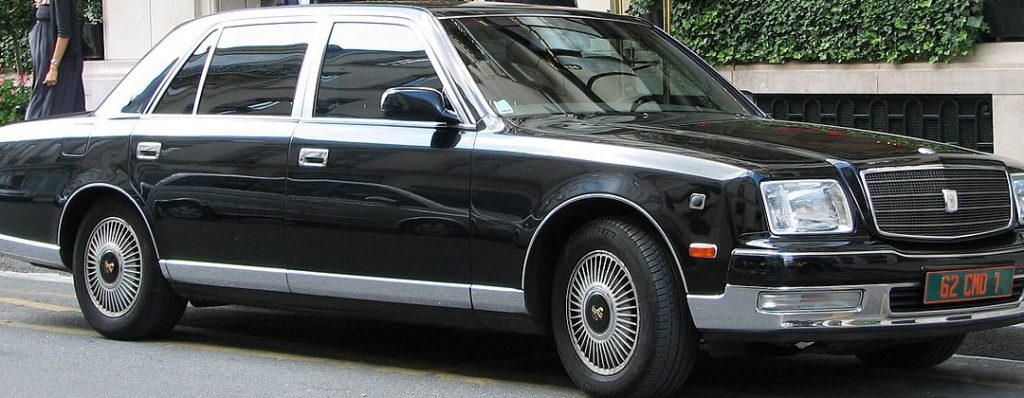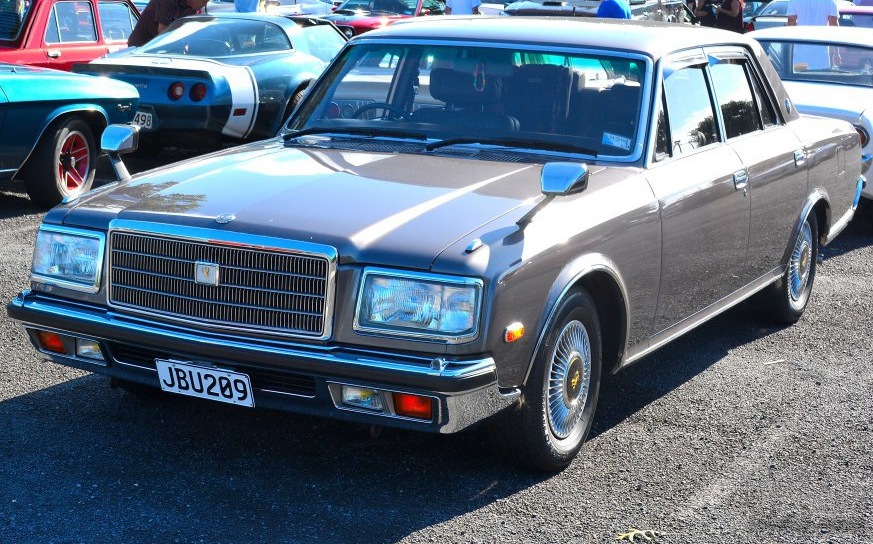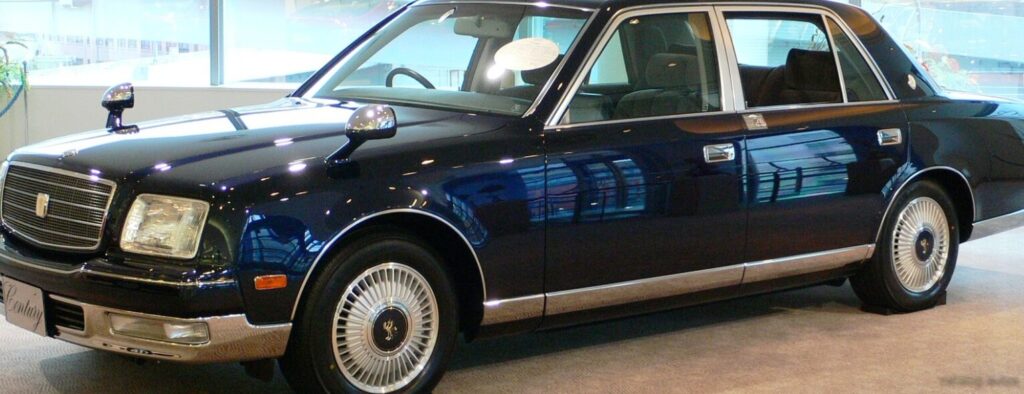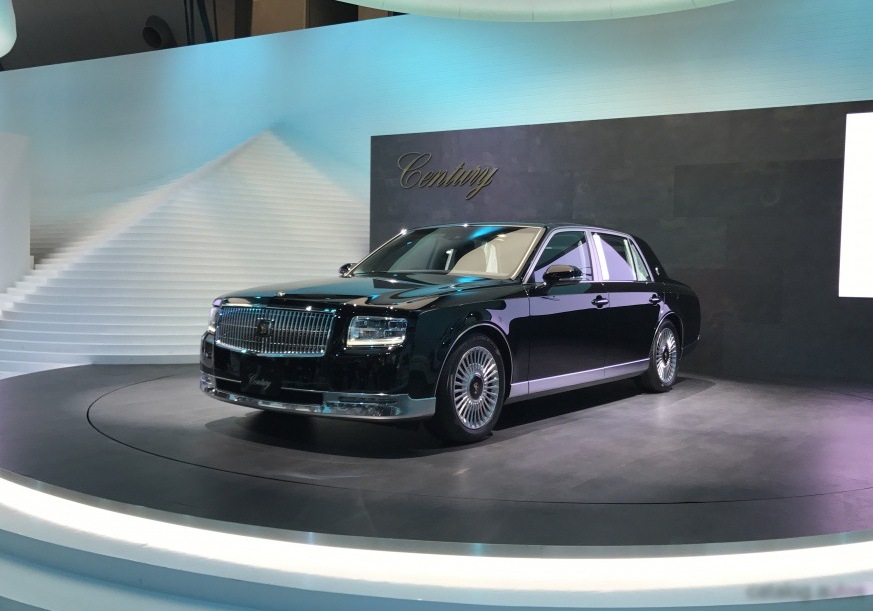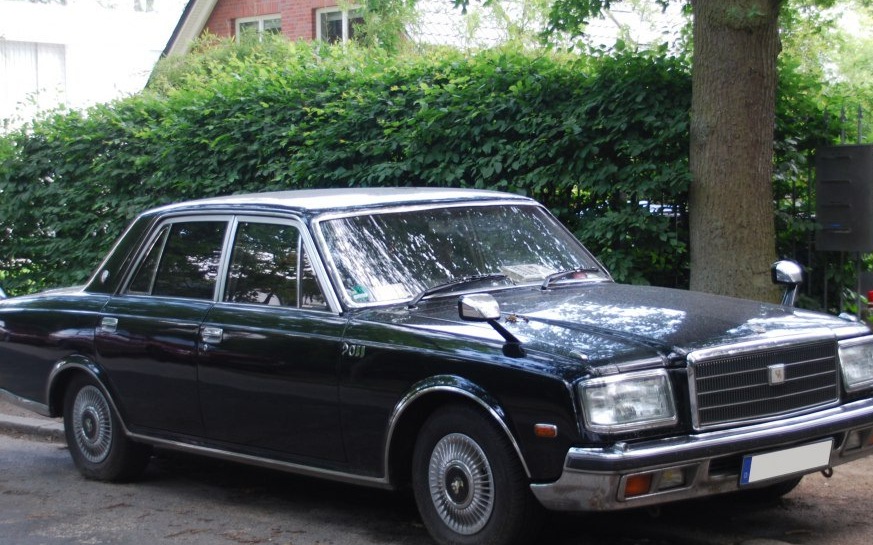
The Toyota Century (G40) 3.4, produced from 1978 to 1982, represents the first generation of Toyota’s flagship luxury sedan. Intended as direct competition to the Nissan President and aimed at the Japanese corporate executive market, the Century was a statement of success and prestige. The 3.4 variant, denoting its 3.4-liter engine, was the sole engine option available throughout the G40’s production run, delivering 170 horsepower. The Century G40 was built on a dedicated platform, eschewing shared components with other Toyota models to emphasize its unique status. It was a vehicle designed for chauffeur-driven executives and high-ranking corporate officials, prioritizing ride comfort and quietness over sporty handling.
Technical Specifications
| Brand | Toyota |
| Model | Century |
| Generation | Century I (G40) |
| Type (Engine) | 3.4 (170 Hp) |
| Start of production | 1978 |
| End of production | 1982 |
| Powertrain Architecture | Internal Combustion Engine |
| Body type | Sedan |
| Doors | 4 |
| Fuel Type | Petrol (Gasoline) |
| Engine Model/Code | 4V-EU |
Powertrain & Engine Architecture
The heart of the Century G40 is the 4V-EU engine, a 3.4-liter (3,430 cc) naturally aspirated V8. This engine is notable for its oversquare configuration (85 mm bore x 78 mm stroke), contributing to its smooth operation and relatively high-revving nature for a luxury car of the era. The 4V-EU utilizes a cast iron block and aluminum cylinder heads, a common construction for durability and weight reduction. Fuel delivery is managed by a Bosch Jetronic electronic fuel injection system, a relatively advanced feature for a Japanese car of the late 1970s. The engine produces 170 horsepower at 5,600 rpm and 235 lb-ft of torque at 3,800 rpm. The Century exclusively used a three-speed automatic transmission, designed for smooth, seamless shifts rather than outright performance. This transmission was specifically tuned to provide a comfortable driving experience, prioritizing quietness and refinement. The engine’s design emphasized low-end torque and a broad powerband, making it well-suited for relaxed cruising and effortless acceleration.
Driving Characteristics
The Century G40 3.4’s driving experience is defined by its emphasis on comfort and isolation. The three-speed automatic transmission, while not offering the responsiveness of a modern gearbox, provides smooth and predictable shifts. Acceleration is adequate for its intended purpose, with the 170 hp engine providing sufficient power for highway cruising and city driving. However, it’s not a particularly sporty vehicle; the focus is on a relaxed and refined driving experience. The steering is light and precise, but lacks the feedback found in more driver-focused sedans. The suspension, tuned for ride comfort, effectively absorbs bumps and imperfections in the road, providing a smooth and quiet ride. Compared to a hypothetical manual transmission version (which never existed), the automatic would have significantly reduced performance, but it was considered essential for the target demographic who preferred a chauffeur-driven experience. The gear ratios were optimized for low-speed torque and comfortable cruising, rather than maximizing acceleration.
Equipment & Trim Levels
The Century G40 was exceptionally well-equipped for its time, reflecting its status as Toyota’s flagship model. Standard features included power windows, power steering, power locks, air conditioning, and a high-quality audio system. The interior was lavishly appointed with plush upholstery, typically in shades of gray or beige, and extensive wood trim. The seats were wide and comfortable, designed for long journeys. Optional extras included a telephone, a television, and a more advanced audio system. The dashboard layout was conservative and functional, prioritizing ease of use and a sense of understated elegance. The Century G40 didn’t offer multiple trim levels in the traditional sense; it was largely standardized, with options being added individually. The emphasis was on providing a consistently high level of luxury and refinement.
Chassis & Braking
The Century G40 rides on a robust body-on-frame chassis, providing a solid and stable platform. The suspension utilizes independent front suspension with double wishbones and a live axle with leaf springs in the rear. This configuration prioritized ride comfort and durability over handling precision. Braking duties are handled by power-assisted disc brakes in the front and drum brakes in the rear. While the front discs provide adequate stopping power, the rear drums are a notable compromise, reflecting the era’s cost-cutting measures and the vehicle’s focus on comfort rather than performance. Stabilizer bars were fitted to both the front and rear axles to reduce body roll during cornering, but the Century was not designed for aggressive driving. The chassis was designed to be exceptionally quiet, with extensive sound insulation and vibration damping materials used throughout the vehicle.
Market Reception & Comparison
The Toyota Century G40 was well-received in Japan, particularly among corporate executives and government officials. It quickly established itself as a symbol of success and prestige. Critics praised its luxurious interior, smooth ride, and quietness. However, some noted its lack of sporty handling and its relatively high price. Compared to the Nissan President, its primary competitor, the Century offered a slightly more modern design and a more refined driving experience. The President, while equally luxurious, was often perceived as being more conservative and traditional. Fuel economy was not a primary concern for the Century’s target audience, but it averaged around 14-16 mpg in real-world driving. Reliability was generally excellent, as expected from a Toyota product, although maintenance costs could be high due to the complexity of the engine and the availability of parts.
Legacy
The Toyota Century G40 laid the foundation for subsequent generations of the Century, establishing it as Toyota’s enduring flagship luxury sedan. The 4V-EU engine, while eventually superseded by more modern designs, proved to be a durable and reliable powerplant. Today, the G40 is a sought-after classic car in Japan, prized for its historical significance and its representation of a bygone era of Japanese corporate culture. Finding well-maintained examples outside of Japan can be challenging. The 4V-EU engine, while relatively simple by modern standards, requires regular maintenance to ensure its longevity. Parts availability can be an issue, but a dedicated community of enthusiasts exists to support the preservation of these vehicles. The Century G40 remains a testament to Toyota’s commitment to quality, luxury, and refinement.