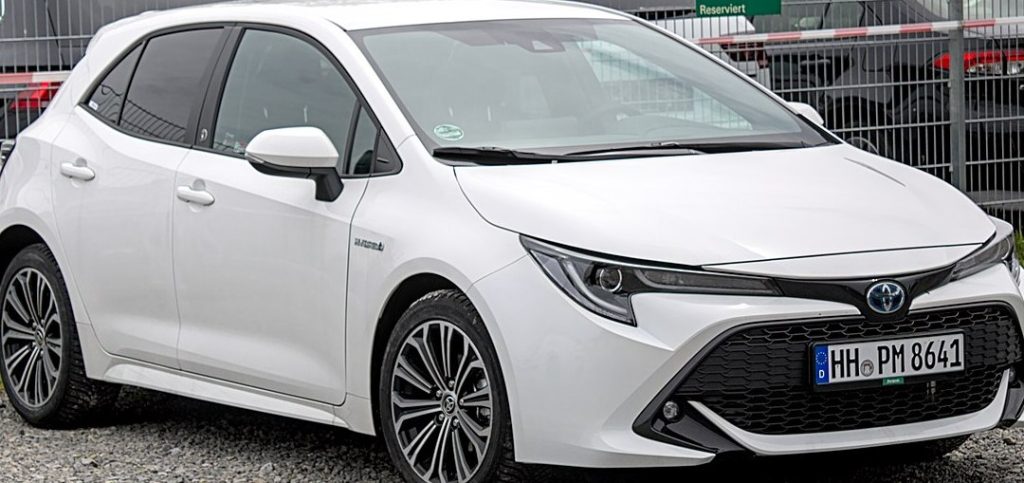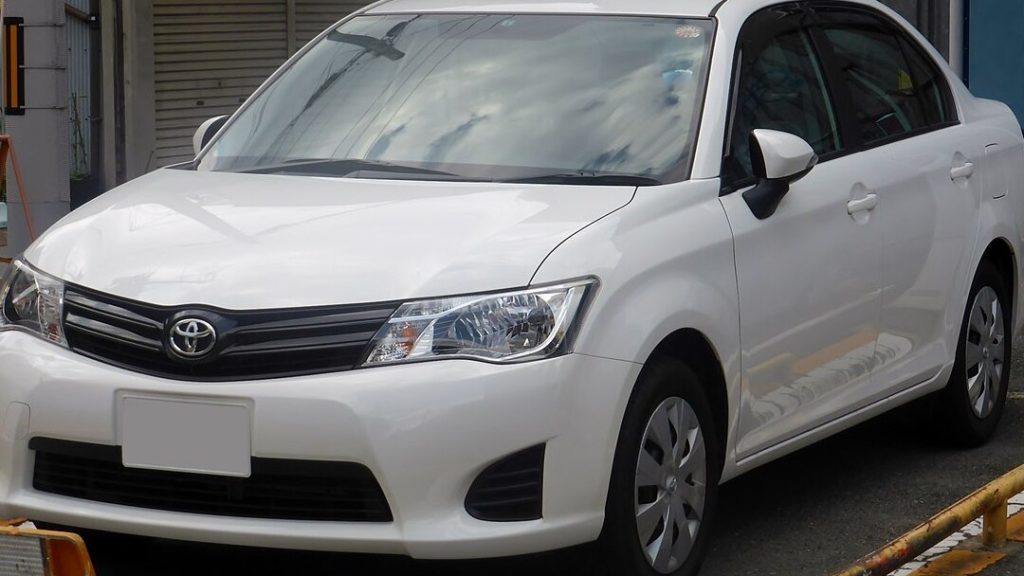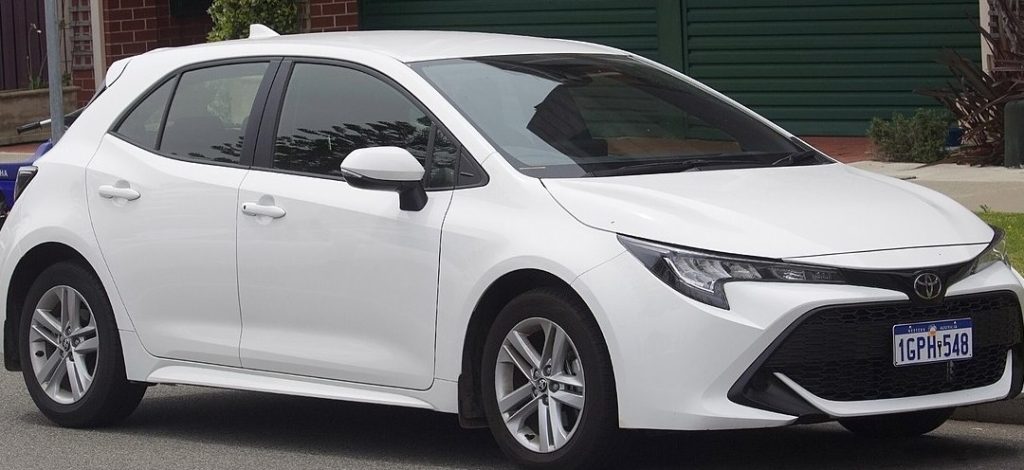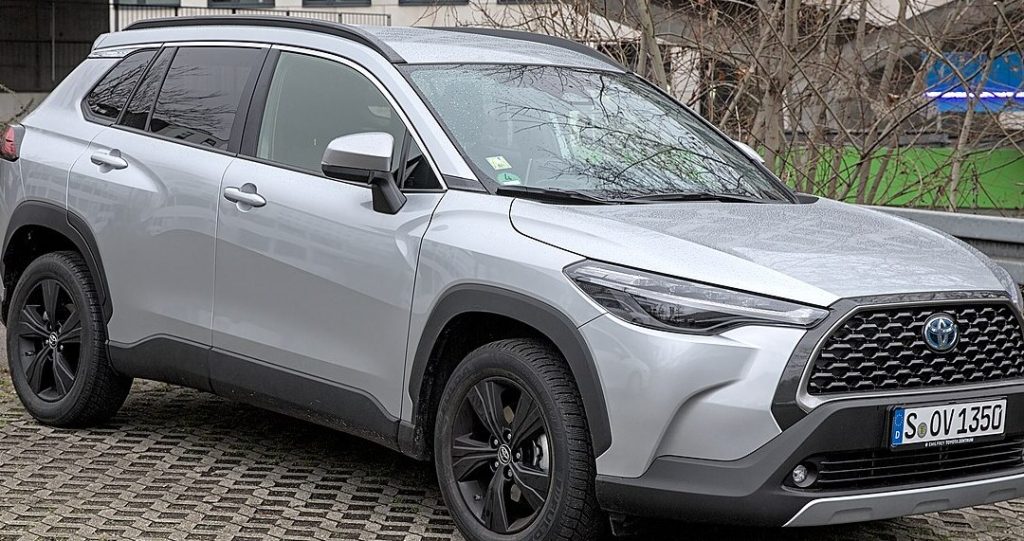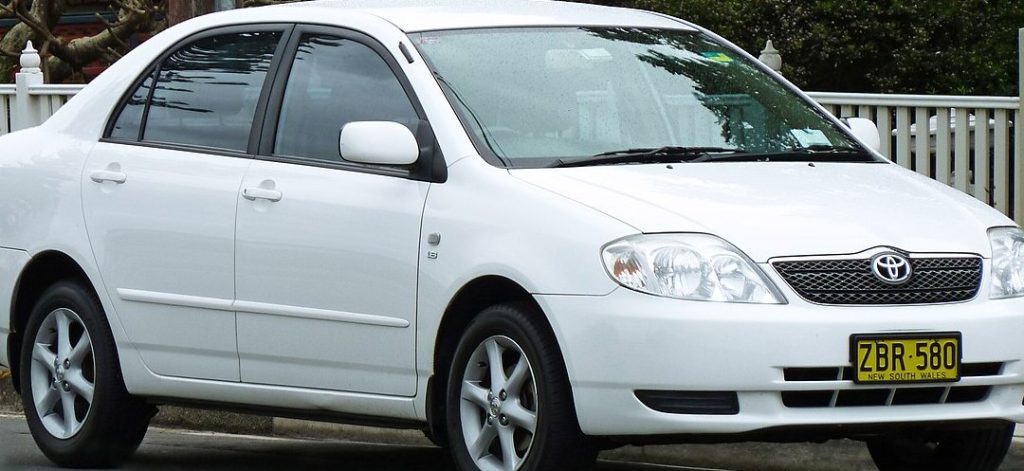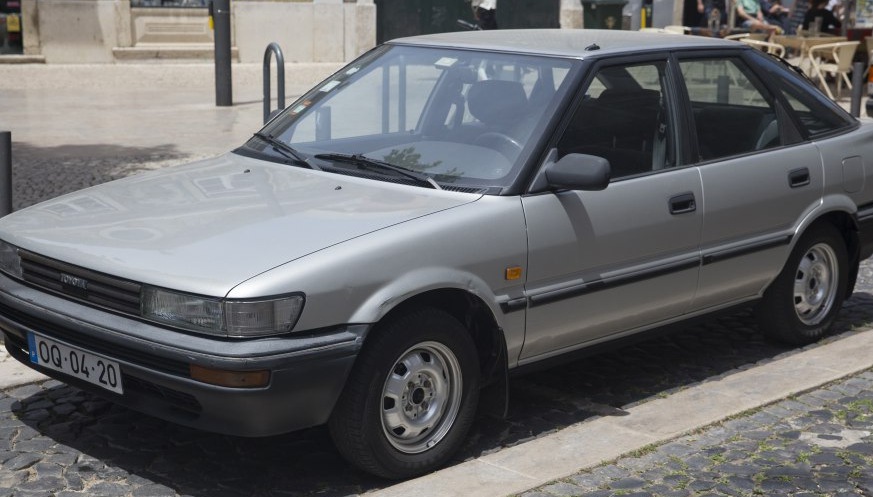
The Toyota Corolla Compact VI (E90) 1.3, designated as the EE90, represents an entry-level variant within the sixth generation of the Corolla, produced between 1987 and 1989. This model was primarily aimed at the European and Asian markets, offering affordable and reliable transportation in a compact hatchback package. The EE90 distinguished itself with its smaller displacement engine and focus on fuel efficiency, positioning it as a practical choice for urban commuters and first-time car buyers. It played a significant role in solidifying the Corolla’s reputation for dependability and value.
Technical Specifications
| Brand | Toyota |
| Model | Corolla |
| Generation | Corolla Compact VI (E90) |
| Type (Engine) | 1.3 (EE90) (75 Hp) |
| Start of production | 1987 |
| End of production | 1989 |
| Powertrain Architecture | Internal Combustion engine |
| Body type | Hatchback |
| Seats | 5 |
| Doors | 3-5 |
| Fuel Type | Petrol (Gasoline) |
| Power | 75 Hp |
| Engine Model/Code | 2E-E |
| Engine aspiration | Naturally aspirated engine |
| Engine oil capacity | 3.2 l (3.38 US qt | 2.82 UK qt) |
| Coolant capacity | 4.9 l (5.18 US qt | 4.31 UK qt) |
Powertrain & Engine Architecture
The EE90 Corolla 1.3 was powered by the 2E-E engine, a 1.3-liter (1298 cc) inline-four cylinder gasoline engine. This engine was a naturally aspirated unit, meaning it did not employ a turbocharger or supercharger. It featured a single overhead camshaft (SOHC) valvetrain, operating with two valves per cylinder. Fuel delivery was managed by a carburetor system, a common feature for vehicles of this era, prioritizing simplicity and cost-effectiveness over the more advanced fuel injection systems. The 2E-E engine produced 75 horsepower at approximately 6,000 rpm and 88 lb-ft of torque at 3,600 rpm. The engine was known for its robustness and relatively simple maintenance requirements. The transmission paired with the 2E-E was typically a four-speed automatic, designed to provide smooth and convenient operation, particularly in urban driving conditions. This automatic transmission, while offering ease of use, did contribute to slightly slower acceleration times compared to the available five-speed manual transmission.
Driving Characteristics
The driving experience in the EE90 1.3 Automatic was characterized by its focus on practicality and ease of use. Acceleration was modest, with the 75 horsepower engine providing adequate power for everyday driving but lacking the punch for quick overtaking maneuvers. The four-speed automatic transmission featured relatively tall gear ratios, prioritizing fuel economy over performance. This resulted in a comfortable cruising experience at highway speeds, but also meant the engine needed to work harder when climbing hills or accelerating quickly. Compared to the manual transmission version, the automatic offered a smoother, less engaging driving experience. The manual transmission allowed for better control and slightly improved acceleration, appealing to drivers who prioritized performance. The EE90’s suspension was tuned for comfort, providing a reasonably smooth ride over uneven road surfaces. However, this comfort came at the expense of handling precision, with noticeable body roll during cornering.
Equipment & Trim Levels
The EE90 1.3 Automatic typically represented the base trim level within the Corolla Compact VI range. Standard equipment generally included cloth upholstery, a basic instrument cluster, and manual windows and door locks. Air conditioning was often an optional extra, as were features like a radio/cassette player. Interior plastics were durable but utilitarian, reflecting the car’s focus on affordability. The dashboard layout was simple and functional, with easy-to-read gauges. Depending on the market, some EE90 models might have included features like a rear window wiper, a basic trip odometer, and a cigarette lighter. The overall interior ambiance was practical and functional, prioritizing durability and ease of use over luxury or sophistication.
Chassis & Braking
The EE90 Corolla 1.3 utilized a front-engine, front-wheel-drive layout. The suspension consisted of MacPherson struts at the front and a torsion beam axle at the rear. This suspension setup provided a reasonable balance between ride comfort and handling. Braking duties were handled by disc brakes at the front and drum brakes at the rear. The braking system was adequate for the car’s weight and performance, but lacked the stopping power of more modern braking systems. Steering was typically unassisted, providing a direct feel but requiring more effort at low speeds. The chassis was relatively lightweight, contributing to the car’s fuel efficiency and maneuverability. Stabilizer bars were often omitted on the base trim level, further emphasizing the focus on comfort over handling.
Market Reception & Comparison
The EE90 1.3 Automatic was generally well-received as an affordable and reliable city car. Critics praised its fuel efficiency and ease of use, but noted its lack of performance. Compared to other trims in the Corolla lineup, such as the 1.6-liter models, the 1.3 offered significantly less power and acceleration. However, it also came with a lower price tag and better fuel economy. In terms of reliability, the EE90 1.3 proved to be exceptionally dependable, with few major mechanical issues reported. This contributed to its strong reputation and enduring popularity in the used car market. Competitors at the time included the Volkswagen Golf, Ford Escort, and Nissan Sentra, all of which offered similar levels of practicality and affordability.
Legacy
The EE90 1.3 Automatic has become a popular choice among classic car enthusiasts and those seeking a reliable and affordable vintage vehicle. The 2E-E engine is known for its longevity and relatively simple maintenance requirements, making it a relatively easy engine to keep running. Parts availability remains reasonably good, although some components may be becoming increasingly difficult to find. Today, the EE90 1.3 Automatic is often seen as a testament to Toyota’s commitment to building durable and dependable vehicles. Its simple design, robust engine, and affordable price have ensured its continued presence on roads around the world, solidifying its place as a beloved classic in the automotive landscape. The car represents a simpler era of automotive engineering, prioritizing practicality and reliability over technological complexity.