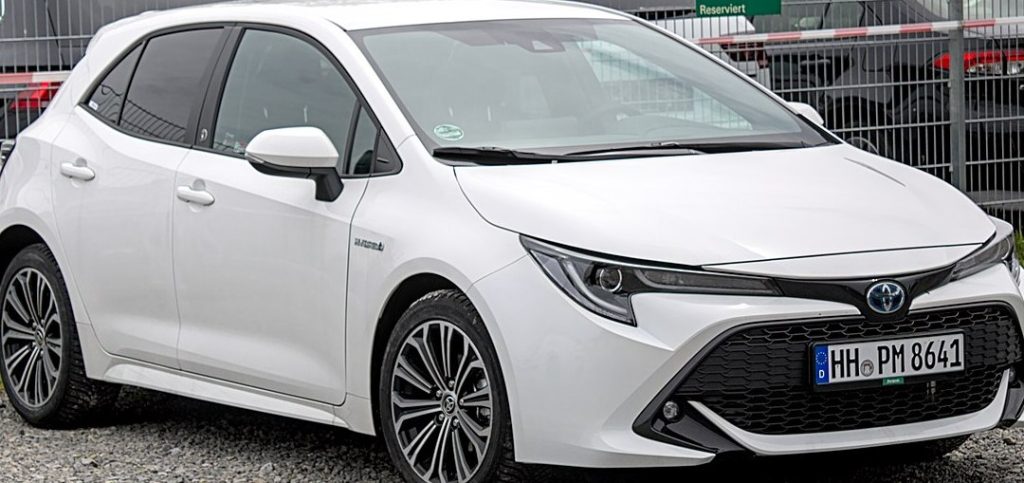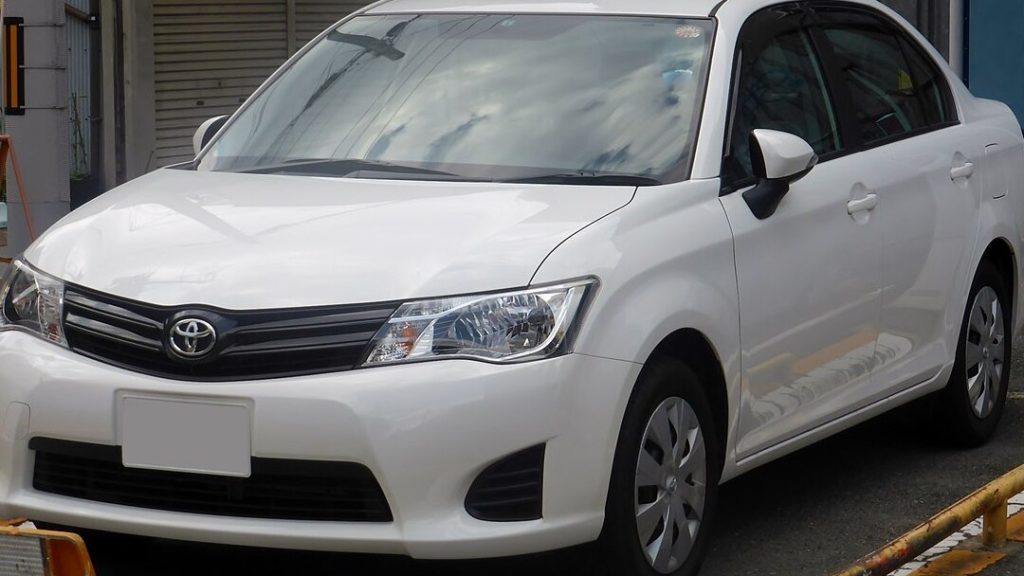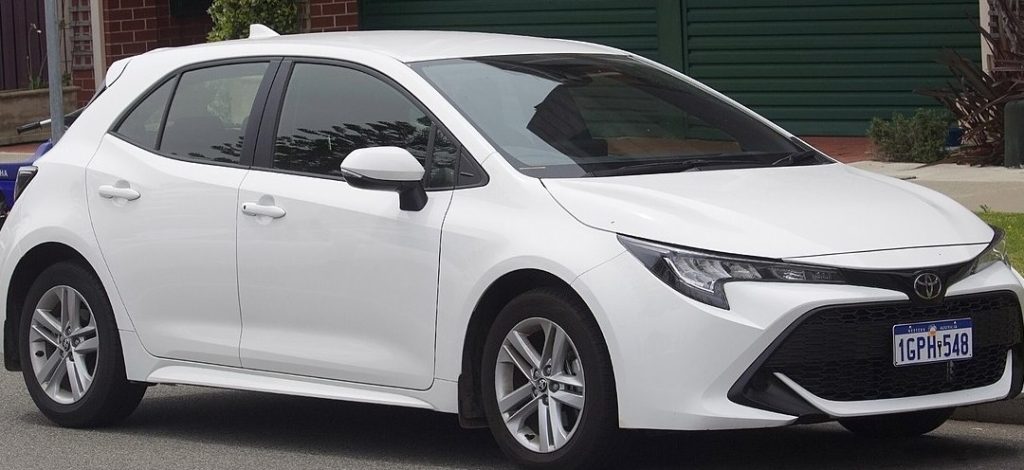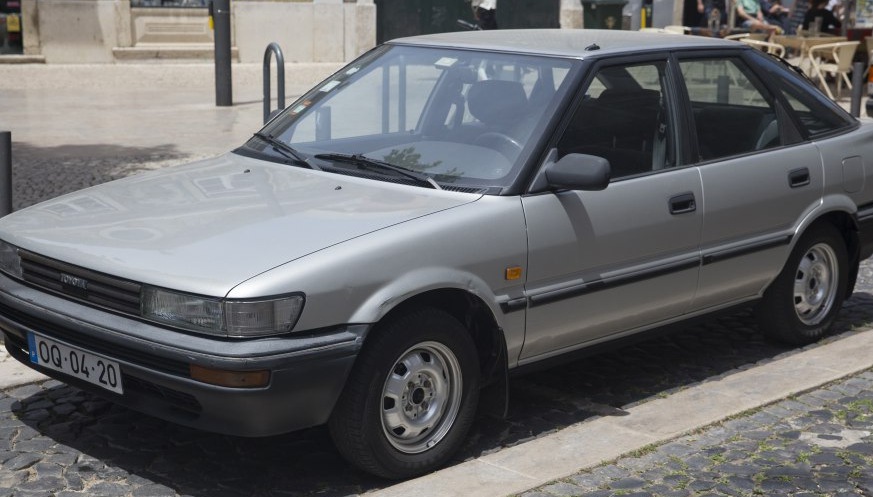
The Toyota Corolla Compact VI (E90) 1.8 D (CE90), produced between 1989 and 1992, represented a significant offering in the European small family car market. Falling within the sixth generation of the Corolla – designated E90 – this diesel-powered hatchback aimed to provide economical transportation for buyers prioritizing fuel efficiency over outright performance. The CE90 chassis code specifically identifies this variant, which was available with both 3 and 5 door body styles. It occupied the lower end of the E90 Corolla lineup, serving as an entry point for customers seeking a practical and reliable vehicle.
Technical Specifications
| Brand | Toyota |
| Model | Corolla |
| Generation | Corolla Compact VI (E90) |
| Type (Engine) | 1.8 D (CE90) (67 Hp) |
| Start of production | 1989 |
| End of production | 1992 |
| Powertrain Architecture | Internal Combustion engine |
| Body type | Hatchback |
| Seats | 5 |
| Doors | 3-5 |
| Fuel Type | Diesel |
| Power | 67 Hp |
| Engine Model/Code | 1C-L |
| Engine aspiration | Naturally aspirated engine |
| Engine oil capacity | 4.3 l (4.54 US qt | 3.78 UK qt) |
| Coolant capacity | 7.3 l (7.71 US qt | 6.42 UK qt) |
Powertrain & Engine Architecture
The heart of the CE90 was the 1C-L diesel engine, a 1.8-liter (1779cc) inline-four cylinder unit. This engine was a relatively simple design, prioritizing durability and fuel economy over high output. It featured indirect injection, utilizing a pre-combustion chamber system to improve combustion efficiency. The 1C-L engine produced 67 horsepower (49.2 kW) and approximately 128 Nm (94 lb-ft) of torque. Unlike many contemporary diesel engines, the 1C-L did not employ turbocharging or intercooling. The engine’s robust construction and low compression ratio contributed to its longevity. The transmission paired with the 1.8 D was typically a four-speed automatic, although a five-speed manual was also available. The automatic transmission was chosen to enhance ease of driving, particularly in urban environments, but at the expense of some performance and fuel economy compared to the manual.
Driving Characteristics
The Corolla 1.8 D Automatic was not designed for spirited driving. Acceleration was modest, with a 0-60 mph time estimated to be around 15-17 seconds. The four-speed automatic transmission, while providing smooth shifts, had relatively widely spaced gear ratios, which meant the engine often operated at higher RPMs during highway cruising. This contributed to a noticeable engine drone at higher speeds. The torque characteristics of the 1C-L engine meant that usable power was available from relatively low RPMs, making it suitable for everyday driving and hauling moderate loads. Compared to the gasoline-powered Corolla variants, the 1.8 D offered significantly better fuel economy, but at the cost of substantially reduced performance. The manual transmission version offered a more engaging driving experience and slightly improved fuel efficiency.
Equipment & Trim Levels
The 1.8 D CE90 Corolla typically represented the base trim level within the E90 range. Standard equipment generally included cloth upholstery, a basic stereo system, and manual windows and door locks. Power steering was often an optional extra, as was air conditioning. Interior appointments were functional and durable, rather than luxurious. The dashboard layout was straightforward and easy to use. Higher trim levels of the E90 Corolla, such as those equipped with larger gasoline engines, offered features like electric windows, central locking, and upgraded interior trim. The 1.8 D was often seen as a practical choice for fleet buyers and individuals prioritizing affordability and reliability.
Chassis & Braking
The E90 Corolla utilized a MacPherson strut front suspension and a torsion beam rear suspension. This setup provided a comfortable ride, although handling was not particularly sporty. The front brakes were typically disc brakes, while the rear brakes were drum brakes on most CE90 variants. Stabilizer bars were often omitted on the base 1.8 D models to reduce cost. The steering was generally light and easy to use, making it well-suited for urban driving. The chassis was designed to provide a balance between comfort, practicality, and affordability. The relatively lightweight nature of the Corolla helped to offset the modest power output of the 1.8 D engine.
Market Reception & Comparison
The Toyota Corolla 1.8 D (CE90) was generally well-received in European markets as a reliable and economical small family car. Critics praised its fuel efficiency and durability, but noted its lack of performance. Compared to other diesel-powered hatchbacks of the era, such as the Volkswagen Golf Diesel, the Corolla offered a competitive level of refinement and reliability. However, the Golf Diesel often provided slightly better performance and a more engaging driving experience. The Corolla’s strength lay in its reputation for trouble-free operation and low running costs. Fuel economy figures typically ranged from 45-55 mpg, making it an attractive option for drivers covering long distances.
Legacy
The 1C-L diesel engine, while not known for its power, proved to be exceptionally durable. Many examples of the Corolla 1.8 D (CE90) continue to operate today, often with high mileage. The powertrain is generally considered to be reliable, although regular maintenance is essential to prevent issues such as injector clogging and wear on the timing belt. In the used car market, these Corollas are valued for their simplicity, affordability, and reputation for dependability. They represent a practical and economical choice for those seeking a classic, fuel-efficient hatchback. The E90 Corolla, and particularly the 1.8 D variant, cemented Toyota’s reputation for building reliable and long-lasting vehicles in the European market.