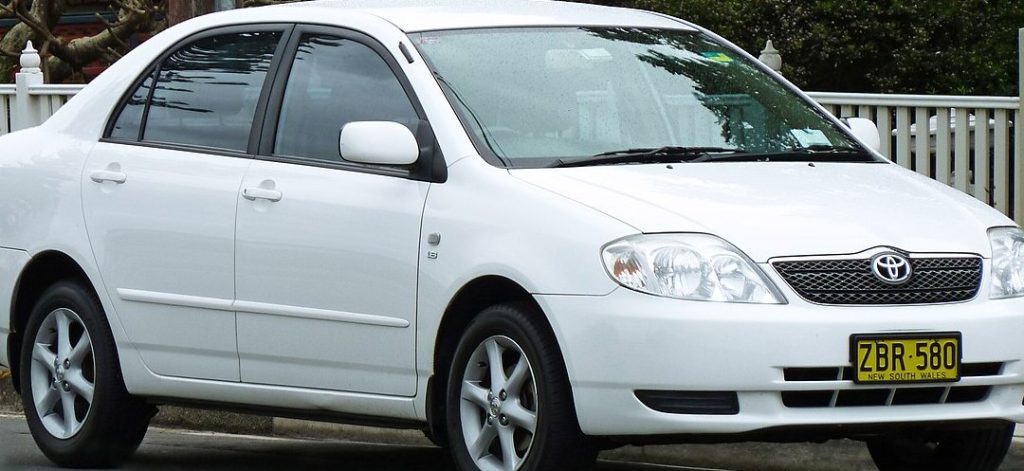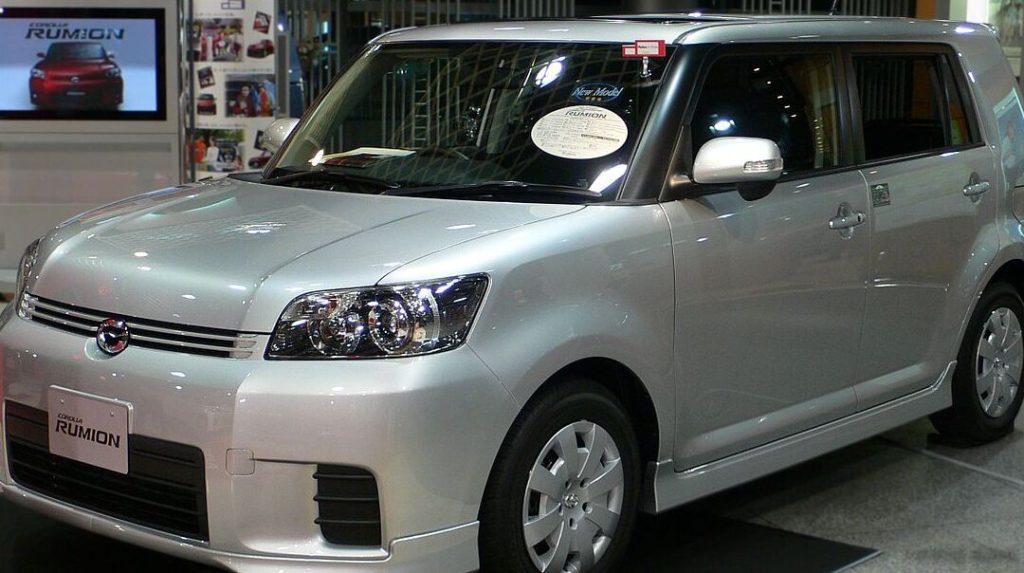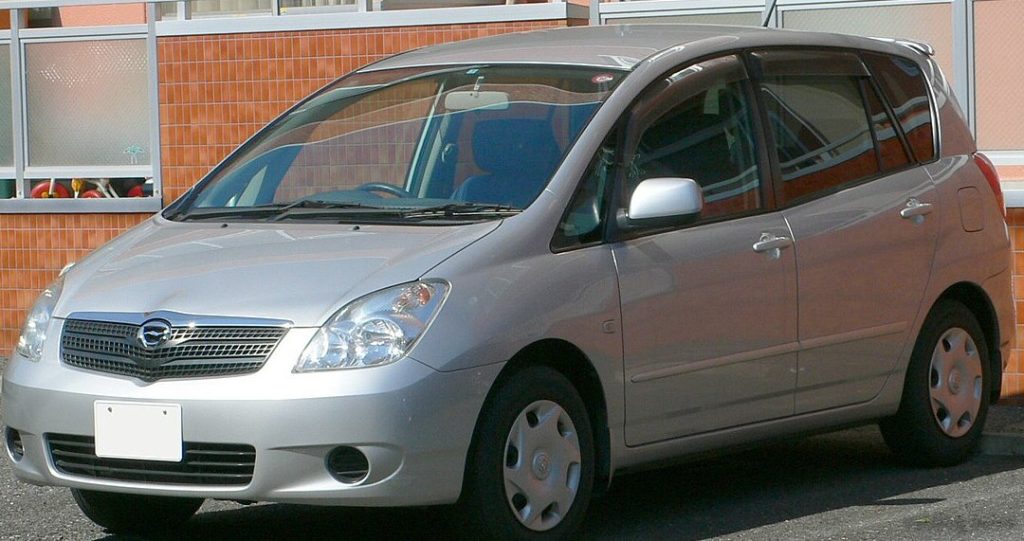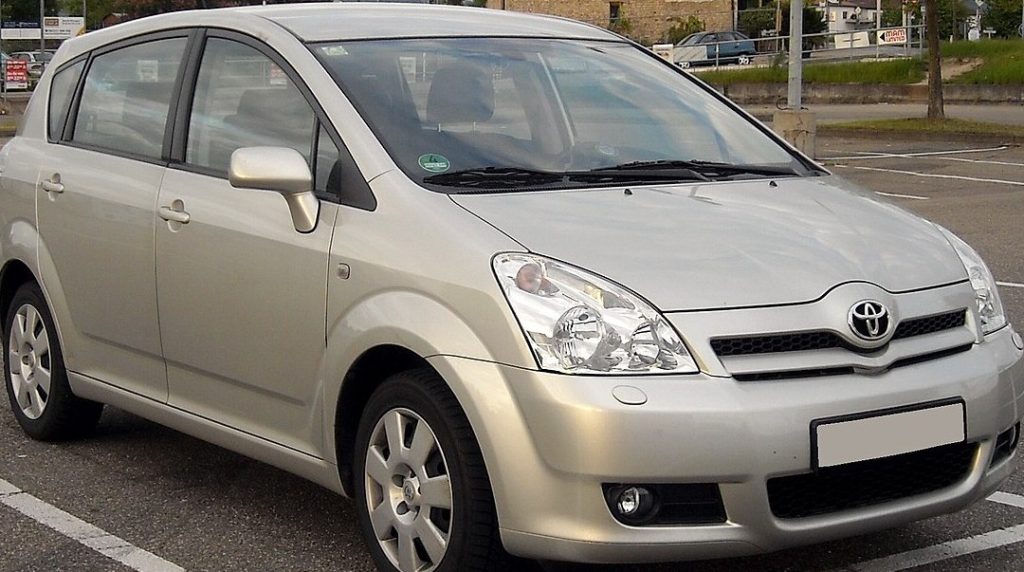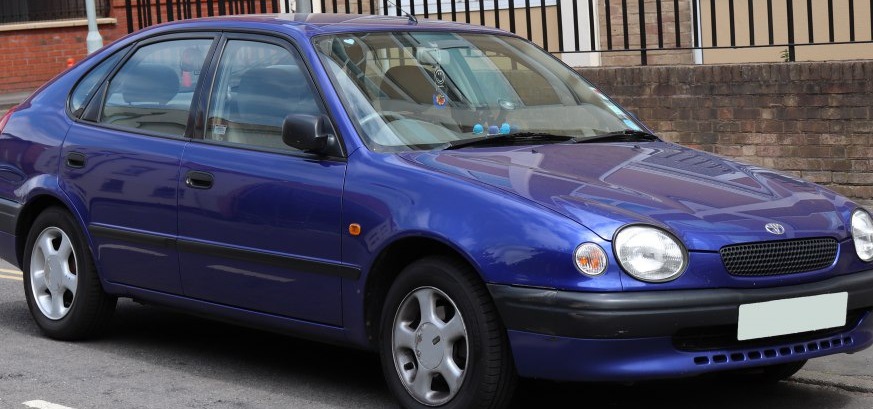
The Toyota Corolla Compact VIII (E110) 1.4, produced briefly in 2000, represents a specific iteration within the eighth generation of Toyota’s globally successful Corolla line. This variant, powered by the 4ZZ-FE engine and typically paired with an automatic transmission, was primarily aimed at the European market as an affordable and economical entry point into the compact hatchback segment. The E110 series, built from 1997 to 2002, marked a significant shift in Corolla design, moving towards a more rounded and contemporary aesthetic compared to its predecessor. This particular 1.4-liter model occupied the lower end of the E110 range, offering a balance between fuel efficiency and practicality for everyday commuting.
Technical Specifications
| Brand | Toyota |
| Model | Corolla |
| Generation | Corolla Compact VIII (E110) |
| Type (Engine) | 1.4 (97 Hp) |
| Start of production | 2000 |
| End of production | 2000 |
| Powertrain Architecture | Internal Combustion engine |
| Body type | Hatchback |
| Seats | 5 |
| Doors | 5 |
| Fuel Type | Petrol (Gasoline) |
| Power | 97 Hp |
| Engine Model/Code | 4ZZ-FE |
| Engine aspiration | Naturally aspirated engine |
| Engine oil capacity | 4.2 l (4.44 US qt | 3.7 UK qt) |
| Coolant capacity | 6 l (6.34 US qt | 5.28 UK qt) |
Powertrain & Engine Architecture
The heart of the Corolla E110 1.4 is the 4ZZ-FE engine, a 1.4-liter (1397 cc) inline-four cylinder gasoline engine. This engine belongs to Toyota’s ZZ engine family, known for its lightweight aluminum block and cylinder head, contributing to improved fuel efficiency. The 4ZZ-FE utilizes a single overhead camshaft (SOHC) valvetrain with two valves per cylinder. Fuel delivery is managed by a sequential multi-point fuel injection system, optimizing combustion for both power and economy. The engine produces 97 horsepower (72 kW) at 6000 rpm and 130 Nm (96 lb-ft) of torque at 4400 rpm. While a five-speed manual transmission was available on some E110 models, the 1.4-liter engine was frequently paired with a four-speed automatic transmission. This automatic transmission, while providing ease of use, was geared more towards fuel efficiency than spirited acceleration. The transmission’s shift points were programmed to keep the engine within its optimal torque band for everyday driving conditions.
Driving Characteristics
The driving experience in the Corolla E110 1.4 Automatic is characterized by its smoothness and ease of operation. Acceleration is modest, with a 0-60 mph time estimated around 12-13 seconds. This performance is noticeably slower than the higher-powered 1.6 or 1.8-liter variants within the E110 range. The automatic transmission contributes to a relaxed driving style, but can feel somewhat sluggish when attempting quicker overtaking maneuvers. The gear ratios are spaced to prioritize fuel economy, meaning the engine often operates at higher rpm during acceleration. Steering is light and precise, making it easy to maneuver in urban environments. The suspension, tuned for comfort, absorbs bumps and imperfections in the road reasonably well, although it doesn’t offer the same level of handling precision as sportier hatchbacks.
Equipment & Trim Levels
The Corolla E110 1.4 typically represented the entry-level trim in many European markets. Standard equipment generally included power steering, central locking, electric front windows, and an adjustable steering column. Air conditioning was often an optional extra, as were alloy wheels and a CD player. Interior upholstery was typically a basic cloth material, available in a range of neutral colors. The dashboard layout was functional and straightforward, with clearly labeled controls. Higher trim levels within the E110 range, such as the 1.6 or 1.8 models, offered additional features like rear electric windows, a sunroof, and upgraded audio systems. Safety features were relatively basic for the time, typically including driver and passenger airbags and ABS brakes on some models.
Chassis & Braking
The Corolla E110 1.4 utilizes a MacPherson strut front suspension and a torsion beam rear suspension. This setup provides a good balance between ride comfort and handling. The torsion beam rear suspension is a cost-effective solution that minimizes complexity and weight. Braking on the 1.4-liter model typically consisted of disc brakes on the front wheels and drum brakes on the rear wheels. ABS (Anti-lock Braking System) was often available as an option, enhancing braking performance and stability, particularly on slippery surfaces. The chassis was designed to be lightweight, contributing to the car’s overall fuel efficiency. Stabilizer bars were fitted to both the front and rear axles to reduce body roll during cornering, although their effectiveness was limited by the car’s overall focus on comfort.
Market Reception & Comparison
The Corolla E110 1.4 was generally well-received as a practical and reliable city car. Critics praised its fuel efficiency and comfortable ride, but noted its lack of outright performance. Compared to its siblings, the 1.4-liter model offered the most affordable entry point into the E110 range. The 1.6-liter variant provided a noticeable performance boost, while the 1.8-liter offered even more power and a more refined driving experience. However, these higher-powered models came at a higher price point. In terms of fuel economy, the 1.4-liter engine excelled, achieving around 35-40 mpg in mixed driving conditions. Reliability was a key strength of the E110 Corolla, with the 4ZZ-FE engine proving to be durable and long-lasting.
Legacy
The Toyota Corolla E110 1.4, while not the most powerful or exciting variant in the lineup, has proven to be a remarkably durable and reliable vehicle. The 4ZZ-FE engine is known for its longevity, and many examples are still on the road today with relatively high mileage. In the used car market, these Corollas are often sought after by buyers looking for an affordable and dependable vehicle. Maintenance costs are generally low, thanks to the engine’s simplicity and the widespread availability of spare parts. While the automatic transmission may not be as desirable as the manual version for driving enthusiasts, it remains a practical choice for everyday commuting. The E110 generation Corolla solidified Toyota’s reputation for building high-quality, reliable vehicles, and the 1.4-liter model played a significant role in making the Corolla accessible to a wider range of buyers.