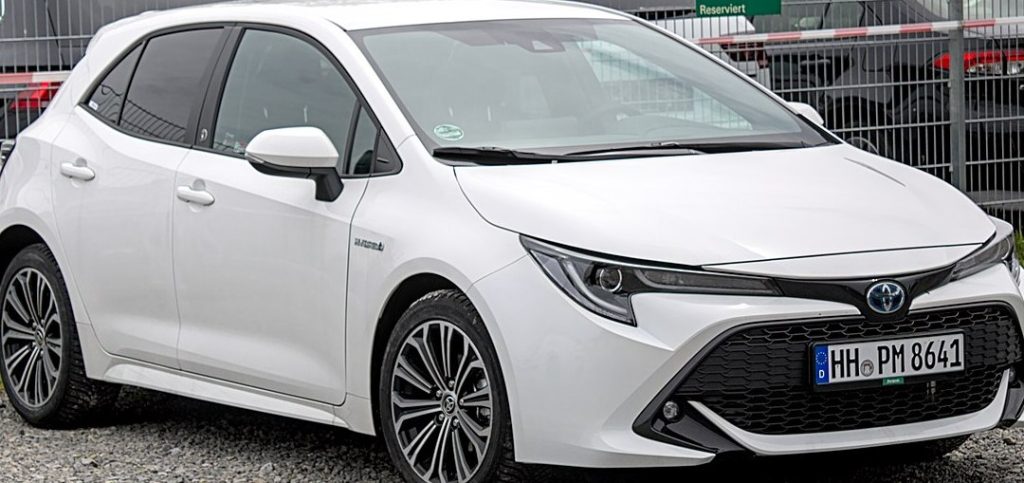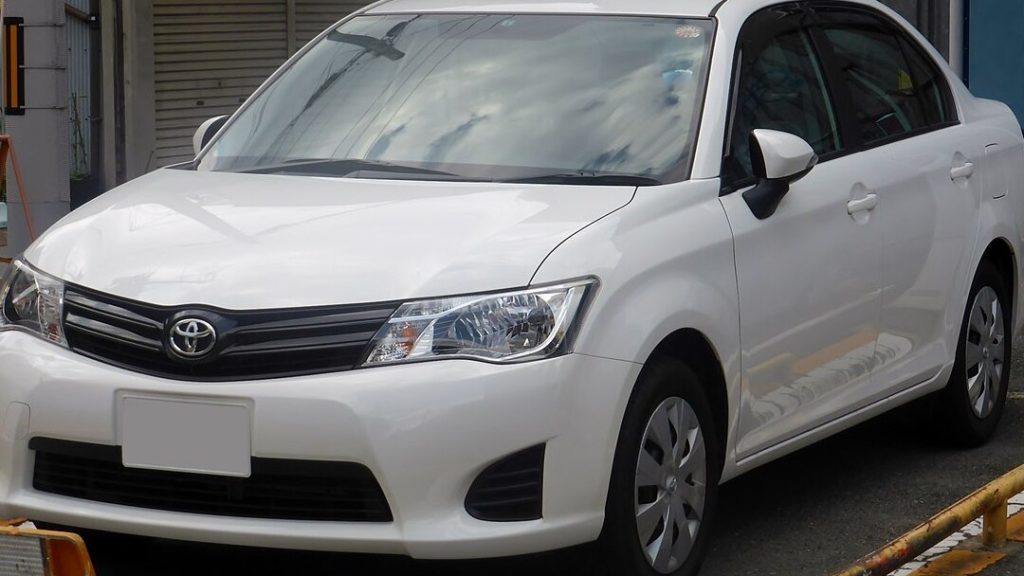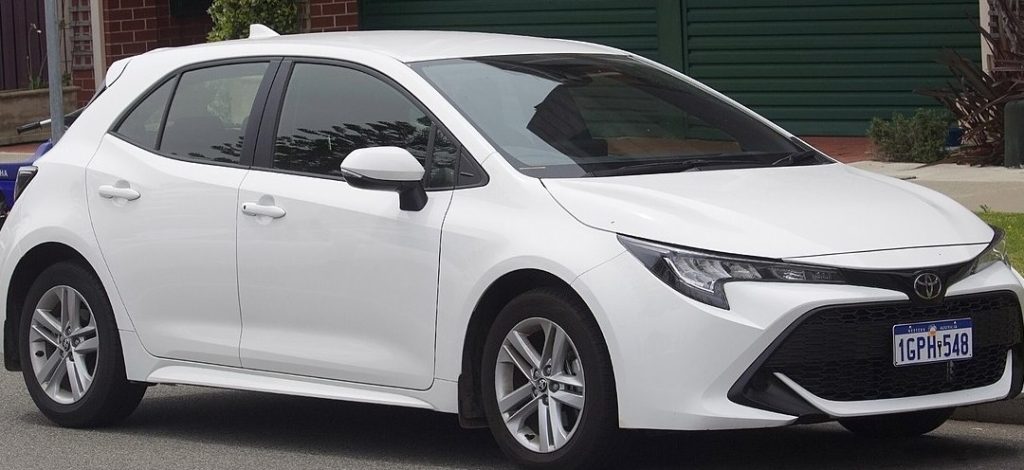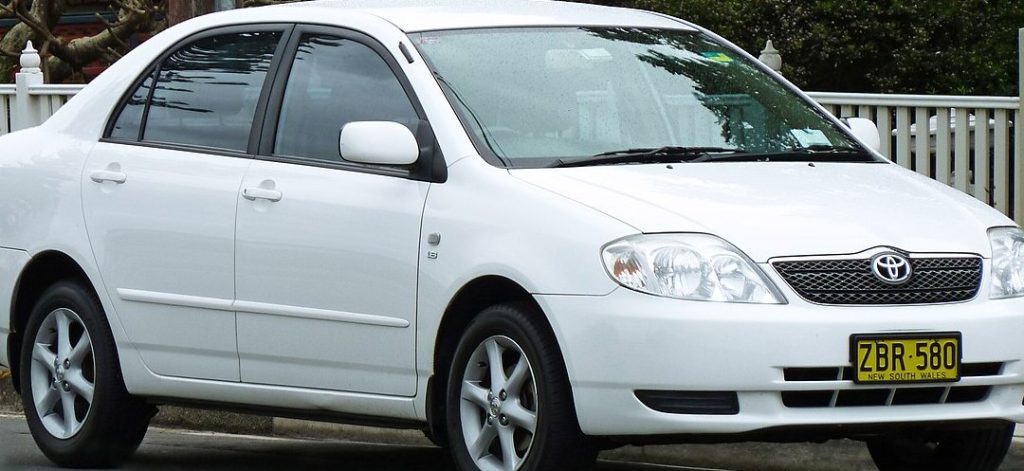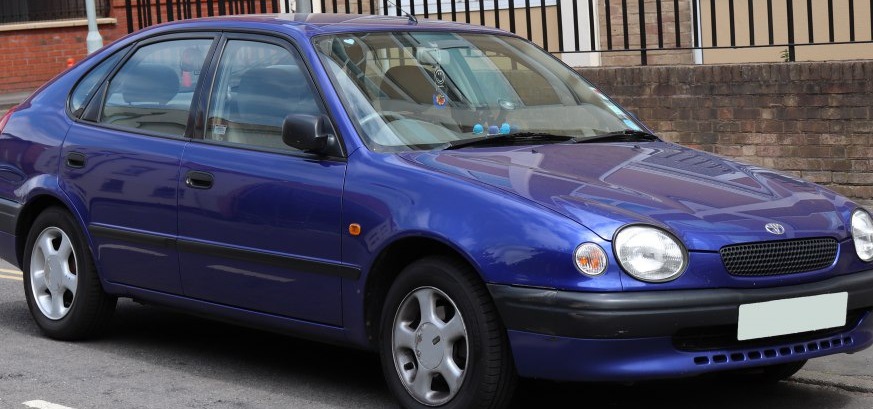
The Toyota Corolla Compact VIII (E110) 1.6 16V VVT-i, produced primarily for the European and Japanese markets during the 2000 model year, represented a significant iteration in the Corolla lineage. Falling within the eighth generation of the Corolla, the E110 series marked a shift towards a more contemporary design and a greater emphasis on fuel efficiency and practicality. This particular 1.6-liter variant, delivering 110 horsepower, served as a mid-range offering in the E110 lineup, positioned between the base 1.4-liter models and the more performance-oriented 1.8-liter versions. The E110 platform aimed to provide a comfortable and reliable driving experience, catering to a broad customer base seeking a dependable compact hatchback.
Technical Specifications
| Brand | Toyota |
| Model | Corolla |
| Generation | Corolla Compact VIII (E110) |
| Type (Engine) | 1.6 16V VVT-i (110 Hp) |
| Start of production | 2000 |
| End of production | 2000 |
| Powertrain Architecture | Internal Combustion engine |
| Body type | Hatchback |
| Seats | 5 |
| Doors | 5 |
| Fuel Type | Petrol (Gasoline) |
| Power | 110 Hp |
| Engine Model/Code | 3ZZ-FE |
| Engine aspiration | Naturally aspirated engine |
| Engine oil capacity | 3.7 l (3.91 US qt | 3.26 UK qt) |
| Coolant capacity | 6 l (6.34 US qt | 5.28 UK qt) |
Powertrain & Engine Architecture
The heart of the Corolla E110 1.6 16V VVT-i is the 3ZZ-FE engine, a 1.6-liter (1587 cc) inline-four cylinder powerplant. This engine is notable for its use of Toyota’s Variable Valve Timing-intelligent (VVT-i) technology. VVT-i adjusts the timing of both the intake and exhaust valves, optimizing engine performance and fuel efficiency across a wider range of engine speeds. The 3ZZ-FE utilizes a multi-point fuel injection system, delivering precise fuel metering for improved combustion. The engine features a double overhead camshaft (DOHC) valvetrain with four valves per cylinder, contributing to its relatively high output for its displacement. While a five-speed manual transmission was available, this variant was frequently paired with a four-speed automatic transmission, designed for smooth and convenient operation. The automatic transmission, while providing ease of use, was not known for particularly sporty performance, prioritizing fuel economy and comfort over rapid acceleration.
Driving Characteristics
The 110 horsepower output of the 3ZZ-FE engine, when coupled with the four-speed automatic transmission, resulted in a driving experience geared towards practicality and fuel efficiency rather than outright performance. Acceleration was adequate for everyday driving situations, but it wasn’t particularly brisk. The automatic transmission’s gear ratios were tuned for economy, meaning that the engine often operated at lower RPMs during cruising, contributing to good fuel consumption. Compared to the five-speed manual version, the automatic suffered a slight performance penalty due to the transmission’s inherent efficiency losses. The manual transmission offered a more engaging driving experience and slightly quicker acceleration. Compared to the higher-output 1.8-liter models, the 1.6-liter automatic felt noticeably less powerful, especially when fully loaded or tackling inclines. However, the 1.6L offered a better balance between performance and fuel economy than the larger engine.
Equipment & Trim Levels
The E110 1.6 16V VVT-i typically came equipped with a reasonable level of standard features. Interior appointments generally included cloth upholstery, a basic audio system (often a cassette player with AM/FM radio), and power windows. Air conditioning was a common, though not always standard, feature. Safety equipment included dual airbags and anti-lock brakes (ABS) on some trims. Optional extras could include alloy wheels, a sunroof, and upgraded audio systems. The trim level often dictated the availability of these options. Higher trim levels, denoted by different badges and interior finishes, offered more luxurious appointments and additional features. The 1.6L automatic often sat in a mid-range trim, offering a step up from the base models but lacking the premium features of the 1.8L variants.
Chassis & Braking
The Corolla E110 utilized a MacPherson strut front suspension and a torsion beam rear suspension. This setup provided a comfortable ride quality, suitable for everyday driving. The torsion beam rear suspension, while cost-effective, wasn’t as sophisticated as independent rear suspension systems found in some competitors. Braking systems varied depending on the trim level. Lower trims typically featured drum brakes on the rear wheels, while higher trims were equipped with disc brakes all around. The braking performance was adequate for the vehicle’s weight and power output. Stabilizer bars were fitted to both the front and rear axles to reduce body roll during cornering, enhancing handling stability.
Market Reception & Comparison
The Toyota Corolla E110 1.6 16V VVT-i was generally well-received by automotive critics as a practical and reliable compact hatchback. Its fuel efficiency was a major selling point, and the VVT-i technology was praised for improving engine performance and reducing emissions. However, the automatic transmission was sometimes criticized for its lack of responsiveness and its impact on fuel economy compared to the manual version. Compared to other compact hatchbacks of the time, such as the Volkswagen Golf and Ford Focus, the Corolla offered a reputation for exceptional reliability and low running costs. The 1.6-liter engine provided a good balance between performance and economy, making it a popular choice for drivers who prioritized practicality over sporty driving dynamics.
Legacy
The 3ZZ-FE engine, in general, has proven to be a remarkably durable and reliable powerplant. With proper maintenance, these engines can easily exceed 200,000 miles. The E110 Corolla, and specifically the 1.6 16V VVT-i variant, enjoys a strong reputation for dependability in the used car market. While not a particularly sought-after model by enthusiasts, its affordability and reliability make it a sensible choice for budget-conscious buyers. Common issues are relatively minor, often relating to age-related wear and tear on components such as suspension bushings and exhaust systems. The availability of spare parts remains good, contributing to the ongoing viability of these vehicles. The E110 Corolla continues to be a testament to Toyota’s commitment to building long-lasting and dependable automobiles.