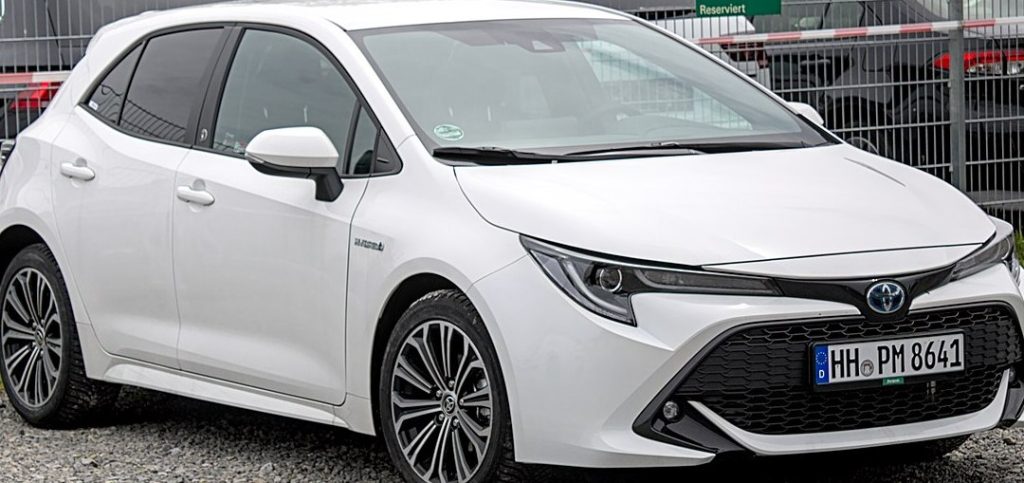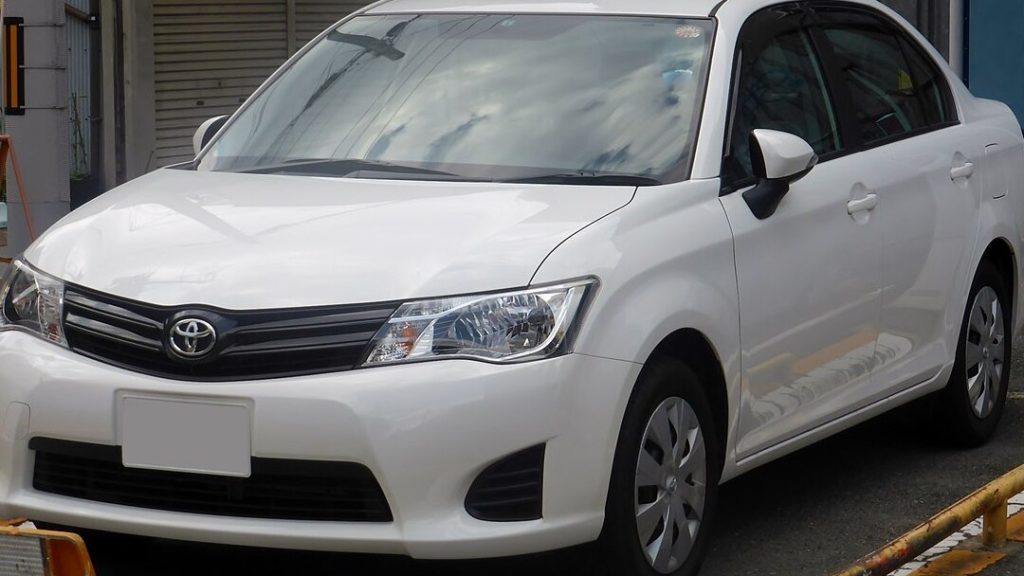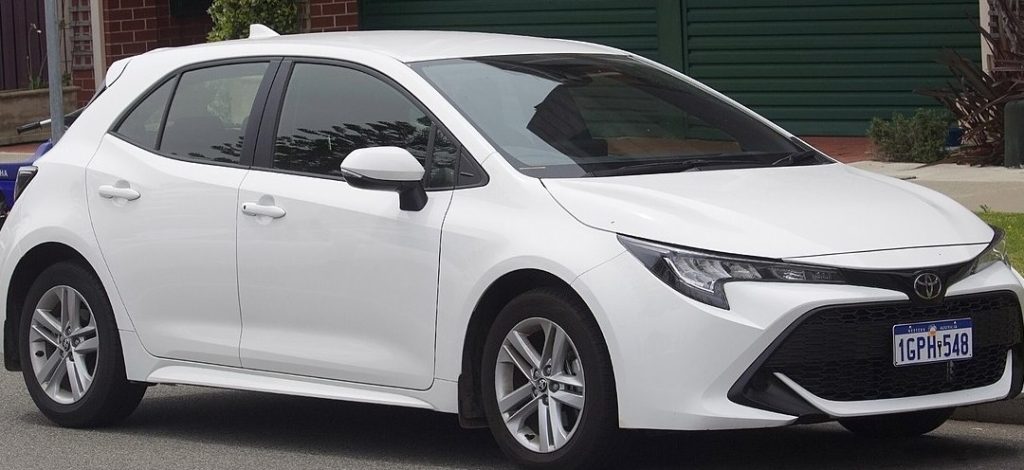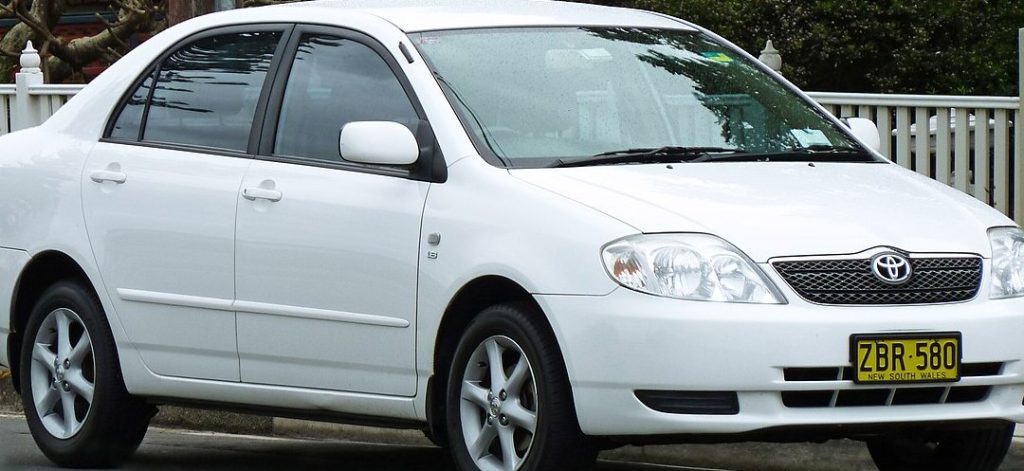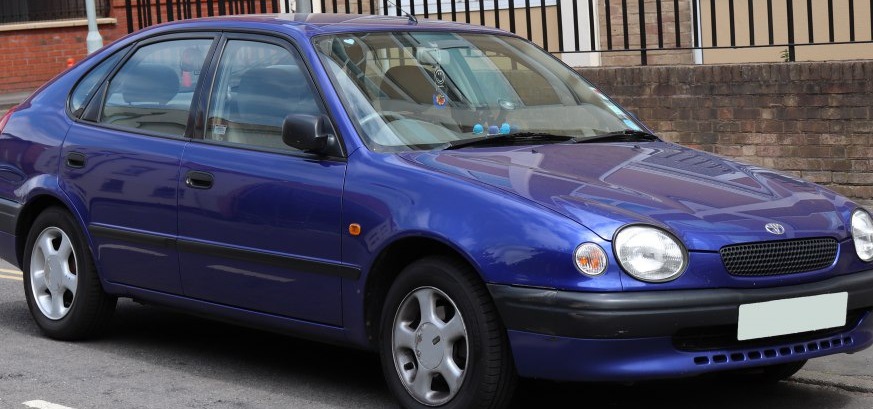
The Toyota Corolla Compact VIII (E110) 2.0 D, produced between 1997 and 2000, represented a significant offering in the European market, particularly for buyers seeking a fuel-efficient and practical compact hatchback. This variant, powered by the 2C diesel engine, occupied a specific niche within the E110 Corolla range, catering to those prioritizing economy over outright performance. The E110 generation Corolla marked a period of refinement for Toyota’s popular model, building upon the success of its predecessors with improved styling, safety features, and a focus on everyday usability. It was sold primarily in Europe, where diesel engines held a larger market share than in North America.
Technical Specifications
| Brand | Toyota |
| Model | Corolla |
| Generation | Corolla Compact VIII (E110) |
| Type (Engine) | 2.0 D (72 Hp) |
| Start of production | 1997 |
| End of production | 2000 |
| Powertrain Architecture | Internal Combustion engine |
| Body type | Hatchback |
| Seats | 5 |
| Doors | 5 |
| Fuel Type | Diesel |
| Power | 72 Hp |
| Engine Model/Code | 2C |
| Engine aspiration | Naturally aspirated engine |
| Engine oil capacity | 5.1 l (5.39 US qt | 4.49 UK qt) |
| Coolant capacity | 7.3 l (7.71 US qt | 6.42 UK qt) |
Powertrain & Engine Architecture
The heart of the Corolla 2.0 D was the 2C diesel engine. This 1975 cc (2.0 L) inline-four cylinder engine was a workhorse known for its durability and fuel efficiency, rather than its power output. It featured indirect injection, a common characteristic of diesel engines of that era, utilizing a pre-combustion chamber design. The 2C engine employed a single overhead camshaft (SOHC) valvetrain, operating with two valves per cylinder. While not a technologically advanced engine by modern standards, its simplicity contributed to its reliability. The engine’s relatively low compression ratio (typically around 23:1) helped to manage noise and vibration, common concerns with diesel engines. The 72 horsepower peak was achieved at a relatively low 4,200 rpm, and torque output was approximately 128 lb-ft at 2,400 rpm. This torque curve prioritized low-end grunt, making it suitable for everyday driving and hauling loads. The transmission paired with the 2.0 D was typically a five-speed manual, though a four-speed automatic was also available, albeit less common. The automatic transmission was designed for smooth operation and ease of use, but at the expense of some fuel economy and acceleration.
Driving Characteristics
The Corolla 2.0 D, particularly in hatchback form, offered a practical and comfortable driving experience. However, it was not designed for sporty performance. Acceleration was modest, with a 0-60 mph time estimated to be around 13-14 seconds. The focus was on providing adequate power for everyday commuting and highway cruising. The engine’s torque characteristics meant that it felt more responsive at lower speeds, making it easy to navigate city traffic. The suspension, typically a MacPherson strut front setup and a torsion beam rear axle, provided a comfortable ride, absorbing bumps and imperfections in the road. The steering was light and easy to use, making it maneuverable in tight spaces. Compared to the gasoline-powered Corolla variants, the 2.0 D offered significantly better fuel economy, a major selling point for European buyers. The manual transmission versions provided a more engaging driving experience, allowing drivers to better control the engine’s power delivery, while the automatic offered convenience, but with a noticeable reduction in responsiveness.
Equipment & Trim Levels
The Corolla 2.0 D typically came with a reasonable level of standard equipment, reflecting its position as a mainstream compact car. Base models included power steering, central locking, and electric front windows. Higher trim levels, often denoted by designations like “GL” or “Executive,” added features such as air conditioning, alloy wheels, a radio/cassette player, and upgraded interior trim. Interior upholstery was typically cloth, with options for different colors and patterns. The dashboard layout was functional and straightforward, with clearly labeled controls. Optional extras included a sunroof, metallic paint, and upgraded audio systems. Safety features were relatively basic for the time, typically including a driver’s airbag and seatbelts. ABS brakes were available on some models, but not standard across the range.
Chassis & Braking
The E110 Corolla 2.0 D utilized a relatively conventional chassis design. The front suspension featured MacPherson struts, providing a good balance of ride comfort and handling. The rear suspension employed a torsion beam axle, which was cost-effective and space-efficient. Braking systems varied depending on the trim level and market. Lower-spec models typically had drum brakes on the rear wheels, while higher-spec models were equipped with disc brakes all around. Front brakes were typically ventilated discs. The braking system was adequate for the car’s weight and performance, but lacked the sophistication of more modern systems. Stabilizer bars were fitted to both the front and rear axles to reduce body roll during cornering.
Market Reception & Comparison
The Toyota Corolla 2.0 D was generally well-received in the European market as a reliable and economical compact car. Critics praised its fuel efficiency and durability, but noted its lack of outright performance. Compared to other diesel-powered compact cars of the time, such as the Volkswagen Golf TDI and the Ford Focus TDCi, the Corolla 2.0 D offered a competitive level of fuel economy and reliability. However, it often lagged behind in terms of performance and refinement. The Golf TDI, in particular, was known for its more powerful engine and sophisticated technology. The Corolla’s simplicity, however, proved to be a strength in terms of long-term reliability and ease of maintenance. Fuel economy typically ranged from 45-55 mpg, depending on driving conditions.
Legacy
The 2C diesel engine, and the Corolla 2.0 D variant, have earned a reputation for exceptional longevity. Many examples are still on the road today, testament to Toyota’s engineering and build quality. The engine is known for its ability to withstand high mileage with minimal maintenance. In the used car market, the Corolla 2.0 D remains a popular choice for buyers seeking a reliable and affordable vehicle. However, potential buyers should be aware of the age-related issues common to older diesel engines, such as injector wear and potential turbocharger problems (though the 2C is naturally aspirated). Parts availability is generally good, and maintenance costs are relatively low. The E110 Corolla 2.0 D represents a practical and dependable choice for those seeking a no-frills, fuel-efficient compact hatchback.