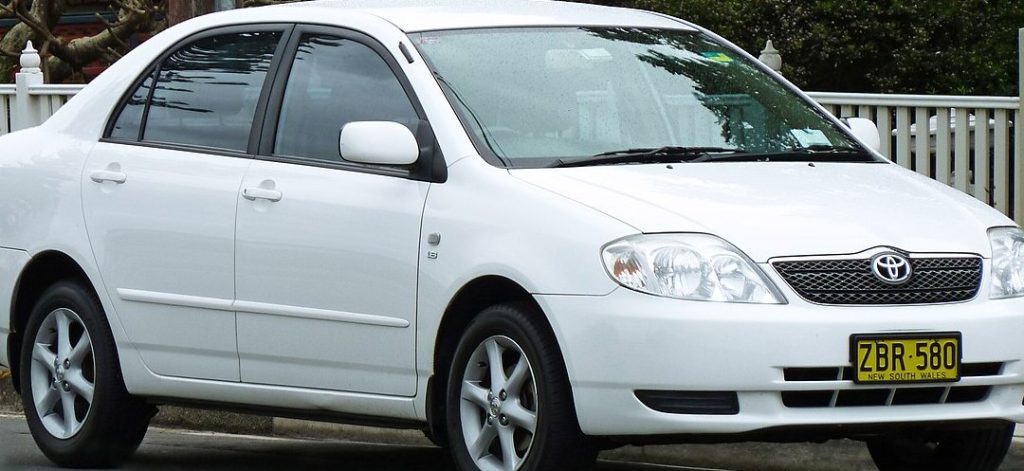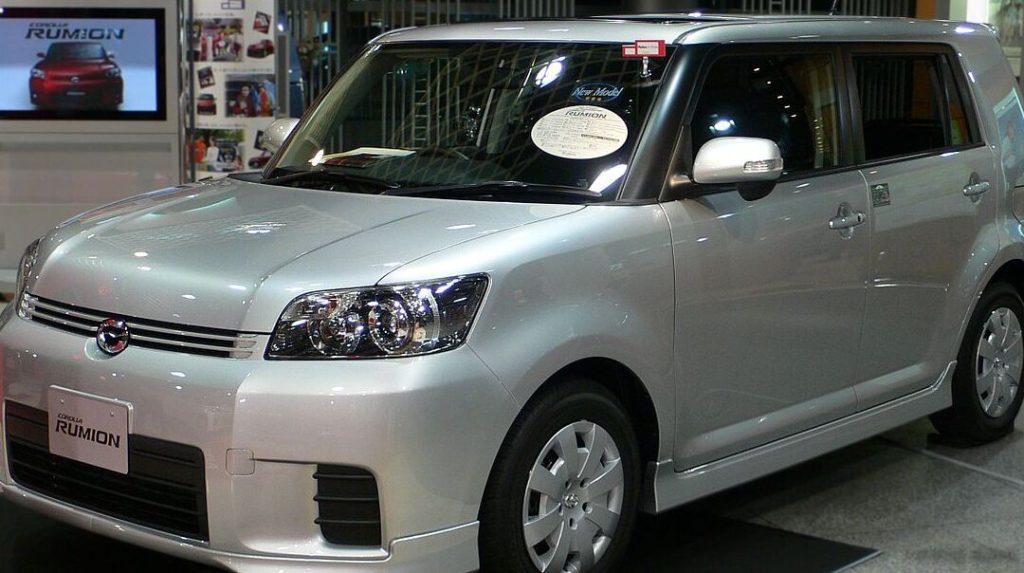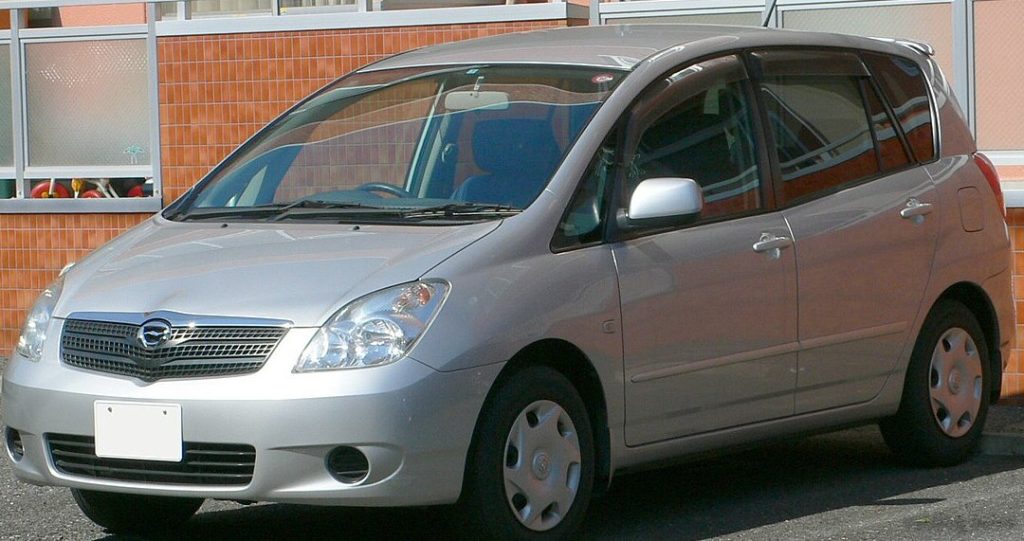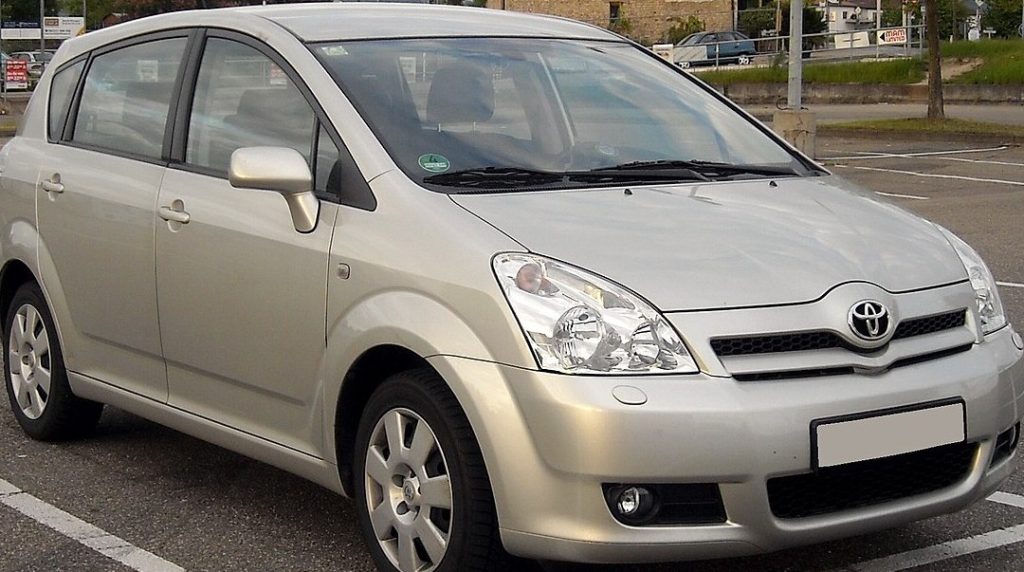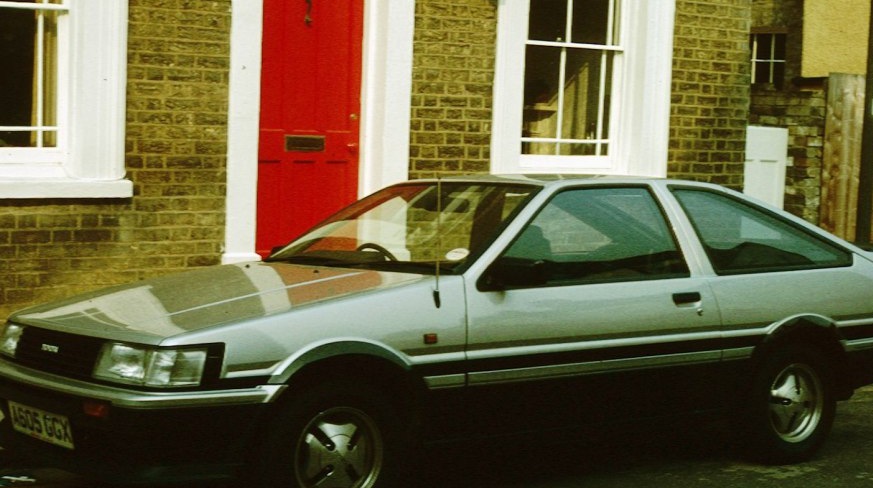
The Toyota Corolla Coupe V (E80) 1.6 GT 16V Automatic, produced between 1985 and 1987, represented a sporting iteration of the fifth-generation Corolla. Positioned as a more performance-oriented variant within the E80 coupe range, it aimed to attract buyers seeking a blend of style, handling, and reasonable power. This model occupied a mid-range position in the lineup, sitting below the more potent, often turbocharged, variants available in some markets, but above the base-level 1.6 models. It was primarily sold in Japan, Australia, and select European markets, offering a rear-wheel-drive experience increasingly uncommon in the family car segment during that era.
Technical Specifications
| Brand | Toyota |
| Model | Corolla |
| Generation | Corolla Coupe V (E80) |
| Type (Engine) | 1.6 GT 16V (124 Hp) Automatic |
| Start of production | 1985 |
| End of production | 1987 |
| Powertrain Architecture | Internal Combustion engine |
| Body type | Coupe |
| Seats | 4 |
| Doors | 2 |
| Fuel Type | Petrol (Gasoline) |
| Acceleration 0 – 100 km/h | 9.2 sec |
| Acceleration 0 – 62 mph | 9.2 sec |
| Acceleration 0 – 60 mph | 8.7 sec |
| Maximum speed | 196 km/h (121.79 mph) |
| Weight-to-power ratio | 7.8 kg/Hp, 127.8 Hp/tonne |
| Weight-to-torque ratio | 6.8 kg/Nm, 146.4 Nm/tonne |
| Power | 124 Hp @ 6600 rpm |
| Power per litre | 78.1 Hp/l |
| Torque | 142 Nm @ 5200 rpm (104.73 lb.-ft. @ 5200 rpm) |
| Engine layout | Front, Longitudinal |
| Engine Model/Code | 4A-GEC |
| Engine displacement | 1587 cm3 (96.84 cu. in.) |
| Number of cylinders | 4 |
| Engine configuration | Inline |
| Piston Stroke | 81 mm (3.19 in.) |
| Compression ratio | 10:1 |
| Number of valves per cylinder | 4 |
| Fuel injection system | Single-point injection |
| Engine aspiration | Naturally aspirated engine |
| Valvetrain | DOHC |
| Engine oil capacity | 3.7 l (3.91 US qt | 3.26 UK qt) |
| Coolant | 6 l (6.34 US qt | 5.28 UK qt) |
| Kerb Weight | 970 kg (2138.48 lbs.) |
| Fuel tank capacity | 50 l (13.21 US gal | 11 UK gal) |
| Length | 4180 mm (164.57 in.) |
| Width | 1625 mm (63.98 in.) |
| Height | 1335 mm (52.56 in.) |
| Wheelbase | 2430 mm (95.67 in.) |
| Drivetrain Architecture | Rear wheel drive |
| Drive wheel | Rear wheel drive |
| Number of gears and type of gearbox | 4 gears, automatic transmission |
| Front suspension | Independent, type McPherson with coil spring and anti-roll bar |
| Front brakes | Ventilated discs |
| Rear brakes | Disc |
| Steering type | Steering rack and pinion |
| Tires size | 185/70 R13 |
| Wheel rims size | 13 |
Powertrain & Engine Architecture
The heart of the 1.6 GT 16V Automatic was the 4A-GEC engine, a 1.6-liter inline-four cylinder powerplant. This engine featured a dual overhead camshaft (DOHC) valvetrain operating four valves per cylinder, contributing to its relatively high output for its displacement. The “EC” designation indicated a version tailored for emissions regulations. Fuel delivery was handled by a single-point fuel injection system, a common technology for the mid-1980s. While not as sophisticated as multi-point injection, it offered improved efficiency and performance over carbureted systems. The engine produced 124 horsepower at 6600 rpm and 142 Nm (104.73 lb-ft) of torque at 5200 rpm. The automatic transmission was a four-speed unit, designed to provide smooth shifts but at the expense of some performance compared to the available five-speed manual.
Driving Characteristics
The combination of the 1.6-liter engine and the four-speed automatic transmission resulted in a driving experience that prioritized comfort and ease of use over outright speed. Acceleration to 60 mph took approximately 8.7 seconds, respectable for the era but noticeably slower than the manual transmission equipped models. The automatic transmission’s gear ratios were tuned for fuel economy and smooth cruising, meaning it didn’t always keep the engine in its optimal power band. While the rear-wheel-drive layout offered a balanced feel, the relatively modest power output limited the car’s potential for spirited driving. The automatic transmission did detract from the sporty image the GT trim intended to convey, making it a more suitable choice for drivers prioritizing convenience.
Equipment & Trim Levels
The 1.6 GT 16V Automatic came reasonably well-equipped for its time. Standard features typically included power steering, a basic audio system, and cloth upholstery. The interior design was functional and straightforward, reflecting the era’s aesthetic. Optional extras could include upgraded audio systems, alloy wheels (often a popular choice), and electric windows. The GT trim level also featured some subtle exterior styling enhancements, such as a rear spoiler and unique badging, to differentiate it from the more basic Corolla models. Interior trim was generally dark colored, with a focus on durability rather than luxury.
Chassis & Braking
The E80 Corolla Coupe utilized a McPherson strut front suspension and a solid axle rear suspension. The front suspension incorporated a coil spring and anti-roll bar to improve handling. Braking duties were handled by ventilated discs at the front and discs at the rear, providing adequate stopping power for the car’s weight and performance. Steering was via a rack and pinion system, offering precise control. The 1.6 GT models often received slightly stiffer suspension components compared to the base models, enhancing handling characteristics. Tire size was typically 185/70 R13, a common size for the period.
Market Reception & Comparison
The Corolla Coupe V (E80) 1.6 GT 16V Automatic was generally well-received as a stylish and reliable coupe. Critics praised its handling and build quality, but some noted that the automatic transmission diminished the sporty potential of the engine. Compared to the manual transmission version, the automatic offered less driver engagement and slightly slower acceleration. Against competitors like the Honda Prelude or Nissan Pulsar Coupe, the Corolla offered a more conservative, but arguably more dependable, package. Fuel economy was reasonable for the time, but not exceptional. The 1.6 GT Automatic appealed to buyers who wanted a comfortable and reliable coupe with a touch of sporting flair, without the added cost or complexity of the more powerful turbocharged models.
Legacy
The Toyota Corolla Coupe V (E80) 1.6 GT 16V Automatic has developed a modest following among classic car enthusiasts. The 4A-GEC engine is known for its durability and relative simplicity, making it a relatively easy engine to maintain. However, finding parts can become increasingly challenging as the car ages. The automatic transmission, while reliable, is not as highly regarded as the manual version by performance enthusiasts. Today, these cars are often found in good condition, having benefited from Toyota’s reputation for reliability and the care of dedicated owners. The E80 Corolla Coupe represents a unique chapter in Toyota’s history, offering a glimpse into a time when rear-wheel-drive coupes were still a viable option for mainstream buyers.