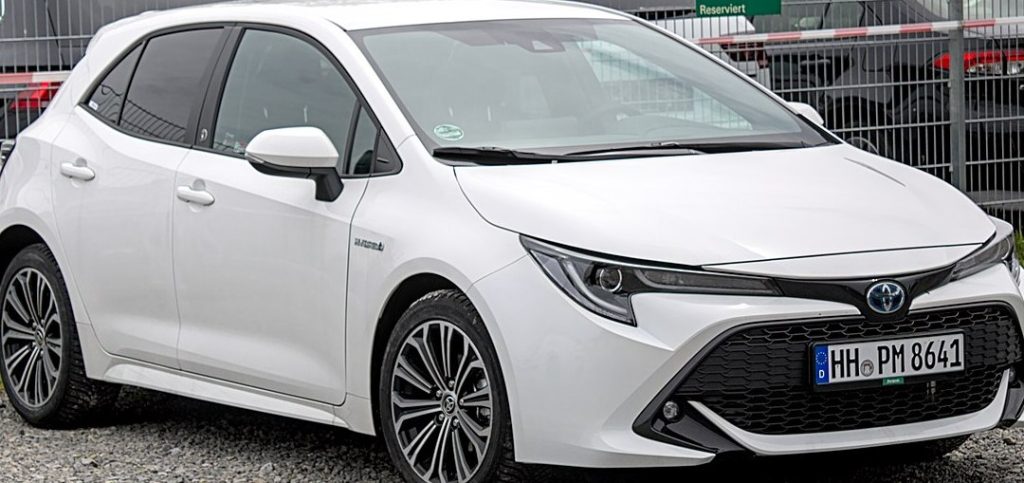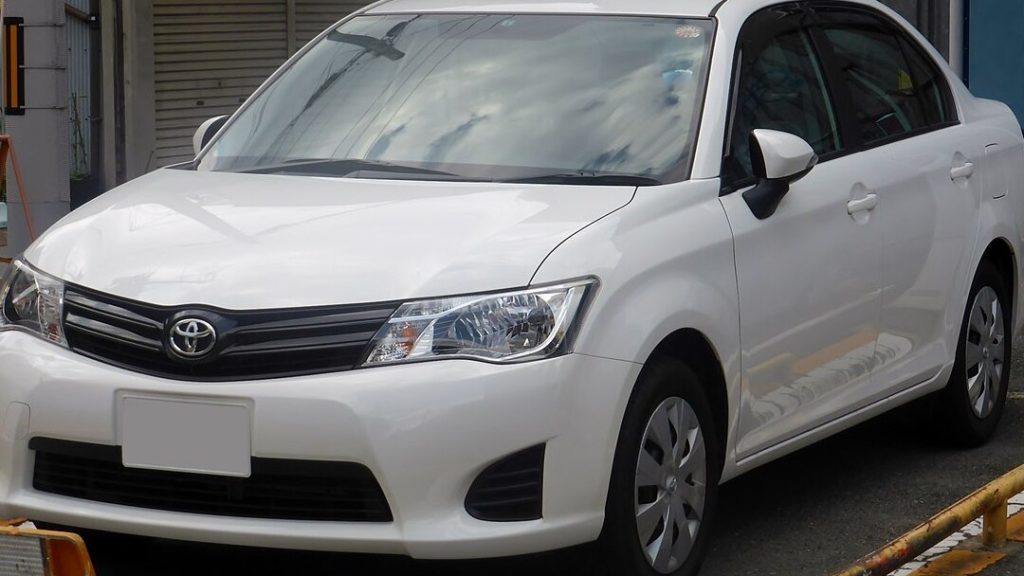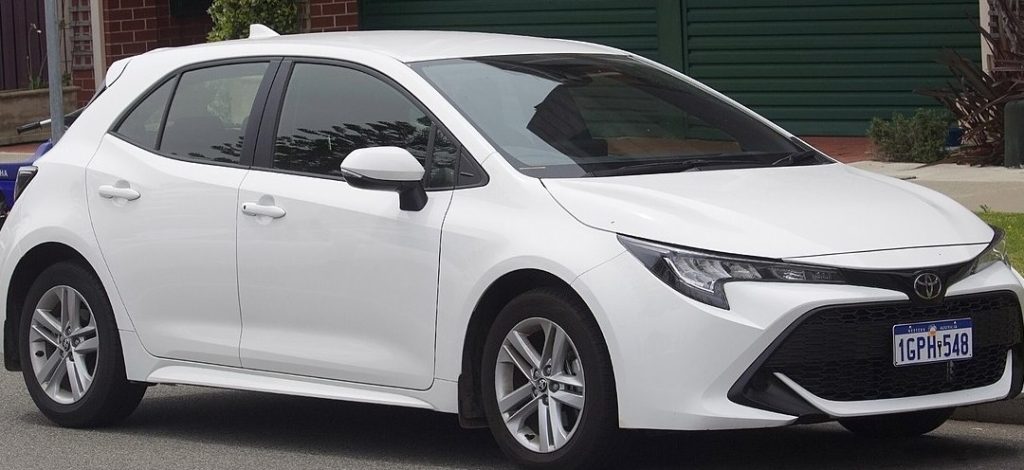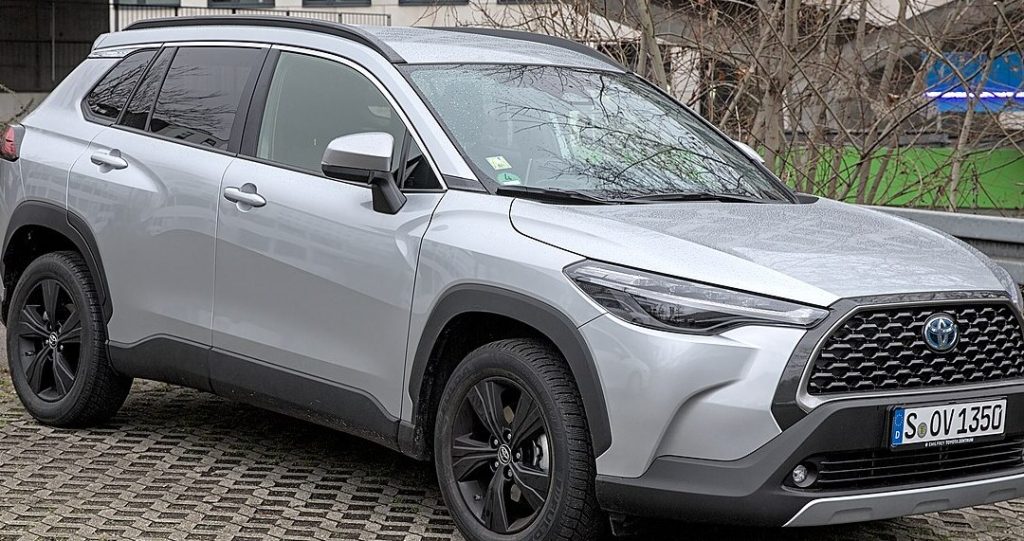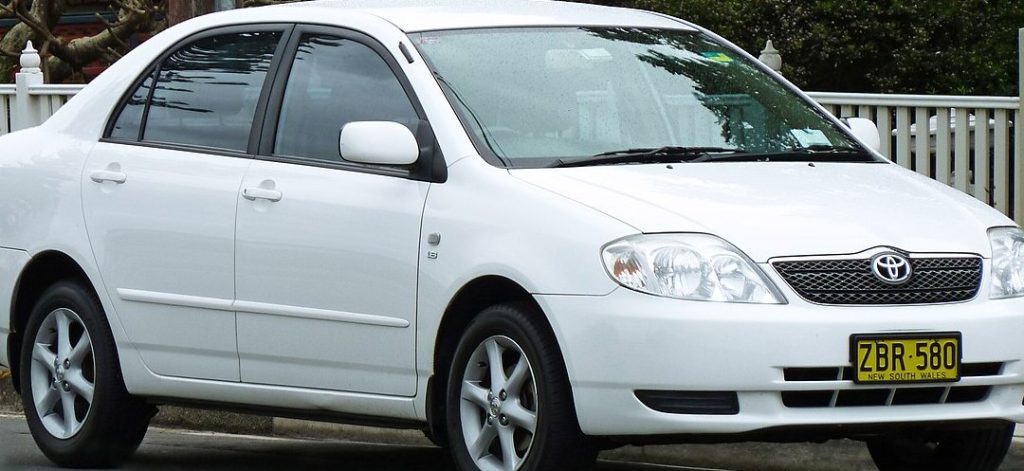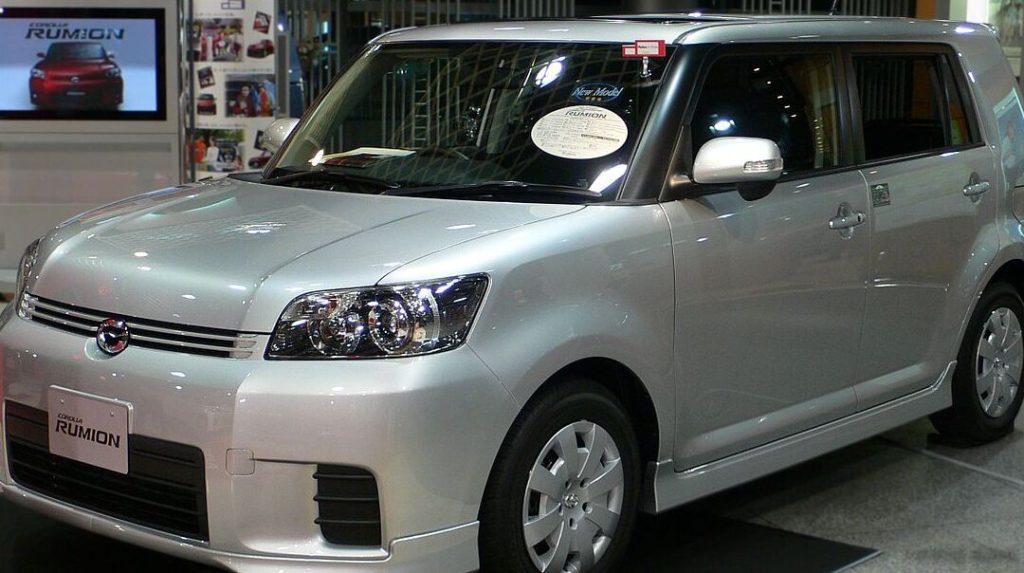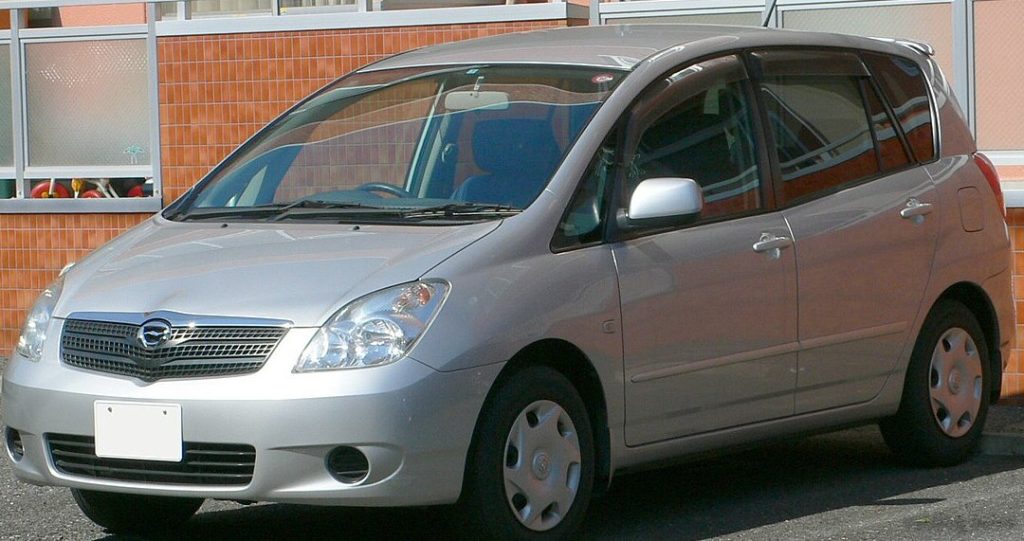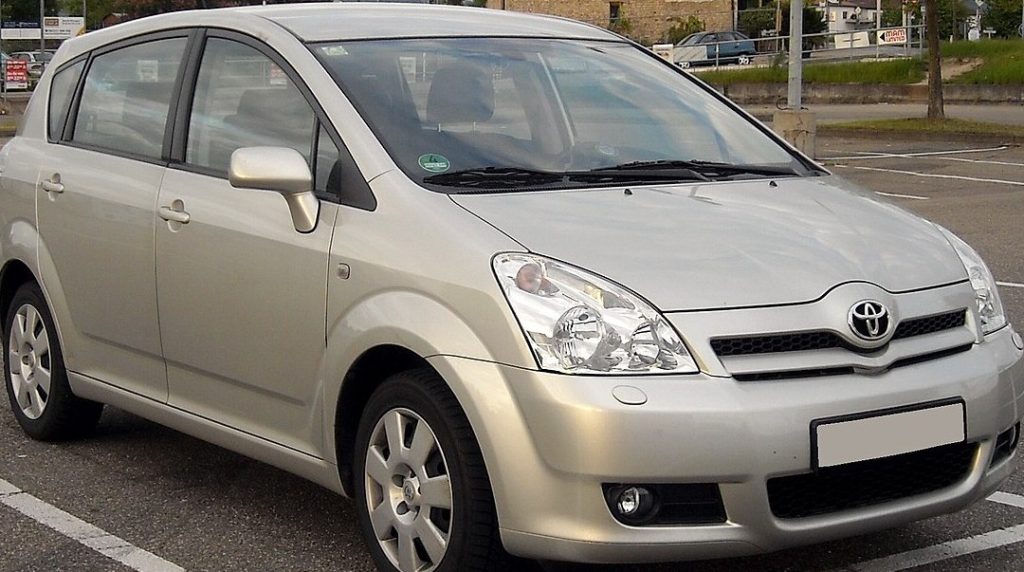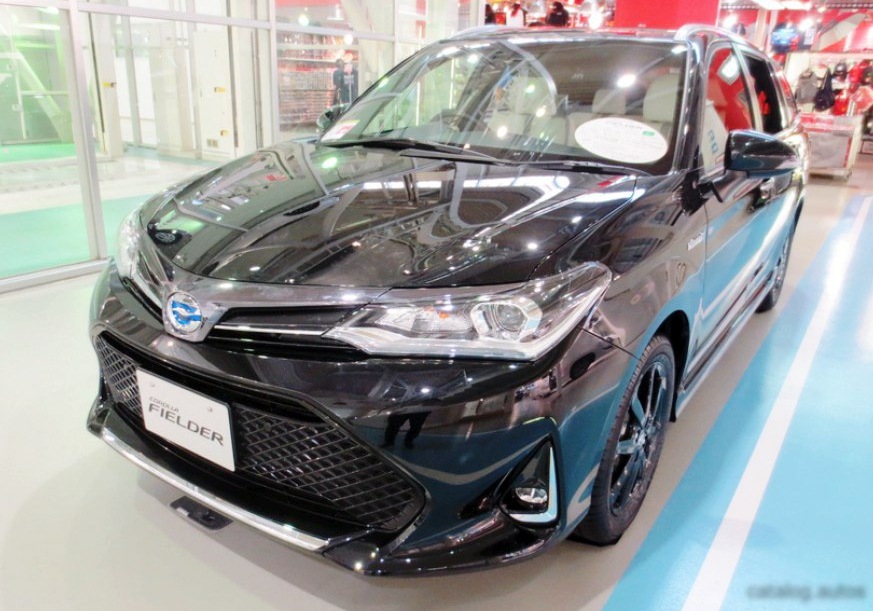
The Toyota Corolla Fielder XI (facelift 2017) 1.5i, producing 109 horsepower, represents a practical and fuel-efficient variant within the broader Corolla Fielder lineup. Introduced as part of the Fielder XI series, a refresh of the E160 generation, this model was primarily marketed in Japan and other Asia-Pacific regions from 2017 to 2018. Positioned as an entry-level to mid-range option, it catered to buyers seeking a versatile, wagon-bodied vehicle for both family and commercial use, prioritizing economy and reliability over outright performance. The Fielder, unlike the sedan Corolla, was specifically designed to capitalize on the popularity of station wagons in markets where space and practicality are highly valued.
Technical Specifications
| Brand | Toyota |
| Model | Corolla |
| Generation | Corolla Fielder XI (facelift 2017) |
| Type (Engine) | 1.5i (109 Hp) |
| Start of production | 2017 |
| End of production | 2018 |
| Powertrain Architecture | Internal Combustion engine |
| Body type | Station wagon (estate) |
| Seats | 5 |
| Doors | 5 |
| Fuel consumption (combined) | 5.7 l/100 km (41.3 US mpg, 49.6 UK mpg, 17.5 km/l) |
| Fuel Type | Petrol (Gasoline) |
| Weight-to-power ratio | 10.2 kg/Hp, 98.2 Hp/tonne |
| Weight-to-torque ratio | 8 kg/Nm, 124.3 Nm/tonne |
| Power | 109 Hp @ 6000 rpm |
| Power per litre | 72.9 Hp/l |
| Torque | 138 Nm @ 4400 rpm (101.78 lb.-ft. @ 4400 rpm) |
| Engine layout | Front, Transverse |
| Engine Model/Code | 1NZ-FE |
| Engine displacement | 1496 cm3 (91.29 cu. in.) |
| Number of cylinders | 4 |
| Engine configuration | Inline |
| Cylinder Bore | 75 mm (2.95 in.) |
| Piston Stroke | 84.7 mm (3.33 in.) |
| Number of valves per cylinder | 4 |
| Fuel injection system | Multi-port manifold injection |
| Engine aspiration | Naturally aspirated engine |
| Engine oil capacity | 3.7 l (3.91 US qt | 3.26 UK qt) |
| Coolant | 4.8 l (5.07 US qt | 4.22 UK qt) |
| Kerb Weight | 1110 kg (2447.13 lbs.) |
| Max. weight | 1385 kg (3053.4 lbs.) |
| Max load | 275 kg (606.27 lbs.) |
| Fuel tank capacity | 42 l (11.1 US gal | 9.24 UK gal) |
| Length | 4400 mm (173.23 in.) |
| Width | 1695 mm (66.73 in.) |
| Height | 1475 mm (58.07 in.) |
| Wheelbase | 2600 mm (102.36 in.) |
| Front track | 1480 mm (58.27 in.) |
| Rear track | 1475 mm (58.07 in.) |
| Ride height (ground clearance) | 155 mm (6.1 in.) |
| Drivetrain Architecture | Front wheel drive |
| Drive wheel | Front wheel drive |
| Number of gears and type of gearbox | 5 gears, manual transmission |
| Front suspension | Independent type McPherson |
| Rear suspension | Torsion |
| Front brakes | Ventilated discs |
| Rear brakes | Drum |
| Assisting systems | ABS (Anti-lock braking system) |
| Steering type | Steering rack and pinion |
| Power steering | Electric Steering |
Powertrain & Engine Architecture
The Corolla Fielder 1.5i is powered by the 1NZ-FE engine, a 1.5-liter inline-four cylinder gasoline engine. This engine is a member of Toyota’s NZ engine family, known for its reliability and fuel efficiency. The 1NZ-FE utilizes a multi-port fuel injection system, delivering fuel directly into the intake ports. It features a single overhead camshaft (SOHC) valvetrain with four valves per cylinder. The engine’s design emphasizes low-end torque and smooth operation, rather than peak horsepower. Paired with this engine is a 5-speed manual transmission, providing a direct connection between the engine and the front wheels. The transmission was chosen to balance cost-effectiveness with acceptable driving experience.
Driving Characteristics
The 109 hp output and 138 Nm of torque translate to adequate, but not exhilarating, performance. Acceleration is best described as steady, with a 0-60 mph time estimated around 11-12 seconds. The manual transmission allows for reasonable control, but the engine’s limited power band requires frequent shifting to maintain momentum, especially when loaded or traveling uphill. Compared to higher-trim Fielder models equipped with larger engines (like the 1.8L), the 1.5i feels noticeably less responsive. However, the lighter engine weight contributes to slightly improved handling and fuel economy. The gear ratios are tuned for efficiency, prioritizing fuel savings over rapid acceleration.
Equipment & Trim Levels
The 1.5i trim typically included standard features such as air conditioning, power windows, power door locks, and a basic audio system. Interior upholstery was generally cloth, with a functional, rather than luxurious, design. Optional extras often included alloy wheels, a more advanced audio system with navigation, and rear parking sensors. The dashboard layout was straightforward and user-friendly, focusing on practicality. Safety features typically included dual front airbags and ABS brakes as standard equipment.
Chassis & Braking
The Corolla Fielder utilizes a McPherson strut independent suspension system at the front, providing a comfortable ride and reasonable handling. The rear suspension employs a torsion beam setup, which is a cost-effective solution that prioritizes space efficiency. Braking duties are handled by ventilated discs at the front and drum brakes at the rear. The drum brakes on the rear were a cost-saving measure common in this segment. Electric power steering provides light and easy steering feel, making it suitable for urban driving.
Market Reception & Comparison
The Corolla Fielder 1.5i was generally well-received in its target markets for its practicality, fuel efficiency, and Toyota’s reputation for reliability. Critics noted that the engine lacked significant power, particularly when the vehicle was fully loaded. However, the excellent fuel economy (around 41.3 US mpg combined) and low running costs were seen as major advantages. Compared to the 1.8L variants, the 1.5i offered a more affordable entry point into the Fielder range, appealing to budget-conscious buyers. The 1.8L models provided a noticeable performance boost but came at a higher price and with slightly reduced fuel economy.
Legacy
The 1NZ-FE engine, in general, has proven to be exceptionally durable and reliable, with many examples exceeding 200,000 miles with proper maintenance. The Corolla Fielder 1.5i, therefore, remains a popular choice in the used car market, particularly in regions where fuel efficiency and reliability are highly valued. While not a performance car, its practicality and low running costs continue to make it a sensible option for families and small businesses. Common maintenance issues are relatively minor, typically involving routine servicing items like spark plugs, air filters, and oil changes. The availability of spare parts is excellent, further contributing to its long-term ownership appeal.