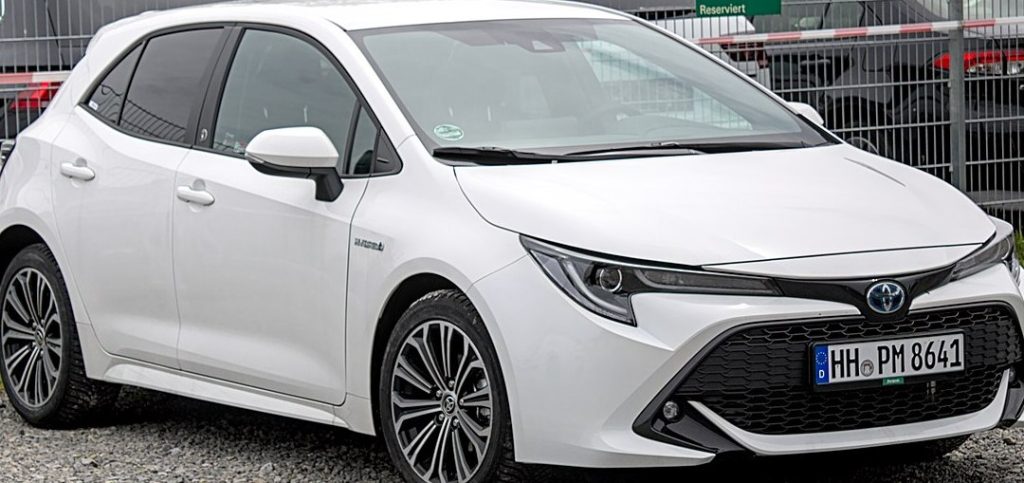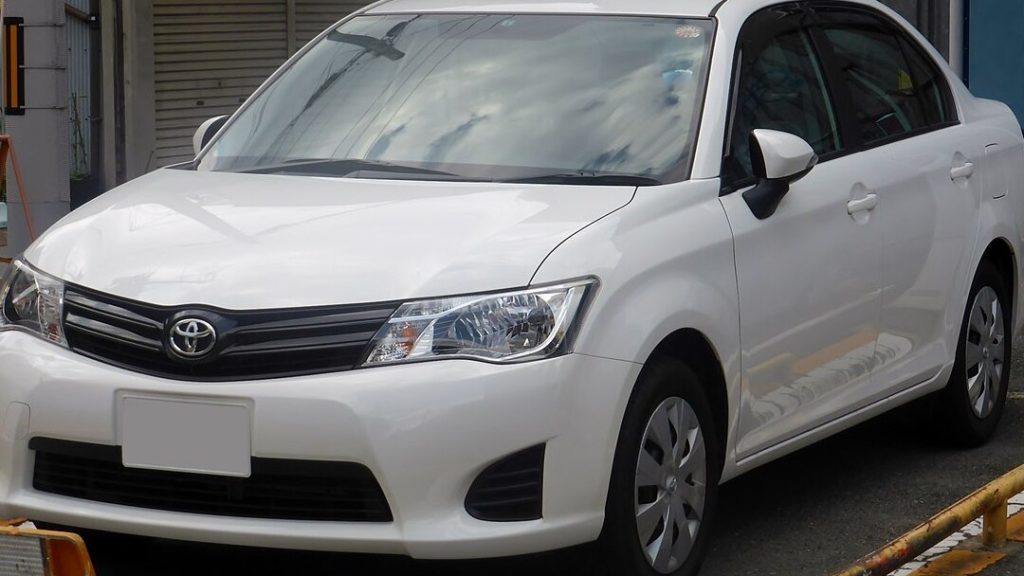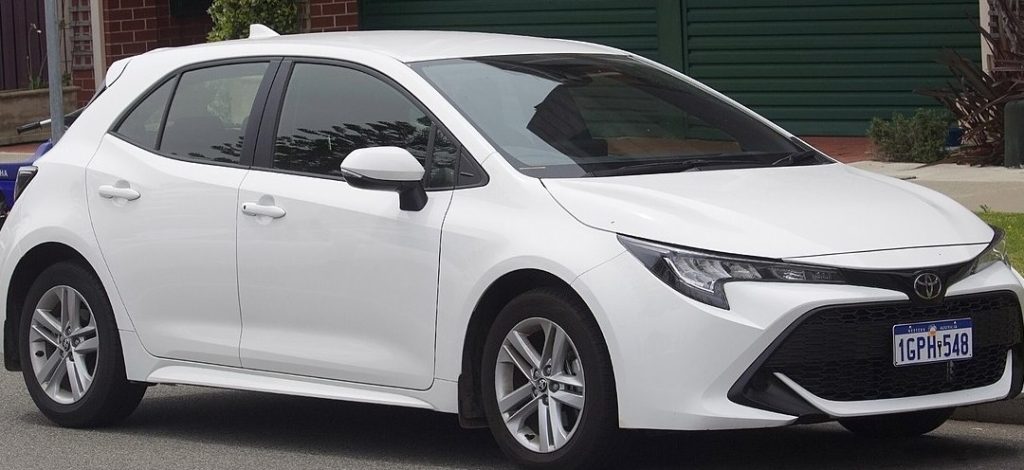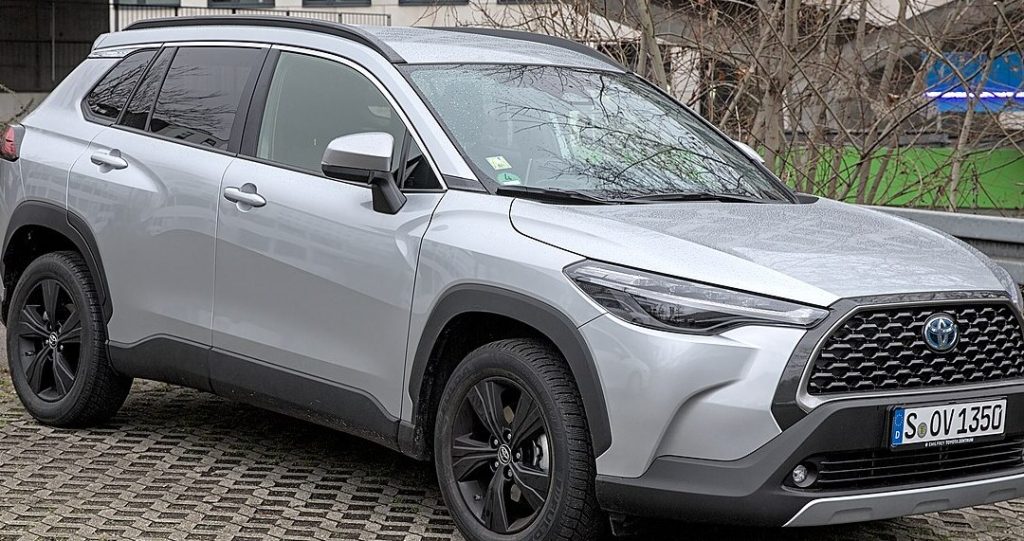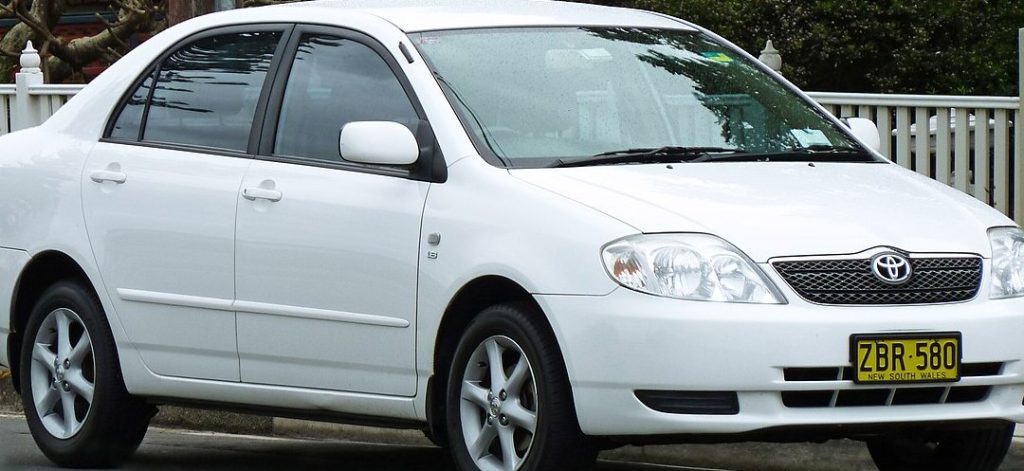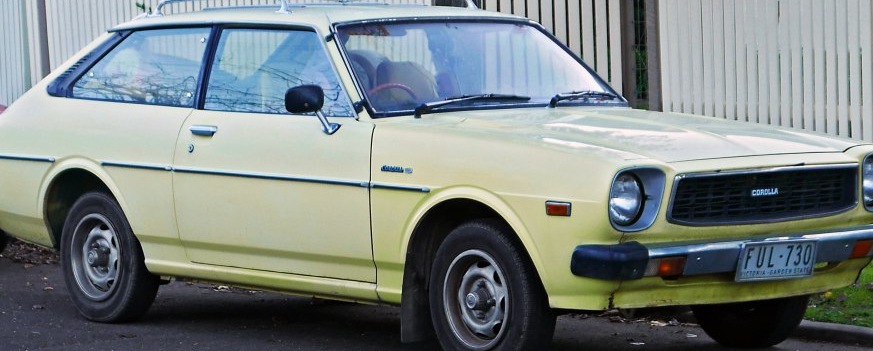
The Toyota Corolla, a name synonymous with reliability and affordability, has enjoyed a long and storied history. The third generation, encompassing chassis codes E30, E40, E50, and E60 produced between 1976 and 1980, represented a significant evolution of the model, offering a wider range of body styles including a popular hatchback variant. Within this generation, the 1.2-liter (54 horsepower) engine option, designated with engine code 3K-H, served as the entry point to Corolla ownership, particularly in European and Asian markets. This variant was designed for economy and practicality, appealing to buyers seeking basic transportation with Toyota’s renowned dependability.
Technical Specifications
| Brand | Toyota |
| Model | Corolla |
| Generation | Corolla Hatch III (E30, E40, E50, E60) |
| Type (Engine) | 1.2 (54 Hp) |
| Start of Production | 1976 |
| End of Production | 1980 |
| Powertrain Architecture | Internal Combustion Engine |
| Body Type | Hatchback |
| Doors | 3 |
| Fuel Type | Petrol (Gasoline) |
| Power | 54 Hp |
| Engine Model/Code | 3K-H |
| Engine Aspiration | Naturally Aspirated |
| Engine Oil Capacity | 3.5 l (3.7 US qt | 3.08 UK qt) |
| Coolant Capacity | 5.3 l (5.6 US qt | 4.66 UK qt) |
Powertrain & Engine Architecture
The heart of this Corolla variant was the 3K-H engine, a 1.2-liter inline-four cylinder gasoline engine. This engine was a member of Toyota’s ‘K’ engine family, known for its simplicity and durability. The 3K-H featured a single overhead camshaft (SOHC) valvetrain operating two valves per cylinder. Fuel delivery was managed by a carburetor, a common feature for vehicles of this era, prioritizing simplicity over the more complex fuel injection systems that would become prevalent later. The engine’s modest 54 horsepower output was achieved through a relatively low compression ratio and conservative tuning, emphasizing fuel efficiency and longevity. While specific transmission options varied by market, the 1.2L engine was frequently paired with a three or four-speed automatic transmission, or a four-speed manual. The automatic transmission was designed for smooth, if not particularly brisk, operation, prioritizing ease of use for urban driving.
Driving Characteristics
The 1.2-liter Corolla Hatchback was not designed for performance. Acceleration was modest, and highway merging required careful planning. The automatic transmission, while convenient, further reduced available power due to its inherent efficiency losses. Gear ratios were optimized for fuel economy, resulting in a relatively high final drive ratio. This meant the car felt somewhat sluggish at lower speeds but offered decent cruising ability once up to speed. Compared to the larger-engined Corolla variants, such as those equipped with the 1.6-liter engine, the 1.2L felt significantly underpowered. However, the lighter weight of the 1.2L model partially compensated for the power deficit, making it more nimble in city traffic. The steering was light and responsive, contributing to a pleasant, if unexciting, driving experience.
Equipment & Trim Levels
The 1.2-liter Corolla Hatchback typically represented the base trim level within the third-generation Corolla range. Standard equipment was relatively sparse, reflecting its position as an affordable entry-level vehicle. Interior appointments generally included vinyl or basic cloth upholstery, a simple dashboard layout with minimal instrumentation, and manual windows and door locks. Radio options were typically available as an extra-cost accessory. Features like a heater and basic ventilation were standard, but air conditioning was rarely fitted to this base model. Optional extras, depending on the market, could include upgraded upholstery, a more comprehensive instrument cluster, and a basic audio system. The focus was on providing functional transportation rather than luxury or advanced features.
Chassis & Braking
The Corolla Hatchback utilized a relatively simple chassis design. Front suspension consisted of MacPherson struts, while the rear suspension employed a torsion beam axle. This setup provided a comfortable ride quality, although it wasn’t particularly sporty. Braking systems varied depending on the market and year. Earlier models often featured drum brakes on all four wheels, while later models typically upgraded to front disc brakes and rear drum brakes. The braking system was adequate for the car’s weight and performance, but lacked the stopping power of more modern vehicles. Steering was typically unassisted, providing a direct feel but requiring more effort at low speeds. Stabilizer bars were often omitted from the base 1.2L model to further reduce cost.
Market Reception & Comparison
The 1.2-liter Corolla Hatchback was generally well-received as a practical and reliable city car. Critics praised its fuel efficiency and Toyota’s reputation for build quality. However, the engine’s lack of power was a common criticism, particularly when compared to competitors offering larger displacement engines. Compared to other Corolla variants, such as the 1.6-liter models, the 1.2L offered significantly lower running costs but at the expense of performance. The 1.2L appealed to buyers prioritizing economy and dependability over driving excitement. In terms of fuel economy, the 1.2L consistently outperformed its larger-engined siblings, making it an attractive option for budget-conscious buyers. Reliability was also a strong point, with the 3K-H engine proving to be exceptionally durable.
Legacy
The 3K-H engine and the 1.2-liter Corolla Hatchback have earned a reputation for exceptional longevity. Many examples remain on the road today, a testament to Toyota’s engineering and build quality. The powertrain is known for its simplicity, making it relatively easy and inexpensive to maintain. In the used car market, these Corollas are often sought after by enthusiasts looking for a classic, reliable, and affordable vehicle. While not a performance icon, the 1.2L Corolla Hatchback played a crucial role in establishing the Corolla’s reputation as a dependable and economical car, a legacy that continues to this day. Parts availability, while diminishing, remains reasonably good, further contributing to its appeal as a classic car project or a daily driver for those seeking a simple and reliable mode of transportation.