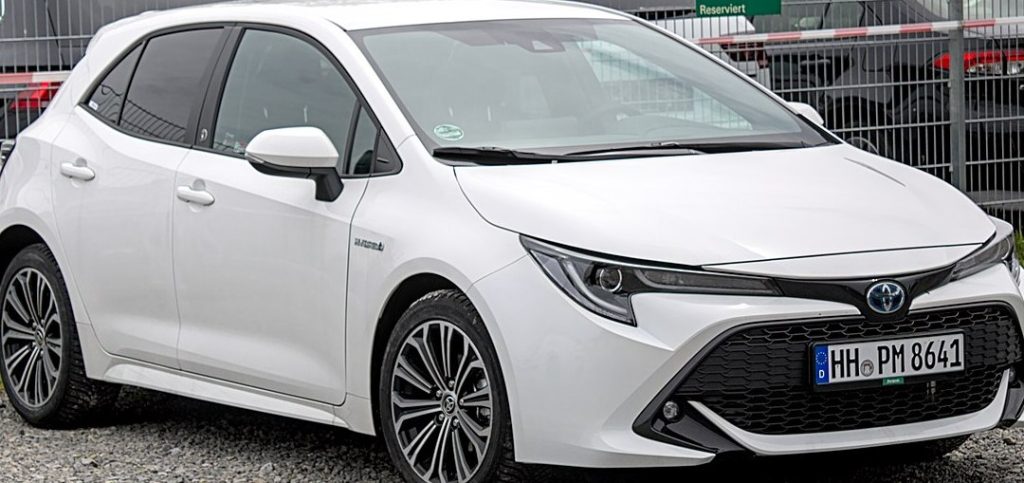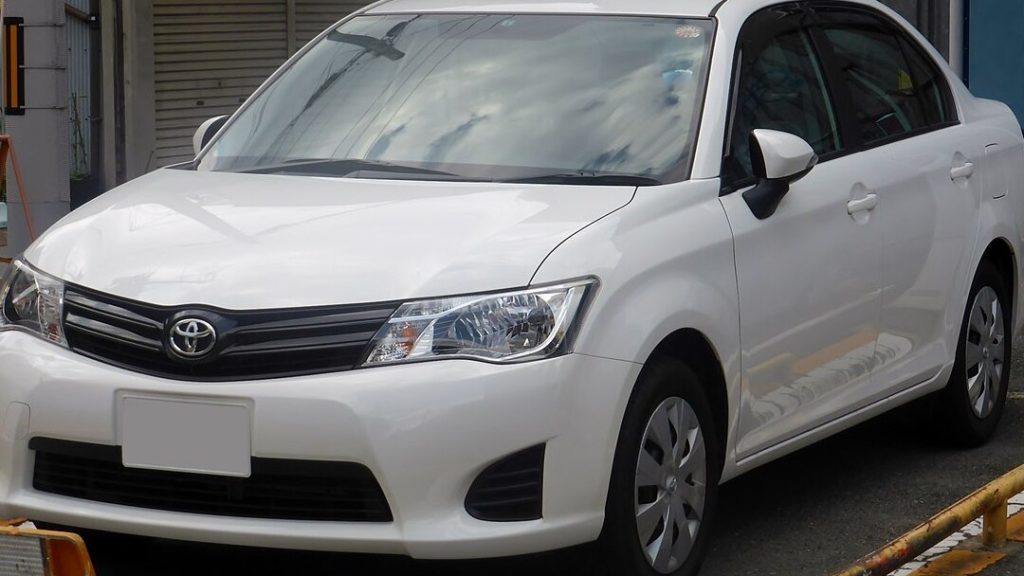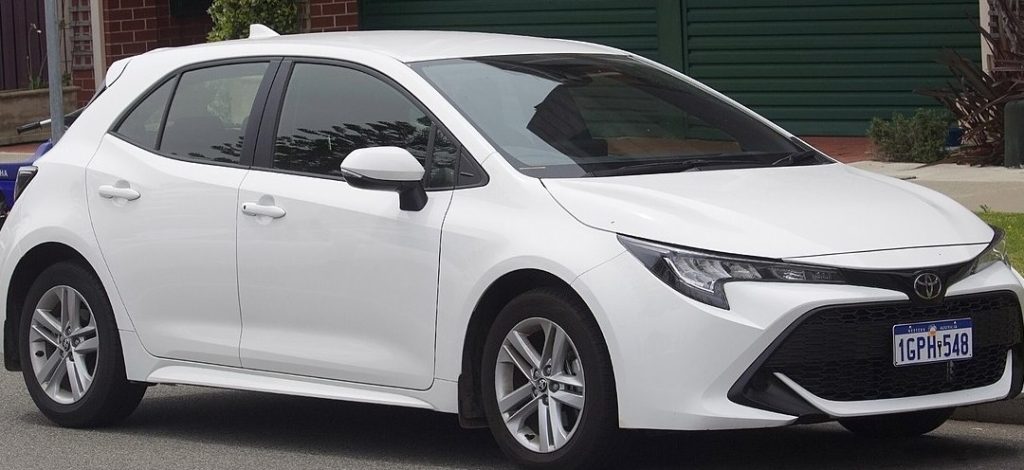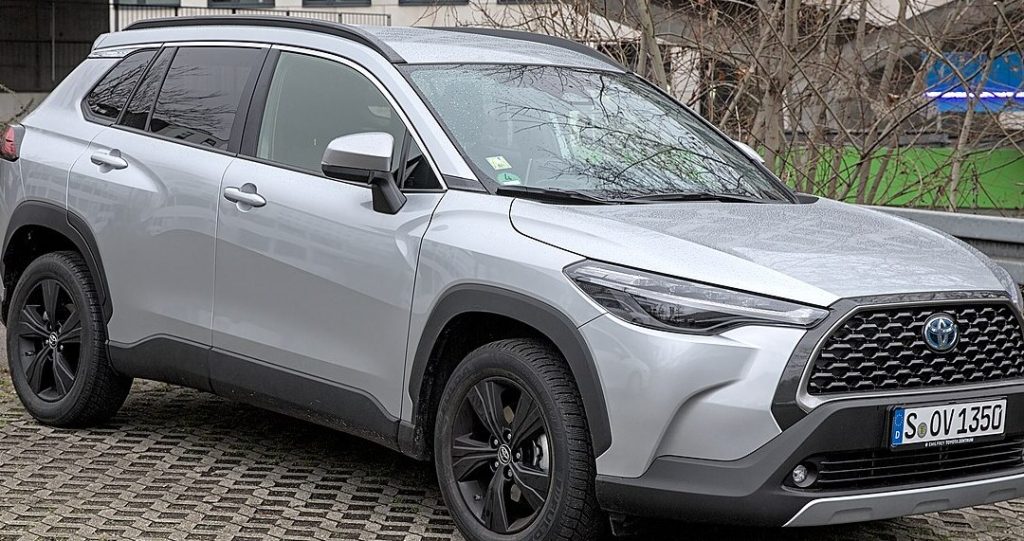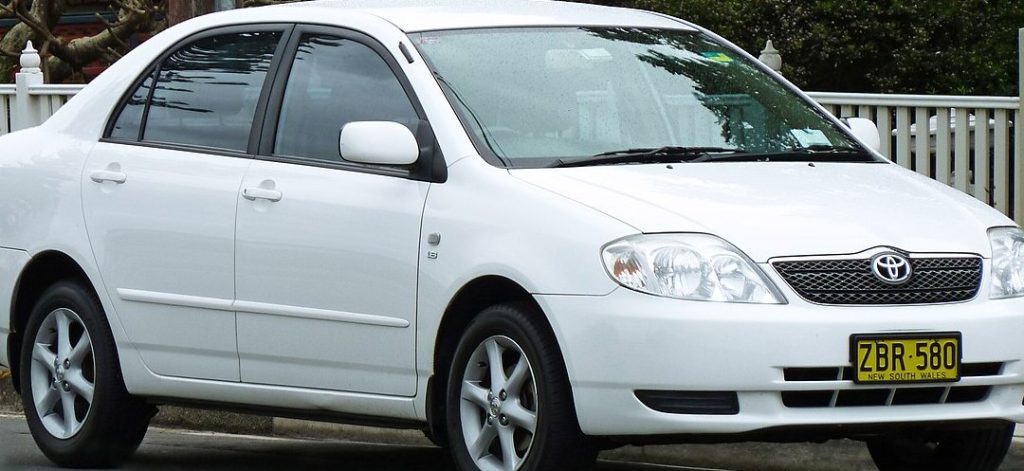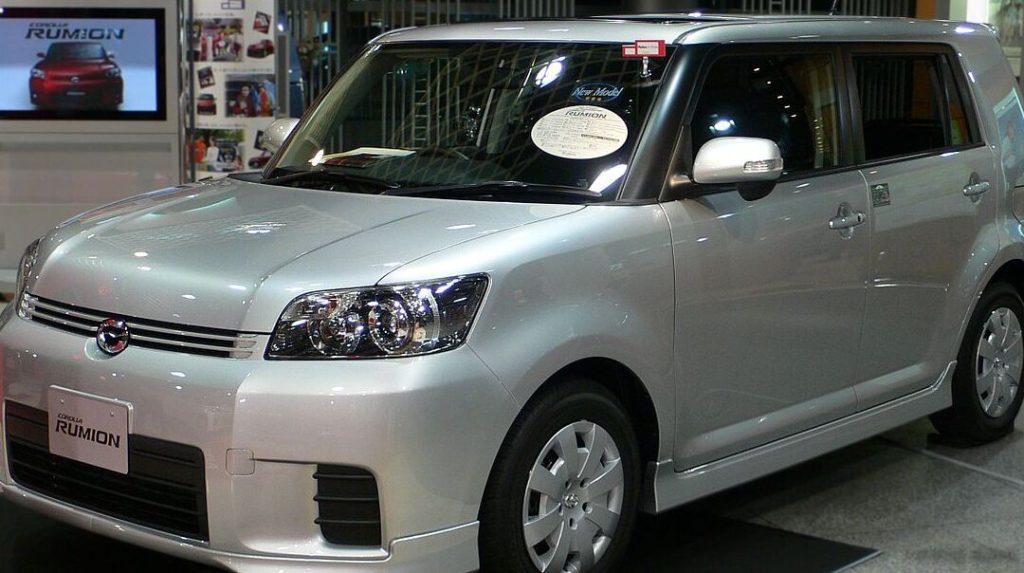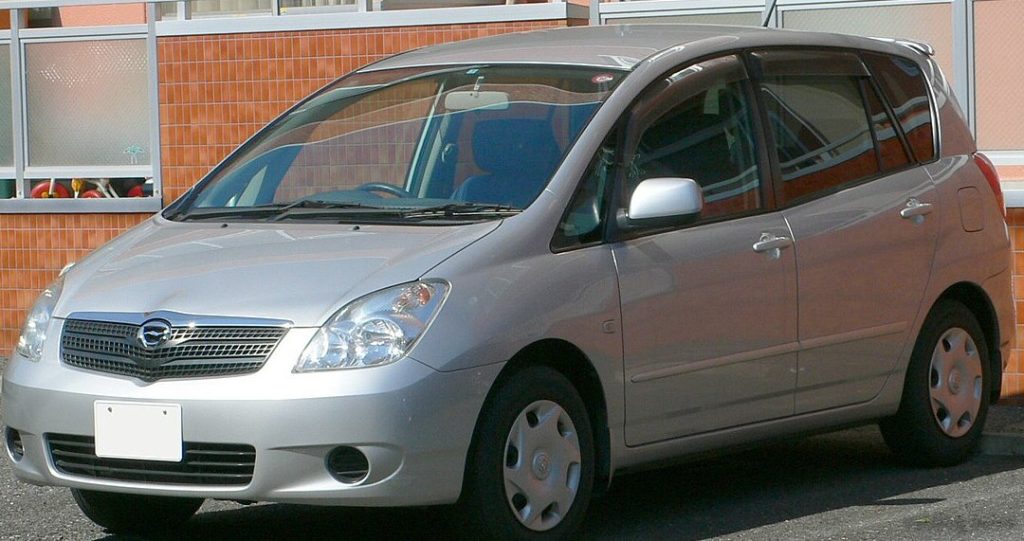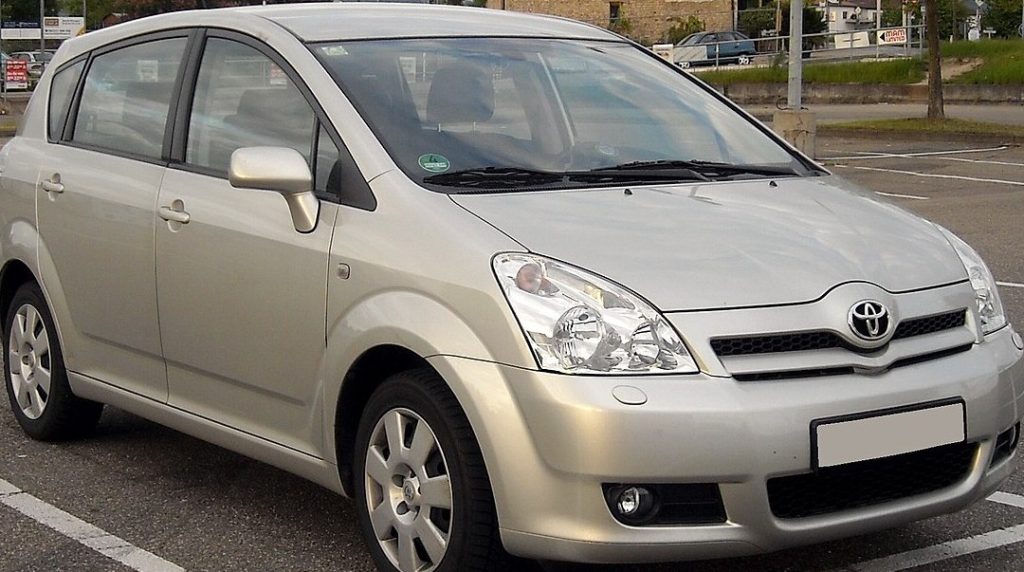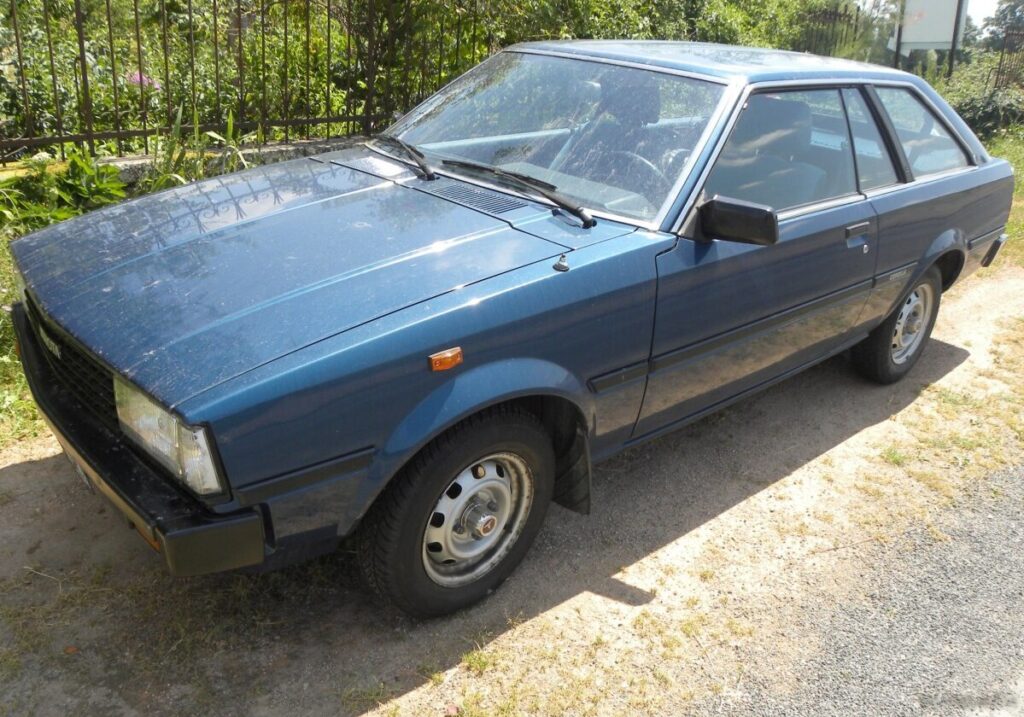
The Toyota Corolla E70, produced from 1979 to 1982, represented the fourth generation of Toyota’s globally successful Corolla line. Within this generation, the KE70 designation specifically identifies the 1.3-liter hatchback variant, a popular choice in many markets, particularly in Europe, Australia, and parts of Asia. This model aimed to provide affordable and reliable transportation, fitting into a segment increasingly focused on fuel efficiency and practicality. The KE70 1.3 offered a more compact and economical alternative to larger sedans, appealing to a broader customer base, especially younger drivers and those seeking a city car.
Technical Specifications
| Brand | Toyota |
| Model | Corolla |
| Generation | Corolla Hatch IV (E70) |
| Type (Engine) | 1.3 (KE70) (60 Hp) |
| Start of production | 1979 |
| End of production | 1982 |
| Powertrain Architecture | Internal Combustion engine |
| Body type | Hatchback |
| Seats | 5 |
| Doors | 3 |
| Fuel Type | Petrol (Gasoline) |
| Power | 60 Hp |
| Engine Model/Code | 4K |
| Engine aspiration | Naturally aspirated engine |
| Engine oil capacity | 3.5 l (3.7 US qt | 3.08 UK qt) |
| Coolant capacity | 6.2 l (6.55 US qt | 5.46 UK qt) |
Powertrain & Engine Architecture
The heart of the KE70 1.3 was the 4K engine, a 1.3-liter (1290 cc) inline-four cylinder gasoline engine. This engine was known for its simplicity and durability, characteristics highly valued by Toyota at the time. The 4K featured a single overhead camshaft (SOHC) valvetrain operating two valves per cylinder. Fuel delivery was managed by a Keihin carburetor, a common setup for vehicles of this era. The engine produced 60 horsepower at 6,000 rpm and approximately 78 lb-ft of torque at 3,600 rpm. The KE70 typically came equipped with a four-speed manual transmission, though a three-speed automatic transmission was also available, albeit less common. The automatic transmission was designed for smooth, comfortable operation rather than performance, prioritizing ease of use over spirited driving. The engine block was cast iron, contributing to its robustness, while the cylinder head was aluminum, helping to reduce weight.
Driving Characteristics
The KE70 1.3, particularly in automatic transmission guise, was not designed for rapid acceleration. Its 0-60 mph time was estimated to be around 16-18 seconds, making it a decidedly leisurely performer by modern standards. However, its strength lay in its usability and fuel efficiency. The automatic transmission provided a relaxed driving experience, especially in urban environments. Gear ratios were optimized for low-end torque and fuel economy, rather than high-speed cruising. The manual transmission version offered slightly more responsiveness, but even then, the 60 horsepower output limited its overall performance potential. The car felt light and nimble, making it easy to maneuver in tight spaces. Compared to other Corolla variants of the E70 generation, such as the 1.6-liter models, the 1.3 offered a more economical option, sacrificing some performance for improved fuel consumption.
Equipment & Trim Levels
The KE70 1.3 was generally offered in a relatively basic trim level, reflecting its position as an entry-level model. Standard features typically included cloth upholstery, vinyl floor covering, and a simple dashboard layout. Instrumentation was limited to a speedometer, fuel gauge, and temperature gauge. A basic AM radio was often included. Optional extras, depending on the market, could include a heater, upgraded upholstery, and a more sophisticated radio. The interior was functional and durable, prioritizing practicality over luxury. The exterior featured steel wheels, chrome bumpers, and relatively simple body trim. The hatchback configuration provided a reasonable amount of cargo space, making it suitable for everyday use.
Chassis & Braking
The KE70 utilized a rear-wheel-drive layout, a common configuration for cars of this era. The suspension consisted of independent front suspension with MacPherson struts and a live axle with leaf springs at the rear. This setup provided a comfortable ride, although it wasn’t particularly sporty. Braking was typically accomplished with drum brakes on all four wheels, although some markets offered front disc brakes as an option. The braking system was adequate for the car’s weight and performance, but lacked the stopping power of more modern systems. Steering was manual rack and pinion, providing a direct and responsive feel. The chassis was relatively lightweight, contributing to the car’s nimble handling characteristics.
Market Reception & Comparison
The KE70 1.3 was generally well-received as an affordable and reliable form of transportation. Critics praised its fuel efficiency and durability, but noted its lack of performance. Compared to other vehicles in its class, such as the Ford Fiesta or the Volkswagen Polo, the KE70 offered a compelling combination of price, reliability, and practicality. The automatic transmission version was particularly popular with drivers who prioritized ease of use over performance. Fuel economy was a key selling point, especially during the late 1970s and early 1980s when fuel prices were rising. The KE70’s simplicity also meant that maintenance costs were relatively low, making it an attractive option for budget-conscious buyers. Compared to the 1.6-liter Corolla variants, the 1.3 offered lower running costs but sacrificed some performance and refinement.
Legacy
The KE70 1.3 Corolla has developed a cult following among classic car enthusiasts. Its simplicity, reliability, and affordability have made it a popular choice for restoration projects and vintage racing. The 4K engine is known for its longevity and ease of maintenance, and parts are still relatively readily available. While not a high-performance vehicle, the KE70 1.3 represents a significant chapter in Toyota’s history, demonstrating the company’s commitment to building reliable and affordable cars. Today, well-maintained examples of the KE70 1.3 can fetch respectable prices in the used car market, particularly among collectors and enthusiasts. The car’s enduring appeal is a testament to its timeless design and enduring quality.