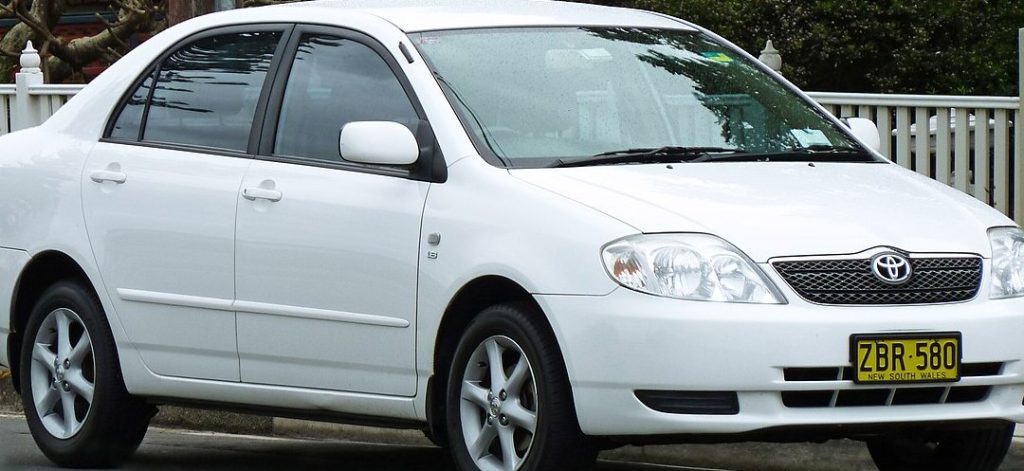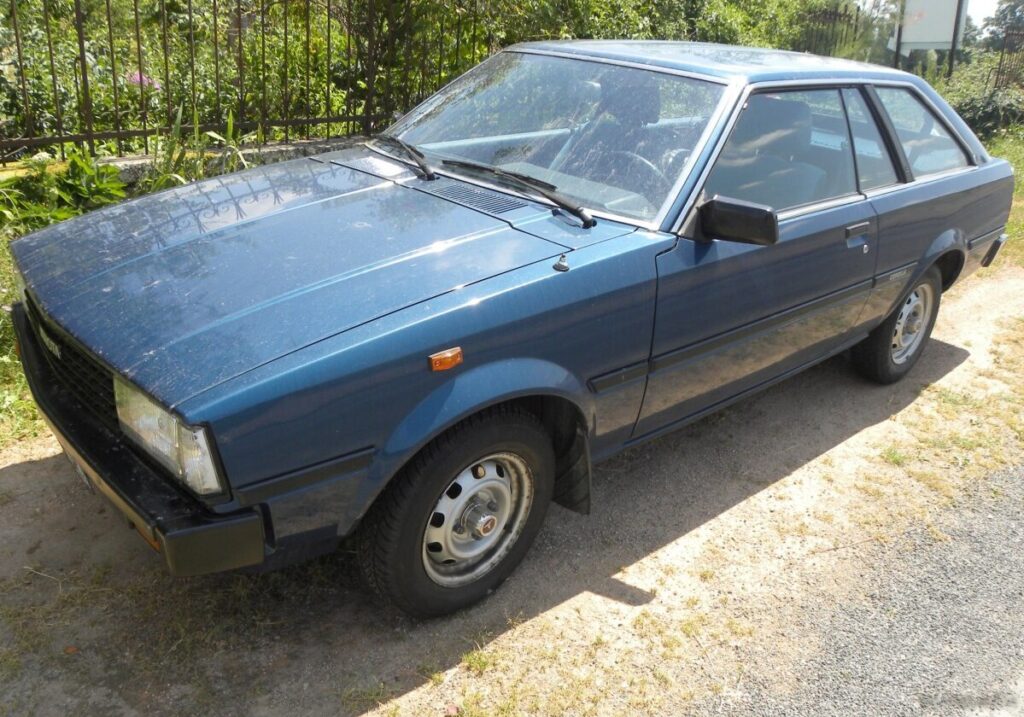
The Toyota Corolla E70, produced from 1979 to 1983, represented a significant step forward for Toyota’s popular compact car. Within the E70 series, the 1.3-liter (KE70) hatchback, generating 65 horsepower, occupied a crucial position as an entry-level offering, particularly in markets outside of North America. This variant was designed to provide affordable and reliable transportation, emphasizing fuel efficiency over outright performance. Production of this specific configuration ran from 1982 to 1983, bridging the gap between the earlier E70 models and the subsequent E80 generation. It was a key model in establishing the Corolla’s reputation for dependability and practicality.
Technical Specifications
| Brand | Toyota |
| Model | Corolla |
| Generation | Corolla Hatch IV (E70) |
| Type (Engine) | 1.3 (KE70) (65 Hp) |
| Start of production | 1982 |
| End of production | 1983 |
| Powertrain Architecture | Internal Combustion engine |
| Body type | Hatchback |
| Seats | 5 |
| Doors | 3 |
| Fuel Type | Petrol (Gasoline) |
| Power | 65 Hp |
| Engine Model/Code | 4K |
| Engine aspiration | Naturally aspirated engine |
| Engine oil capacity | 3.5 l (3.7 US qt | 3.08 UK qt) |
| Coolant capacity | 6.2 l (6.55 US qt | 5.46 UK qt) |
Powertrain & Engine Architecture
The heart of the KE70 was the 4K engine, a 1.3-liter (1290 cc) inline-four cylinder gasoline engine. This engine was known for its simplicity and durability, utilizing a single overhead camshaft (SOHC) design with two valves per cylinder. Fuel delivery was managed by a carburetor, a common feature for vehicles of this era, prioritizing reliability and ease of maintenance over the more complex fuel injection systems. The 4K engine produced 65 horsepower at 6,000 rpm and approximately 78 lb-ft of torque at 3,600 rpm. The engine block was cast iron, contributing to its robustness. The transmission paired with the 4K in the KE70 was typically a four-speed manual, though a three-speed automatic was also available, albeit less common. The automatic transmission was designed for smooth, economical operation, but at the expense of acceleration. The 4K engine was a derivative of the earlier 3K engine, benefitting from incremental improvements in materials and design.
Driving Characteristics
The 1.3-liter KE70 Corolla offered modest performance. Acceleration was adequate for city driving and highway merging required careful planning. The 65 horsepower engine, coupled with the relatively lightweight chassis, provided a reasonable driving experience, but it wasn’t designed for spirited driving. The four-speed manual transmission allowed drivers to maximize the engine’s power band, while the three-speed automatic prioritized comfort and ease of use. Gear ratios were relatively tall, emphasizing fuel economy. The suspension, consisting of MacPherson struts in the front and a leaf spring rear suspension, provided a comfortable ride, but handling was somewhat compromised by the rear suspension design. Compared to the larger-engined Corolla variants (like the 1.6L), the KE70 felt noticeably slower, particularly when fully loaded with passengers or cargo. The automatic transmission further reduced acceleration, making it the slowest variant in the E70 lineup.
Equipment & Trim Levels
The KE70 1.3-liter Corolla was typically offered in a base trim level, focusing on essential features. Standard equipment included cloth upholstery, vinyl floor covering, basic instrumentation (speedometer, fuel gauge, temperature gauge), and a two-spoke steering wheel. Optional extras were limited, but could include a radio, upgraded seat fabric, and occasionally, air conditioning depending on the market. The interior was functional and durable, prioritizing practicality over luxury. The dashboard layout was simple and straightforward, with easily accessible controls. Exterior features typically included steel wheels with hubcaps, black plastic bumpers, and basic exterior trim. The KE70 was often seen as a blank canvas for personalization, with many owners adding aftermarket accessories like upgraded wheels and audio systems.
Chassis & Braking
The E70 Corolla utilized a body-on-frame construction, contributing to its durability and ease of repair. The front suspension featured MacPherson struts, providing a comfortable ride and reasonable handling. The rear suspension employed a leaf spring setup, which was cost-effective but less sophisticated than independent suspension systems. Braking was typically accomplished with drum brakes on all four wheels, although some markets offered front disc brakes as an option. The braking system was adequate for the vehicle’s weight and performance, but lacked the stopping power of more modern braking systems. Steering was manual rack and pinion, providing a direct and responsive feel. The chassis was designed to be lightweight and rigid, contributing to the Corolla’s overall handling characteristics.
Market Reception & Comparison
The KE70 1.3-liter Corolla was well-received in markets where affordability and fuel efficiency were paramount. It was particularly popular in Europe, Australia, and parts of Asia. Critics praised its reliability, low running costs, and ease of maintenance. However, its modest performance and basic features were often noted. Compared to other vehicles in its class, such as the Ford Escort and Volkswagen Golf, the Corolla offered a compelling combination of value and dependability. The 1.6-liter Corolla variants offered significantly more performance, but at a higher price point. The KE70’s fuel economy was a key selling point, particularly during the oil crises of the 1970s and early 1980s. Its simplicity also made it a favorite among amateur mechanics.
Legacy
The Toyota Corolla E70, and specifically the 1.3-liter (KE70) variant, cemented the Corolla’s reputation as a reliable and affordable compact car. The 4K engine proved to be exceptionally durable, with many examples still running today. In the used car market, KE70s are increasingly sought after by enthusiasts and collectors, particularly those interested in classic Japanese cars. While not a high-performance vehicle, the KE70 offers a unique driving experience and a connection to Toyota’s heritage. Its simplicity and ease of maintenance make it an attractive option for those seeking a classic car that is relatively easy to keep on the road. The KE70’s enduring popularity is a testament to Toyota’s commitment to quality and reliability.