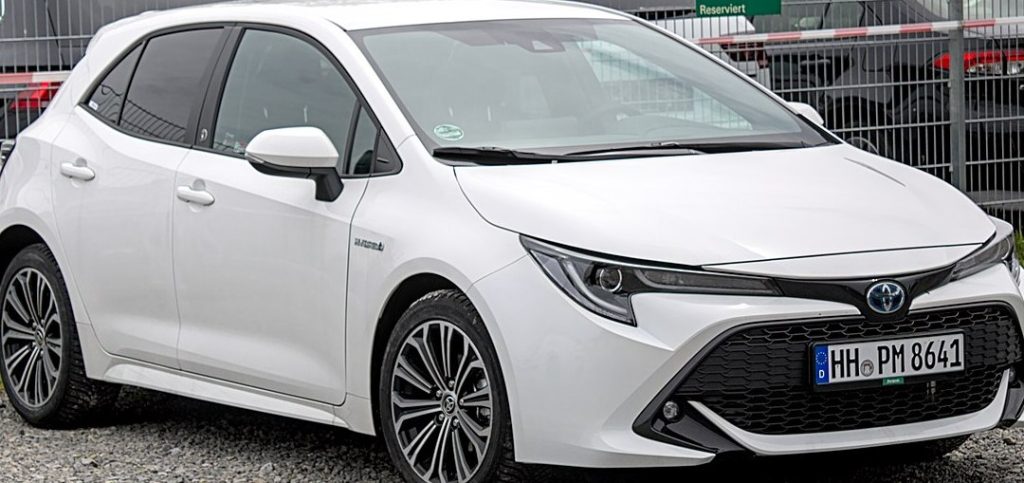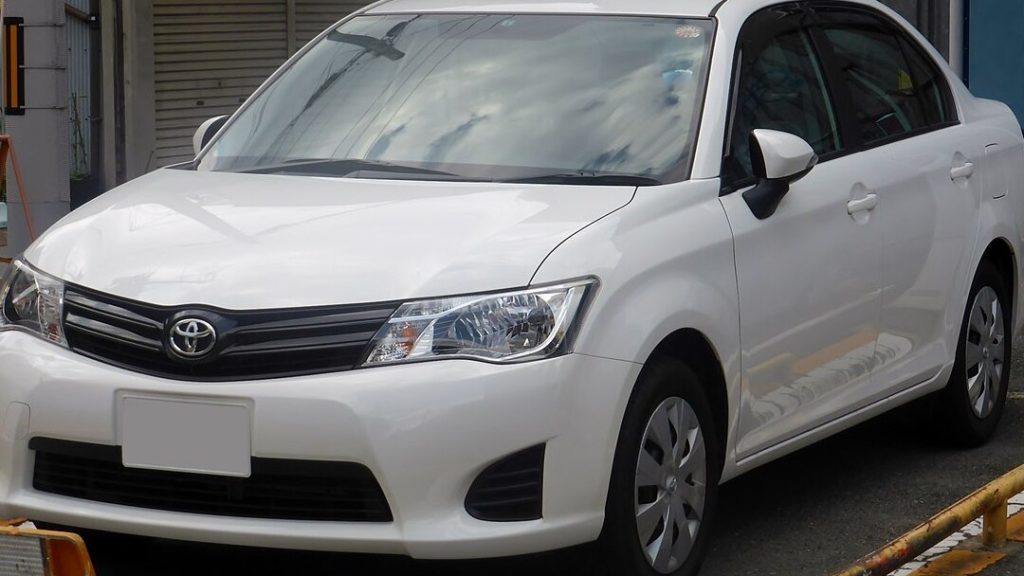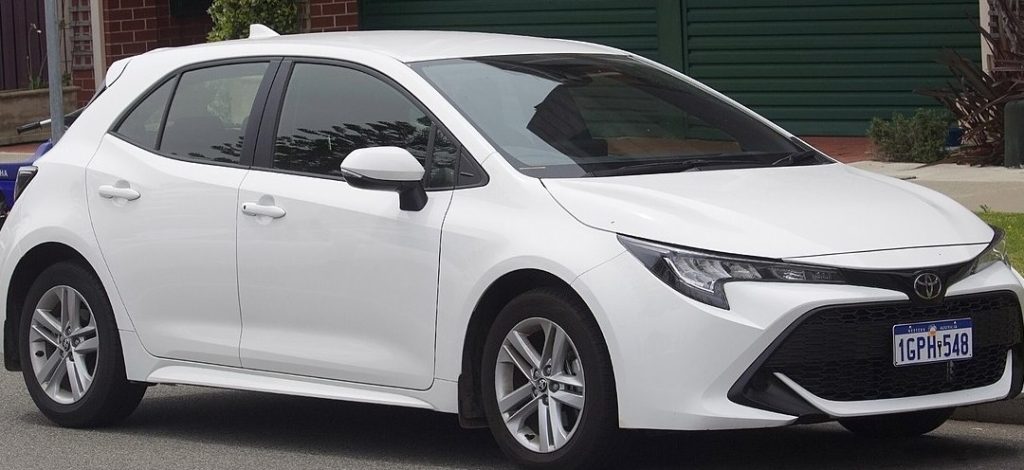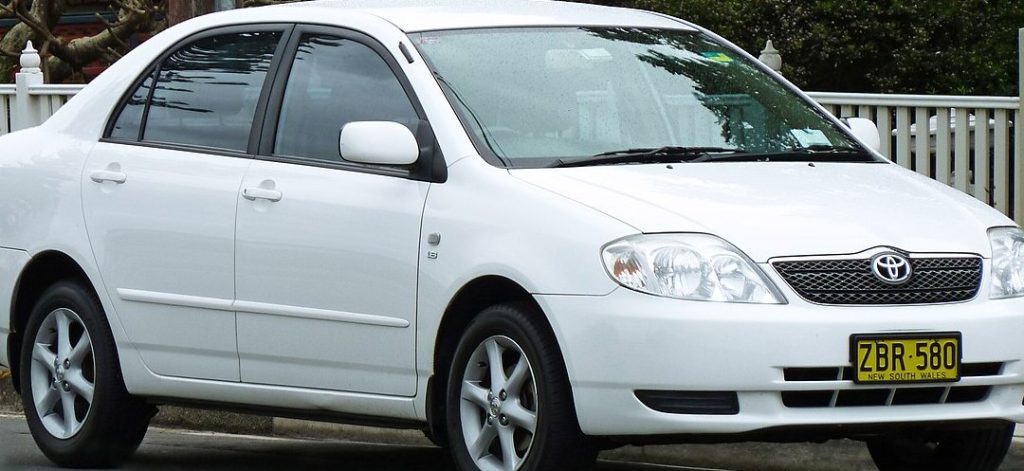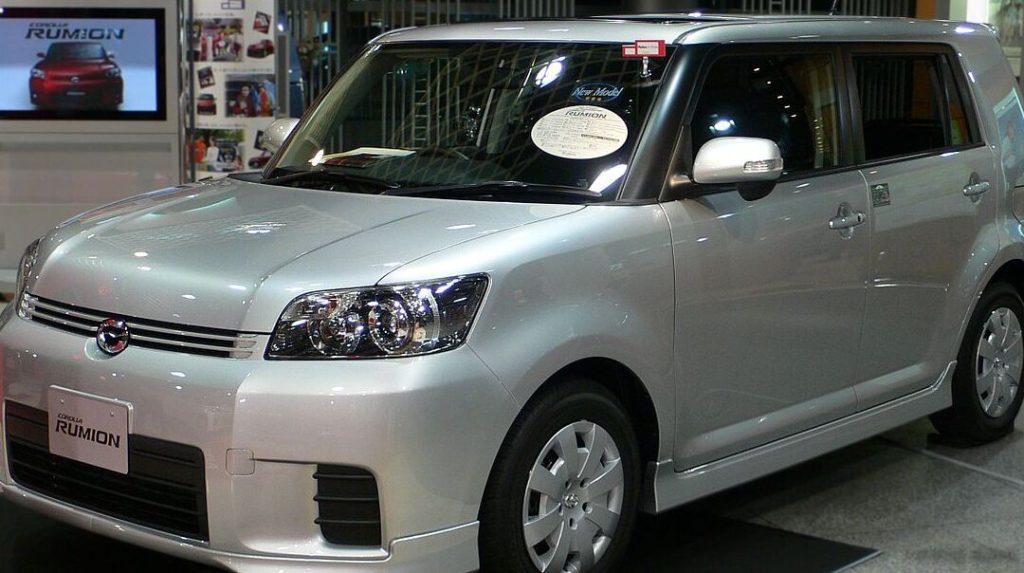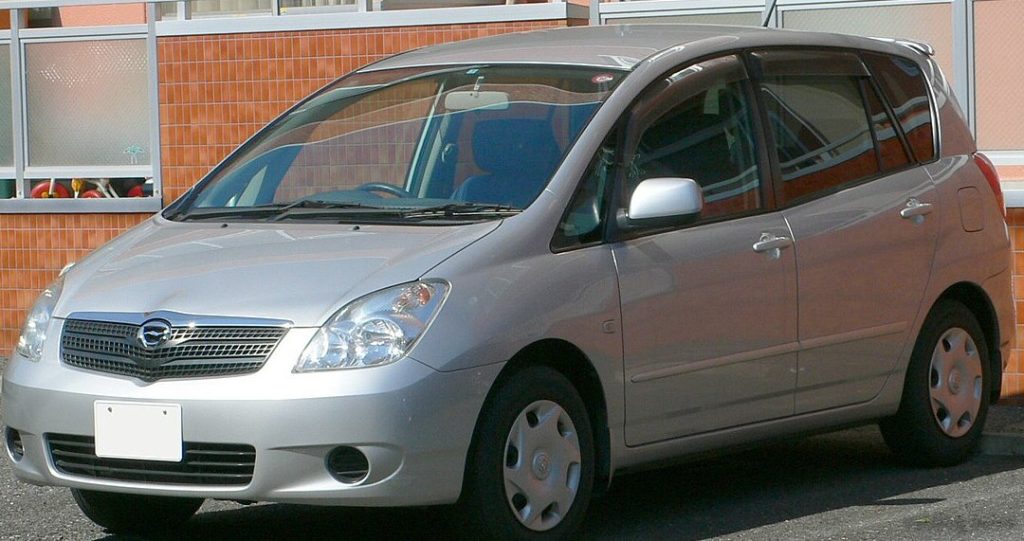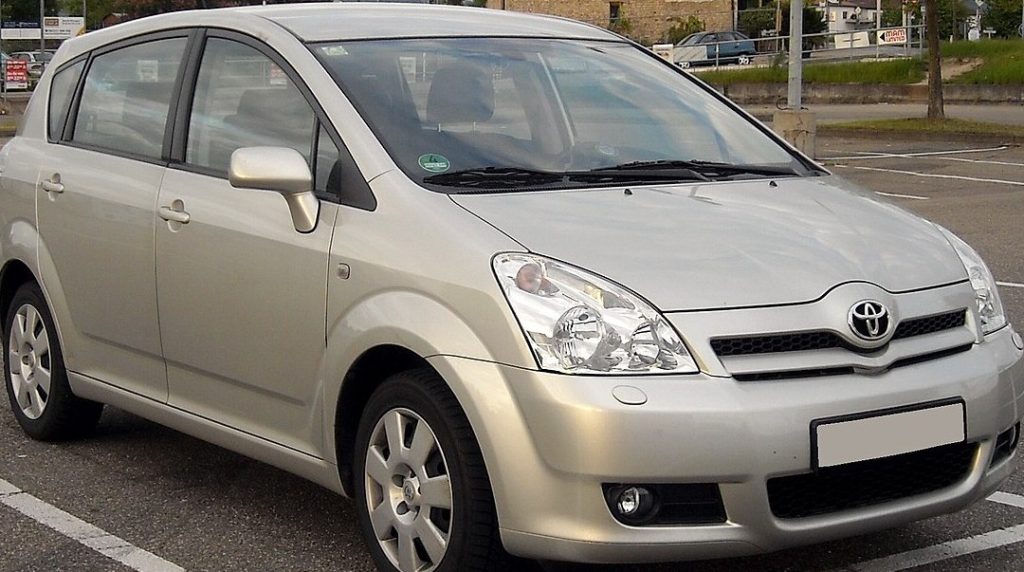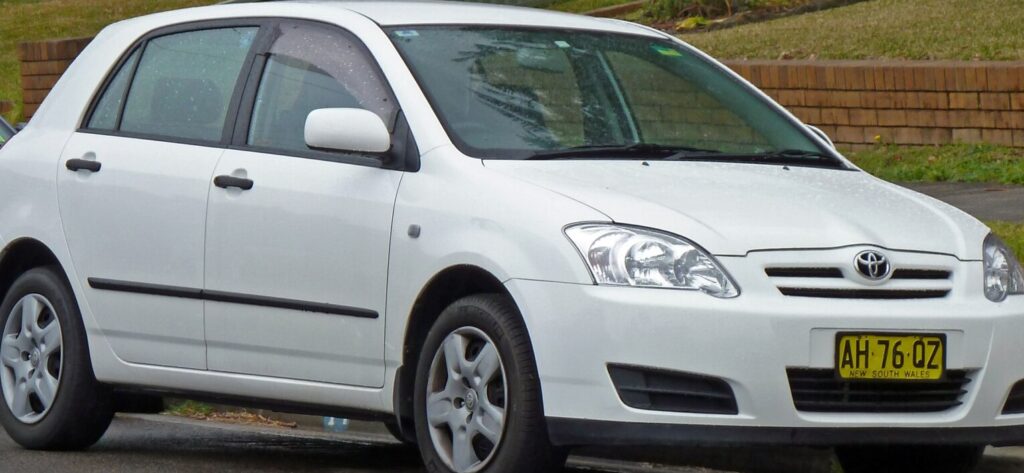
The Toyota Corolla Hatchback, specifically the E120/E130 generation produced between 2001 and 2006, represented a significant shift for the Corolla line in many markets, particularly Europe. While the Corolla sedan maintained its traditional appeal, the hatchback offered a more youthful and practical alternative. The 1.4 i 16V variant, producing 97 horsepower, served as the entry point into the range, aimed at buyers prioritizing fuel efficiency and affordability. This model occupied a crucial position, offering a balance between cost and usability within the broader Corolla lineup. It was often seen as a direct competitor to vehicles like the Volkswagen Golf and Ford Focus in the compact hatchback segment.
Technical Specifications
| Brand | Toyota |
| Model | Corolla |
| Generation | Corolla Hatch IX (E120, E130) |
| Type (Engine) | 1.4 i 16V (97 Hp) |
| Start of production | 2001 |
| End of production | 2006 |
| Powertrain Architecture | Internal Combustion engine |
| Body type | Hatchback |
| Seats | 5 |
| Doors | 3-5 |
| Fuel consumption (urban) | 8.4 l/100 km (28 US mpg, 33.6 UK mpg, 11.9 km/l) |
| Fuel consumption (extra urban) | 5.7 l/100 km (41.3 US mpg, 49.6 UK mpg, 17.5 km/l) |
| Fuel Type | Petrol (Gasoline) |
| Acceleration 0 – 100 km/h | 12 sec |
| Acceleration 0 – 62 mph | 12 sec |
| Acceleration 0 – 60 mph | 11.4 sec |
| Maximum speed | 185 km/h (114.95 mph) |
| Weight-to-power ratio | 11.6 kg/Hp, 86.2 Hp/tonne |
| Weight-to-torque ratio | 8.7 kg/Nm, 115.6 Nm/tonne |
| Power | 97 Hp @ 6000 rpm |
| Power per litre | 69.4 Hp/l |
| Torque | 130 Nm @ 4400 rpm (95.88 lb.-ft. @ 4400 rpm) |
| Engine layout | Front, Transverse |
| Engine Model/Code | 4ZZ-FE |
| Engine displacement | 1398 cm3 (85.31 cu. in.) |
| Number of cylinders | 4 |
| Engine configuration | Inline |
| Cylinder Bore | 79 mm (3.11 in.) |
| Piston Stroke | 71.3 mm (2.81 in.) |
| Compression ratio | 10.5:1 |
| Number of valves per cylinder | 4 |
| Fuel injection system | Multi-port manifold injection |
| Engine aspiration | Naturally aspirated engine |
| Valvetrain | DOHC |
| Engine oil capacity | 4.2 l (4.44 US qt | 3.7 UK qt) |
| Coolant capacity | 6.5 l (6.87 US qt | 5.72 UK qt) |
| Kerb Weight | 1125 kg (2480.2 lbs.) |
| Max. weight | 1655 kg (3648.65 lbs.) |
| Max load | 530 kg (1168.45 lbs.) |
| Trunk (boot) space – minimum | 289 l (10.21 cu. ft.) |
| Trunk (boot) space – maximum | 960 l (33.9 cu. ft.) |
| Fuel tank capacity | 55 l (14.53 US gal | 12.1 UK gal) |
| Length | 4180 mm (164.57 in.) |
| Width | 1710 mm (67.32 in.) |
| Height | 1475 mm (58.07 in.) |
| Wheelbase | 2600 mm (102.36 in.) |
| Front track | 1490 mm (58.66 in.) |
| Rear track | 1470 mm (57.87 in.) |
| Drivetrain Architecture | Front wheel drive |
| Drive wheel | Front wheel drive |
| Number of gears | 5 gears, manual transmission |
| Front suspension | Spring Strut |
| Rear suspension | Coil spring |
| Front brakes | Ventilated discs |
| Rear brakes | Disc |
| Assisting systems | ABS (Anti-lock braking system) |
| Steering type | Steering rack and pinion |
| Tires size | 175/65 R14 |
Powertrain & Engine Architecture
The heart of the 1.4 i 16V Corolla Hatchback was the 4ZZ-FE engine, a 1.4-liter (1398 cc) inline-four cylinder gasoline engine. This engine utilized a double overhead camshaft (DOHC) valvetrain with four valves per cylinder, contributing to its relatively efficient operation. Fuel delivery was handled by a multi-port fuel injection system. The 4ZZ-FE was known for its reliability, though it wasn’t a powerhouse. The engine produced 97 horsepower at 6000 rpm and 130 Nm (95.88 lb-ft) of torque at 4400 rpm. The engine’s design prioritized fuel economy and smooth operation over outright performance. The transmission offered was typically a five-speed manual, although a four-speed automatic was also available, impacting the overall driving experience.
Driving Characteristics
The 1.4L engine paired with the five-speed manual transmission provided adequate, though not exhilarating, performance. Acceleration from 0-60 mph took around 11.4 seconds, and top speed was approximately 115 mph. The engine felt somewhat strained at higher speeds or when carrying a full load. The automatic transmission, while offering convenience, further diminished acceleration and responsiveness. Gear ratios were tuned for economy, meaning the engine often needed to be revved to access its limited power band. Compared to the more powerful 1.6L or 1.8L variants, the 1.4L felt noticeably slower, particularly during overtaking maneuvers. However, its lighter weight and efficient engine contributed to better fuel economy.
Equipment & Trim Levels
The 1.4 i 16V typically represented the base trim level for the Corolla Hatchback. Standard equipment generally included power steering, central locking, electric front windows, and an immobilizer system. Air conditioning was often an optional extra. Interior upholstery was typically cloth, and the dashboard featured a functional, if somewhat basic, design. Higher trim levels added features like alloy wheels, a CD player, and upgraded interior trim. Safety features included dual front airbags and ABS brakes as standard.
Chassis & Braking
The Corolla Hatchback utilized a front-wheel-drive layout with a MacPherson strut front suspension and a coil spring rear suspension. The suspension was tuned for comfort rather than sporty handling. Braking consisted of ventilated discs on the front wheels and solid discs on the rear. ABS (Anti-lock Braking System) was standard, enhancing safety. The relatively lightweight nature of the 1.4L model contributed to reasonable braking performance. Stabilizer bars were present, but were relatively thin compared to those found on higher-spec models.
Market Reception & Comparison
The 1.4 i 16V Corolla Hatchback was generally well-received as a practical and economical choice. Critics praised its reliability and fuel efficiency, but noted its lack of outright performance. Compared to the 1.6L and 1.8L variants, the 1.4L offered significantly lower running costs but at the expense of driving enjoyment. The 1.6L offered a noticeable performance boost, while the 1.8L provided a more refined driving experience. In terms of fuel economy, the 1.4L consistently outperformed its larger-engined siblings. The 1.4L appealed to buyers who prioritized affordability and practicality over performance.
Legacy
The 4ZZ-FE engine, found in the 1.4L Corolla Hatchback, is known for its durability and relatively low maintenance costs. While not a particularly exciting engine, it proved to be exceptionally reliable over the long term. Today, these Corollas are often found as affordable and dependable used cars. Common issues are relatively minor, often related to age and wear and tear rather than inherent engine flaws. The 1.4L variant remains a popular choice for those seeking a budget-friendly and reliable hatchback, particularly in markets where fuel efficiency is a key consideration. Its simplicity and robust design contribute to its continued presence on the roads.