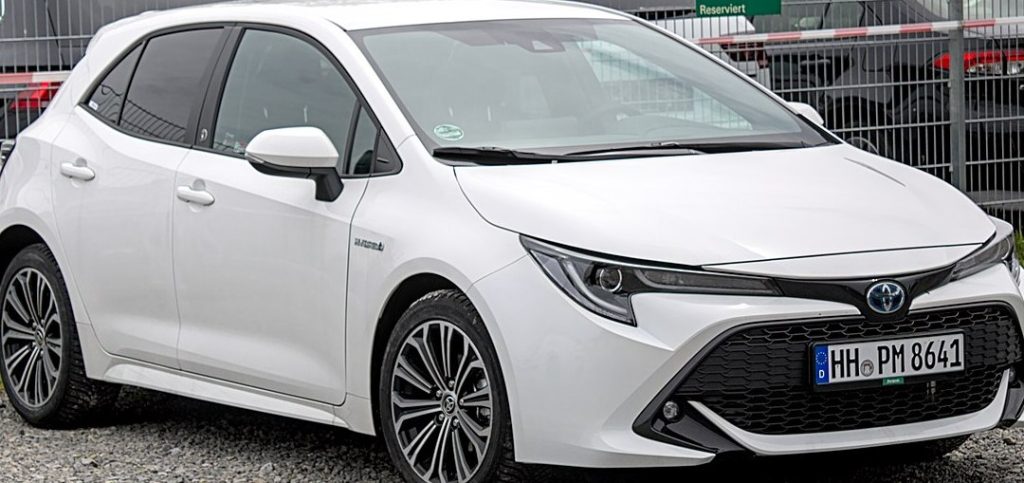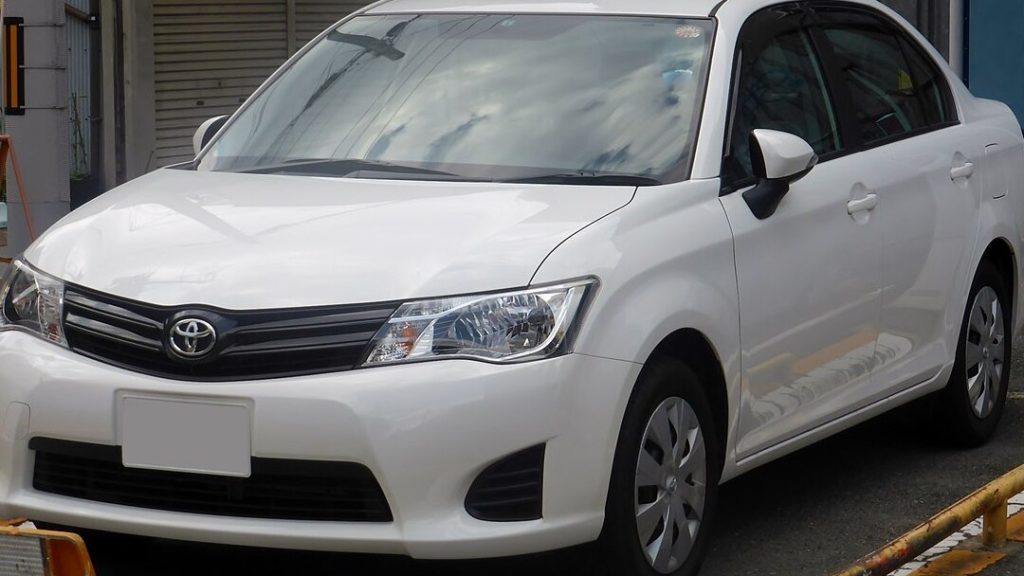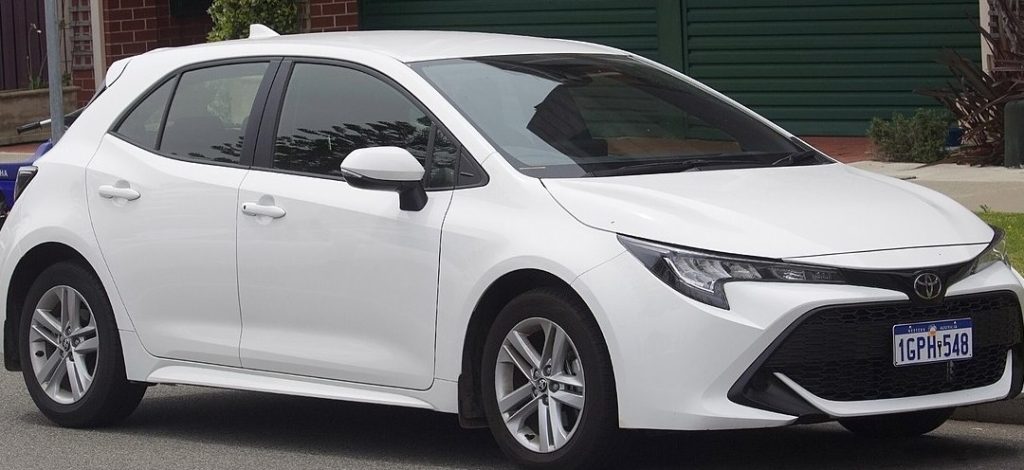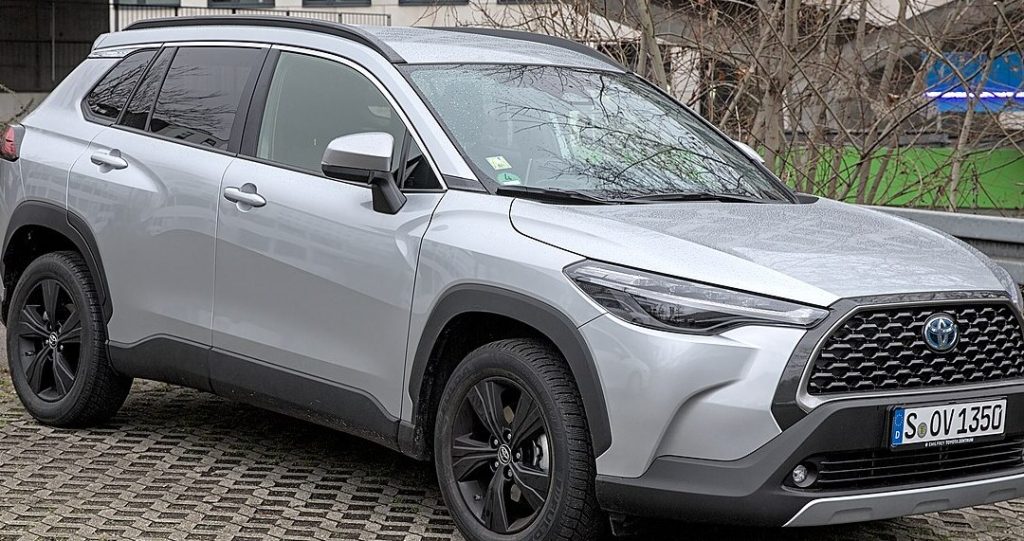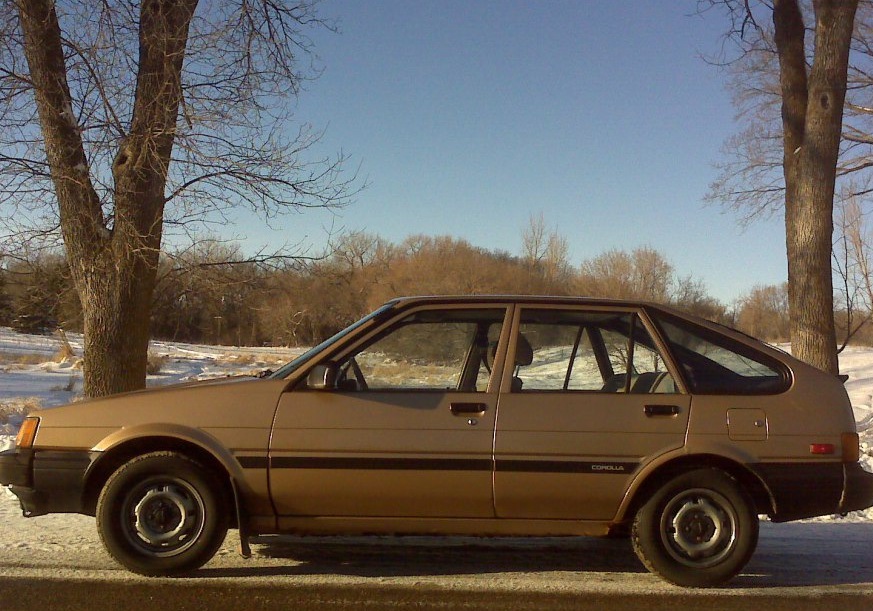
The Toyota Corolla E80, specifically the 1.3-liter (EE80) variant producing 75 horsepower, represents an important iteration in the Corolla’s long and successful history. Produced between 1985 and 1987, this model was a key part of the fifth-generation Corolla lineup, known internally as the E80 series. This generation marked a significant shift towards more modern styling and engineering for Toyota, and the E80 hatchback, in particular, gained popularity as an affordable and practical family vehicle, especially in European and Asian markets. The 1.3L engine served as the entry point to the E80 range, offering a balance of economy and usability.
Technical Specifications
| Brand | Toyota |
| Model | Corolla |
| Generation | Corolla Hatch V (E80) |
| Type (Engine) | 1.3 (EE80) (75 Hp) |
| Start of production | 1985 |
| End of production | 1987 |
| Powertrain Architecture | Internal Combustion engine |
| Body type | Hatchback |
| Seats | 5 |
| Doors | 5 |
| Fuel Type | Petrol (Gasoline) |
| Power | 75 Hp |
| Engine Model/Code | 2E-LU |
| Engine aspiration | Naturally aspirated engine |
| Engine oil capacity | 3.2 l / 3.38 US qt / 2.82 UK qt |
Powertrain & Engine Architecture
The heart of the E80 1.3 was the 2E-LU engine, a 1.3-liter (1296 cc) inline-four cylinder gasoline engine. This engine was a relatively simple design, utilizing a single overhead camshaft (SOHC) valvetrain with two valves per cylinder. The 2E-LU featured a cast iron block and an aluminum cylinder head, a common configuration for engines of this era. Fuel delivery was managed by a carburetor, a technology still prevalent in the mid-1980s, offering a balance between cost and acceptable performance. While not particularly powerful, the 2E-LU was known for its reliability and fuel efficiency. The engine produced 75 horsepower at 6,000 rpm and approximately 88 lb-ft of torque at 3,600 rpm. The transmission paired with this engine was typically a four-speed automatic, although a five-speed manual transmission was also available. The automatic transmission was designed for smooth, comfortable operation rather than sporty performance, with relatively wide gear ratios prioritizing fuel economy.
Driving Characteristics
The Corolla E80 1.3 with the automatic transmission offered a decidedly unhurried driving experience. Acceleration was modest, with a 0-60 mph time estimated to be around 14-16 seconds. The automatic transmission, while providing convenience, did sap some of the engine’s limited power. Gear changes were generally smooth, but not particularly quick or responsive. The focus was clearly on providing a comfortable and economical ride. Compared to the slightly more powerful 1.6-liter versions of the E80, the 1.3 felt noticeably slower, especially when fully loaded or climbing hills. However, the 1.3’s lighter weight and simpler mechanicals contributed to its fuel efficiency, making it a popular choice for urban commuting. The suspension, while basic, provided a reasonably comfortable ride, absorbing bumps and imperfections in the road surface adequately. Steering was light and easy, making the car maneuverable in tight spaces.
Equipment & Trim Levels
The E80 1.3 typically represented the base trim level within the Corolla range. Standard equipment generally included cloth upholstery, a basic AM/FM radio, and manual windows and door locks. Air conditioning was often an optional extra, as were power steering and upgraded audio systems. Interior plastics were durable but not particularly luxurious. The dashboard layout was functional and straightforward, with clearly labeled controls. The hatchback configuration provided a good level of practicality, with a reasonably spacious cargo area that could be expanded by folding down the rear seats. Trim levels varied slightly depending on the market, with some regions offering additional features such as a digital clock or a more comprehensive instrument cluster.
Chassis & Braking
The E80 Corolla utilized a front-engine, front-wheel-drive layout. The suspension consisted of MacPherson struts at the front and a torsion beam axle at the rear. This setup provided a good balance between ride comfort and handling. Braking was typically accomplished with disc brakes at the front and drum brakes at the rear. The braking system was adequate for the car’s weight and performance, but lacked the stopping power of more modern vehicles. Steering was rack-and-pinion, providing reasonably precise control. The chassis was relatively lightweight, contributing to the car’s fuel efficiency and maneuverability. Stabilizer bars were often omitted on the base 1.3 model to keep costs down, resulting in slightly more body roll during cornering compared to higher-spec versions.
Market Reception & Comparison
The Toyota Corolla E80 1.3 was generally well-received by critics as a practical and reliable family car. It was praised for its fuel efficiency, affordability, and ease of maintenance. However, it was also criticized for its lack of power and somewhat basic interior. Compared to other cars in its class, such as the Volkswagen Golf or the Ford Escort, the Corolla offered a reputation for exceptional reliability and longevity. The 1.6-liter Corolla models offered significantly more performance, but at a higher price point. The 1.3L automatic was often seen as the ideal choice for drivers who prioritized economy and convenience over outright speed. Fuel economy figures were typically in the range of 35-40 mpg, making it an attractive option for budget-conscious buyers.
Legacy
The Toyota Corolla E80 1.3, while not the most powerful or exciting version of the E80, has proven to be remarkably durable over the years. Many examples are still on the road today, a testament to Toyota’s engineering and build quality. The 2E-LU engine is known for its longevity and relatively simple maintenance requirements. In the used car market, these Corollas are often sought after by enthusiasts looking for a classic, reliable, and affordable vehicle. Parts availability remains good, and the car’s simple mechanicals make it relatively easy to repair. The E80 1.3 represents a significant chapter in the Corolla’s history, demonstrating Toyota’s commitment to building practical, dependable, and fuel-efficient vehicles.