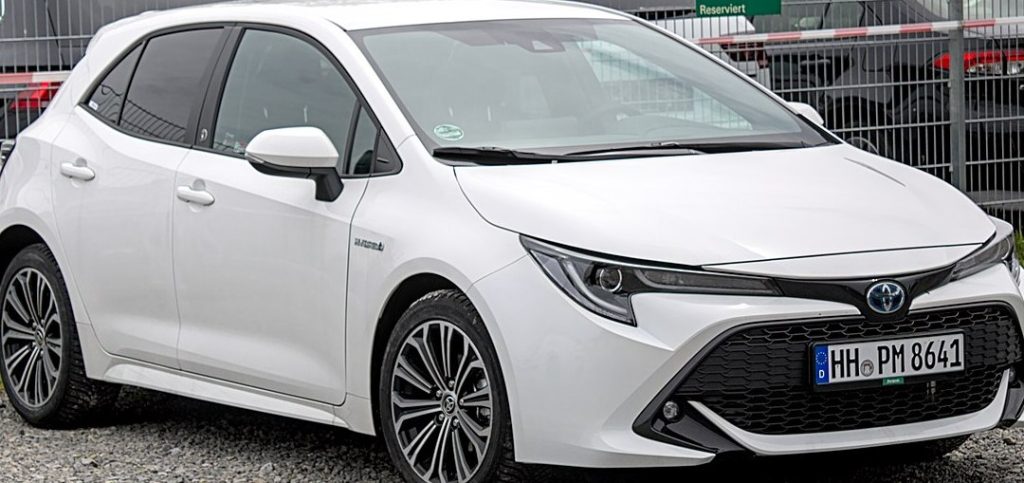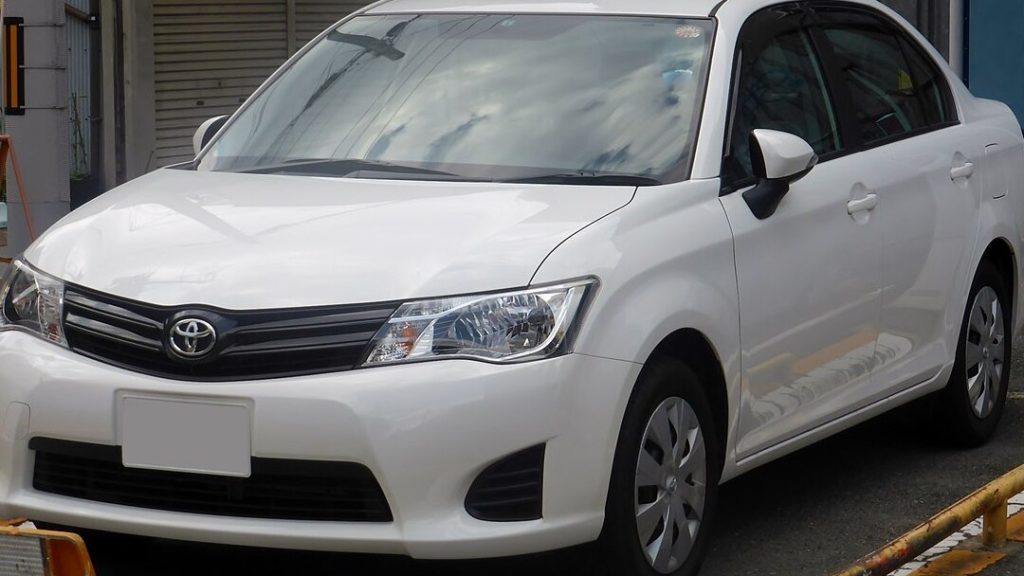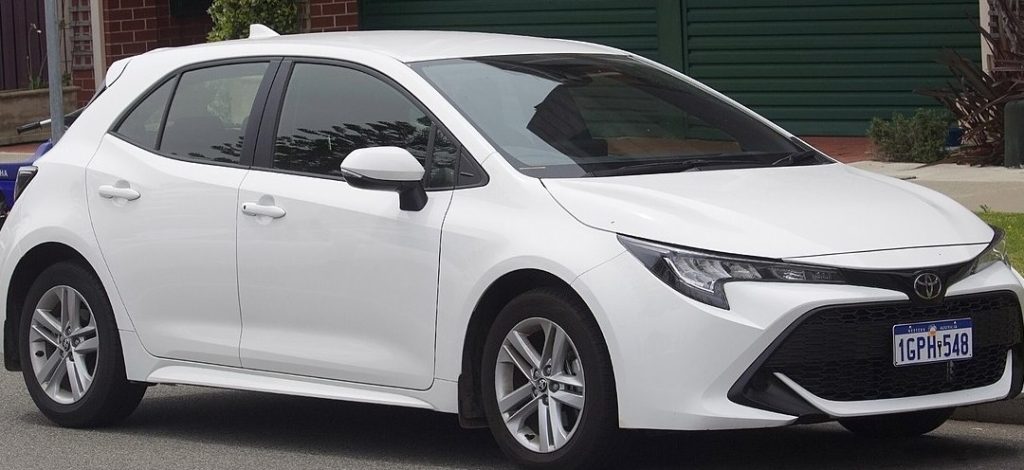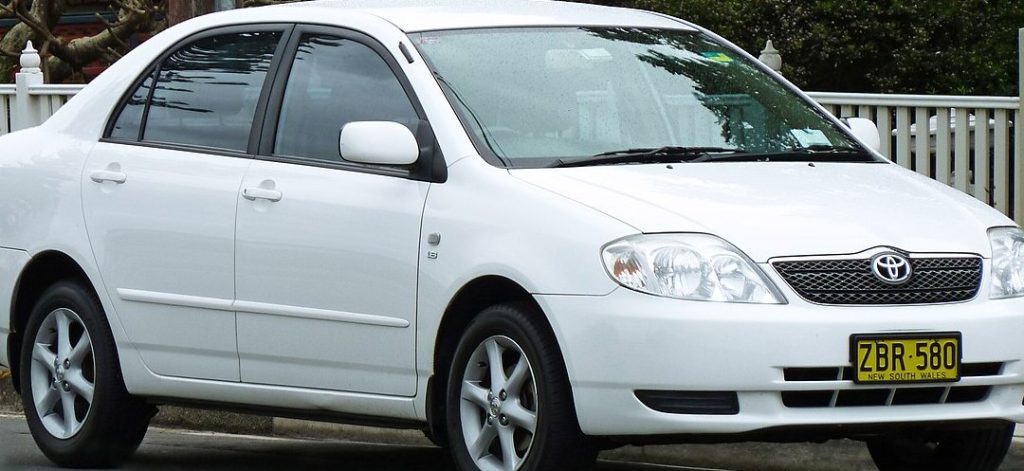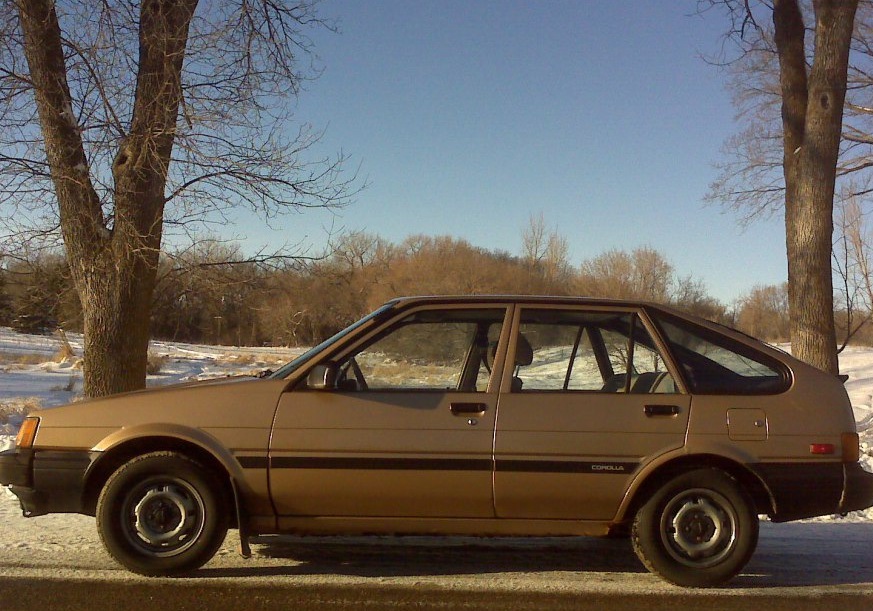
The Toyota Corolla Hatch V (E80) 1.6, designated as the AE82, represents an entry-level variant of the fifth-generation Corolla hatchback produced between 1985 and 1987. Positioned as the base model within the E80 series, it offered affordable and reliable transportation, primarily targeting budget-conscious buyers. This model played a significant role in solidifying the Corolla’s reputation for dependability and fuel efficiency in markets where compact hatchbacks were gaining popularity. While not known for outright performance, the AE82 provided a practical and economical option within the broader Corolla lineup.
Technical Specifications
| Brand | Toyota |
| Model | Corolla |
| Generation | Corolla Hatch V (E80) |
| Type (Engine) | 1.6 (AE82) (73 Hp) |
| Start of production | 1985 |
| End of production | 1987 |
| Powertrain Architecture | Internal Combustion engine |
| Body type | Hatchback |
| Seats | 5 |
| Doors | 5 |
| Fuel Type | Petrol (Gasoline) |
| Power | 73 Hp |
| Engine Model/Code | 2E-LU |
| Engine aspiration | Naturally aspirated engine |
| Engine oil capacity | 3.2 l / 3.38 US qt | 2.82 UK qt |
Powertrain & Engine Architecture
The AE82 Corolla 1.6 was powered by the 2E-LU engine, a 1.6-liter inline-four cylinder gasoline engine. This engine was a relatively simple design, featuring a single overhead camshaft (SOHC) and two valves per cylinder. The 2E-LU utilized a carburetor fuel delivery system, a common feature for vehicles of this era, rather than fuel injection. This carburetor setup contributed to its simplicity and lower production cost, but also resulted in slightly lower fuel efficiency and emissions compared to later fuel-injected models. The engine produced 73 horsepower and approximately 99 lb-ft of torque. The engine block was cast iron, providing durability, while the cylinder head was aluminum, helping to reduce weight. The transmission was typically a four-speed automatic, although a five-speed manual transmission was also available as an option. The automatic transmission was designed for smooth, comfortable operation rather than sporty performance, with relatively wide gear ratios prioritizing fuel economy.
Driving Characteristics
The driving experience in the AE82 1.6 Automatic was characterized by its practicality and ease of use. Acceleration was modest, with 0-60 mph times estimated around 13-15 seconds. The automatic transmission, while smooth, didn’t offer particularly quick shifts, and the engine felt somewhat strained when pushed hard. The gear ratios were optimized for fuel efficiency, meaning the engine often operated at lower RPMs during cruising. Compared to the available five-speed manual transmission, the automatic version sacrificed some responsiveness and driver engagement. The suspension was tuned for comfort, providing a relatively soft ride, but this also resulted in noticeable body roll during cornering. Steering was light and easy, making it well-suited for city driving. Overall, the AE82 1.6 Automatic was not a performance-oriented vehicle, but it provided a comfortable and reliable driving experience for everyday use.
Equipment & Trim Levels
As the base model, the AE82 1.6 typically came with a fairly basic level of equipment. Standard features generally included cloth upholstery, a simple dashboard layout with analog gauges, and manual windows and door locks. Air conditioning was often an optional extra, as were features like a radio/cassette player. The interior trim was typically a durable, though somewhat plain, plastic. The exterior featured steel wheels with hubcaps, and minimal chrome trim. Higher trim levels within the E80 Corolla range offered upgrades such as power windows, upgraded upholstery, and more sophisticated audio systems. The AE82’s interior focused on functionality and durability rather than luxury or style.
Chassis & Braking
The AE82 Corolla utilized a front-engine, front-wheel-drive layout. The suspension consisted of MacPherson struts at the front and a torsion beam axle at the rear. The torsion beam rear suspension was a cost-effective solution that provided adequate ride comfort for most driving conditions. Braking was typically accomplished with disc brakes at the front and drum brakes at the rear. The braking system was adequate for the vehicle’s weight and performance, but lacked the stopping power of more modern braking systems. Steering was rack-and-pinion, providing reasonably precise control. The chassis was relatively lightweight, contributing to the car’s fuel efficiency and maneuverability. Stabilizer bars were not standard equipment on the base AE82 model, further emphasizing its focus on affordability.
Market Reception & Comparison
The AE82 1.6 Automatic was generally well-received as an affordable and reliable compact hatchback. Critics praised its fuel efficiency and dependability, but noted its lack of performance. Compared to other trims in the E80 Corolla lineup, such as the 1.6 GT or the diesel variants, the AE82 offered less power and fewer features. However, it was significantly more affordable, making it an attractive option for first-time buyers or those seeking a basic, economical vehicle. Competitors at the time included the Honda Civic, Nissan Sentra, and Mazda 323, all of which offered similar levels of practicality and affordability. The Corolla’s reputation for reliability often gave it an edge in the market.
Legacy
The AE82 Corolla 1.6, while not a particularly sought-after model today, remains a testament to Toyota’s commitment to building durable and reliable vehicles. The 2E-LU engine, while simple, is known for its longevity and relatively low maintenance costs. Finding well-maintained examples can be challenging due to their age, but they often represent a good value for those seeking a classic, economical car. Parts availability is generally good, as many components were shared with other Toyota models of the era. The AE82’s legacy lies in its contribution to the Corolla’s enduring reputation for dependability and its role in popularizing the compact hatchback segment. In the used car market, these models are often found as affordable transportation or as project cars for enthusiasts interested in classic Japanese automobiles.