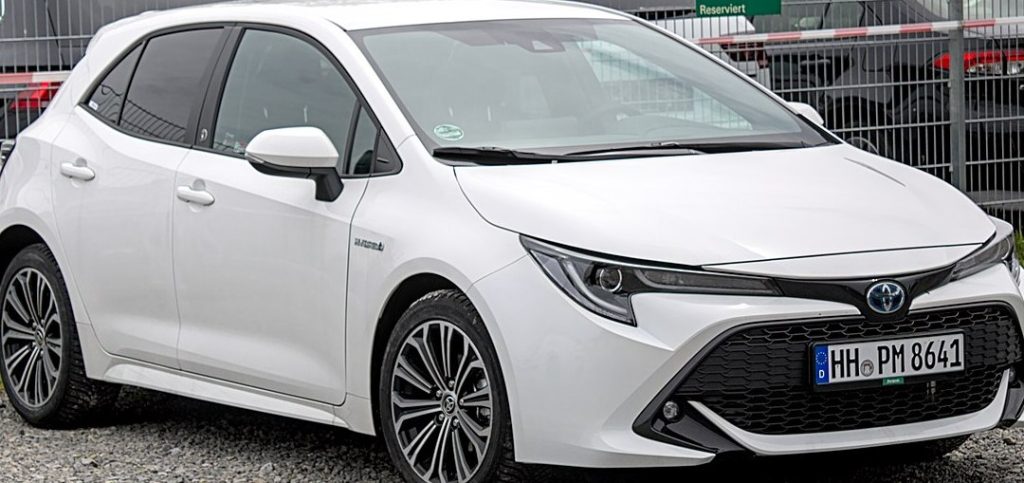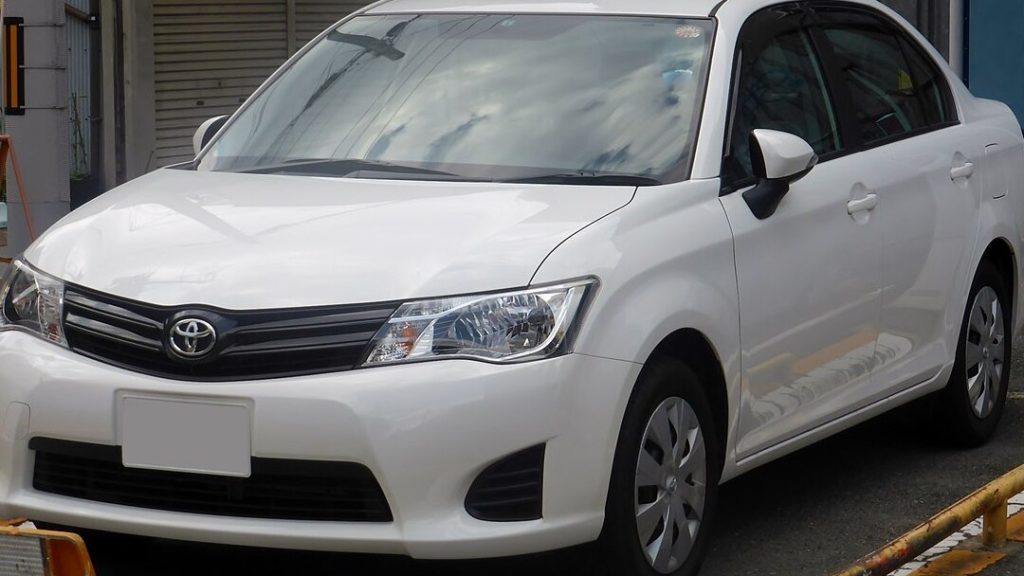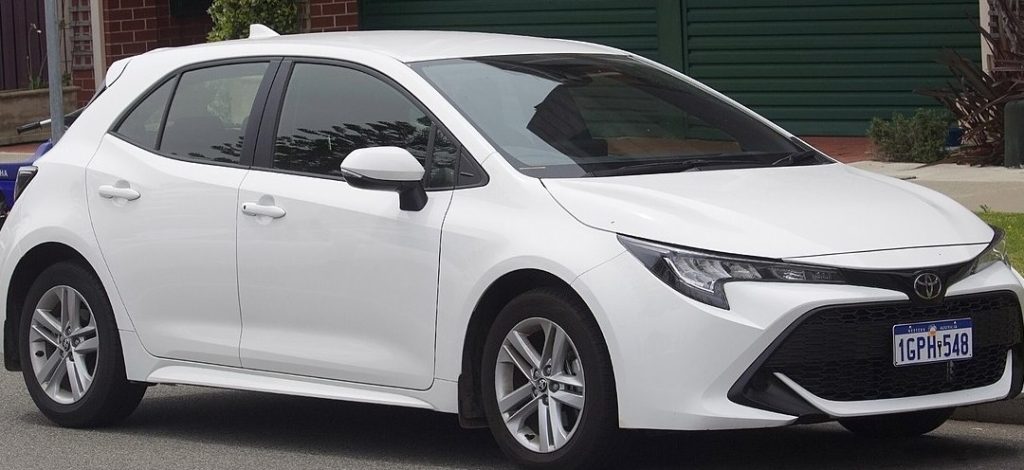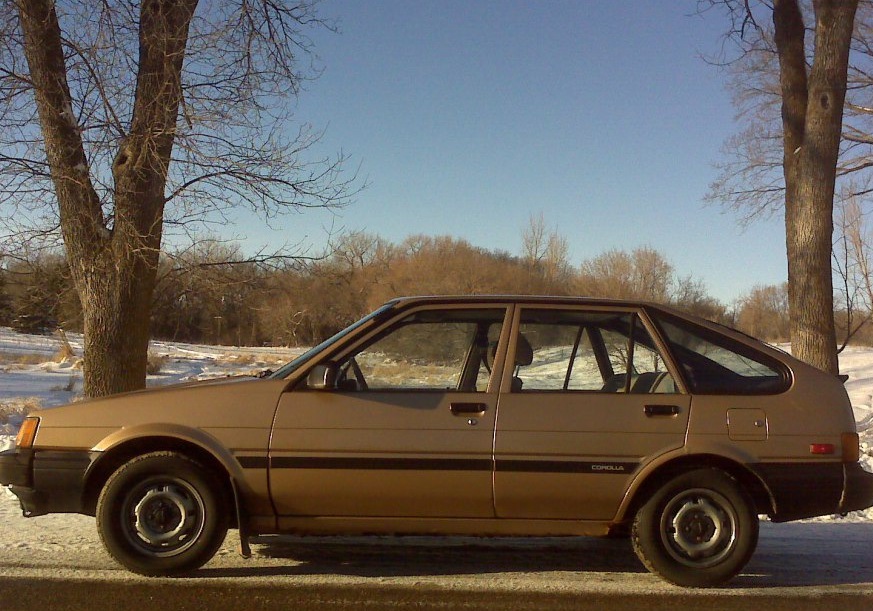
The Toyota Corolla Hatch V (E80) 1.8 D, produced between 1983 and 1988, represents a significant entry point into the fifth generation (E80) Corolla lineup. This variant, characterized by its modest 58 horsepower diesel engine, was primarily aimed at the European market, where fuel efficiency and low running costs were highly valued. Positioned as the base model, it offered practical transportation for budget-conscious buyers. The E80 series itself was a pivotal generation for Toyota, showcasing a more modern design and improved build quality compared to its predecessors, and establishing the Corolla as a global automotive force.
Technical Specifications
| Brand | Toyota |
| Model | Corolla |
| Generation | Corolla Hatch V (E80) |
| Type (Engine) | 1.8 D (58 Hp) |
| Start of production | 1983 |
| End of production | 1988 |
| Powertrain Architecture | Internal Combustion engine |
| Body type | Hatchback |
| Seats | 5 |
| Doors | 5 |
| Fuel Type | Diesel |
| Power | 58 Hp |
| Engine Model/Code | 1C-L |
| Engine aspiration | Naturally aspirated engine |
| Engine oil capacity | 4.3 l (4.54 US qt | 3.78 UK qt) |
| Coolant capacity | 7 l (7.4 US qt | 6.16 UK qt) |
Powertrain & Engine Architecture
The heart of the Corolla 1.8 D is the 1C-L diesel engine. This 1.8-liter (1779cc) inline-four cylinder engine was a relatively simple design, prioritizing durability and fuel economy over outright performance. It featured indirect injection, a common characteristic of diesel engines of that era, utilizing a pre-combustion chamber system. This system involved injecting fuel into a small chamber connected to the main cylinder, where it was partially combusted before igniting the main charge. The 1C-L engine employed a single overhead camshaft (SOHC) valvetrain, operating two valves per cylinder. While not particularly powerful, the 1C-L was known for its robustness and ability to withstand high mileage. The transmission paired with this engine was typically a four-speed manual, although a three-speed automatic transmission was also available, albeit less common. The automatic transmission was designed for smooth, economical operation rather than sporty acceleration.
Driving Characteristics
The driving experience in the Corolla 1.8 D was decidedly utilitarian. With only 58 horsepower on tap, acceleration was slow, particularly when equipped with the automatic transmission. The engine produced a modest 88 lb-ft of torque, which provided adequate pulling power for everyday driving, but overtaking maneuvers required careful planning. The four-speed manual transmission allowed for better control and slightly improved acceleration, but still didn’t transform the Corolla into a performance vehicle. Gear ratios were optimized for fuel efficiency, with a relatively tall final drive. The suspension, while comfortable, was tuned for ride quality rather than handling precision. Compared to the gasoline-powered Corolla variants, the 1.8 D offered significantly less power but superior fuel economy, making it a popular choice for drivers covering long distances.
Equipment & Trim Levels
The 1.8 D trim level represented the entry point into the E80 Corolla range. As such, it featured a relatively basic level of equipment. Standard features typically included cloth upholstery, a simple dashboard layout with analog gauges, and manual windows and door locks. Power steering was not always standard, and air conditioning was often an optional extra. The interior was functional and durable, prioritizing practicality over luxury. Optional extras included a radio/cassette player, upgraded seat fabrics, and, in some markets, central locking. The exterior trim was also fairly basic, with steel wheels and black plastic bumpers being common features. Higher trim levels, such as the 1.6 GL, offered more luxurious appointments, including alloy wheels, upgraded interior trim, and additional convenience features.
Chassis & Braking
The E80 Corolla utilized a front-engine, front-wheel-drive layout. The suspension consisted of MacPherson struts at the front and a torsion beam axle at the rear. This setup provided a comfortable ride, but wasn’t particularly sporty. The braking system varied depending on the market and trim level. Base models, like the 1.8 D, typically featured drum brakes on the rear wheels, while higher-spec models often received disc brakes all around. The front brakes were typically ventilated discs. Steering was rack-and-pinion, providing reasonable precision. Stabilizer bars were often omitted on the base models to keep costs down, further contributing to the car’s comfortable but less-than-sporty handling characteristics.
Market Reception & Comparison
The Corolla 1.8 D was well-received in European markets, where its fuel efficiency and low running costs were highly valued. Critics acknowledged its lack of performance but praised its durability and practicality. Compared to other diesel-powered hatchbacks of the era, such as the Volkswagen Golf Diesel, the Corolla 1.8 D offered a competitive fuel economy and a reputation for reliability. However, the Golf Diesel generally offered a slightly more refined driving experience and a more modern interior. Within the Corolla lineup, the 1.8 D stood in stark contrast to the more powerful gasoline-powered variants, such as the 1.6 GT, which offered significantly more performance but at the expense of fuel economy. The 1.8 D appealed to a different type of buyer – those prioritizing economy and reliability over driving excitement.
Legacy
The 1C-L diesel engine, and the Corolla 1.8 D variant, have earned a reputation for exceptional longevity. Many examples remain on the road today, testament to the engine’s robust design and Toyota’s build quality. While finding parts can become increasingly challenging, the simplicity of the engine makes it relatively easy to maintain for those with mechanical skills. In the used car market, the Corolla 1.8 D is often sought after by those looking for a reliable and economical classic car. Its low running costs and simple mechanics make it an attractive option for enthusiasts and budget-conscious buyers alike. The E80 Corolla, in general, is remembered as a pivotal model in Toyota’s history, solidifying the Corolla’s position as a global automotive leader.