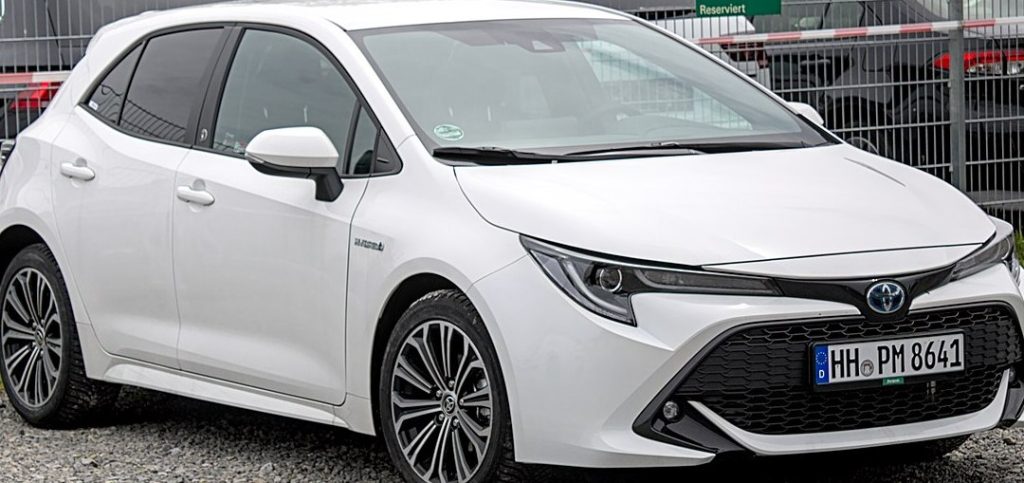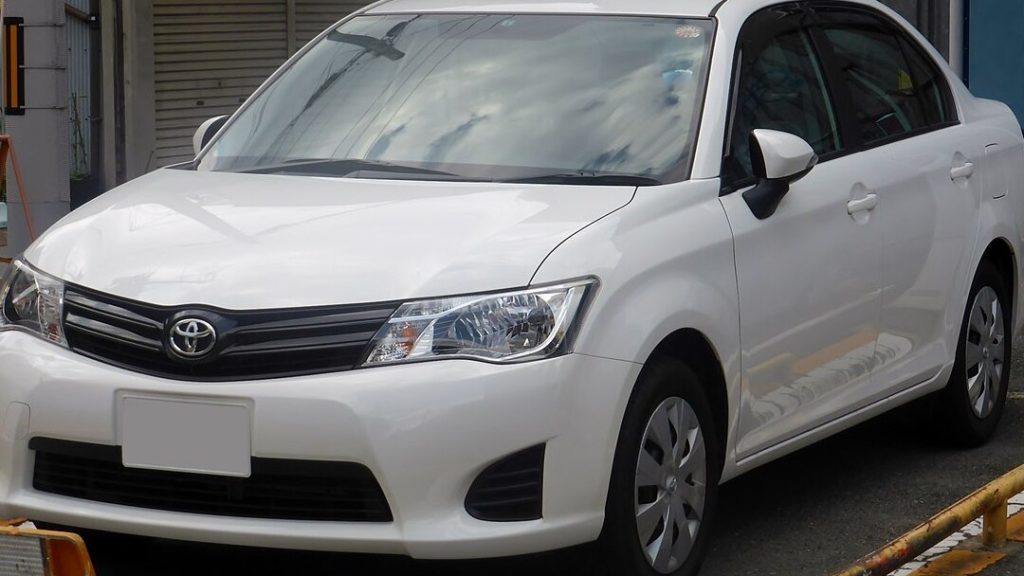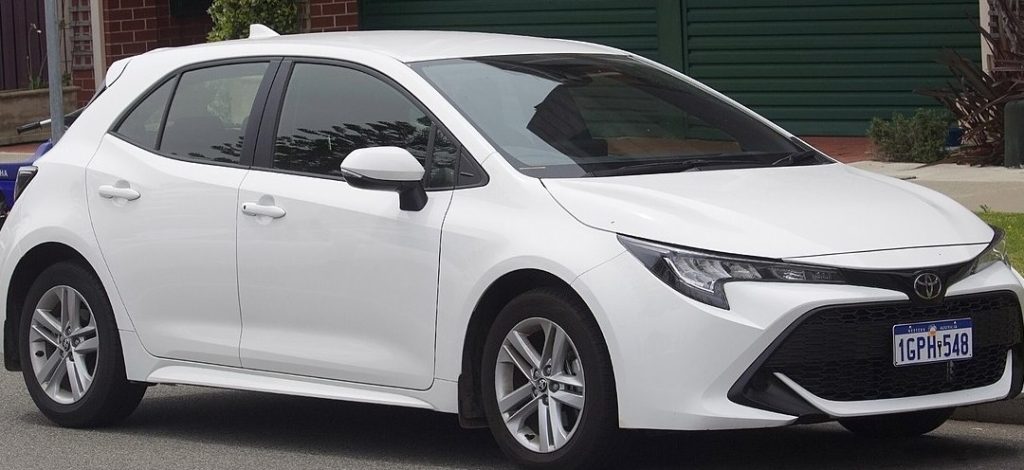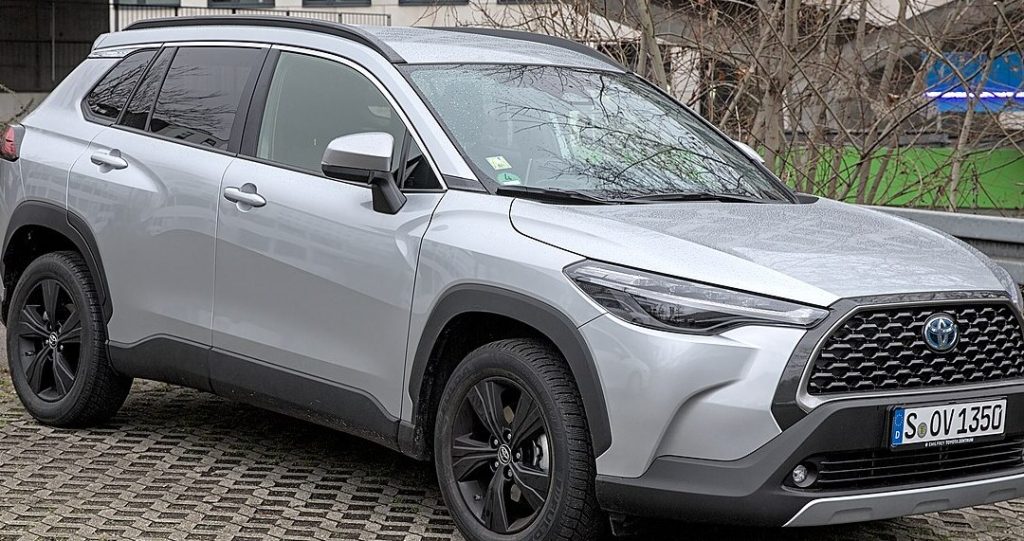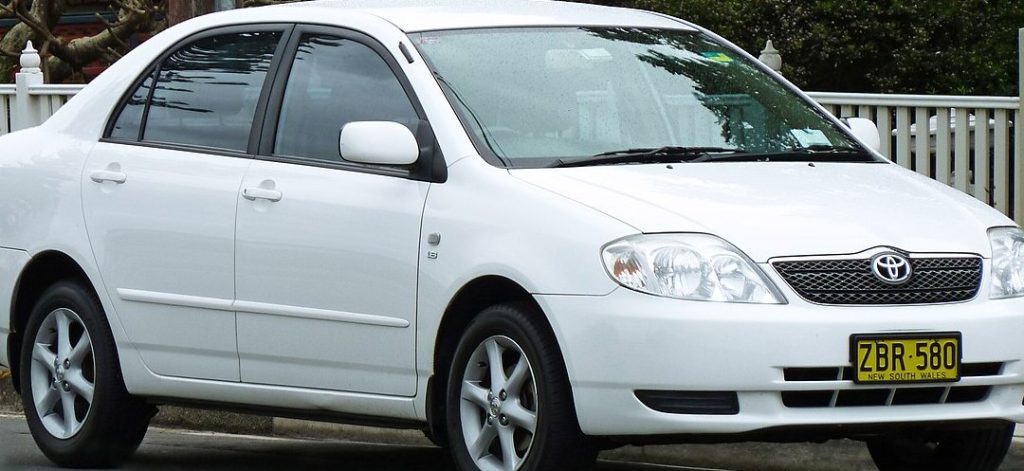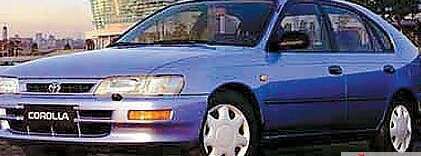
The Toyota Corolla E100, produced between 1992 and 1997, represented the seventh generation of Toyota’s globally successful Corolla. Within this generation, the 2.0 D XL variant, equipped with a 72 horsepower diesel engine, occupied a specific niche. Positioned as a practical and economical option, it catered to buyers prioritizing fuel efficiency and durability over outright performance. The E100 series was a significant model for Toyota, building upon the reputation for reliability established by its predecessors and offering a modern hatchback body style that appealed to a broader European audience.
The 2.0 D XL was powered by the 2C diesel engine, a 1.975-liter inline four-cylinder unit. This engine utilized a precombustion chamber injection system, a common diesel technology of the era, designed to improve combustion efficiency and reduce noise. The 2C engine featured an overhead camshaft (OHC) valvetrain operating four valves per cylinder. While not a high-revving engine, it was known for its robust construction and longevity. The engine produced 72 horsepower at 4600 rpm and 96.62 lb-ft of torque at 2600 rpm. This torque output, while modest by modern standards, provided adequate pulling power for everyday driving. The engine’s oil capacity was 5.3 liters, and it required 7.3 liters of coolant.
Driving the 2.0 D XL was characterized by its focus on economy and practicality. Acceleration was not a strong point, with a 0-60 mph time of approximately 13.4 seconds and a top speed of 102.53 mph. The five-speed manual transmission was the only gearbox option available with this engine. The gear ratios were optimized for fuel efficiency, resulting in a relaxed cruising experience. Compared to the gasoline-powered Corolla variants, the 2.0 D XL offered significantly better fuel economy, but at the expense of performance. It differed substantially from any potential higher-performance trims that might have been offered in other markets, prioritizing usability over speed.
The XL trim level, even within the diesel range, offered a reasonable level of equipment for the early 1990s. Standard features typically included power steering, basic instrumentation, and cloth upholstery. The interior design was functional and straightforward, prioritizing durability and ease of use. Optional extras could include upgraded audio systems and power windows, though these were not commonly specified on the base diesel models. The hatchback body style provided a practical cargo area, with a minimum capacity of 14.13 cubic feet expanding to 29.84 cubic feet with the rear seats folded down.
The Corolla E100’s chassis featured a relatively simple suspension setup. Both the front and rear utilized a spring strut configuration. Front brakes were ventilated discs, providing adequate stopping power, while the rear brakes were drums. This combination was typical for vehicles in this weight class and price range during the early 1990s. The car’s curb weight of 2535.32 lbs contributed to its manageable handling characteristics. The steering employed a hydraulic rack and pinion system, offering reasonable precision and feedback. The standard tire size was 185/65 R14 T.
Contemporary reviews of the Corolla 2.0 D XL generally praised its fuel economy and reliability. Critics acknowledged the engine’s lack of power but appreciated its durability and low running costs. Compared to other trims in the E100 lineup, the diesel model was significantly more economical, making it a popular choice for high-mileage drivers. However, it was often criticized for its slower acceleration and noisier engine compared to the gasoline alternatives. The diesel’s reputation for longevity and relatively simple mechanicals contributed to its enduring appeal in the used car market.
| Brand | Toyota |
| Model | Corolla |
| Generation | Corolla Hatch VII (E100) |
| Type | 2.0 D XL (72 Hp) |
| Start of production | 1992 |
| End of production | 1997 |
| Engine | 1975 cm3 (120.52 cu. in.) Inline 4 |
| Power | 72 Hp @ 4600 rpm |
| Torque | 131 Nm @ 2600 rpm (96.62 lb.-ft. @ 2600 rpm) |
| Fuel Consumption (Combined) | 5.6 l/100 km (42 US mpg, 50.4 UK mpg, 17.9 km/l) |
| Fuel Type | Diesel |
| Acceleration 0-100 km/h | 14.1 sec |
| Acceleration 0-60 mph | 13.4 sec |
| Maximum Speed | 165 km/h (102.53 mph) |
| Kerb Weight | 1150 kg (2535.32 lbs) |
| Fuel Tank Capacity | 50 l (13.21 US gal, 11 UK gal) |
| Trunk Space (min/max) | 400 l / 845 l (14.13 cu. ft / 29.84 cu. ft) |
| Transmission | 5-speed Manual |
Today, the Toyota Corolla E100 2.0 D XL is increasingly sought after by enthusiasts and collectors. The 2C diesel engine, while not known for its performance, is highly regarded for its reliability and simplicity. Well-maintained examples are becoming increasingly rare, and their value is steadily appreciating. The car represents a practical and durable era of automotive engineering, offering a glimpse into a time when fuel efficiency and longevity were prioritized over outright speed and luxury. Its enduring reputation for reliability ensures that it will continue to be a popular choice among those seeking a dependable and economical classic hatchback.