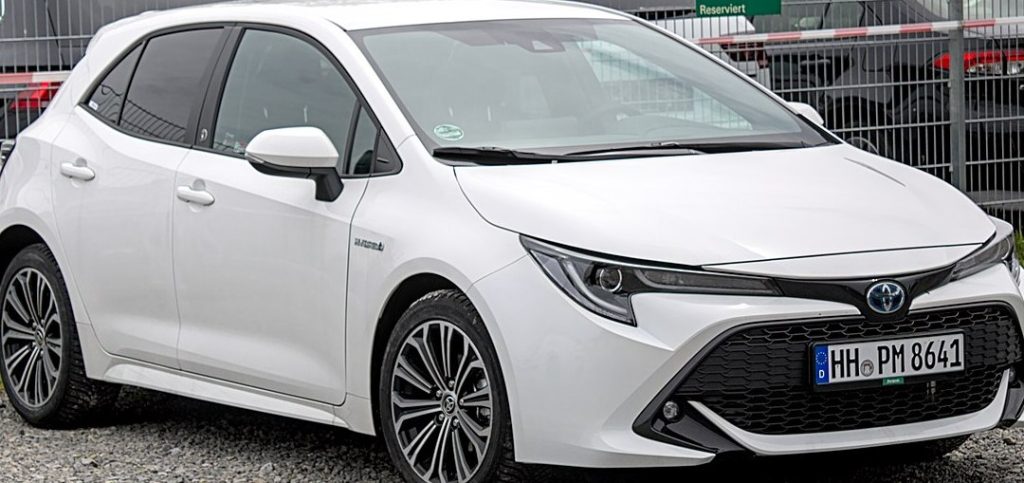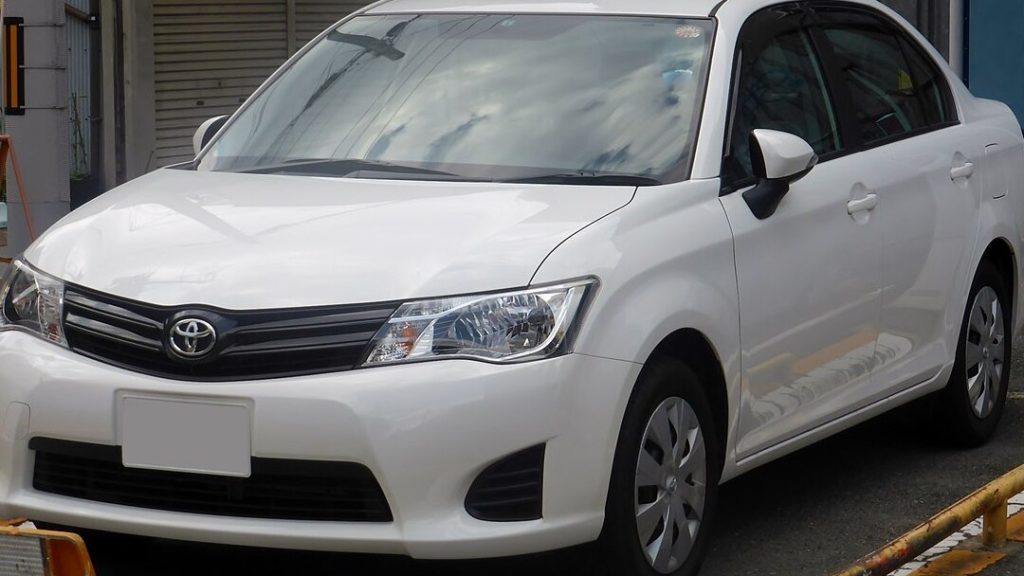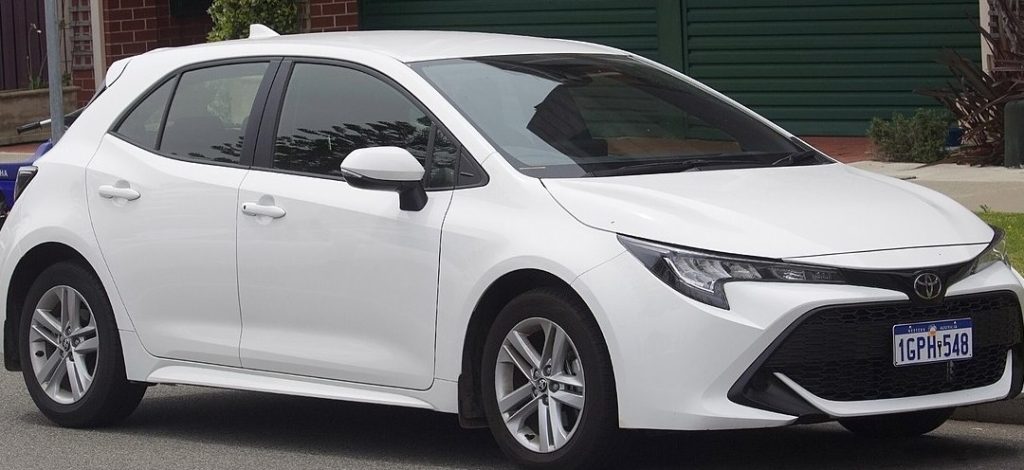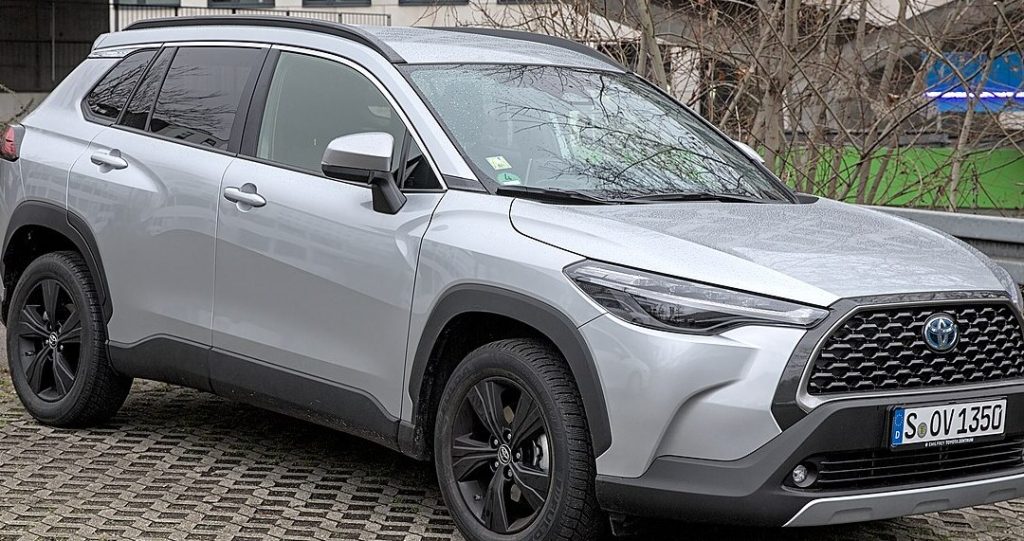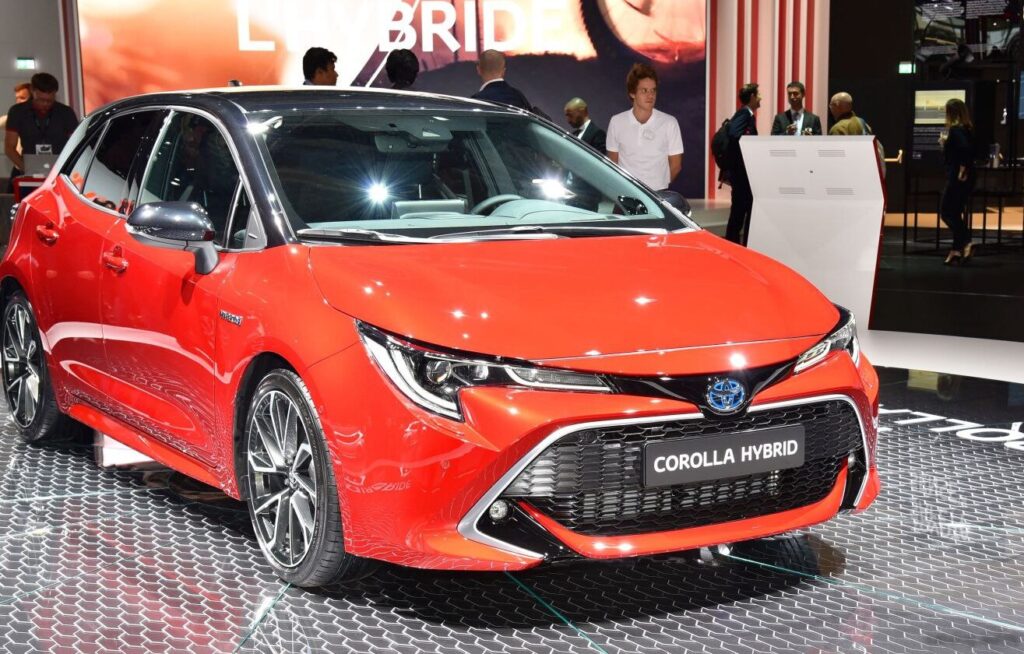
The Toyota Corolla Hatchback XII, designated the E210 series, was produced from 2018 to 2022 and represented the twelfth generation of Toyota’s globally renowned Corolla hatchback. Within the E210 lineup, the 2.0-liter (168 hp) variant paired with a Continuously Variable Transmission (CVT) occupied a mid-range position, offering a balance between performance, fuel efficiency, and affordability. It served as a step up from the base 1.8-liter engine option, appealing to buyers seeking more responsive acceleration without the higher price tag of potential performance-oriented trims. This configuration was primarily marketed towards consumers prioritizing practicality and a comfortable driving experience.
The 2.0L (168 hp) CVT Corolla Hatchback: A Detailed Overview
The E210 Corolla Hatchback represented a significant departure from previous generations, adopting a more dynamic and stylish design language. The 2.0L CVT model specifically aimed to broaden the Corolla’s appeal to a younger demographic, offering a modern driving experience with contemporary features. It was a key component of Toyota’s strategy to revitalize the Corolla nameplate in the competitive compact hatchback segment.
Powertrain & Engine Architecture
At the heart of the 2.0L CVT Corolla Hatchback lies the M20A-FKS engine, a 1.986-liter (121.19 cubic inches) inline-four cylinder gasoline engine. This engine is characterized by its direct injection system, which improves fuel efficiency and power output compared to traditional port fuel injection. The M20A-FKS boasts a high compression ratio of 13:1, contributing to its thermal efficiency. The engine produces a maximum power output of 168 horsepower at 6600 rpm and 210 Nm (154.89 lb-ft) of torque at 4800 rpm. Power per liter is rated at 84.6 hp/l. The engine utilizes a chain-driven dual overhead camshaft (DOHC) valvetrain, enhancing reliability and reducing maintenance requirements.
The engine is mated to a CVT (Continuously Variable Transmission). Toyota’s CVT design incorporates a physical first gear for improved launch feel and low-speed drivability, addressing a common criticism of traditional CVTs. The CVT simulates gear changes, providing a more natural driving experience. The CVT is designed to optimize engine efficiency, keeping the engine operating within its most efficient range for a given driving condition. While not offering the direct engagement of a traditional automatic transmission, the CVT prioritizes fuel economy and smooth acceleration.
Driving Characteristics
The 2.0L CVT Corolla Hatchback delivers a comfortable and refined driving experience. Acceleration is adequate for everyday driving situations, with the CVT providing smooth and linear power delivery. While not a performance-focused vehicle, the 168 hp engine offers sufficient power for merging onto highways and overtaking slower traffic. The CVT’s simulated gear changes are generally unobtrusive, though some drivers may notice the characteristic “rubber band” feel associated with CVTs under hard acceleration. The weight-to-power ratio of 8.3 kg/hp (121 hp/tonne) and weight-to-torque ratio of 6.6 kg/Nm (151.3 Nm/tonne) reflect the car’s balanced performance characteristics.
Compared to the base 1.8L engine, the 2.0L CVT model offers noticeably improved acceleration and responsiveness. The 2.0L engine’s higher torque output makes it more capable of handling inclines and carrying a full load of passengers and cargo. Compared to potential higher-performance trims (if offered in certain markets), the 2.0L CVT prioritizes fuel efficiency and comfort over outright speed and handling.
Equipment & Trim Levels
The 2.0L CVT Corolla Hatchback typically came standard with a comprehensive suite of features, including Toyota Safety Sense, which encompasses pre-collision system with pedestrian detection, lane departure alert with steering assist, automatic high beams, and dynamic radar cruise control. Interior features generally included a touchscreen infotainment system with Apple CarPlay and Android Auto compatibility, automatic climate control, and a rearview camera. Upholstery was typically cloth, though higher trim levels offered optional leatherette or genuine leather seating. Dashboard configuration was modern and driver-focused, with a clear instrument cluster and intuitive controls.
Optional extras available for the 2.0L CVT model often included a premium audio system, blind spot monitoring with rear cross-traffic alert, heated front seats, and a power moonroof. Depending on the market, additional packages might have included features like keyless entry and ignition, and upgraded alloy wheels.
Chassis & Braking
The E210 Corolla Hatchback utilizes a front-wheel-drive platform with an independent McPherson strut suspension in the front and an independent multi-link suspension in the rear. This suspension setup provides a comfortable ride quality while maintaining good handling characteristics. A stabilizer bar is included on both the front and rear axles to reduce body roll during cornering. The chassis is designed to be lightweight yet rigid, contributing to improved handling and fuel efficiency.
Braking duties are handled by ventilated discs on the front wheels and solid discs on the rear wheels. The braking system is equipped with ABS (Anti-lock Braking System) to prevent wheel lockup during emergency braking. Electric power steering provides precise and responsive steering feel. Typical tire sizes ranged from 205/55 R16 to 225/40 R18, depending on the trim level and wheel size.
Market Reception & Comparison
The 2.0L CVT Corolla Hatchback was generally well-received by automotive critics. Reviewers praised its comfortable ride, fuel efficiency, and comprehensive safety features. The CVT was noted for its smooth operation, although some critics expressed a preference for a traditional automatic transmission or manual gearbox. Fuel economy figures were competitive within the compact hatchback segment, with combined fuel consumption averaging around 6.5 l/100 km (36.2 US mpg, 43.5 UK mpg, 15.4 km/l).
Compared to other trims in the Corolla Hatchback lineup, the 2.0L CVT offered a compelling balance of performance and efficiency. The base 1.8L engine was more affordable but lacked the 2.0L’s responsiveness. Higher-performance trims, if available, offered more engaging driving dynamics but came at a higher price point. In terms of reliability, the Corolla Hatchback has a strong reputation, and the 2.0L engine and CVT combination have proven to be generally durable and dependable.
Technical Specifications
| Body Type | Hatchback, 5 Doors, 5 Seats |
| Engine Type | Petrol (Gasoline) |
| Engine Displacement | 2.0 l (1986 cm3 / 121.19 cu. in.) |
| Number of Cylinders | 4, Inline |
| Power | 168 Hp @ 6600 rpm |
| Torque | 210 Nm (154.89 lb.-ft.) @ 4800 rpm |
| Fuel Consumption (Urban) | 7.3 l/100 km (32.2 US mpg, 38.7 UK mpg, 13.7 km/l) |
| Fuel Consumption (Extra Urban) | 5.6 l/100 km (42 US mpg, 50.4 UK mpg, 17.9 km/l) |
| Fuel Consumption (Combined) | 6.5 l/100 km (36.2 US mpg, 43.5 UK mpg, 15.4 km/l) |
| Kerb Weight | 1388 kg (3060.02 lbs.) |
| Trunk Space (Minimum) | 504 l (17.8 cu. ft.) |
| Fuel Tank Capacity | 50 l (13.21 US gal, 11 UK gal) |
| Length | 4315 mm (169.88 in.) |
| Width | 1775 mm (69.88 in.) |
| Height | 1450 mm (57.09 in.) |
| Wheelbase | 2639 mm (103.9 in.) |
| Transmission | CVT (Continuously Variable Transmission) |
| Drive Type | Front Wheel Drive |
Legacy
The 2.0L CVT Corolla Hatchback has proven to be a reliable and fuel-efficient option in the used car market. The M20A-FKS engine is known for its durability, and the CVT, while not universally loved, has generally held up well over time with proper maintenance. The E210 Corolla Hatchback, in general, benefits from Toyota’s reputation for quality and dependability, making it a popular choice among buyers seeking a practical and affordable compact hatchback. Its blend of modern features, comfortable ride, and strong fuel economy continues to make it a competitive option in the used car segment.