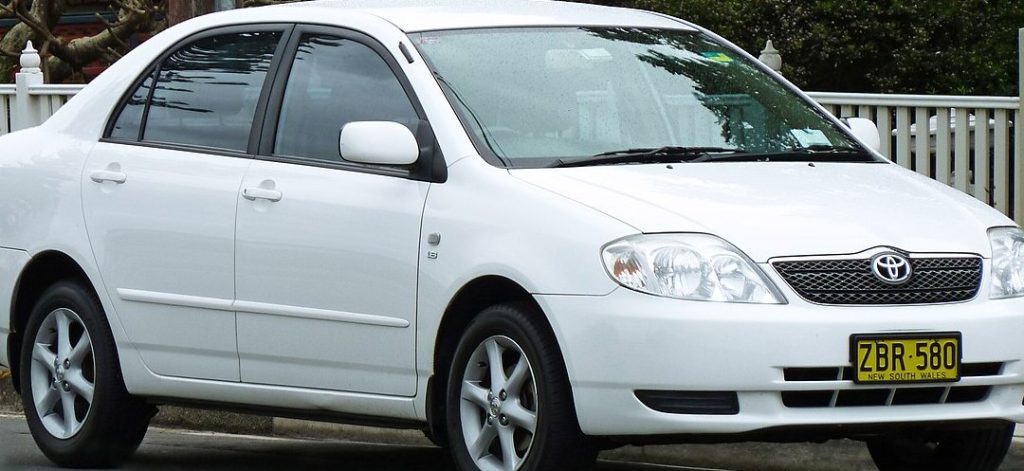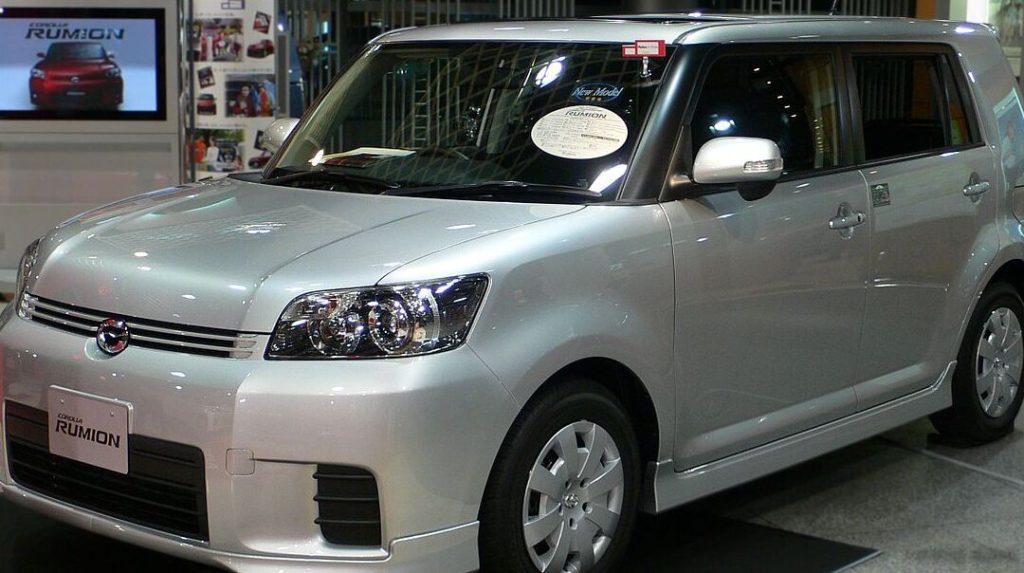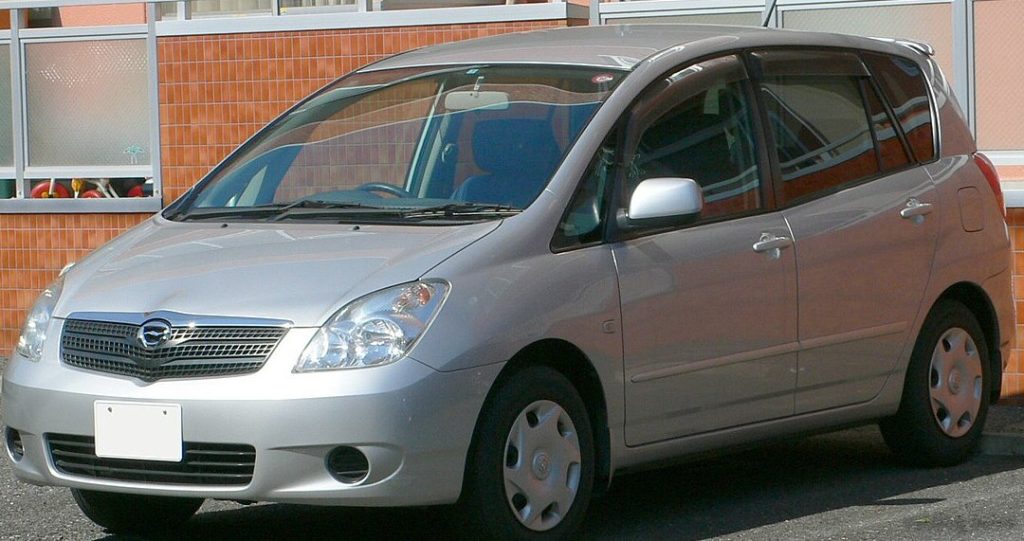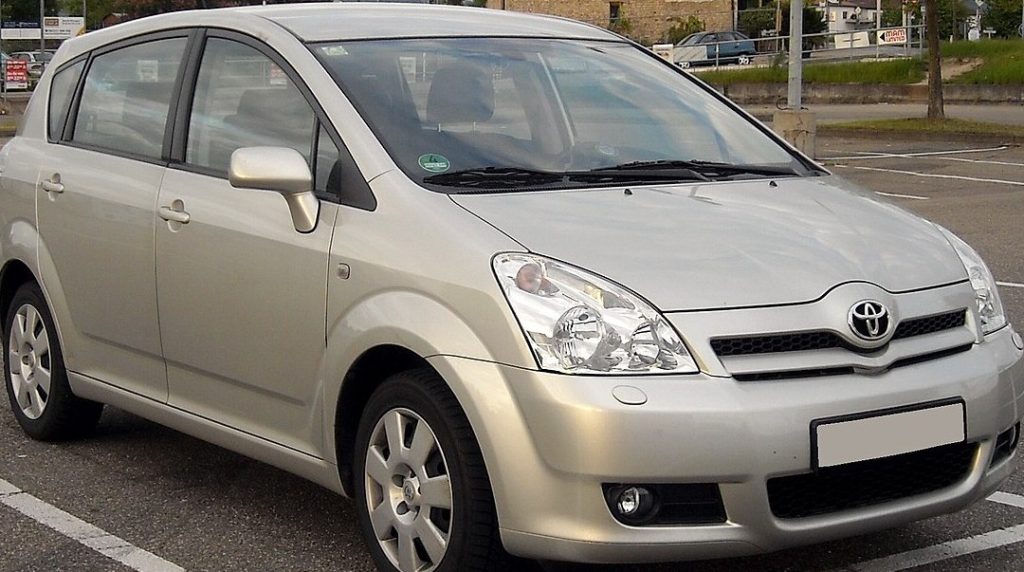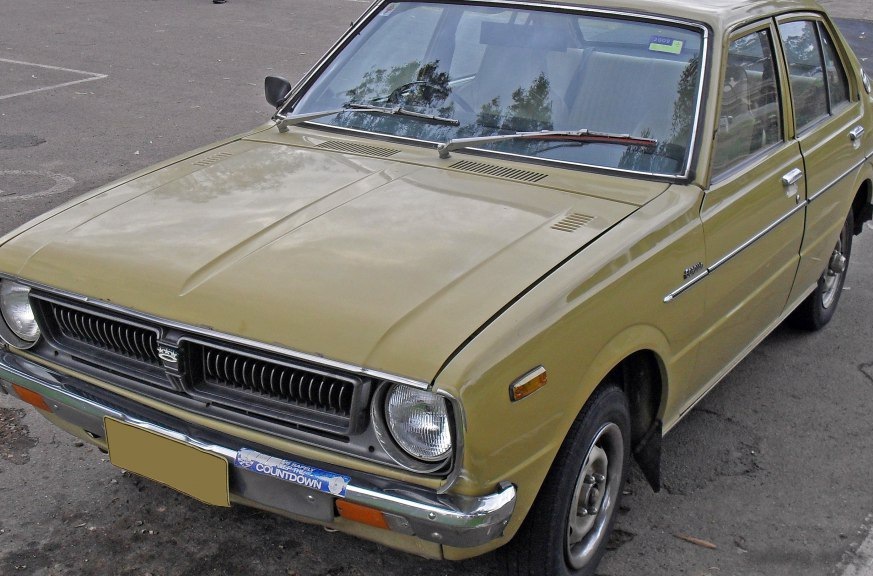
The Toyota Corolla III, encompassing chassis codes E30, E40, E50, and E60, represented a significant evolution of Toyota’s popular compact car. Produced between 1974 and 1977, this generation broadened the Corolla’s appeal with a wider range of body styles and engine options. Among these, the 1.2-liter (KE20, KE25) variant, producing 58 horsepower, served as the entry-level offering in many markets. This model was particularly important for its affordability and fuel efficiency, targeting budget-conscious buyers and those seeking reliable transportation. It occupied the base trim level within the Corolla III lineup, positioned below the more powerful 1.6-liter engines and deluxe trim packages.
The 1.2L Corolla: A Focus on Economy
The KE20 and KE25 models, powered by the 1.2-liter 3K-H engine, were designed with economy in mind. Toyota recognized a substantial market segment that prioritized low running costs over outright performance. The Corolla III 1.2L was intended to be a practical and dependable vehicle for daily commuting and general transportation needs. While not offering the spirited driving experience of its larger-engined siblings, it provided a comfortable and reliable ride for a reasonable price. The KE20 designation typically referred to the two-door sedan, while the KE25 denoted the four-door version, though variations existed based on regional specifications.
Powertrain & Engine Architecture
The heart of the Corolla III 1.2L was the 3K-H engine, a 1.166 cc (71.1 cubic inches) inline-four cylinder gasoline engine. This engine was a naturally aspirated, overhead valve (OHV) design. It featured a single carburetor – typically a Solex or Aisan unit – for fuel delivery. The 3K-H engine utilized a simple, robust design emphasizing reliability and ease of maintenance. The engine’s bore and stroke were 76.0 mm x 80.0 mm, resulting in a compression ratio of 8.8:1. The engine produced 58 horsepower (43 kW) at 6,000 rpm and 69 lb-ft (94 Nm) of torque at 3,600 rpm. The transmission offered was almost exclusively a four-speed manual, though a three-speed automatic transmission was available as an option in some markets, though less common with this engine. The automatic, when equipped, was a traditional torque converter type, prioritizing smooth operation over performance. The engine’s simplicity meant it was relatively easy to repair, and parts were readily available, contributing to its long-term appeal.
Driving Characteristics
The driving experience in a Corolla III 1.2L was characterized by its modest performance. Acceleration was adequate for city driving and highway merging required careful planning. The 58 horsepower engine, coupled with the relatively lightweight chassis, provided sufficient power for everyday tasks, but it was not designed for spirited driving. The four-speed manual transmission allowed drivers to maximize the engine’s limited power output, while the optional automatic transmission prioritized convenience. Gear ratios were optimized for fuel economy rather than acceleration. The suspension, consisting of independent front suspension with coil springs and a leaf spring rear suspension, provided a comfortable ride, though handling was not particularly sporty. The steering was manual in most models, offering a direct feel but requiring more effort at low speeds. Compared to the 1.6-liter Corolla variants, the 1.2L felt noticeably slower, particularly when fully loaded with passengers or cargo.
Equipment & Trim Levels
The Corolla III 1.2L typically came with a fairly basic level of equipment, reflecting its position as the entry-level model. Standard features generally included vinyl upholstery, basic instrumentation (speedometer, fuel gauge, and temperature gauge), and simple steel wheels with hubcaps. The interior was functional and durable, designed for practicality rather than luxury. Optional extras included a radio, heater, and upgraded upholstery. Deluxe trim packages added features such as chrome trim, more comfortable seats, and a woodgrain-effect dashboard. The KE20 (two-door) and KE25 (four-door) models offered similar levels of equipment, with the four-door version often being slightly more popular due to its increased practicality. The overall interior design was simple and straightforward, prioritizing ease of use and durability.
Chassis & Braking
The Corolla III utilized a body-on-frame construction, providing a robust and durable chassis. The suspension system consisted of independent front suspension with coil springs and a leaf spring rear suspension. The front suspension featured MacPherson struts, while the rear suspension utilized a traditional leaf spring setup. Braking was typically accomplished with drum brakes on all four wheels, although some higher-spec models or those sold in certain markets may have featured front disc brakes. The braking system was adequate for the vehicle’s weight and performance, but it lacked the stopping power of more modern braking systems. Steering was manual in most models, providing a direct feel but requiring more effort at low speeds. The chassis was designed to provide a comfortable ride and good durability, prioritizing practicality over sporty handling.
Market Reception & Comparison
The Corolla III 1.2L was generally well-received by consumers and critics alike, particularly in markets where fuel economy and affordability were paramount. It was praised for its reliability, durability, and low running costs. However, its modest performance was often criticized, especially when compared to the more powerful Corolla variants. Compared to competitors such as the Ford Escort and the Volkswagen Beetle, the Corolla III 1.2L offered a good balance of fuel economy, reliability, and practicality. The 1.6-liter Corolla models offered significantly more performance but came at a higher price point. The 1.2L’s fuel economy was notably better than the 1.6-liter versions, making it an attractive option for budget-conscious buyers. Reliability was a key strength, with the 3K-H engine proving to be exceptionally durable and long-lasting.
Technical Specifications
| Body Type | Sedan (2-door & 4-door) |
| Engine Code | 3K-H |
| Engine Type | Inline-Four, Naturally Aspirated |
| Displacement | 1.166 cc (71.1 cu in) |
| Bore x Stroke | 76.0 mm x 80.0 mm (3.0 in x 3.1 in) |
| Compression Ratio | 8.8:1 |
| Maximum Power | 58 hp (43 kW) @ 6,000 rpm |
| Maximum Torque | 69 lb-ft (94 Nm) @ 3,600 rpm |
| Fuel System | Single Carburetor (Solex or Aisan) |
| Transmission | 4-Speed Manual (Standard), 3-Speed Automatic (Optional) |
| Fuel Capacity | 40 liters (10.6 US gallons) |
| Engine Oil Capacity | 3.5 liters (3.7 US quarts) |
| Coolant Capacity | 5.3 liters (5.6 US quarts) |
Legacy
The Toyota Corolla III 1.2L, while not the most powerful or luxurious variant of its generation, holds a significant place in automotive history. Its emphasis on affordability, reliability, and fuel efficiency helped establish the Corolla as a global bestseller. The 3K-H engine proved to be exceptionally durable, and many examples of these cars remain on the road today. In the used car market, the KE20 and KE25 models are sought after by enthusiasts and collectors, particularly those interested in classic Japanese automobiles. The simplicity of the design and the availability of spare parts make these cars relatively easy to maintain and restore. The 1.2L variant, in particular, is appreciated for its simplicity and its representation of a bygone era of automotive engineering. Its enduring legacy is a testament to Toyota’s commitment to building reliable and affordable vehicles.